


Antique Statue Lamp
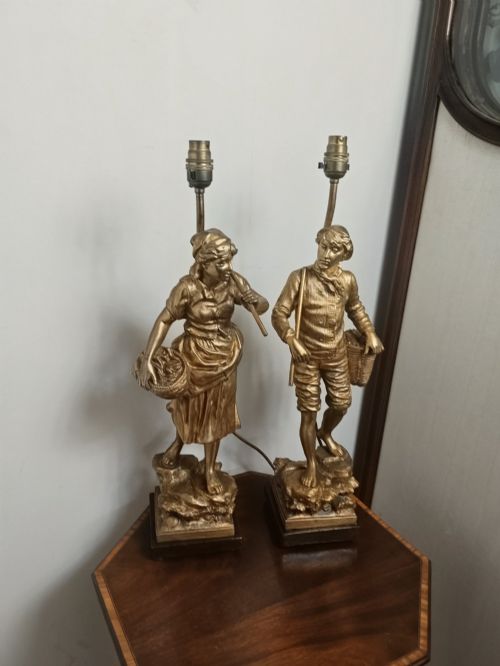
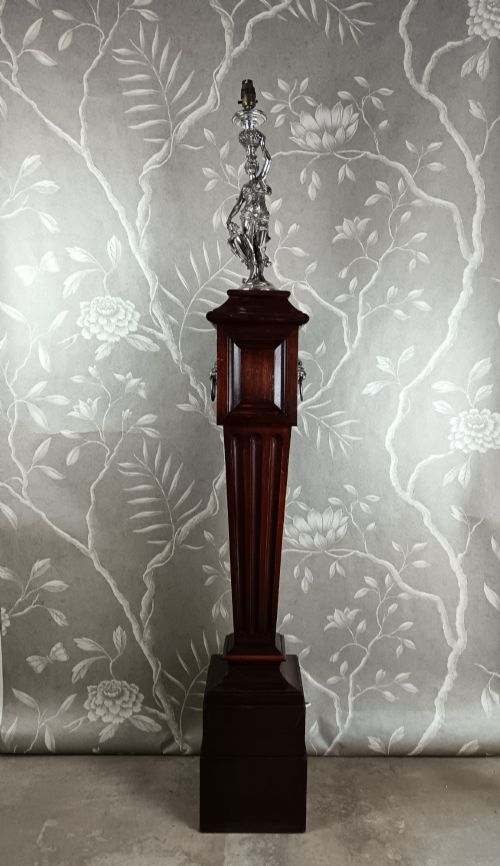
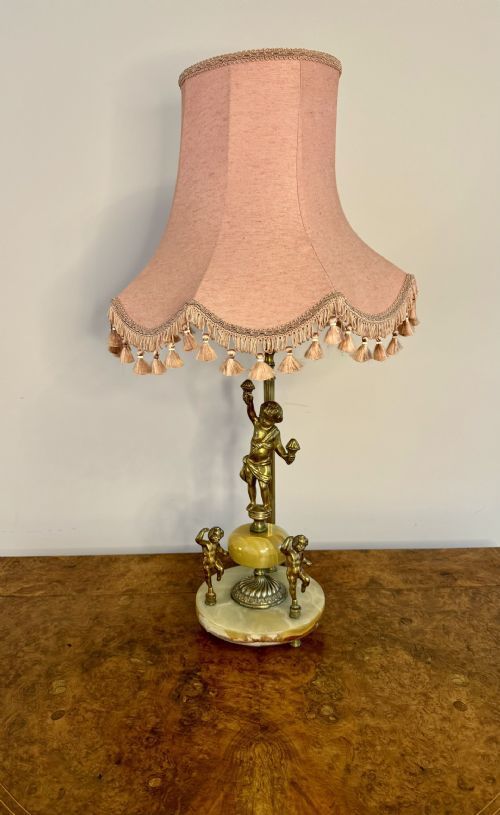
An antique statue lamp combines sculptural human or mythical figures with functional lighting, bringing three-dimensional artistry and period illumination into a room.
Antique Statue Lamp
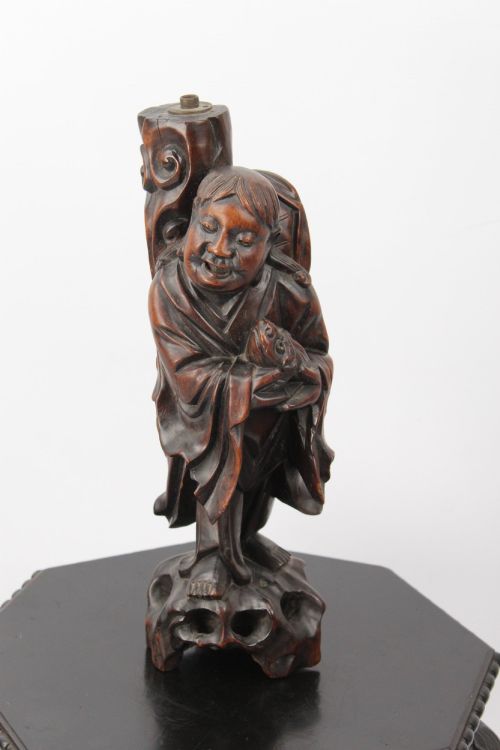
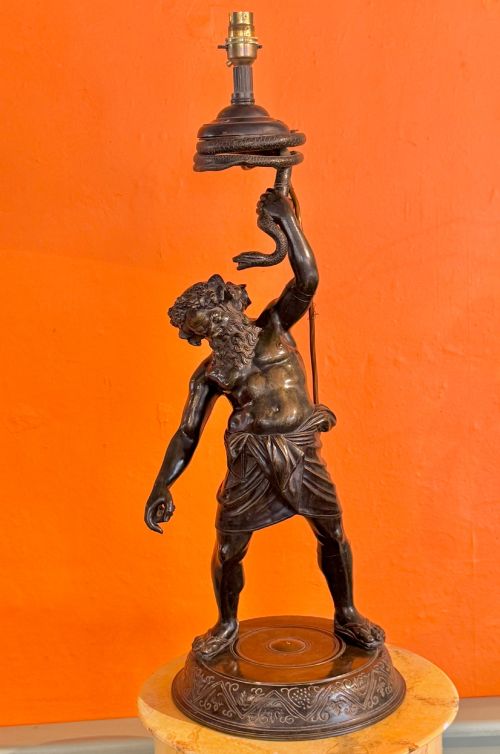
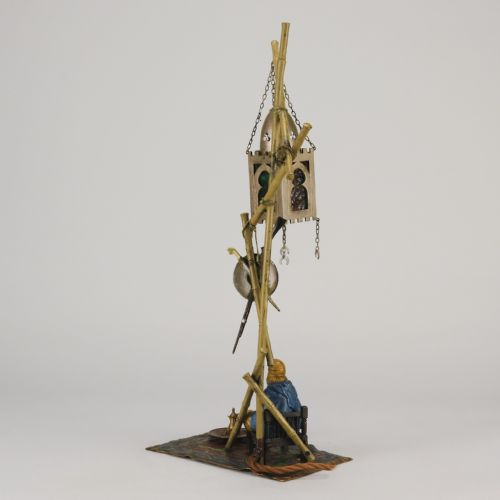
When you search for an antique statue lamp, you encounter figural lighting pieces that integrate cast or carved human and mythical subjects directly into the body of the standard, torchere, or table lamp.
The selections span the nineteenth century through the Art Deco era, encompassing French neoclassical works, Victorian bronze figures, and carved wooden or alabaster subjects adapted for illumination.
Most examples originate from British, French, and European workshops, merging traditional sculpture with period electrical or oil-burning conversion fittings.
Sculptural Fidelity and Finish
The integrity of the original surface patination, whether cold-painted pigments, fire gilding, or polished bronze, separates masterworks from routine production.
The weight and selection of auxiliary materials, such as solid marble bases and genuine alabaster shafts, dictate the overall balance and permanence of the object.
A stoic Black Forest bear stands ready to illuminate the room while holding its lamp aloft.
Franz Bergman·Emile Picault·Humphrey Hopper·Jean-Jules Cambos·Henri Honore Ple
The Antique Statue Lamp Glossary
- Torchere
- A tall stand or floor lamp designed to hold a light source high above the floor. These frequently take the form of classical figures holding torches.
- Spelter
- A zinc alloy commonly utilised as a less costly alternative to bronze during the nineteenth and early twentieth centuries. It accepts various metallic finishes to imitate heavier bronzes.
- Cold-painted
- A technique where paint is applied to metal without subsequent heat firing. It appears frequently on bronze and spelter figural works from the Victorian and Edwardian periods.
- Ormolu
- Gilded bronze produced by applying a mixture of gold and mercury to a base metal. The process creates a rich, durable golden surface seen on French neoclassical pieces.
- Caryatid
- A sculpted female figure serving as an architectural support in place of a column or pillar. They frequently appear in classical and revivalist lighting standards.
Antique Statue Lamp: Frequently Asked Questions
Are antique statue lamps converted from old sculptures?
Many pieces began life as standalone bronze or spelter statuettes before receiving electrical or oil-burning lamp fittings during the nineteenth or early twentieth centuries.
Other items were manufactured specifically as functional light sources from the outset, combining sculptural bases with wiring channels or burner assemblies.
How do I identify a bronze figure from spelter?
Bronze exhibits a heavier weight, greater tensile strength, and a resonant sound when tapped gently, whereas spelter is softer and more brittle.
Inspect any worn areas to check the underlying metal colour beneath the surface patination or paint layer.
Where should I place a large torchere lamp?
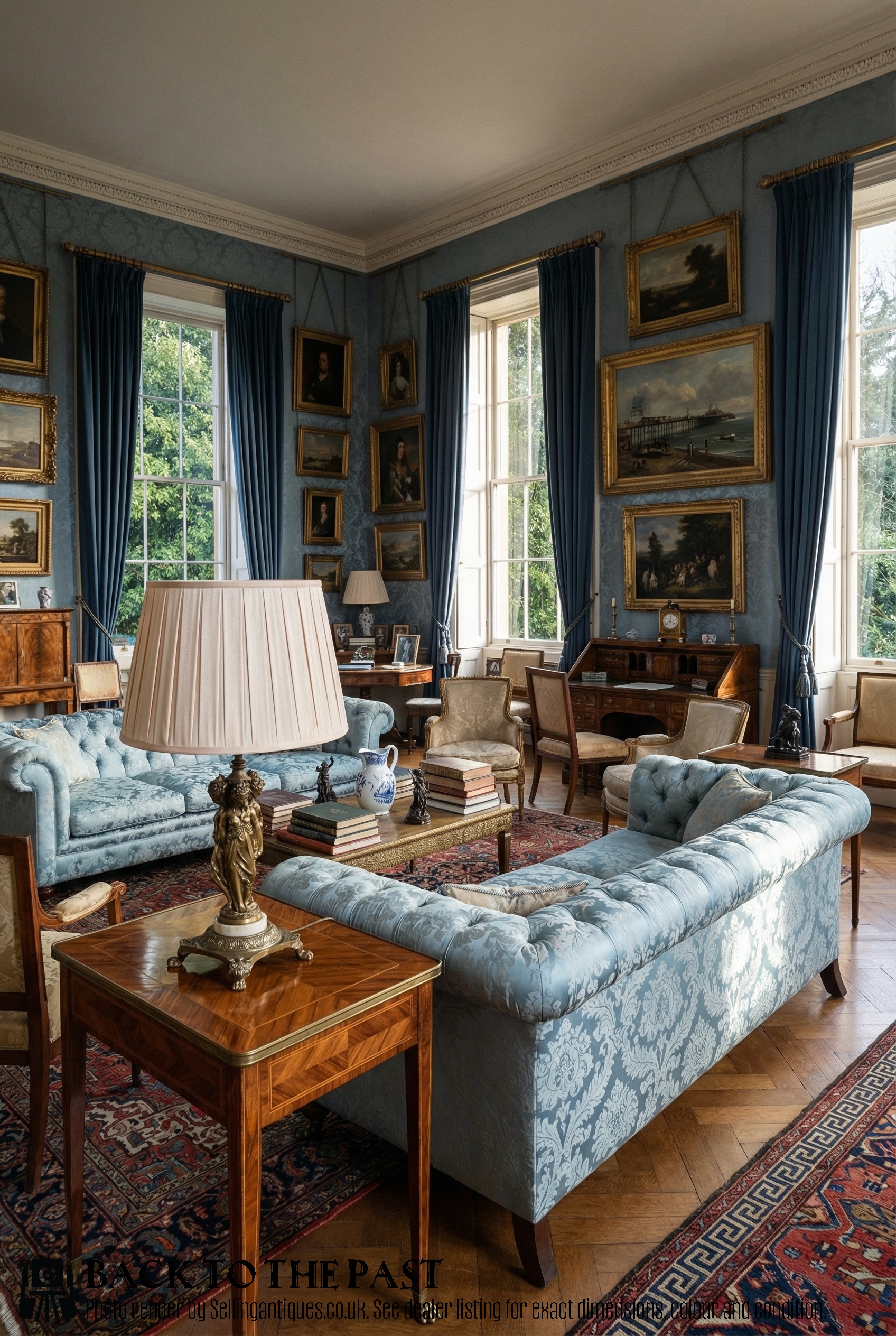
Tall floor-standing torcheres function effectively in room corners, flanking large entryways, or positioned beside substantial seating arrangements where their height commands the space.
Ensure the heavy marble or metal base rests securely on level flooring away from high-traffic household pathways.
What periods do these figural lamps cover?
The available pieces span the nineteenth century, the Victorian era, the Edwardian period, and the 1920s and 1930s Art Deco movement.
Stylistic influences range from classical Neoclassicism and Regency designs to ornate Venetian Baroque and French nineteenth-century motifs.