




Antique Stackable Side Tables
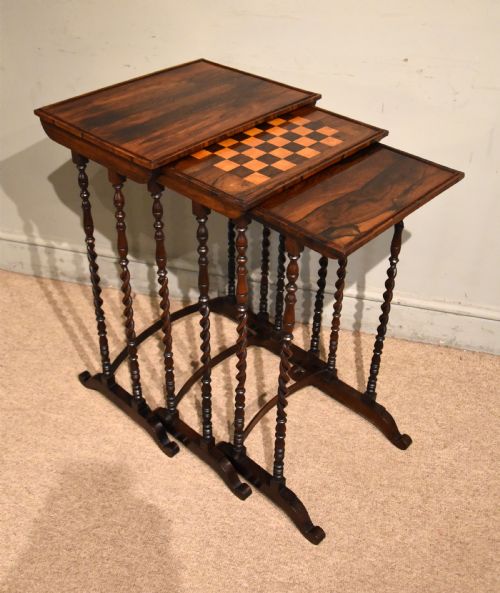
Antique stackable side tables offer clever space-saving design, sliding together when not in use and separating whenever extra surfaces are needed.
Antique Stackable Side Tables
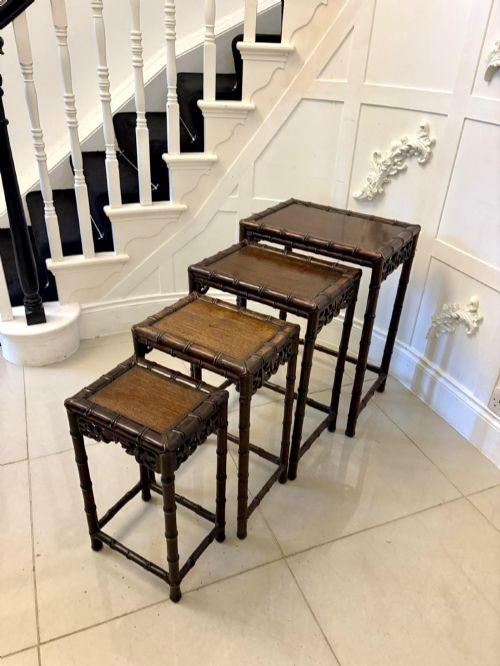
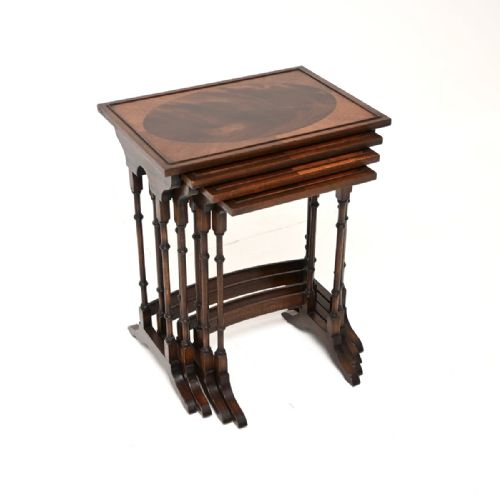
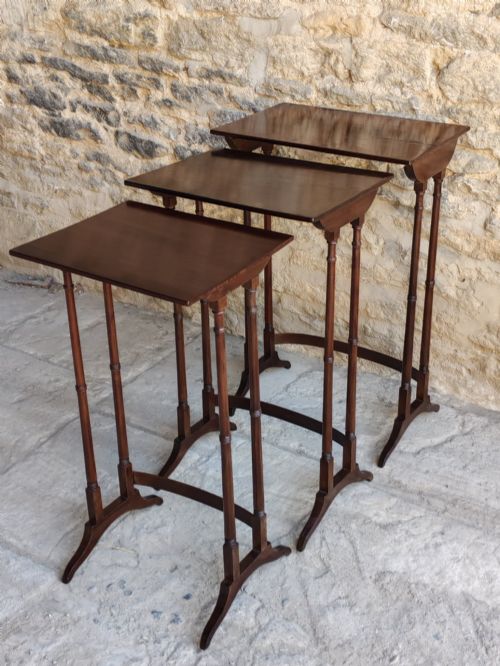
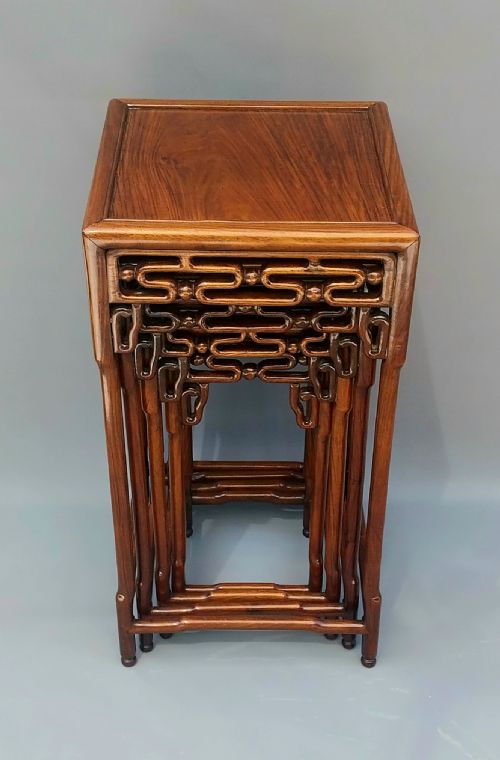
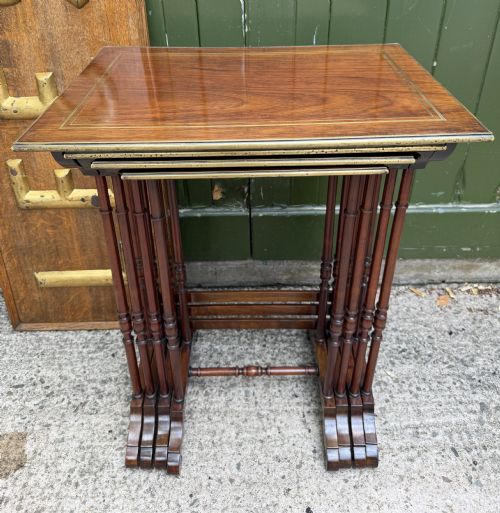
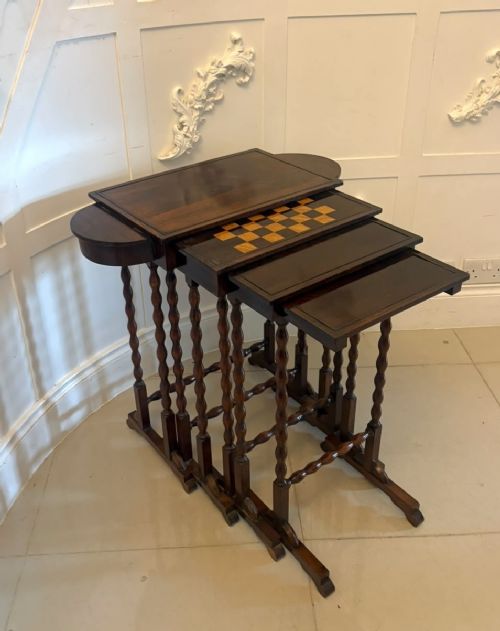
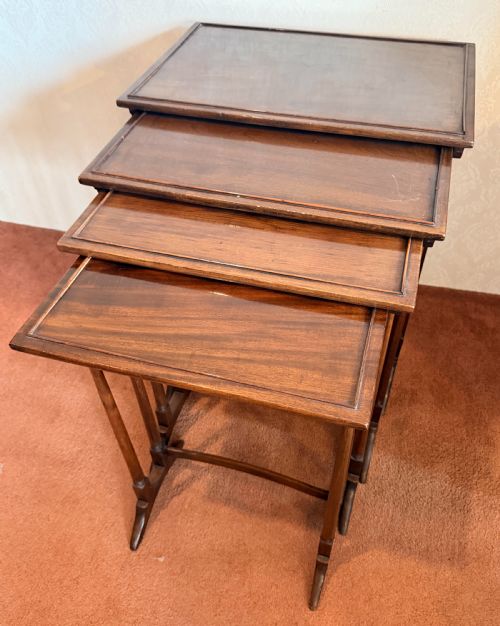
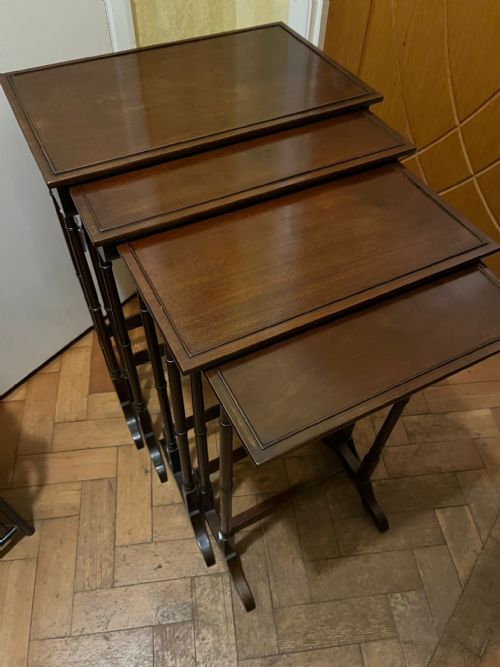
When searching for antique stackable side tables, buyers look at sets of graduated tables designed to slide neatly beneath one another. These pieces appear in forms such as nests of tables, nesting tables, and occasional tables.
The most common versions met on this page are Edwardian and Victorian mahogany sets of three or four tables. Alongside these, Regency quartetto tables and Chinese hardwood or rosewood examples frequently appear.
How they were made
Cabinet makers utilised dense timbers like mahogany, rosewood, and walnut for strength across the graduated frames. Finer examples incorporate satinwood, boxwood, and intricate veneer or parquetry work.
Antique Stackable Side Tables Retail Price Guide 2026
Typical asking prices for stackable side tables among the pieces listed under this phrase on Sellingantiques today, from the lower quarter to the upper quarter. They describe what is for sale here now, not the wider market.
Listings feature mahogany, rosewood, walnut, and hardwood across periods ranging from the Regency era through to Art Deco.
What varies in quality
The distinction between standard utility sets and the finest examples rests largely on timber selection and decorative restraint. Heavier figuring in the rosewood or mahogany, alongside crispness in inlay and carving, elevates a set.
Stability and proportion dictate everyday success, with superior tables resting flush when nested while maintaining a light, balanced stance when separated.
Heal's
The Antique Stackable Side Tables Glossary
- Quartetto
- A set of four nesting tables designed to slide neatly one beneath another. This term appears frequently in Regency and Edwardian pieces.
- Nest of tables
- A group of graduated side tables built to stack together to save floor space. They function individually as coffee or occasional surfaces.
- Parquetry
- Geometric wood inlay work arranged in patterns such as squares or lattices. This technique frequently decorates French walnut table tops.
- Inlay
- Contrasting timber or shell embedded flush into the primary wood surface to create decorative borders. Boxwood and satinwood are common choices for these lines.
Antique Stackable Side Tables: Frequently Asked Questions
How do I use a nest of tables?
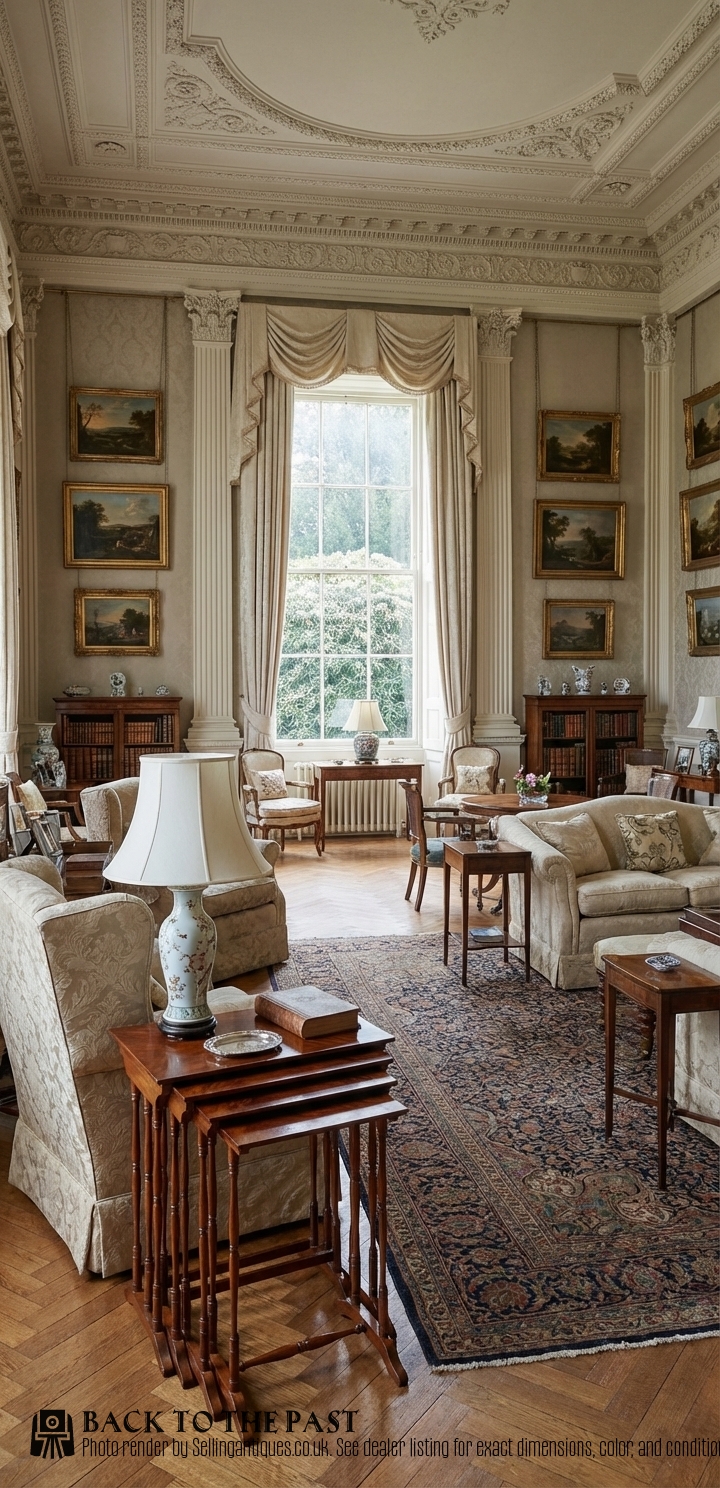
These tables stack together to occupy the footprint of a single side table when floor space is at a premium. Pull them apart individually to serve drinks or hold books around the room.
They return to a compact tower configuration effortlessly once guests depart, keeping the room tidy.
What is a quartetto table set?
A quartetto set consists of four graduated tables designed to nest inside one another. Originating largely in the Regency and Edwardian periods, they offer maximum surface area from a minimal storage footprint.
Each table diminishes slightly in height and width so the entire group slides together seamlessly.
How do I identify Regency stackable tables?
Regency sets typically feature rich rosewood timbers, sometimes with brass inlay or simulated grain. They often take the quartetto form with four graduated pieces.
Turned supports and slender proportions distinguish these early nineteenth-century examples from later Victorian and Edwardian iterations.
Are Chinese antique nesting tables different?
Chinese nesting sets from the nineteenth century frequently utilise dense hardwoods like hongmu or carved rosewood without European inlay. Their design focuses on clean lines or traditional relief carving.
They share the same practical graduating structure as their British counterparts while reflecting distinct regional craftsmanship.