



Antique Souvenir Box
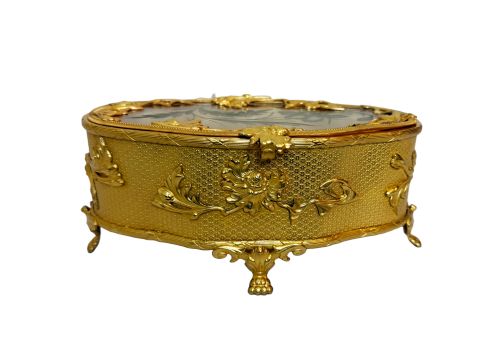
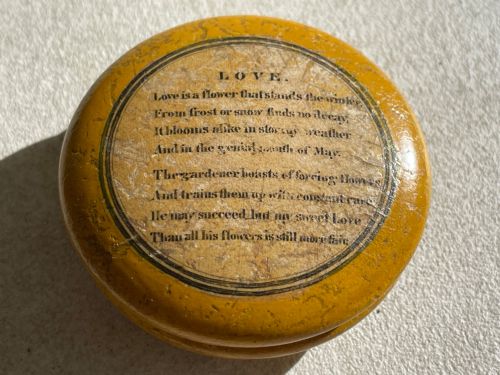
An antique souvenir box brings home the memory of a Grand Tour, a spa town, or a royal site, fashioned in wood, enamel, or stone.
Antique Souvenir Box
When you search for an antique souvenir box, you encounter small decorative containers and trinket holders made to commemorate specific places, journeys, and historical events. These pieces capture the taste of travellers from the Georgian period through the Edwardian era and into the interwar years.
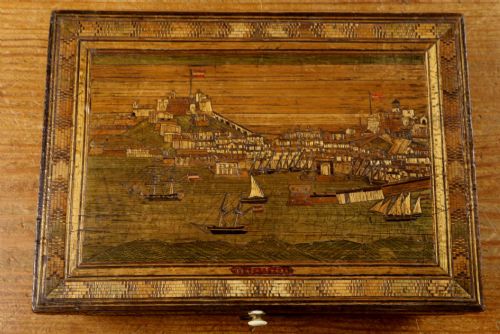
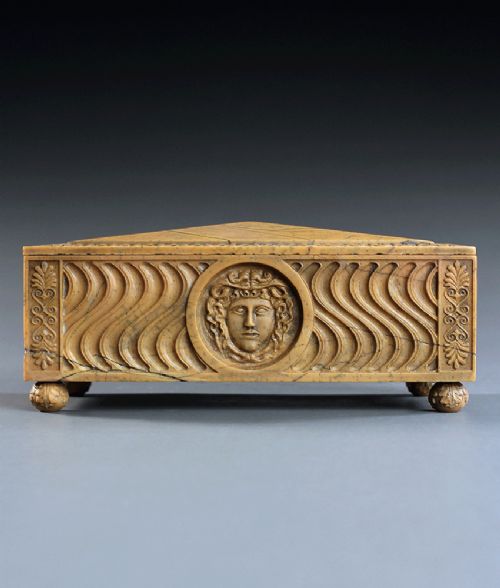
Originating from British centres like Tunbridge Wells, French workshops, and Italian tourist hubs, these objects carry specific topographical views, local materials, or commemorative inscriptions. They range from modest turned wood string holders to elaborate marble sarcophagus caskets.
Materials and construction
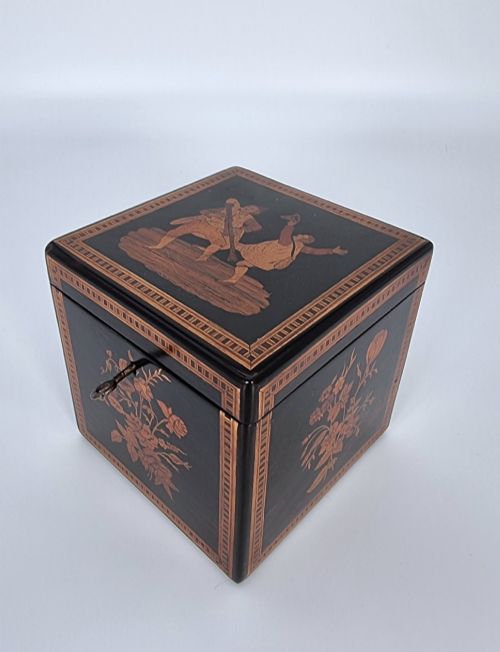
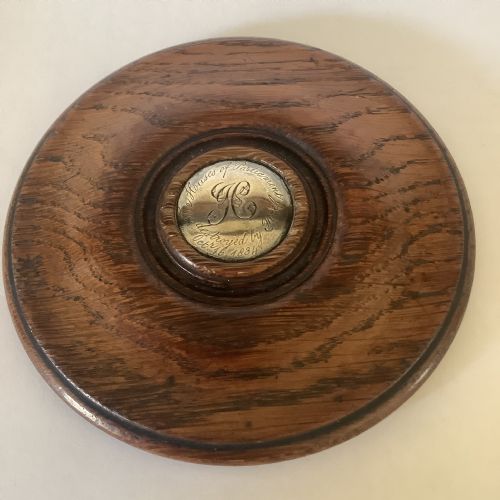
Maker workshops utilised natural materials suited to detailed surface decoration, combining local timbers such as sycamore, maple, and olive wood with precious metals, brass, and velvet linings. Tunbridge and Sorrento pieces rely on precise wood inlay, marquetry, and penwork to build geometric patterns and pictorial scenes.
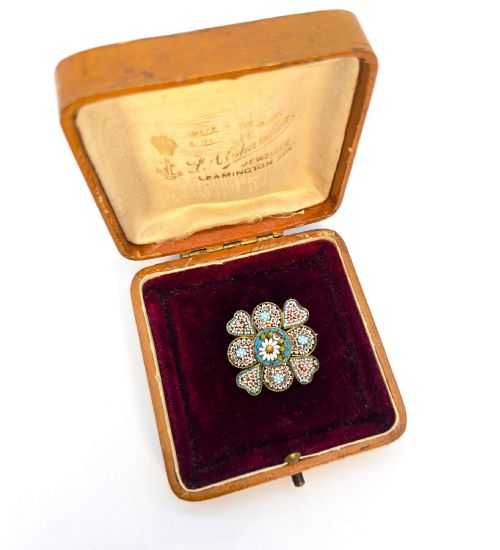
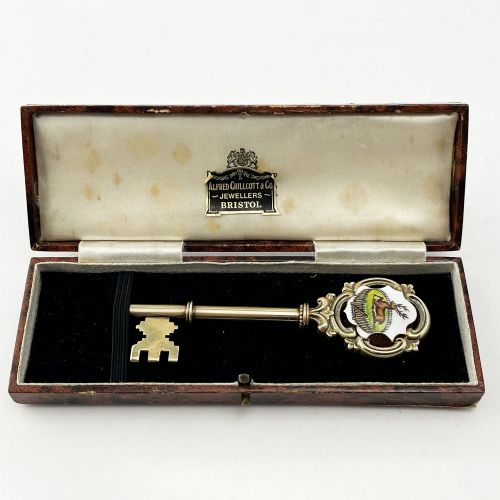
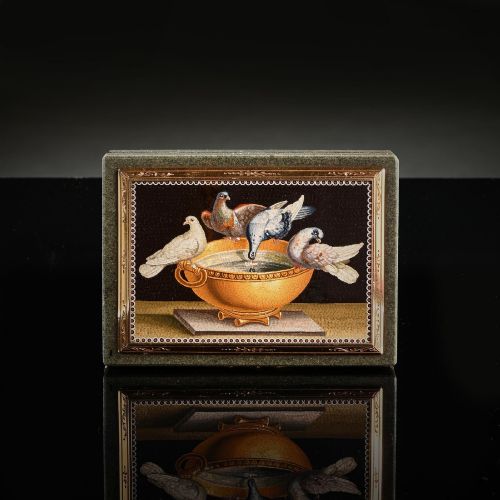
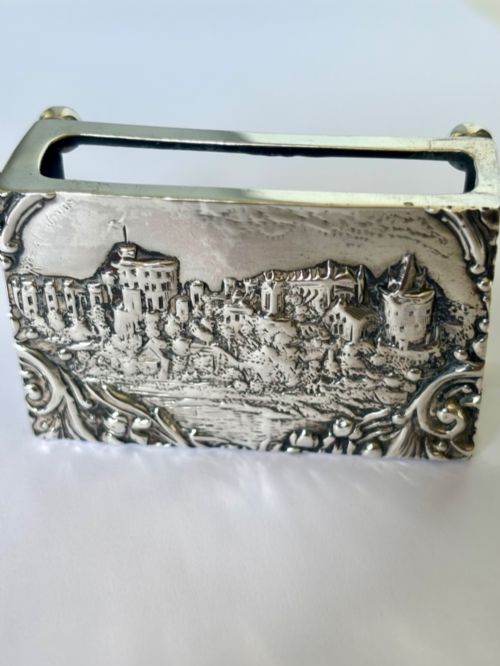
Hardstone and ceramic pieces employ specialised artisan techniques, including micro mosaic glass tesserae, pietra dura marble inlay, hand-painted enamel on copper, and carved lava cameos. Ormolu mounts, cast silver, and vermeil provide structural borders and hinges for delicate stone and glass bodies.
Antique Souvenir Box Retail Price Guide 2026
Typical asking prices for souvenir box among the pieces listed under this phrase on Sellingantiques today, from the lower quarter to the upper quarter. They describe what is for sale here now, not the wider market.
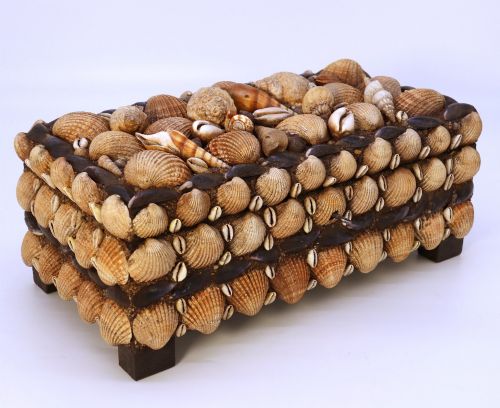
Listings span the eighteenth, nineteenth, and twentieth centuries, incorporating materials from natural woods and shells to sterling silver, enamel, and Siena marble.
Judging quality and execution
Quality rests upon the precision of the decorative surface and the integrity of the materials. Fine micro mosaics and pietra dura panels display microscopic tesserae density and seamless stone-to-stone fitting, whereas lesser examples show wider grout lines or simpler painted substitutes.
The complexity of the woodwork and the quality of the mounts dictate the standing of a piece. Tightly registered wood mosaics, crisp brass or ormolu casting, and intact hand-painted enamel details separate superior workshop production from standard tourist souvenirs.
Gioacchino Barberi·Pietro Bracci·Giovanni Liberotti·Frederic Boucheron
The Antique Souvenir Box Glossary
- Micro mosaic
- A picture or pattern assembled from tiny coloured glass rods, fused together and polished flat. This technique creates detailed miniature portraits and architectural views for Italian tourist pieces.
- Pietra dura
- An artistic technique using cut and fitted polished coloured stones to create pictorial designs. Artisans utilise marbles, jaspers, and semiprecious stones to depict flowers, landscapes, and buildings.
- Tunbridge Ware
- A type of British woodwork characterised by mosaic designs built from thousands of tiny wood blocks in natural colours. This method produces intricate geometric patterns and local views.
- Patch box
- A small box fitted with a mirror inside the lid, originally used to hold cosmetic fabric patches for the face. Georgian examples frequently feature enamelled lids inscribed with spa town names.
- Grand Tour
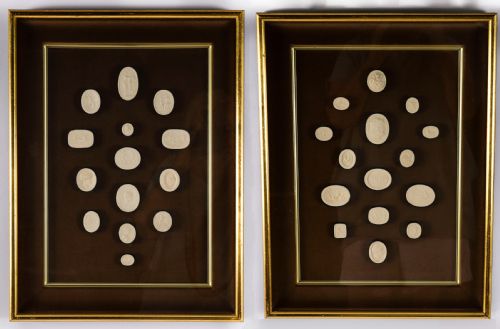
- A traditional trip of Europe undertaken by upper-class young men and tourists for education and pleasure. Travellers gathered intaglios, mosaics, and marble caskets as physical proof of their journeys.
Antique Souvenir Box: Frequently Asked Questions
What did people keep in a souvenir box?
Owners stored small personal items such as stamps, sewing pins, calling cards, and jewellery inside these containers. Many were dedicated to specific contents like patches, matches, or wax seals.
Travellers also used them to house fragile paper memorabilia and coins gathered along their routes, keeping portable treasures safe during transit home.
How do I date a pietra dura box?
Dating relies on examining the timber of the carcase, the style of the metal mounts, and the subject matter of the stone inlay. Nineteenth-century Italian pieces often feature black marble or ebonised wood bases.
Comparative analysis with dated Grand Tour records and known workshop signatures helps narrow the decade of manufacture, particularly for pieces tied to Florentine ateliers.
Are Tunbridge Ware boxes made of painted wood?
Tunbridge Ware pieces are not painted; the imagery is constructed entirely from natural woods of different tones. Craftsmen glued together thousands of tiny coloured wood prisms to form a mosaic block before slicing it thinly for veneer.
This painstaking method allowed makers to produce multiple identical pictorial panels of castles, flowers, and geometric bands without using a brush.
Where were Grand Tour souvenirs bought?
Tourists purchased these objects in major cultural centres such as Rome, Florence, Naples, and Sorrento during extended European travels. Local specialist artisans maintained shops catering specifically to foreign visitors.
Items were chosen to reflect classical antiquity, Italian art, and scenic views, acting as tangible proof of education and social standing upon the traveller's return.