


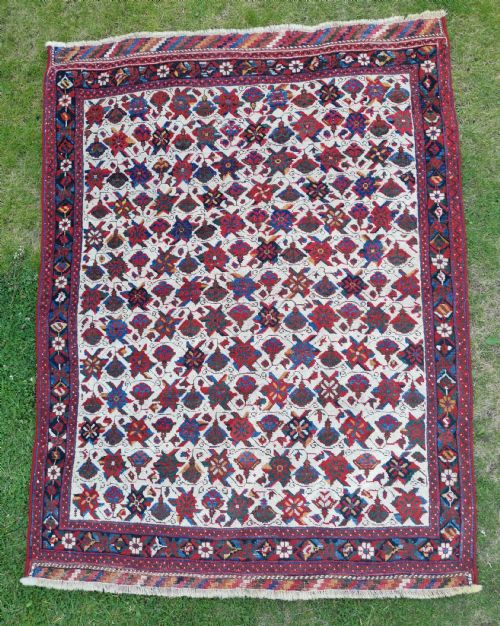
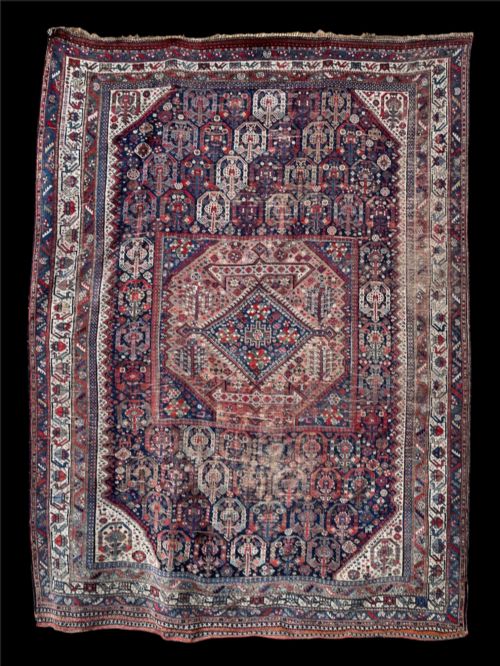
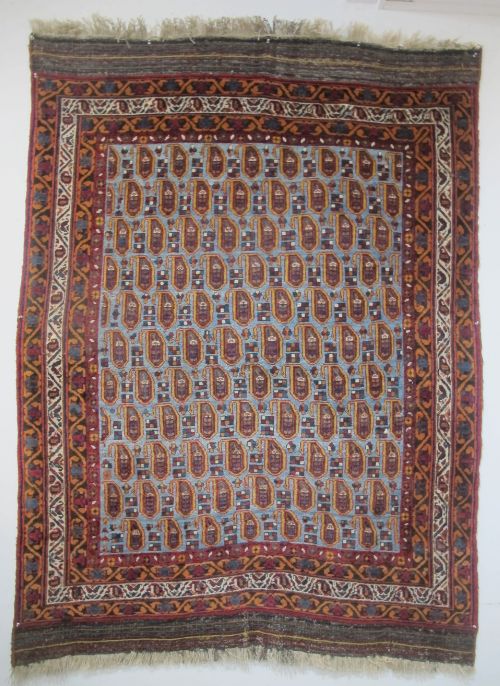
Antique South Persian Rug
An antique south persian rug brings the rich nomadic heritage of tribal weavers into a room through geometric patterns and deep wool pile.
Antique South Persian Rug
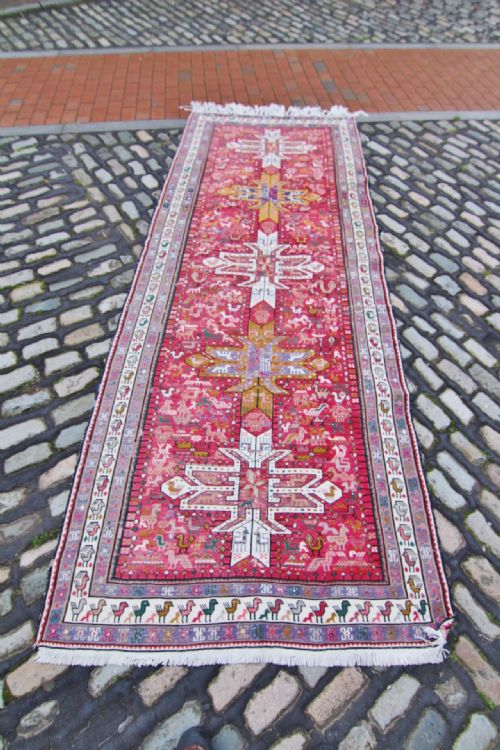
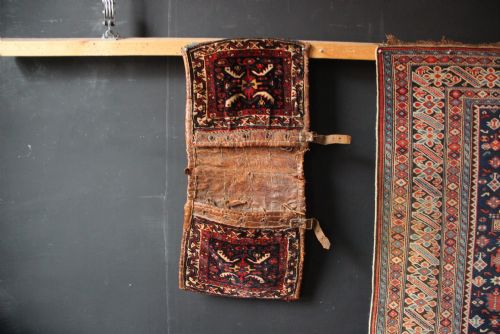
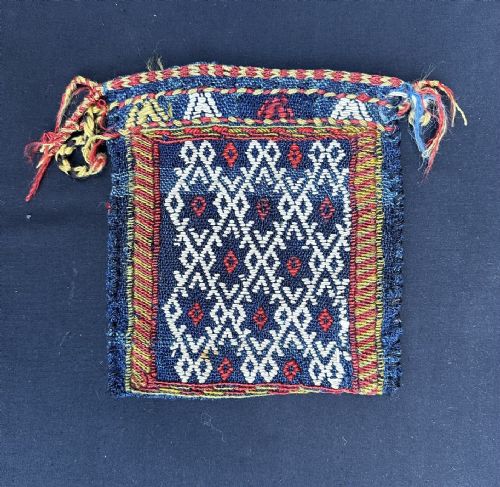
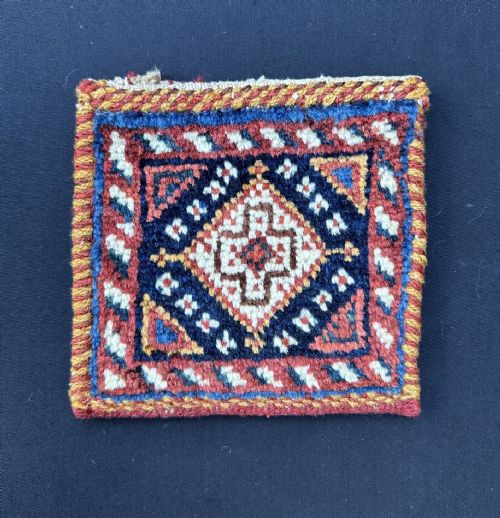
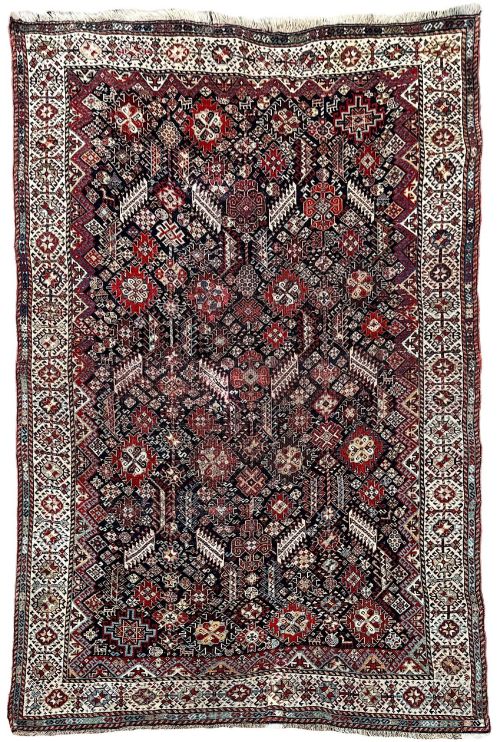
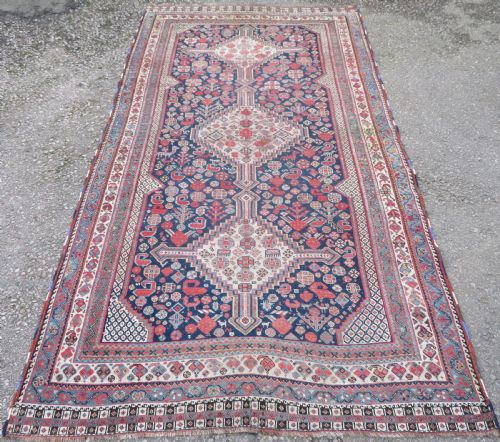
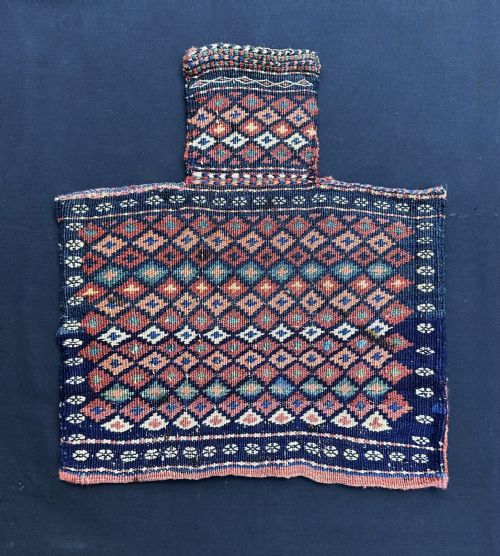
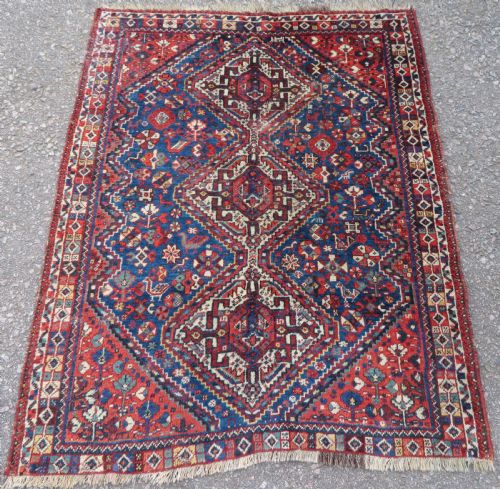
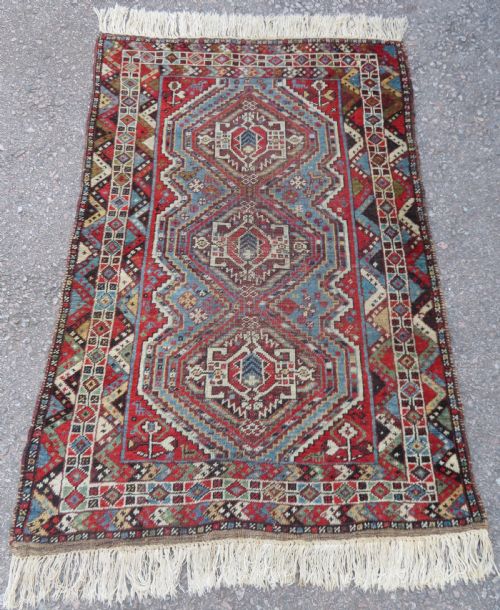
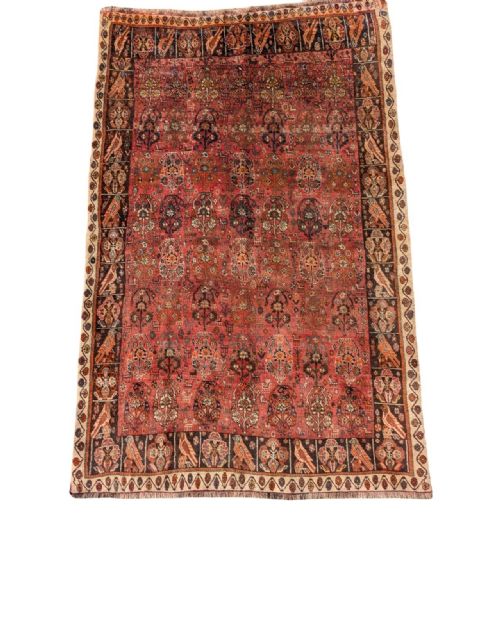
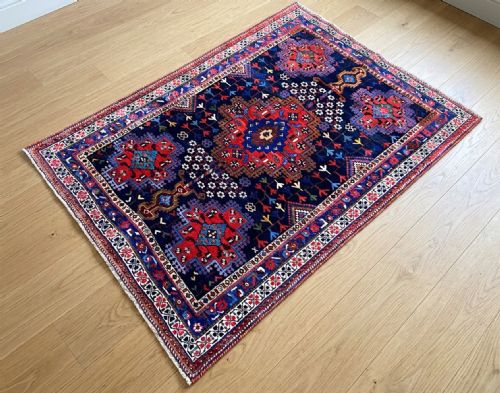
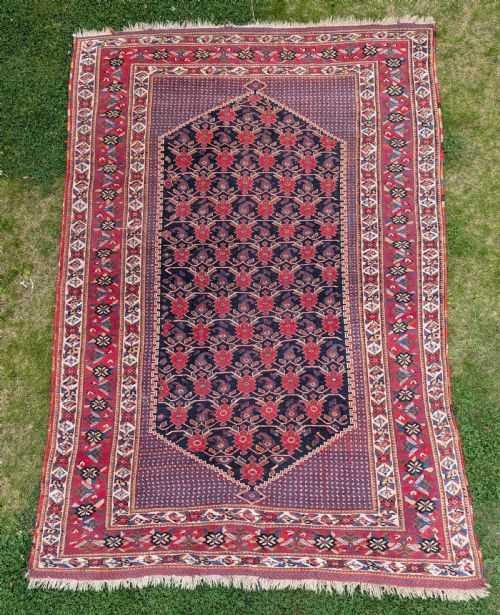
An antique south persian rug represents the hand-woven artistry of nomadic confederacies and tribal groups, including the Qashqai, Afshar, and Khamseh peoples. These floor coverings and textiles range from large area carpets to smaller utilitarian pieces such as salt bags, vanity bags, and kilims.
The pieces available here date primarily from the late nineteenth century into the early decades of the twentieth century. They originate from specific regional hubs and tribal territories across Fars and Kerman provinces.
Buyers will encounter various formats, from standard area rugs and main carpets to flat-woven kilims and tribal storage bags. Each form reflects the domestic life and pastoral traditions of the weavers who created them.
Materials and construction
Weavers constructed these textiles predominantly using hand-spun wool for the pile, combined with cotton foundations for structural support. Artisans also integrated organic natural dyes to achieve a rich palette of deep reds, indigos, and earth tones.
Nomadic makers utilised traditional upright and horizontal looms to hand-weave these floor coverings. Additional decorative elements occasionally incorporate leather, wood, and cowrie shells, particularly on functional tribal bags.
Antique South Persian Rug Retail Price Guide 2026
Typical asking prices for south persian rug among the pieces listed under this phrase on Sellingantiques today, from the lower quarter to the upper quarter. They describe what is for sale here now, not the wider market.
The listings span from 1870 to 1940, incorporating wool, cotton, leather, and natural dyes.
Factors of quality
Quality in these tribal textiles rests upon the density of the weave and the precision of the geometric or pictorial layout. Tighter knotting and finer wool preparation contribute to longevity and clarity of design.
The depth and vibrancy of the natural dye palette also dictate the desirability of a piece. Variations in wool quality and the preservation of original borders reflect the skill of the individual tribal weaver.
The Antique South Persian Rug Glossary
- Khamseh
- A confederacy of Arab and Persian-speaking tribes in south-west Persia celebrated for bold graphic carpets. Their work frequently employs dark wool and stylised bird or animal figures.
- Qashqai
- A prominent nomadic confederacy in the Fars province famous for finely knotted rugs and flat-woven kilims. They frequently utilise rich madder-red backgrounds and multi-medallion formats.
- Kilim
- A flat-woven textile produced without a pile by tightly interweaving warp and weft threads. These pieces serve as floor coverings, covers, and utilitarian wall hangings.
- Natural Dyes
- Organic colourants derived from plants, insects, and minerals used before the introduction of synthetic dyes. These materials produce complex, mellow patinas that age gracefully over decades.
Antique South Persian Rug: Frequently Asked Questions
How do I clean an antique rug?
Gentle surface brushing and professional specialist cleaning are essential for maintaining wool pile and natural dyes. Avoid harsh chemical treatments and excessive water exposure.
Regular light vacuuming without a rotating power brush helps remove embedded dust from the foundation.
Can these rugs handle heavy foot traffic?
Sturdily constructed wool pieces with dense knots withstand moderate living room or hallway use effectively. Placing a breathable underlay beneath the textile prevents slipping and reduces fibre friction.
Finer antique kilims and smaller tribal bags require more protected placement due to their delicate flat-woven structures.
How do I identify tribal designs?
Look for characteristic geometric motifs, hooked polygons, and repeating medallion structures unique to specific nomadic groups. Colour palettes rich in indigo and madder red often point toward distinct regional weaving traditions.
Edge finishes, side cordings, and end-webbing variations provide further clues to tribal origins.