




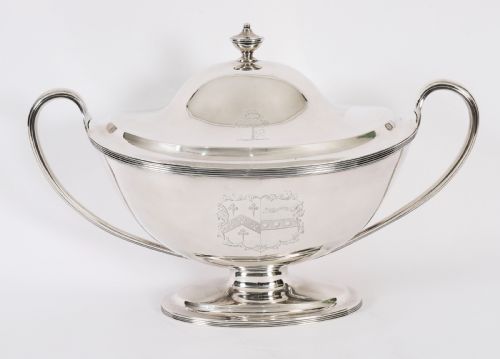
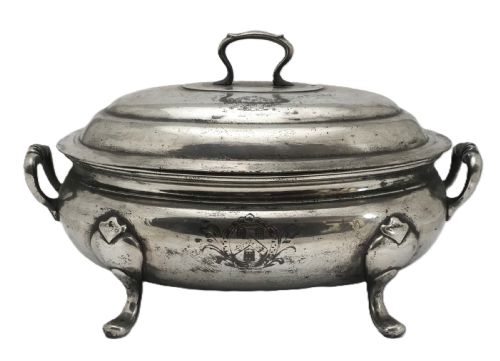


Antique Soup Tureen
An antique soup tureen is the centrepiece of the historic dining table, combining capacity with decorative ambition.

Identifying an antique soup tureen
An antique soup tureen is a large, covered serving vessel designed to hold and present broth or bouillon at formal meals. When you search for this phrase, you encounter vessels spanning the Georgian, Regency, and Victorian periods.
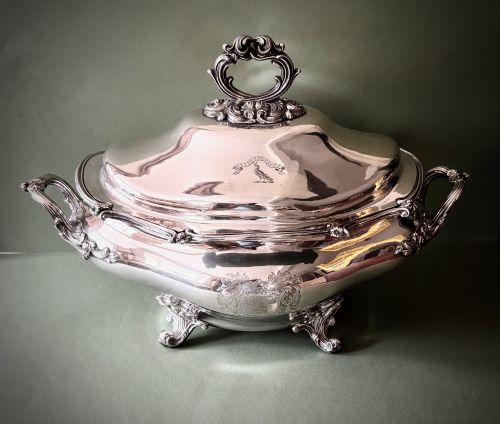
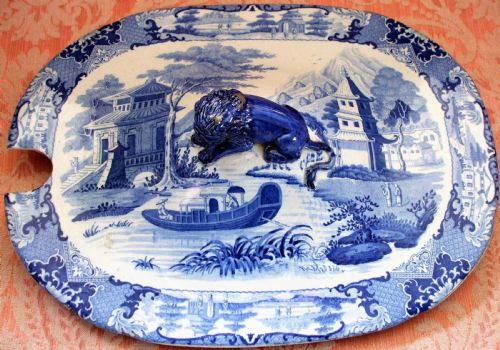
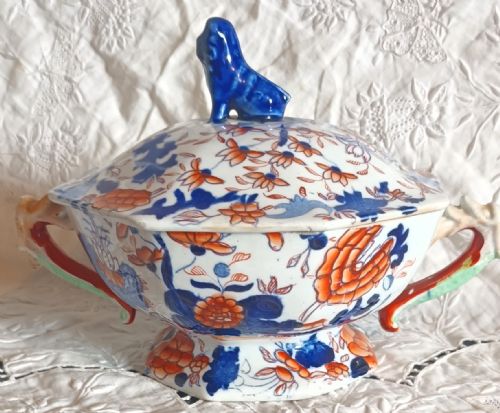
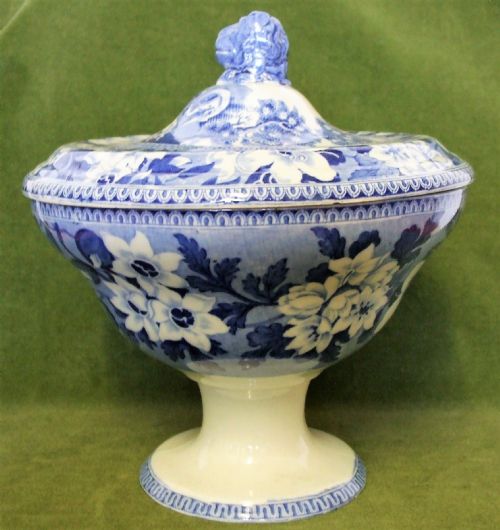
The pieces on this page appear in various ceramic bodies, earthenware, ironstone, and porcelain, alongside silver, silver plate, and pewter. Forms range from classical pedestal shapes to transfer-printed blue and white wares and novelty designs.
Materials and construction
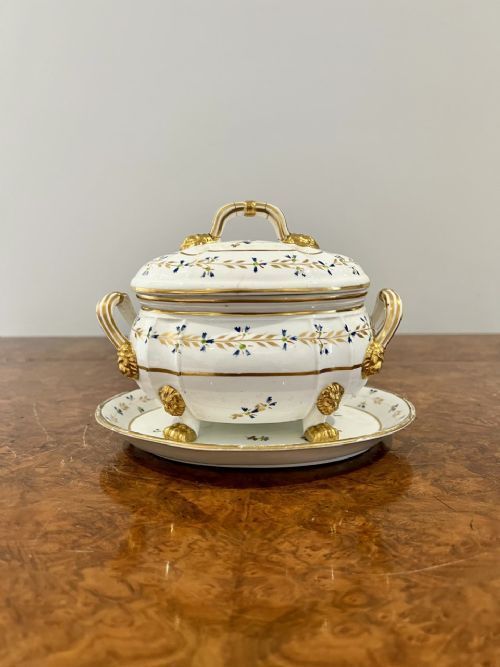
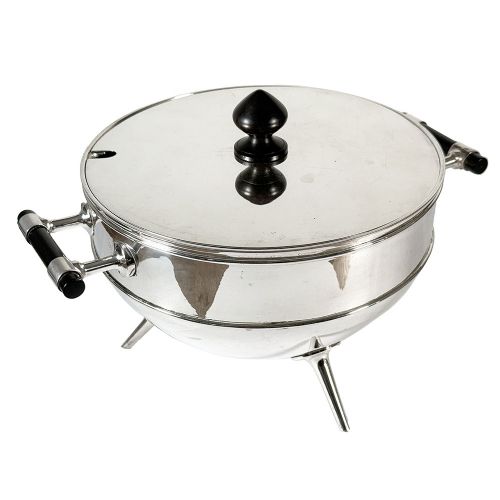
Pottery examples utilise earthenware, ceramic, and ironstone, shaped and fired before receiving hand-applied enamel colours, transfer-printed patterns, or rich gilding. Metal versions are formed from sterling silver, silver plate, or pewter, often incorporating cast figural mounts and applied handles.
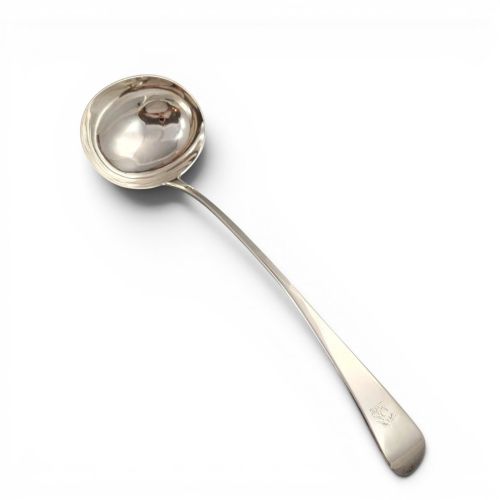
Lids and stands are manufactured to fit the body of the vessel precisely, accommodating ladles through dedicated cut-outs in the rim or lid depending on the design.
Retail Price Guide 2026
Typical UK retail prices for soup tureen, calculated from the Sellingantiques database of over a million retail prices indexed since 2003. This retail price guide relies exclusively on Sellingantiques data; no external sources or auction records are used, so the figures do not describe the wider market.
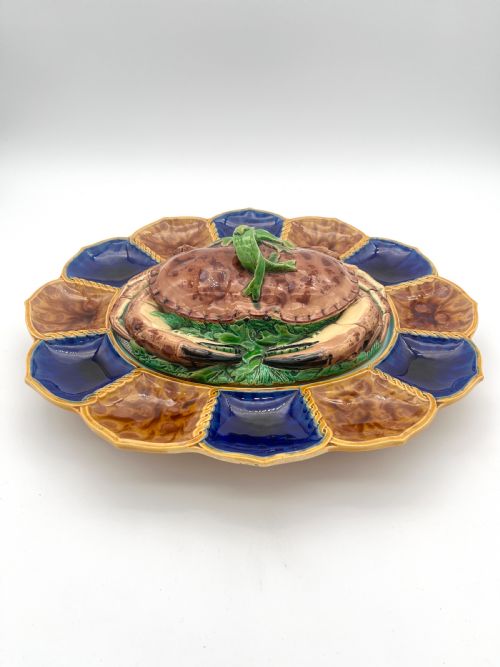
Some nineteenth century dining tables featured novelty soup tureens shaped like cabbages, ducks, or even coronation banquet services.
Distinguishing quality
Quality rests upon the crispness of the modelling, the depth of the glaze, and the precision of transfer-printing or hand-painted enamel details. Superior ironstone and porcelain pieces exhibit sharp relief moulding and unblemished surfaces, while metal tureens show fine detail in cast figural mounts and sturdy construction.
The presence of matching stands and original ladles elevates a piece, as does the clarity of maker marks and historical provenance.
Coalport or Coalbrookdale·Doulton Burslem·Mason's Ironstone·Copeland and Garrett·Mappin and Webb·William Hutton and Sons·Paul Storr·Joseph Rodgers·Thomas Alderson·Ralph Stevenson of Cobridge
The Antique Soup Tureen Glossary
- Ironstone Ceramic
- A durable type of heavy earthenware patented in the nineteenth century to rival porcelain. It provides a robust body for transfer-printed and enamelled decoration.
- Transfer Print
- A decorative technique where an engraved copper plate transfers a design onto paper and then onto the ceramic biscuit before glazing. Blue and white scenes are the most common application of this method.
- Gilding
- The application of gold leaf or gold dust suspended in a medium to the ceramic or metal surface. It highlights handles, rims, and finials.
- Figural Mounts
- Cast metal decorative elements shaped like human figures, animals, or natural forms, attached to the body or handles of metal tureens.
- Pedestal
- A raised foot or base supporting the bowl of the tureen, lifting the vessel above the surface of the dining table.
Frequently Asked Questions
What was a soup tureen used for?
An antique soup tureen served as the primary vessel for bringing broth or soup from the kitchen to the dining table. It allowed the host to ladle portions directly into individual bowls before guests.
Because they held hot liquid for long periods, these vessels were designed with secure lids and sturdy handles to facilitate safe carriage.
How do I date an antique soup tureen?
Dating relies on examining the material composition, maker marks stamped or printed on the base, and stylistic indicators such as transfer-print motifs. Regency pieces often feature neoclassical shapes, while Victorian examples embrace heavier ornamentation.
Comparing the potting style and glaze characteristics to documented factory outputs helps narrow the production decade.
Are antique tureens safe for serving food?
While many ceramic and metal tureens remain physically robust enough to hold food, antique glazes from certain periods can contain lead or other substances. Collectors generally treat them as decorative display objects rather than functional tableware.
Metal examples in silver plate or pewter require careful cleaning to preserve the historic surface rather than daily culinary use.
Why do some tureens include a stand?
Stands were manufactured to catch drips and protect polished dining tables from the heat transmitted through the ceramic or metal base. They also added visual weight and formal presence to the service.
Finding a tureen with its matching original stand is a notable indicator of completeness.