

Antique Solid Silver Salts
These antique solid silver salts bring functional elegance to the table, offering master craftsmanship and tactile weight that elevate any dining setting.
Antique Solid Silver Salts
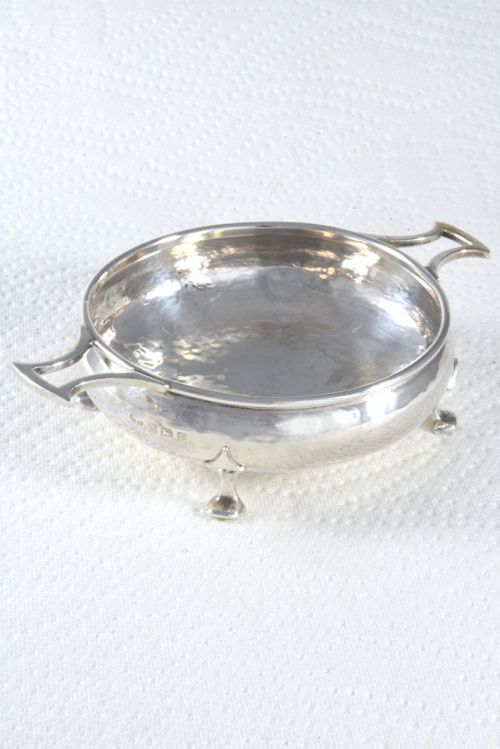
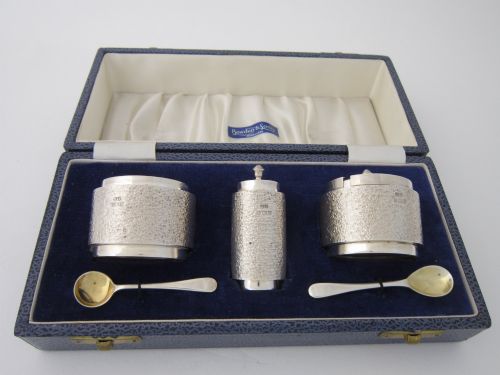
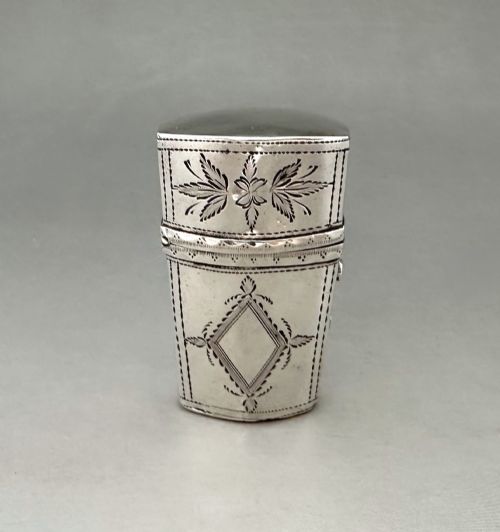
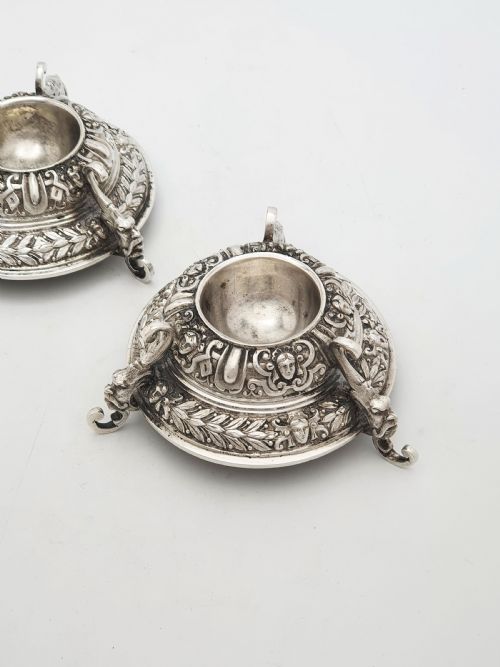
When searching for antique solid silver salts, collectors encounter an array of open salt cellars, pedestal salts, and matching condiment sets designed to hold table salt before the invention of free-flowing alternatives. The pieces met on this page range from early Georgian trencher salts to elaborate Victorian shell designs and later Edwardian cased sets.
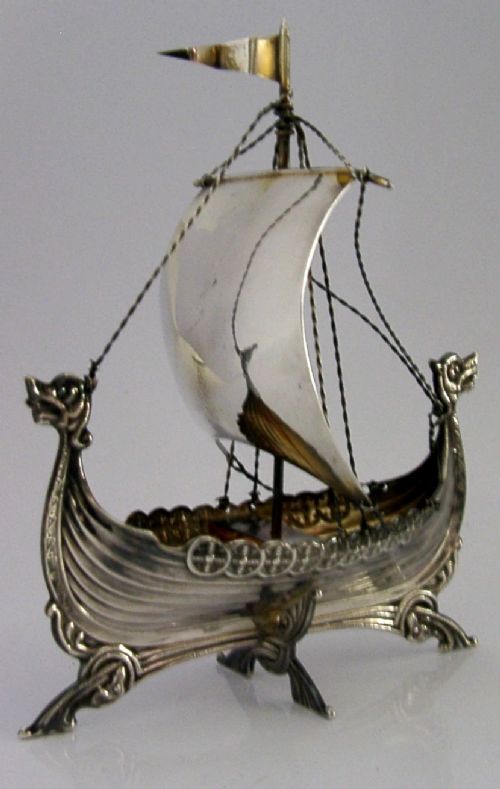
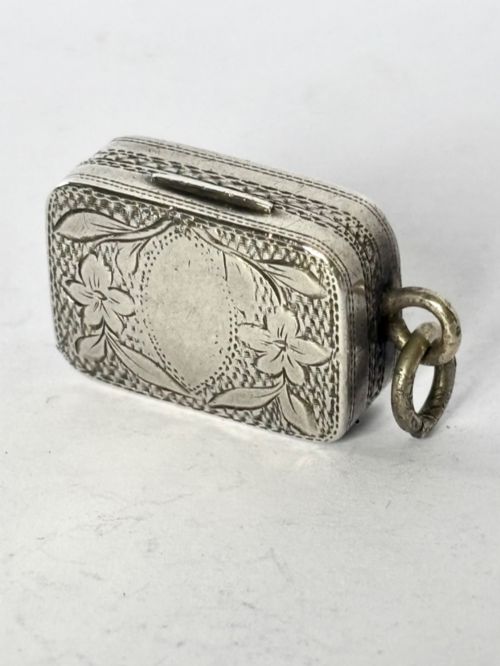
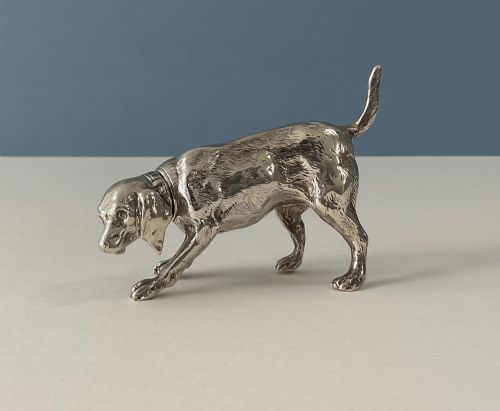
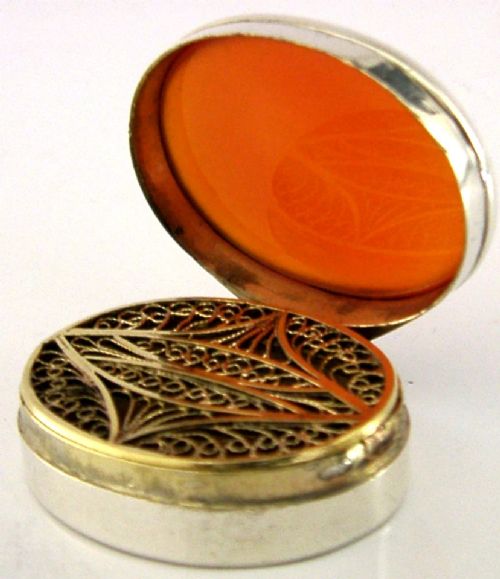
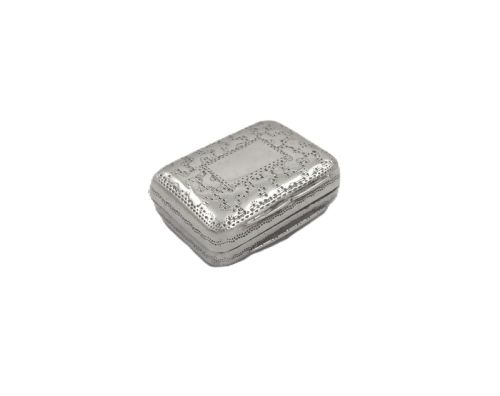
The selection encompasses diverse regional forms and stylistic revivals, including boat-shaped table salts paired with blue glass liners, novelty animal peppers, and vinaigrettes. Makers utilised sterling silver and silver gilt, frequently incorporating chased foliate patterns, naturalistic flower motifs, and rococo styling to decorate the silver surfaces.
Materials and Techniques
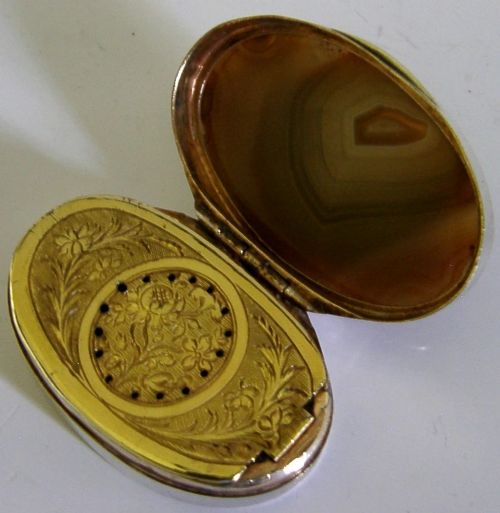
Silversmiths employed sterling silver and solid silver, occasionally applying gold gilt interiors or accents to protect the metal from corrosive salts and vinegar. Master artisans shaped these materials through casting, raising, and hammering techniques.
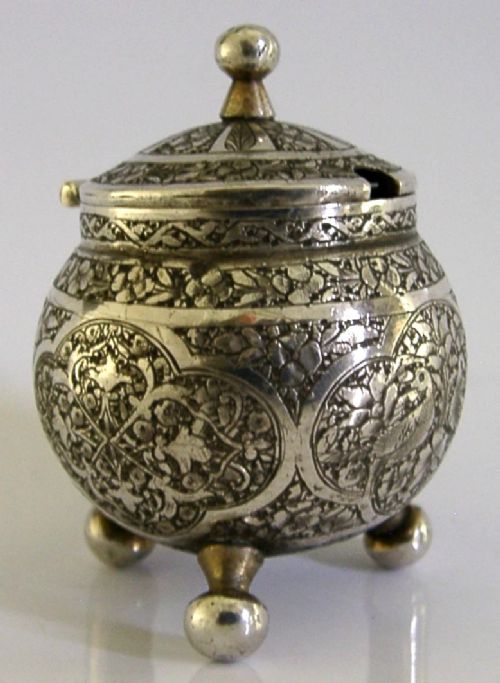
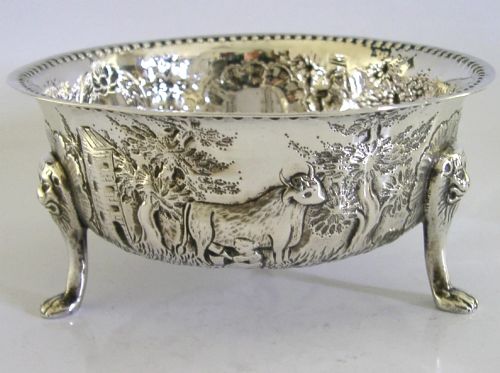
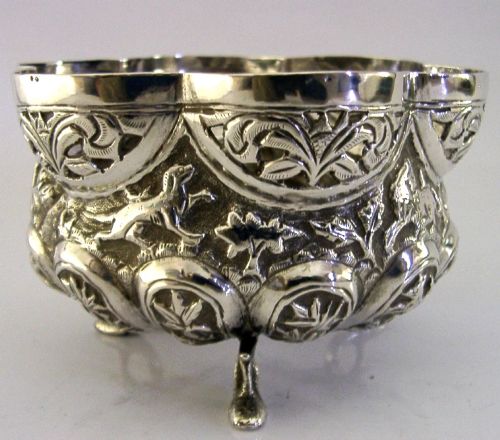
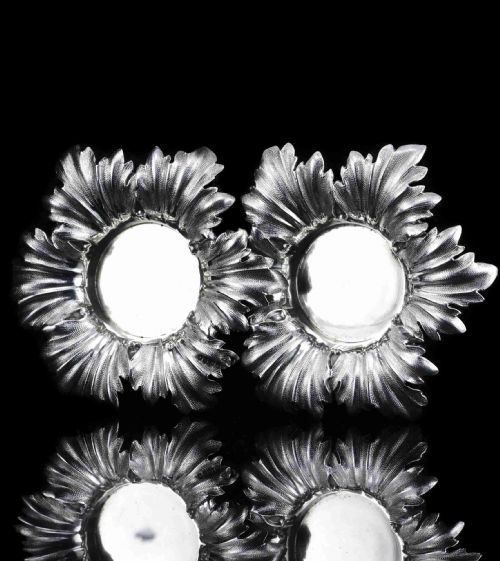
Decorative details relied heavily on hand chasing, repoussé, and piercing, creating intricate foliate chasing, basket weave textures, and naturalistic flower designs. Many open salt cellars also utilised fitted cobalt blue glass liners held securely within the pierced or solid silver frameworks.
Materials recorded across these tableware items include sterling silver, solid silver, gold gilt, blue glass liners, silk, velvet, and agate.
Evaluating the Range
The standard of execution in these pieces rests upon the crispness of the hand chasing, the structural integrity of the silver walls, and the retention of original components such as matching spoons and cobalt blue glass liners. Earlier Georgian examples often demonstrate heavier gauges of metal and precise silversmithing, while later Victorian and Edwardian items showcase elaborate figurative and novelty forms.
Distinctions in quality also arise from the provenance and maker attribution, where documented silversmiths and specialised workshops achieved superior relief work and balanced proportions. Complete cased sets matching original spoons command greater interest than assembled groups or missing elements.
Samuel Pemberton·David Hennell·John Bettridge·William Bateman·Edward Farrell·Thomas Johnson·Robert Hennell·Heath and Middleton
The Antique Solid Silver Salts Glossary
- Trencher salt
- A small, usually multi-sided salt cellar placed beside a diner at the table during the seventeenth and eighteenth centuries. These early forms sit directly on the dining surface without feet.
- Open salt
- A small bowl or dish designed to hold salt, accessed openly with a salt spoon rather than dispensed through shaker holes. They frequently feature fitted glass liners to protect the silver.
- Chasing
- A metalworking technique where the silversmith depresses the front surface with punches to form a raised design without removing metal. This method creates the detailed foliate patterns seen on Victorian pieces.
- Salt spoon
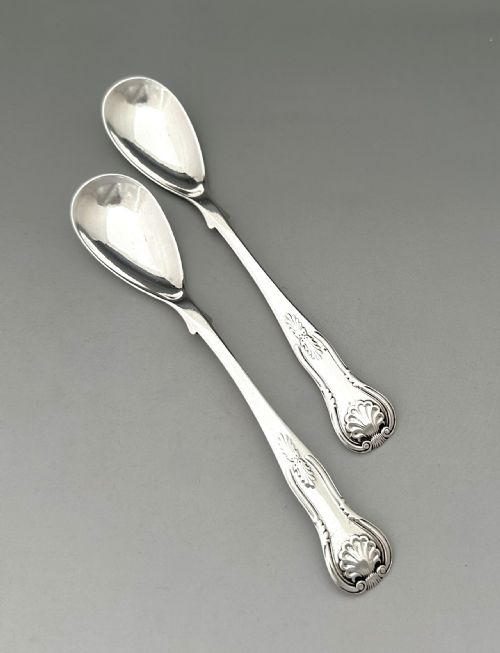
- A diminutive spoon specifically proportioned to serve salt from an open cellar. They are frequently found grouped inside fitted presentation cases alongside matching salts.
Antique Solid Silver Salts: Frequently Asked Questions
What is an open salt?
An open salt is a small vessel designed to hold salt on the dining table before shaker bottles became common. Diners used tiny spoons to sprinkle the salt onto their food.
These pieces required protective glass liners inside the silver framework to prevent the salt from corroding the metal over time.
How do I use them today?
Modern homes use open salts as individual table salt cellars, or repurpose them to hold small items like rings and pins on a dressing table. They also serve as decorative vessels in display cabinets.
Placing them on a dining table adds historical character and a tactile element to dinner parties.
How were salt cellars made?
Silversmiths shaped solid silver and sterling silver through casting, hammering, and raising techniques. They added decorative flair using hand chasing, piercing, and repoussé work.
Many examples feature gilt interiors to protect the silver from the corrosive properties of table salt.
What are glass liners for?
Glass liners act as a protective barrier between the corrosive salt and the silver body of the cellar. They dropped neatly inside pierced or solid silver bowls.
Finding a salt cellar with its original blue glass liner intact enhances the completeness of the piece.
How do I date these pieces?
Dating relies heavily on hallmarks stamped into the silver, which record the assay office, date letter, and maker's mark. Stylistic clues such as rococo curves or geometric Art Deco lines also point to specific eras.
Georgian pieces typically display heavier casting, while Victorian items often embrace naturalistic floral and animal motifs.