

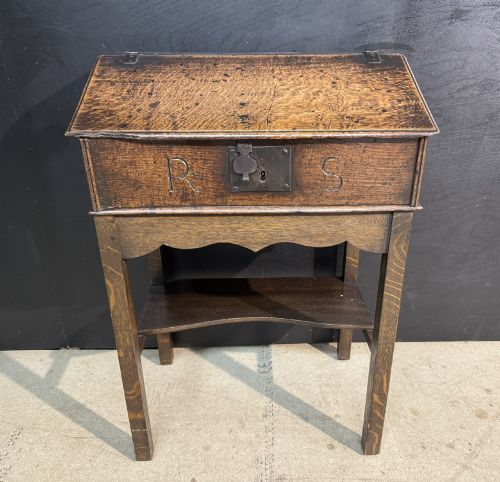
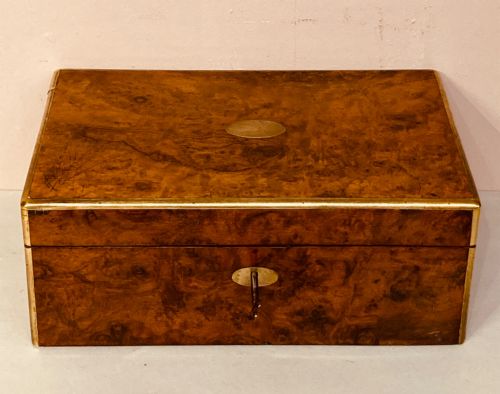
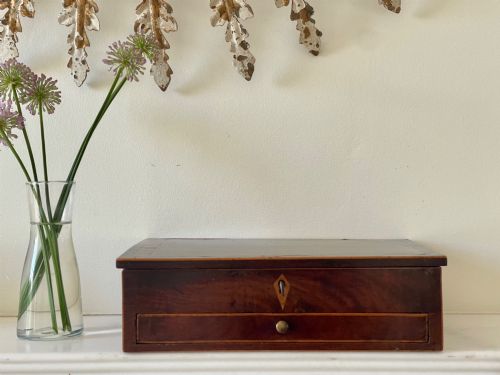
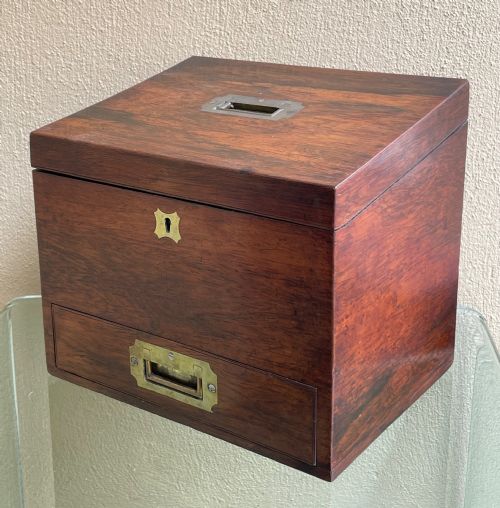
Antique Sloped Desk Box
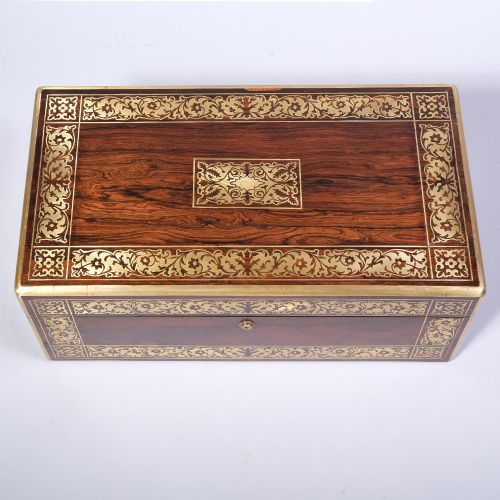
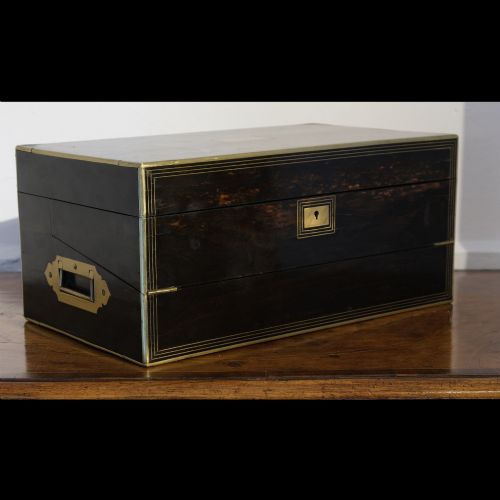
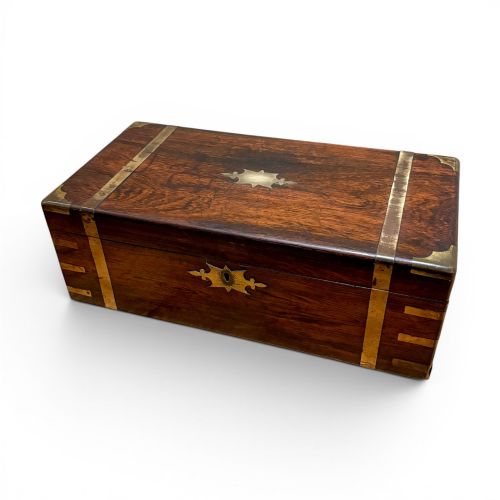
An antique sloped desk box offers portable practicality, housing correspondence essentials in timber fitted with brass.
Antique Sloped Desk Box
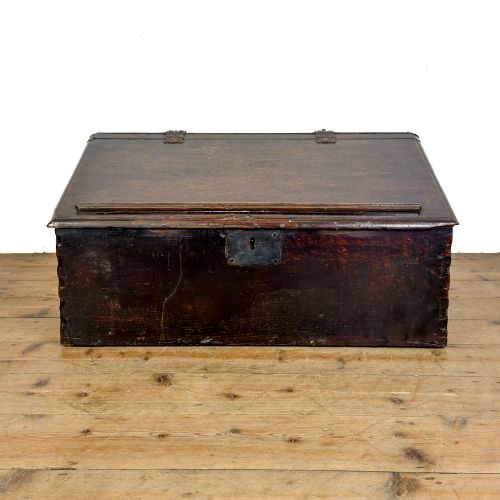
An antique sloped desk box provides a portable writing surface that lifts to reveal fitted compartments for paper, ink, and pens. Buyers searching for an antique sloped desk box encounter forms ranging from simple hinged-lid Bible boxes to elaborate campaign writing slopes designed for travel.
Common variations include stationery cabinets, correspondence boxes, and lap desks with secret compartments. Many incorporate brass binding or inlay, reflecting the utilitarian or decorative demands of their original owners.
Materials and construction methods
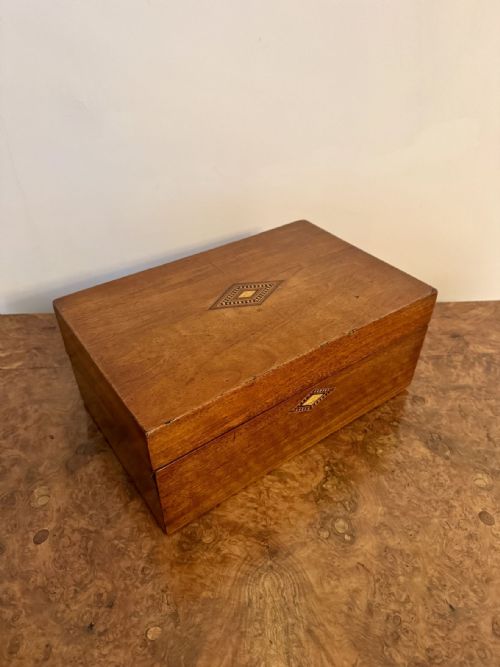
Cabinet makers utilised dense hardwoods such as mahogany, oak, walnut, and rosewood to withstand frequent travel and daily use. Timber selection often dictated the decorative approach, allowing craftsmen to showcase flame veneers, burr figures, or plain grain.
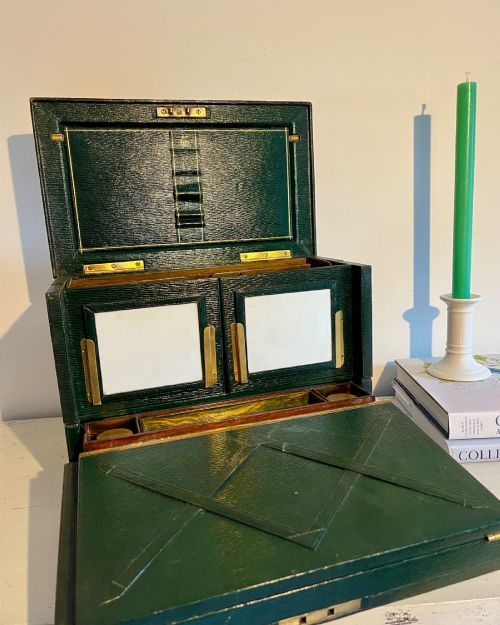
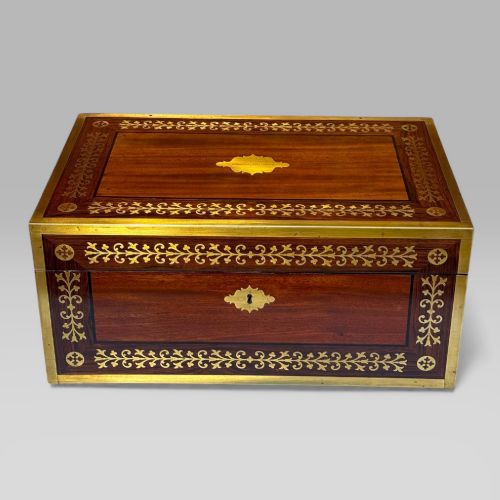
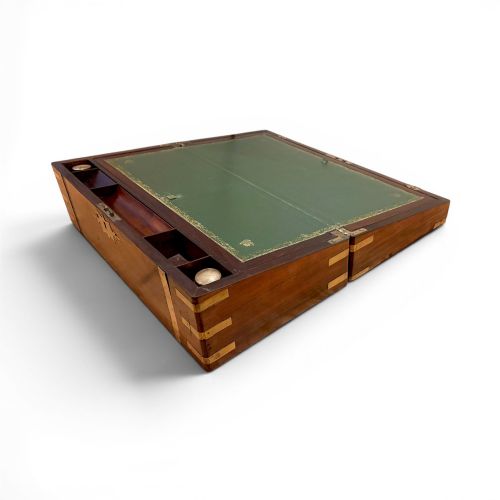
Brass corners, straps, and inlay reinforce the structural joints of campaign boxes while providing contrast against dark wood surfaces. Secondary details incorporate leather writing surfaces, velvet linings, mother of pearl, and bone.
Materials recorded across the selection include mahogany, oak, walnut, rosewood, camphor wood, brass, leather, and bone.
Assessing craftsmanship and finish
Superior examples display precise joinery, well-fitted internal compartments, and matching timber grains across the entire exterior. The integration of secret drawers, working locks with original keys, and crisp brass inlay distinguishes finer pieces from standard utilitarian boxes.
The quality of the internal fit-out, including pen trays, inkwell recesses, and hinged writing surfaces, determines the distinction between a simple storage container and a high-status desk box.
The Antique Sloped Desk Box Glossary
- Writing slope
- A portable box featuring an angled lid that opens to provide a slanted writing surface. These boxes typically contain internal compartments for stationery.
- Campaign style
- Furniture and accessories constructed for military travel. These pieces often incorporate flush brass handles, reinforced corners, and robust locking mechanisms.
- Bible box
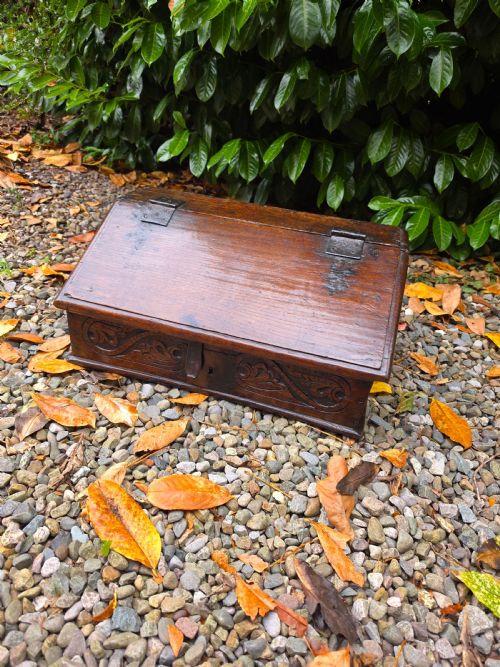
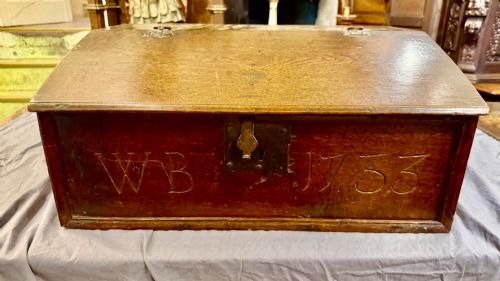
- An early form of wooden desk box with a sloping or flat hinged lid, historically used to store religious texts and household documents. They are frequently constructed from solid oak.
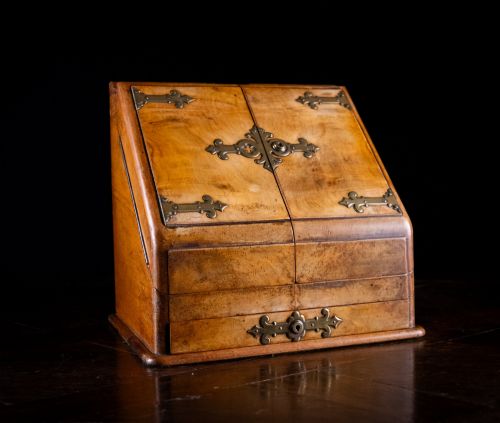
- Stationery cabinet
- An upright desk accessory designed to hold paper, envelopes, and writing implements in vertical slots rather than a flat box format.
- Tunbridge ware
- Small wooden decorative items ornamented with mosaic patterns created from tiny pieces of naturally coloured wood. This technique appears on specific Victorian boxes.
- Secret compartment
- Concealed drawers or hidden spaces built into the interior of a desk box to secure valuables.
Antique Sloped Desk Box: Frequently Asked Questions
What is an antique sloped desk box used for?
These boxes served as portable writing desks before the widespread availability of fixed furniture. Travellers, soldiers, and writers utilised them to store paper, ink, and correspondence securely.
Today, modern owners use them to organise stationery, store keepsakes, or display as decorative period objects on larger tables.
How do I identify a campaign writing slope?
Campaign styles feature robust construction designed for military transport on active service. Look for recessed brass carrying handles, reinforced brass corners, and flush hardware.
Many examples also include split bodies or folding internal mechanisms to maximise utility in restricted spaces.
What is the difference between a Bible box and a writing slope?
Bible boxes are generally earlier, heavier oak structures with simple internal spaces originally intended for texts and documents. Writing slopes emerged later with complex internal fittings specifically arranged for penmanship.
Slopes incorporate folding lids that create an inclined writing plane when opened.
How should I care for a wooden desk box?
Keep wooden boxes away from direct heat sources and fluctuating humidity to prevent timber warping and veneer splitting. Regular application of suitable wax maintains the finish of the wood.
Take care when operating older hinges and working locks, as antique mechanisms require gentle handling.