
Antique Slanted Bureau
An antique slanted bureau offers a fitted writing surface that folds down to conceal your papers, combining practical storage with classic craftsmanship.
Antique Slanted Bureau
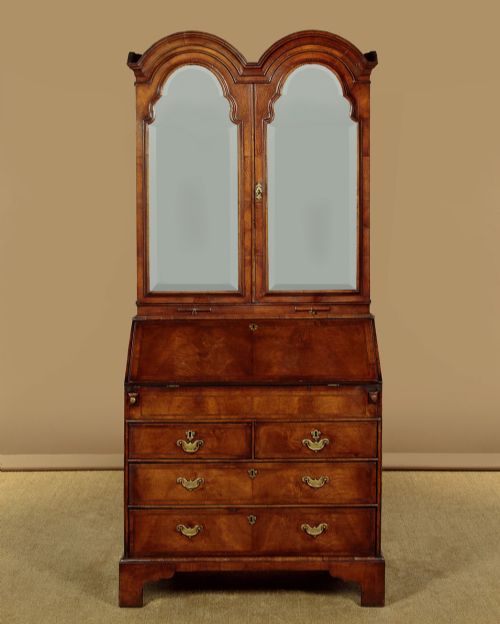
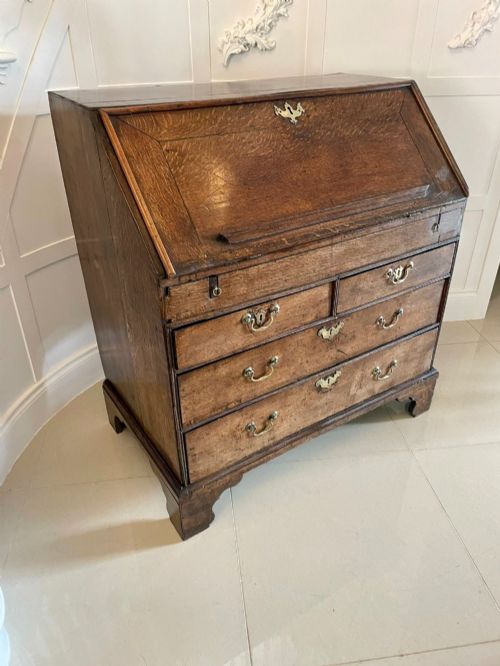
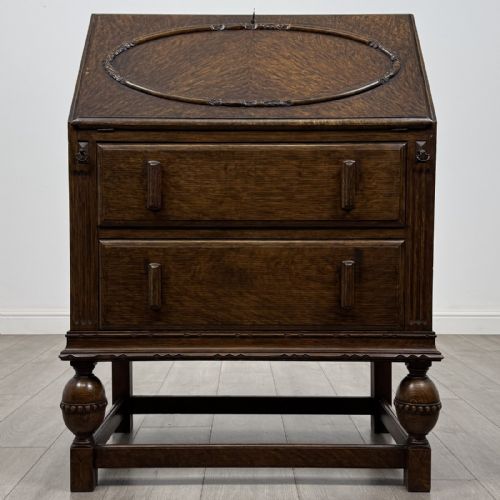
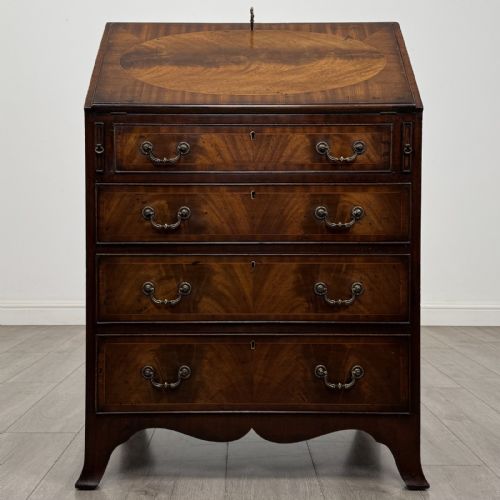
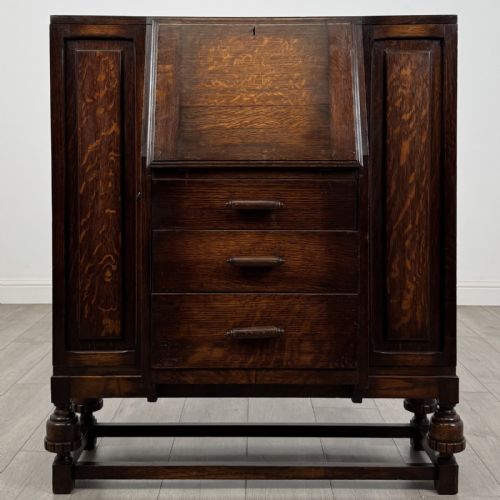
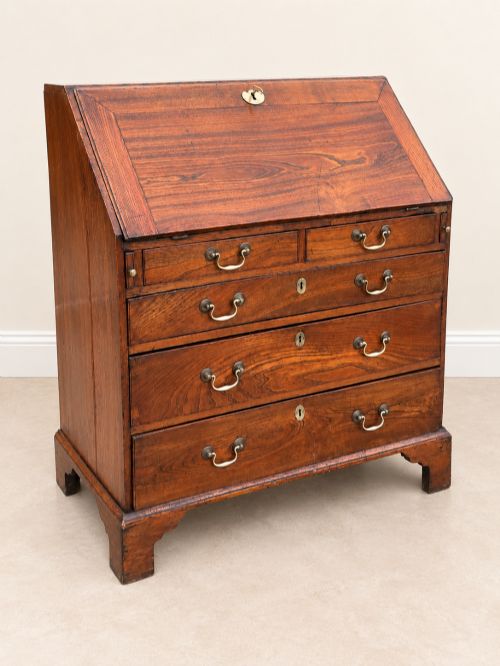
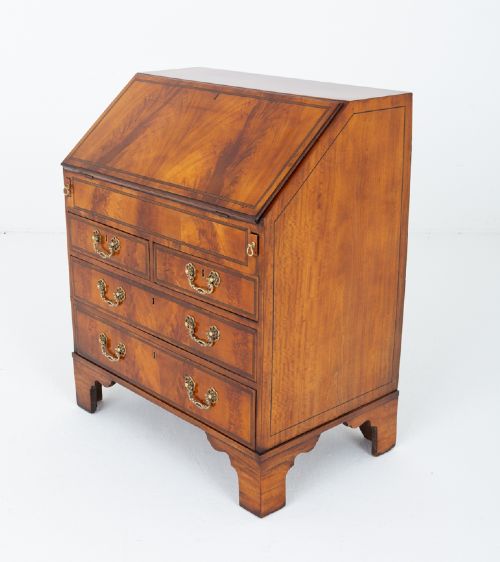
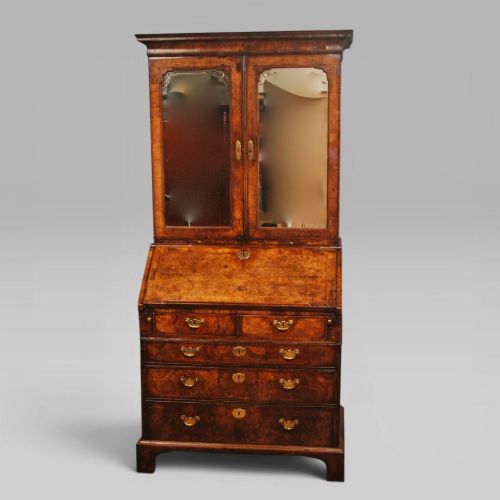
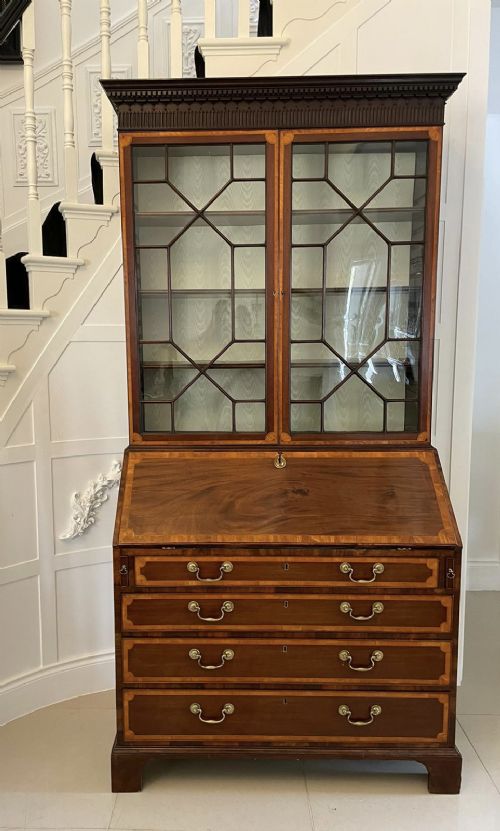
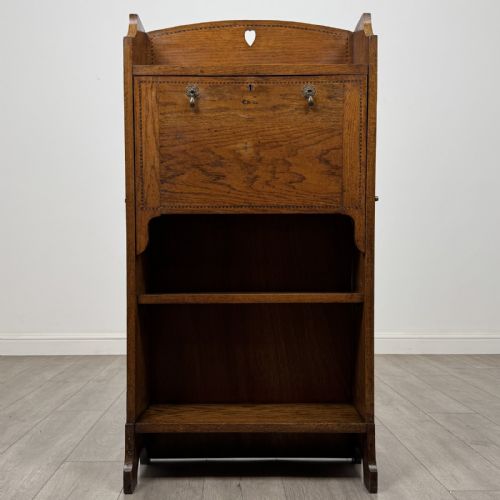
An antique slanted bureau provides a dedicated writing space with a hinged fall front that opens at an angle to reveal internal drawers and pigeonholes. You will encounter various formats on this page, ranging from compact oak examples to large walnut and mahogany bureau bookcases spanning multiple centuries.
The selection includes standard standing desks, pieces mounted on stands, and larger upper bookcases fitted with glazed doors. Construction dates stretch from seventeenth-century oak pieces through Georgian and Victorian iterations up to twentieth-century oak and yew variations.
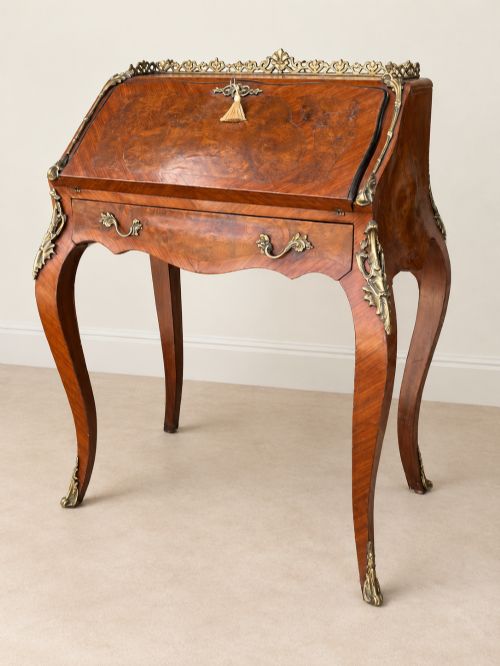
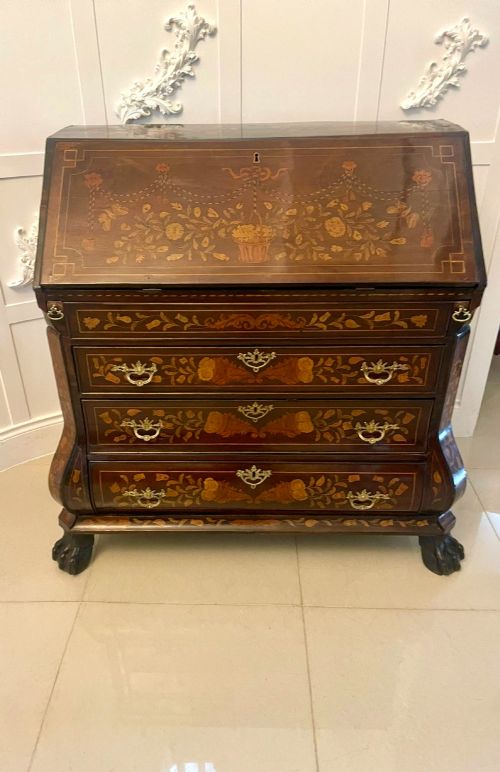
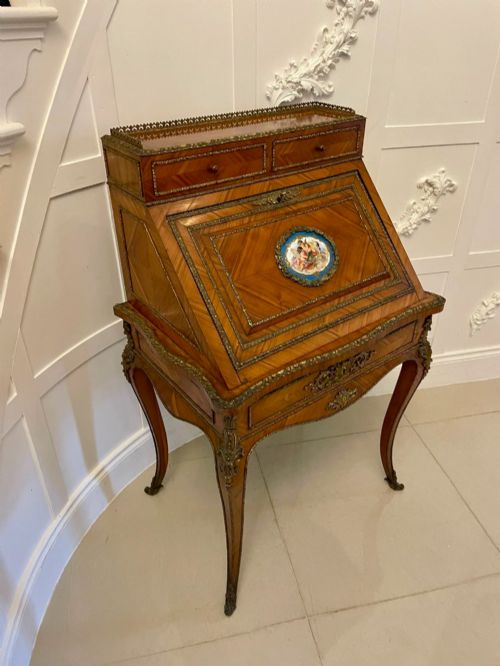
Regional and stylistic diversity shapes the options, with English Georgian designs sitting alongside French bureau de dame pieces, Dutch marquetry versions, and Edwardian iterations. Each form balances concealed storage compartment needs with external decorative presence.
Materials and construction
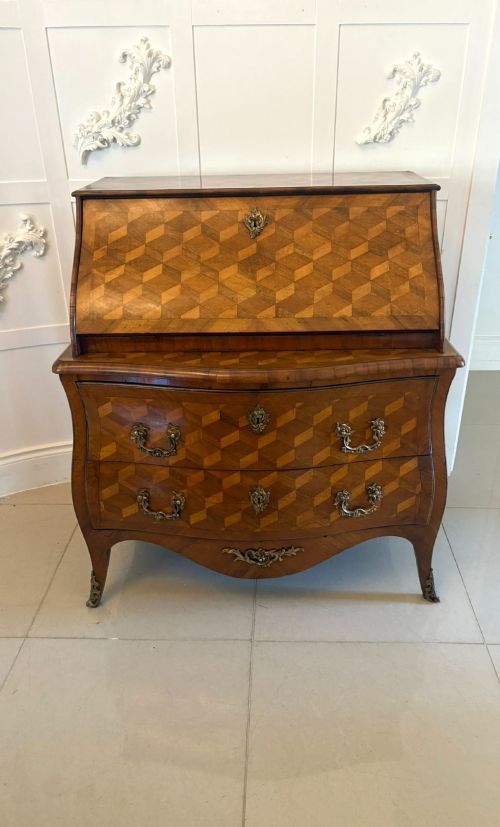
Cabinet makers built these pieces using solid timbers like oak, mahogany, and walnut, frequently applying fine veneers such as burr walnut, flame mahogany, and rosewood to visible exterior surfaces. Marquetry, parquetry, and herringbone inlay decorated finer examples, utilising contrasting woods and brass hardware.
Interior compartments required precise joinery to create stepped pigeonholes, small drawers, and secret compartments behind the sloping fall front. Structural integrity relied on dovetail joints for drawer construction and sturdy bracket or ogee feet to support the weight of the carcase.
Many antique bureaus contain hidden secret drawers concealed behind sliding pigeonhole partitions, designed to safeguard private letters and family treasures.
Judging quality and execution
Quality separates pieces through the selection of timber figures, such as highly figured mahogany or dense burr walnut, paired with meticulous floral marquetry or parquetry execution. Superior examples display refined interior layouts with well-proportioned stepped pigeonholes and finely dovetailed internal drawers rather than plain partitions.
The sophistication of the hardware and secondary woods further distinguishes finer works, alongside the crispness of carved details like linenfold panels or green man motifs. Original brasses, clean drawer linings, and balanced proportions elevate certain models above standard production pieces.
Gillows·Heals of London
The Antique Slanted Bureau Glossary
- Bureau
- A desk featuring a sloping hinged lid that drops down to form a writing surface and exposes interior compartments. It often includes several full-width drawers below.
- Bureau bookcase
- A combination furniture form featuring a writing bureau base topped with a glazed or panelled cabinet for storing and displaying books.
- Fall front
- The hinged sloping panel on a bureau that drops open to create the writing desk surface and closes to conceal the interior.
- Marquetry
- Decorative veneer work created by fitting pieces of various coloured woods, ivory, or shell into a wooden panel to form intricate patterns.
- Pigeonhole
- A small, open compartment within the bureau interior designed for sorting letters, papers, and correspondence.
Antique Slanted Bureau: Frequently Asked Questions
What is an antique slanted bureau?
An antique slanted bureau is a traditional writing desk featuring a hinged lid positioned at an angle. This lid opens downwards to create a flat writing surface.
Inside, the bureau reveals an arrangement of small drawers, pigeonholes, and sometimes secret compartments. Beneath the writing flap, standard chests typically provide several full-width drawers for storage.
How do I date an antique bureau?
Dating relies on examining the timber species, construction methods, and hardware styles used throughout the piece. Early examples often feature solid oak with plain interiors, while Georgian periods introduced rich mahogany and elaborate walnut veneers.
Secondary woods inside the drawers, handle styles, and foot designs also provide key chronological clues. Bracket feet, ogee feet, and bun feet each correspond to specific decorative eras.
Where should I place a bureau in my home?
A bureau works well in a living room, study, or bedroom where its dual function as a desk and cabinet provides practical utility. The enclosed writing surface allows you to conceal paperwork instantly when not in use.
Ensure adequate floor space is available in front of the unit for the fall front to open fully. Placing the piece away from direct sunlight protects delicate veneers and polished timber surfaces.
What is the difference between a bureau and a Davenport?
A standard bureau is a large piece of furniture featuring a sloping front and multiple full-width drawers below the writing area. It stands independently on the floor and offers substantial storage capacity.
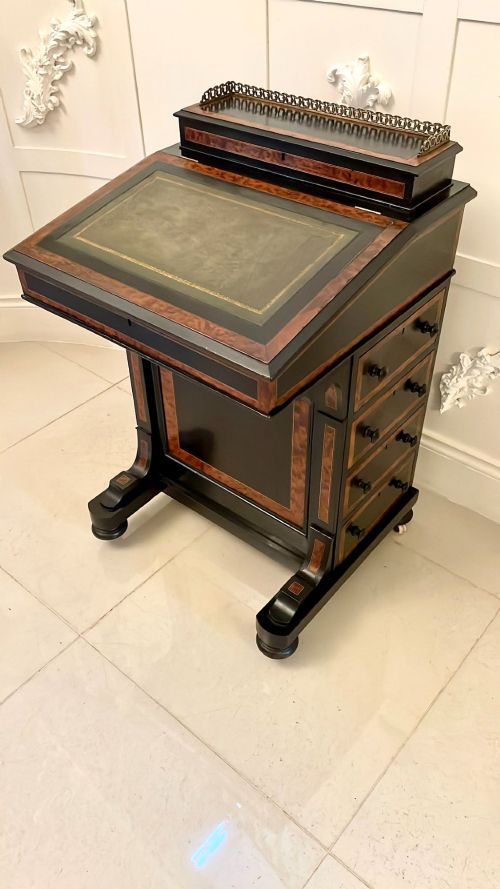
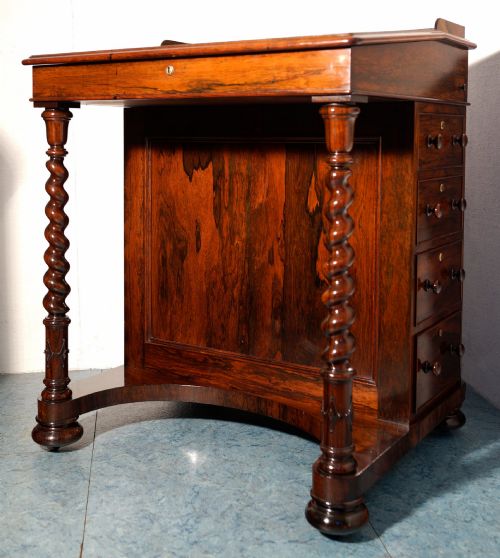
A Davenport is a compact Victorian desk variant featuring a slanted top that lifts or slopes over a pedestal of drawers. Davenports generally offer a smaller footprint with side drawers rather than front-facing chest drawers.