
Antique Slant Front Secretary
An antique slant front secretary offers a fitted writing surface hidden beneath a sloping lid, combining practical storage with classic period craftsmanship.
Antique Slant Front Secretary
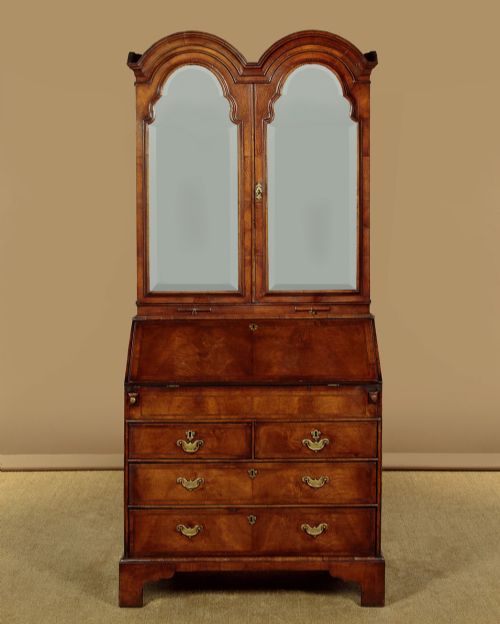
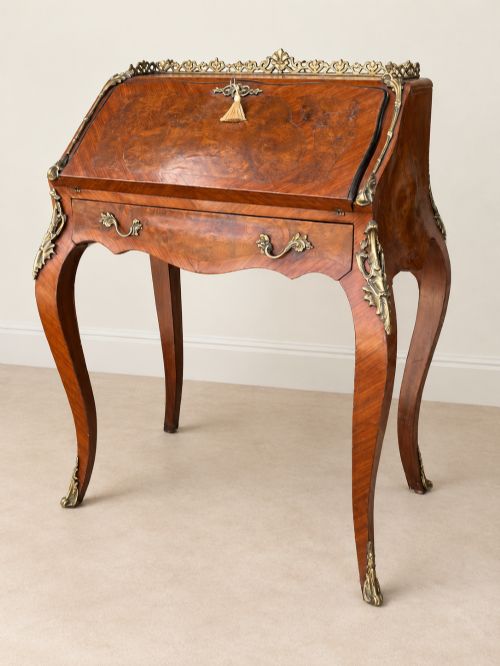
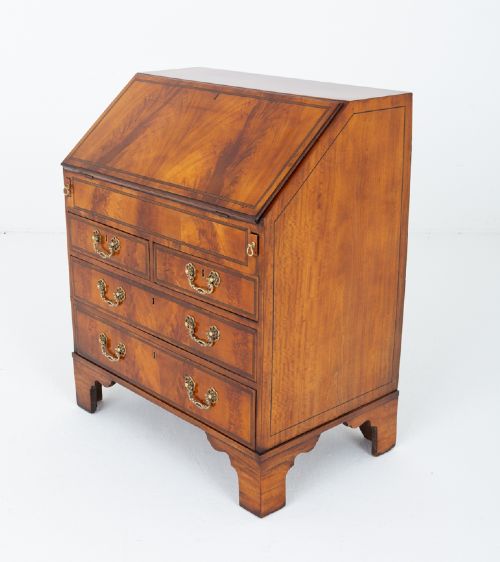
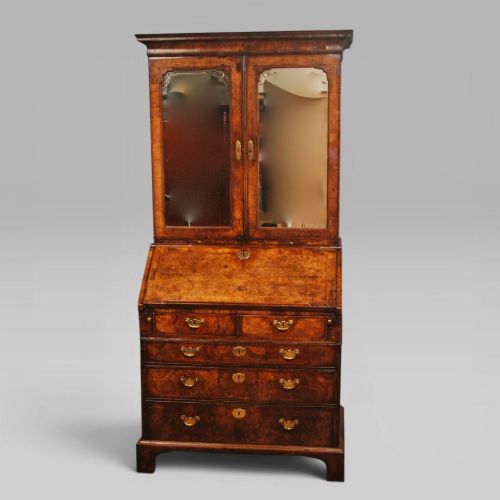
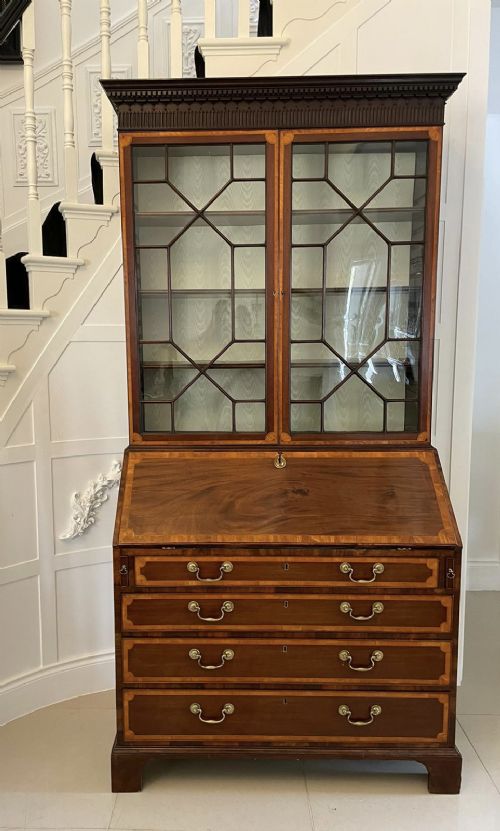
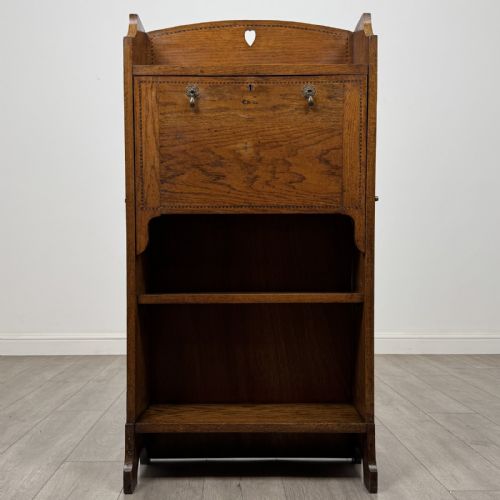
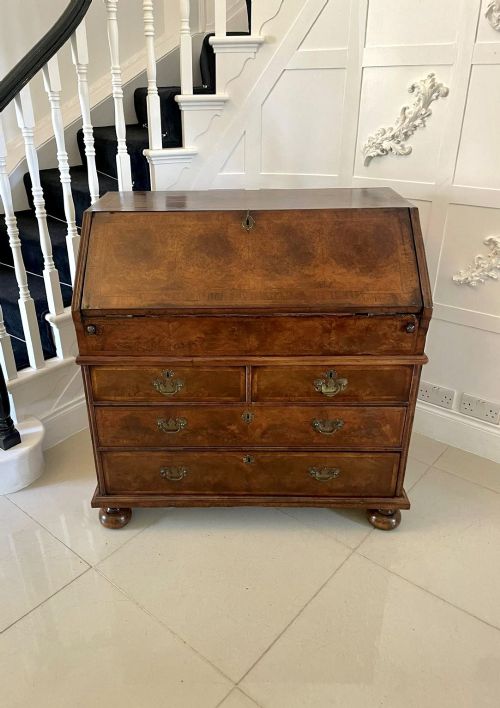
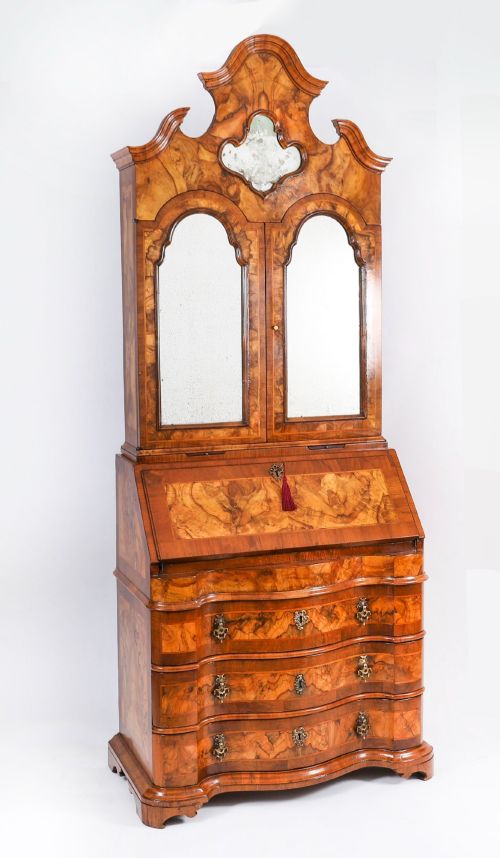
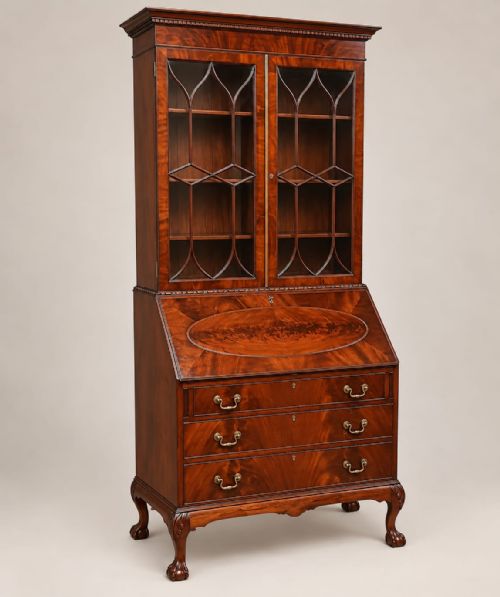
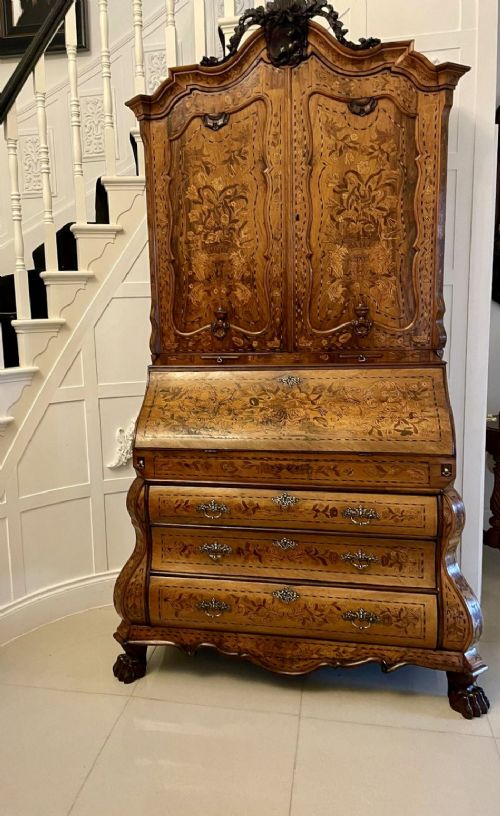
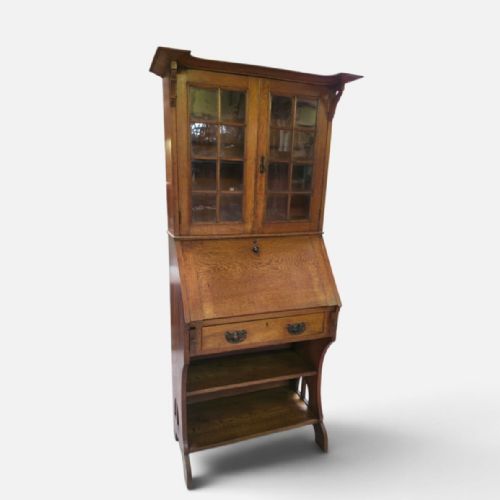
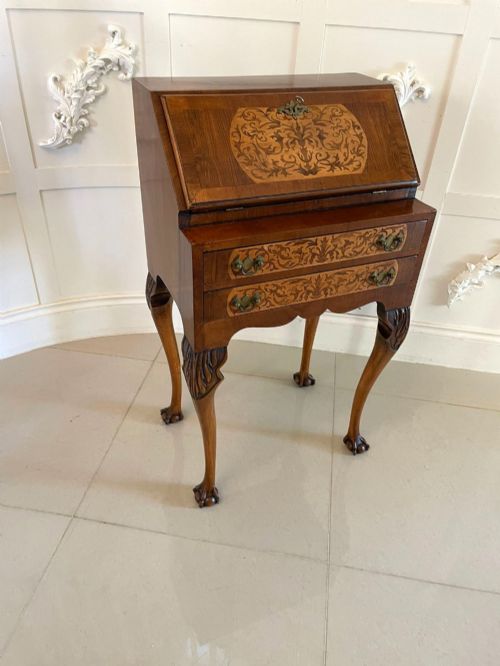
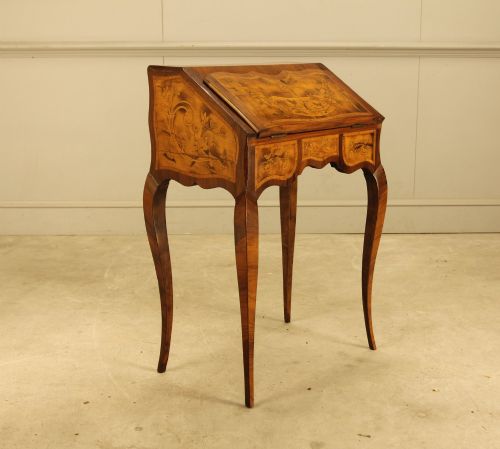
An antique slant front secretary serves as a versatile piece of writing furniture, housing internal compartments behind a hinged flap that pulls down for correspondence. These items appear in various regional forms, including tall bureau bookcases with glazed upper cabinets and compact desks designed for smaller rooms.
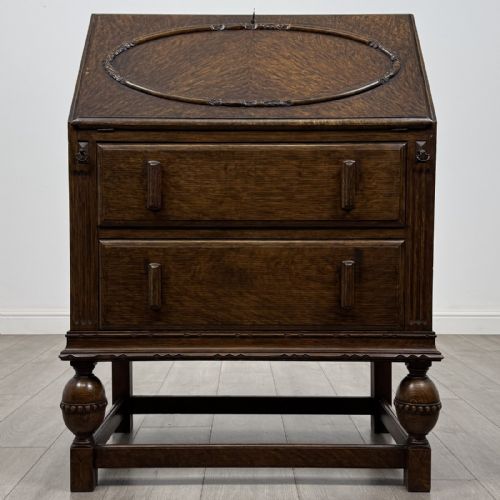
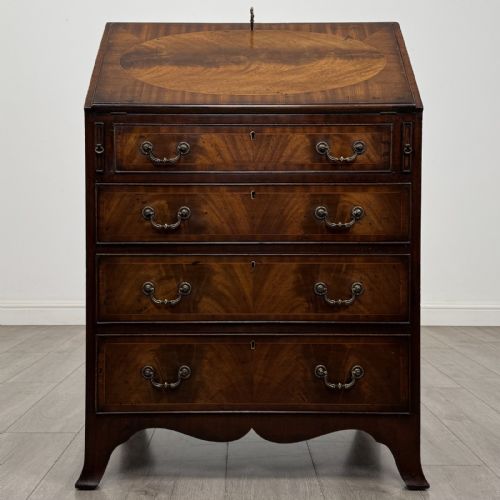
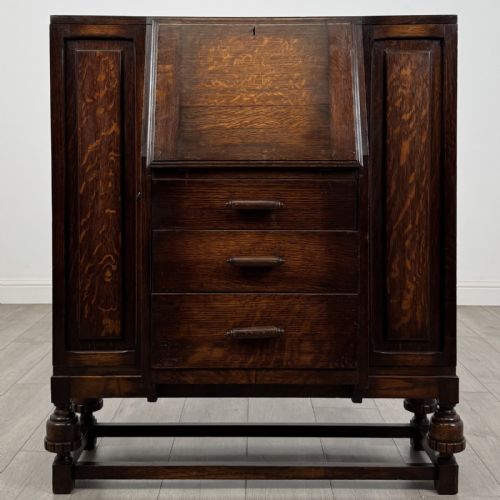
The selection ranges from early eighteenth century walnut examples to later Edwardian oak editions and Arts and Crafts creations. Buyers encounter pieces styled in the Georgian, Queen Anne, and Jacobean Revival traditions, constructed predominantly in mahogany, oak, and walnut.
Materials and construction methods
Cabinet makers utilised dense hardwoods such as mahogany, oak, and walnut, often applying burr walnut or figured veneers to exterior surfaces. Brass hardware, including drop handles and escutcheons, secures the drawers and fall front panels.
Internal components incorporate pigeonholes and small drawers arranged in stepped tiers around a central cupboard. Exterior decoration relies on carved linenfold panels, floral marquetry, and parquetry inlay rather than applied ornamentation.
Listings include pieces spanning from the 17th century through the Georgian and Edwardian eras up to the 1930s.
Distinctions in quality
Superior examples display careful matching of wood grain across the fall front and drawer faces, particularly with figured mahogany and burr walnut. The interior layout indicates standard, offering secret compartments, stepped pigeonholes, and fitted leather writing surfaces.
Construction details such as dovetailed drawer joints and original brass fittings separate finer cabinet work from utilitarian pieces. The proportion of the bracket or plinth feet relative to the main body determines the visual balance of the furniture.
Heals of London·ARTHUR BASIL REYNOLDS·Larkin
The Antique Slant Front Secretary Glossary
- Slant front
- The sloping hinged board that pulls down to form a horizontal writing surface. This panel conceals the pigeonholes and small drawers of the interior.
- Bureau bookcase
- A writing bureau surmounted by a glazed cabinet for books. These tall pieces combine two distinct storage functions into one unit.
- Marquetry
- Decorative patterns formed by the insertion of pieces of wood into a veneer. Craftsmen use various tinted woods to create floral designs.
- Bracket feet
- Small supporting feet shaped like architectural brackets, commonly found on eighteenth century case furniture. They lift the main body slightly off the floor.
- Linenfold
- A style of wood carving that imitates folded linen fabric. This motif appears frequently on Edwardian and revival oak panels.
Antique Slant Front Secretary: Frequently Asked Questions
What is a slant front secretary?
A slant front secretary is a desk featuring a sloping lid that drops down to create a writing surface. It typically encloses a series of small drawers and pigeonholes.
Such furniture provides enclosed storage for writing materials while keeping the desk surface tidy when closed.
How do I date an old bureau?
Dating relies on timber selection, hardware style, and construction methods like dovetailing. Earlier pieces often feature oak linings and walnut veneers, while Edwardian items utilise golden oak or yew.
Design motifs such as bracket feet or linenfold carving also point toward specific periods like the Georgian era or the early twentieth century.
What woods were used?
Cabinet makers predominantly worked with mahogany, oak, and walnut. Figured mahogany and burr walnut were selected for decorative exterior surfaces.
Secondary woods like fruitwood and oak appear in drawer linings and internal dividers.
How were they used historically?
These desks served as private spaces for letter writing, record keeping, and storing documents. The internal compartments kept ink, paper, and ledgers organised.
Upper bookcase sections stored libraries and displayed valued volumes behind glass doors.