

Antique Silvered Clock
An antique silvered clock brings metallic sheen and precise mechanics into a room, spanning forms from miniature travel pieces to grand bracket clocks.
Antique Silvered Clock
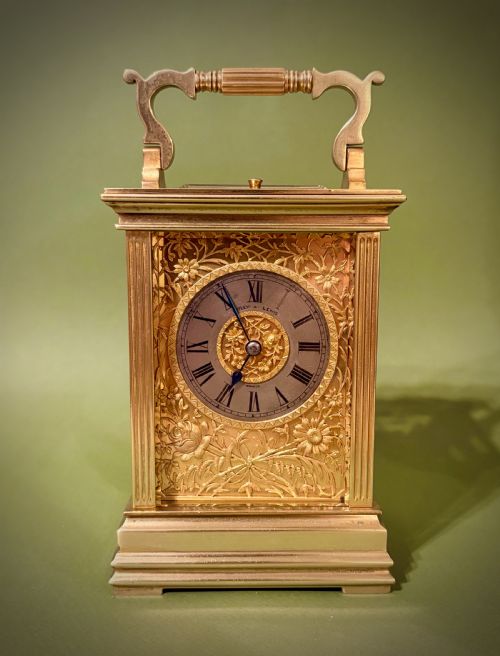
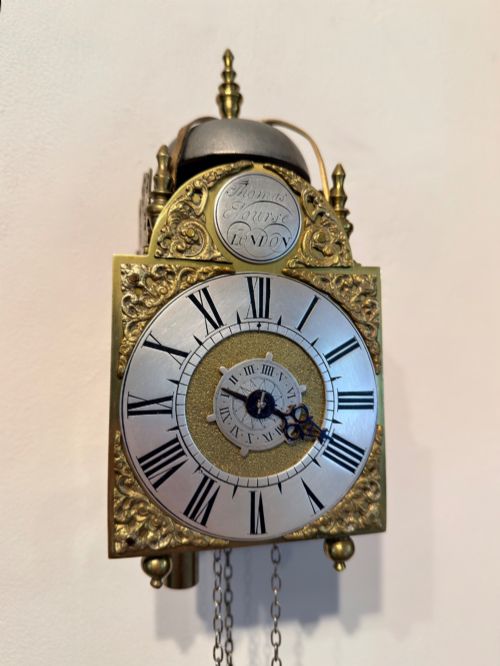
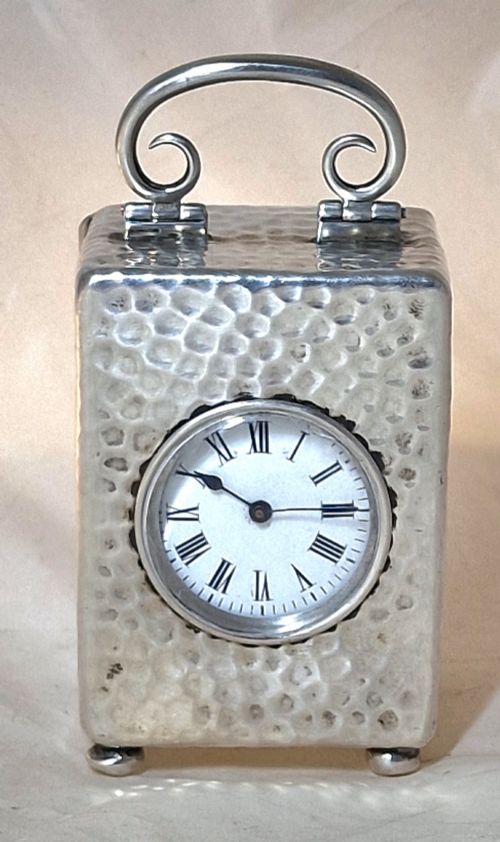
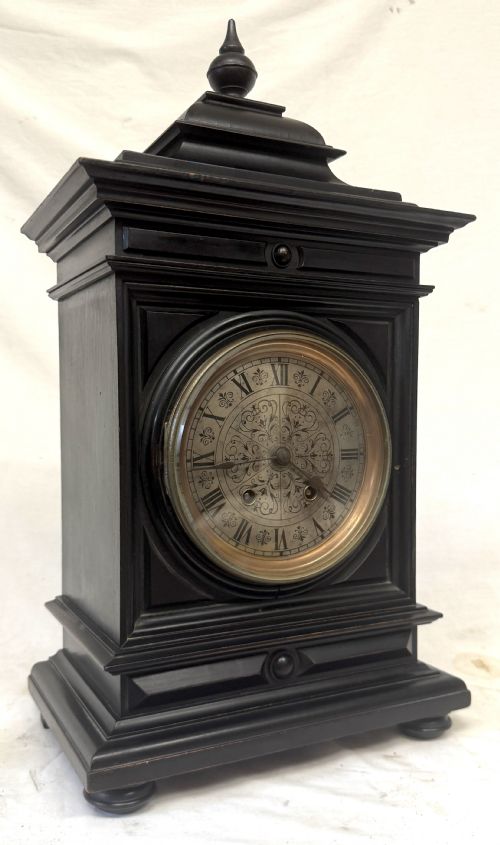
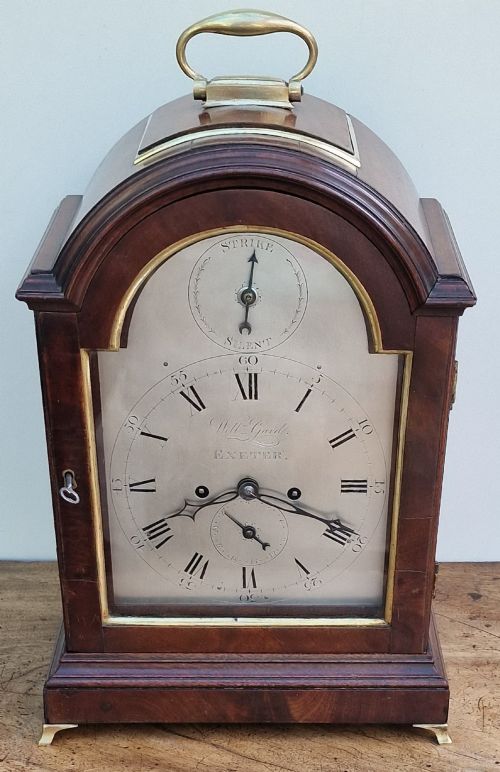
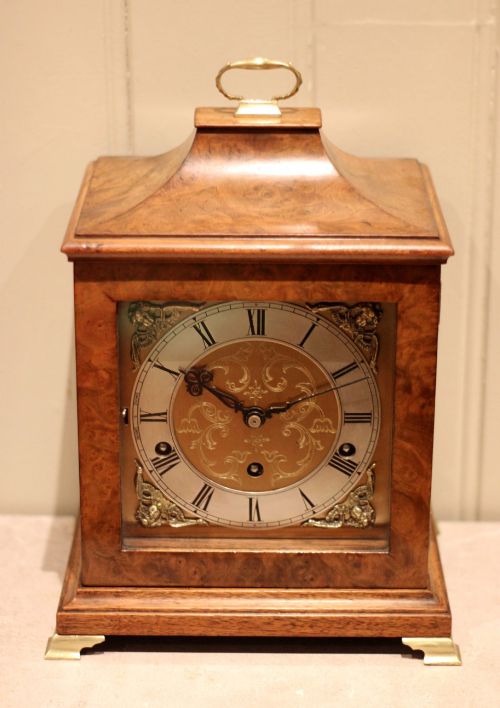
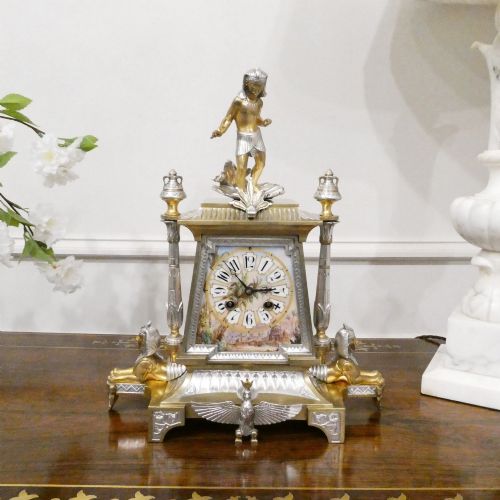
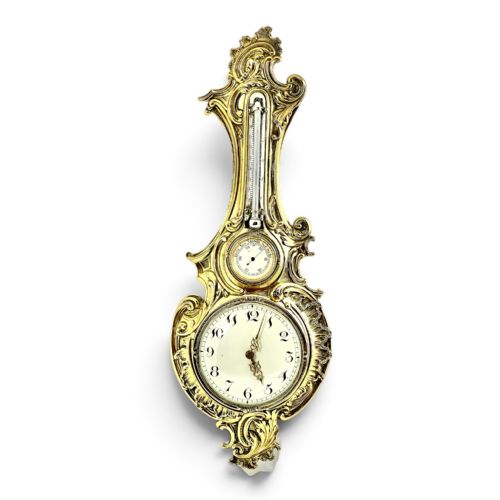
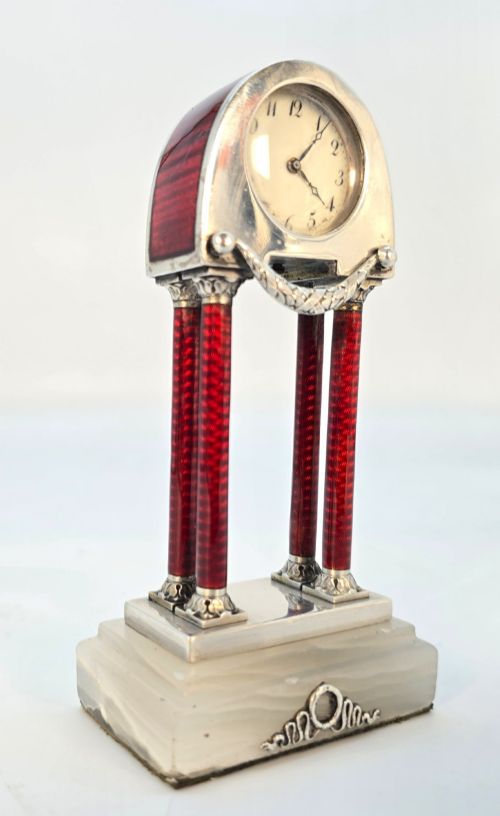
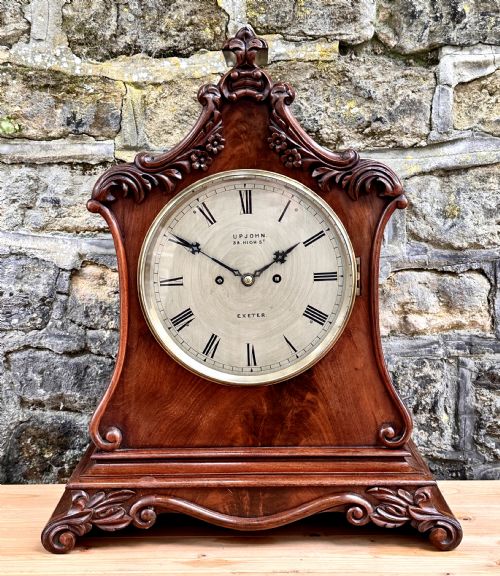
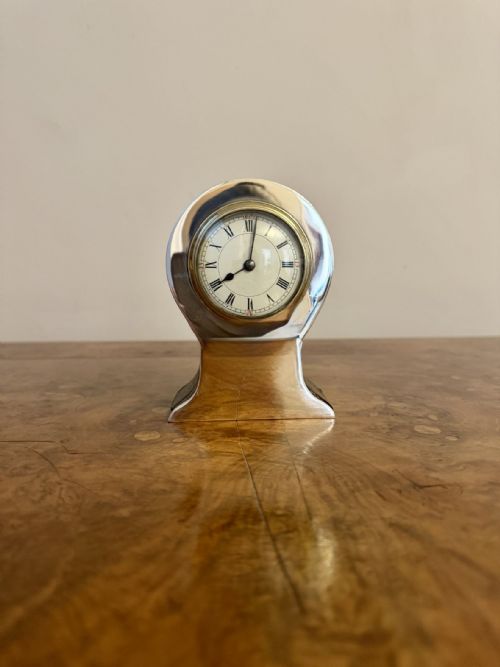
When you search for an antique silvered clock, you encounter timepieces featuring silvered metal dials alongside various regional and continental forms. The selection includes carriage clocks, skeleton movements, and mantel clocks from the Georgian, Victorian, and Edwardian eras, as well as the 1900 period.
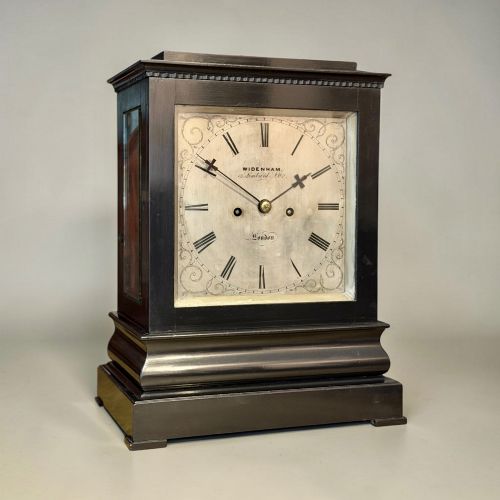
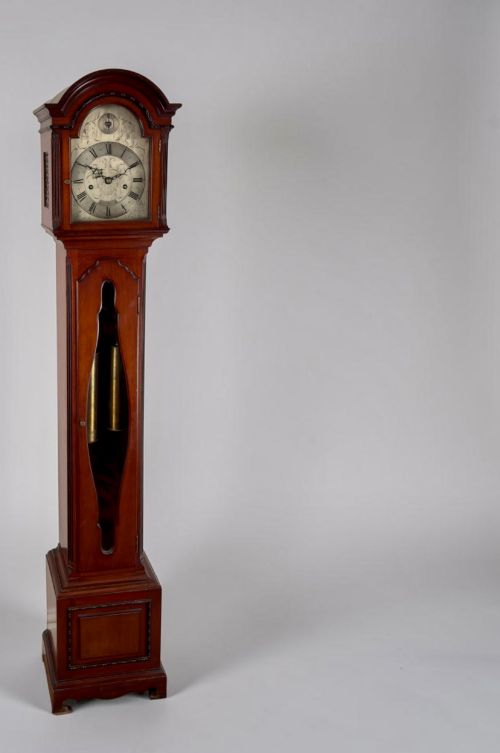
The most common formats on this page are mantel and bracket clocks housed in wood cases of mahogany, walnut, or ebonised finish, frequently paired with silvered brass dials. Pocket watches and travel clocks with silver or plated cases also appear regularly alongside wall-mounted alternatives.
Materials and construction
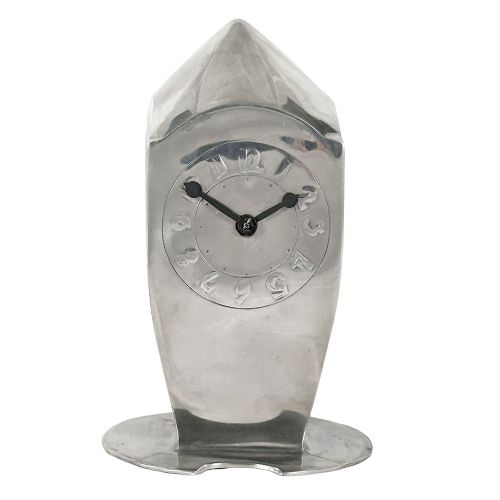
Clockmakers utilised durable hardwoods such as mahogany and ebony for structural cases, often incorporating brass and silvered metal components for dials and chapter rings. Pewter and chrome also support specific designs from the Arts and Crafts and Art Deco periods.
Movements rely on traditional brass gear trains, fusee mechanisms, and escapements housed within glass panels or timber frames. Dials typically receive a silvered finish through chemical silvering techniques applied to brass substrates.
Periods represented stretch from the seventeenth century through Victorian elegance to nineteen-thirties chrome timepieces.
Variations in quality
The distinction between standard examples and superior pieces rests in the execution of the movement and the integrity of the housing. Finer specimens display signed movements by established makers and refined case timber work.
Dial legibility and the preservation of the original silvered finish dictate overall desirability. Hand-engraved chapter rings and high-grade mechanical complications elevate the standing of a clock within its period.
Widenham of London·Gillett & Johnston of Croydon·Mappin & Webb·Lenzkirch·Archibald Knox for Liberty & Co·Georg Adam Scheid·Richard Winter of Chieveley·Friedrich Adler for Osiris·David Veasey for Liberty & Co·Thwaites of London·William Comyns·Walker·Dent·John Pepys London·Jonathon Lowndes
The Antique Silvered Clock Glossary
- Silvered metal
- Metal treated with a silver compound to produce a bright, reflective surface. This finish appears frequently on clock dials and chapter rings.
- Fusee
- A conical pulley used in spring-driven clocks to maintain equal power as the mainspring unwinds. This mechanism ensures more accurate timekeeping.
- Bracket clock
- A portable table clock historically designed to sit upon a dedicated wall bracket or table. These pieces usually feature sturdy carrying handles.
- Skeleton clock
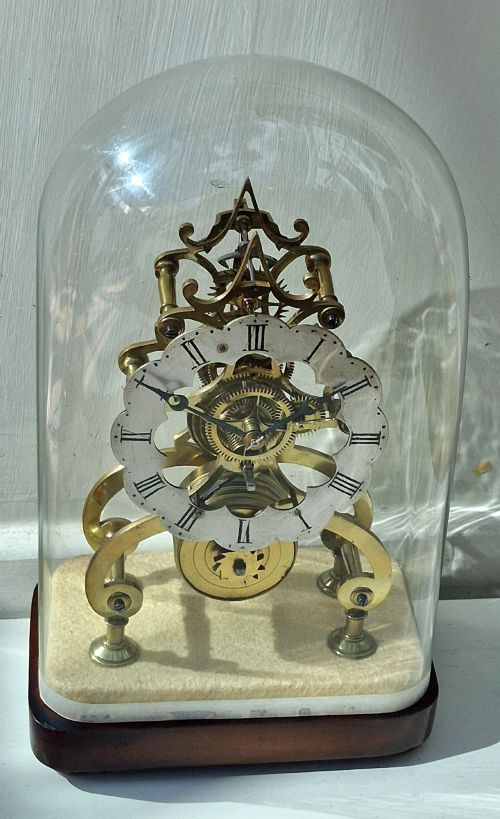
- A timepiece with an exposed gear train and movement plates, allowing visibility of the internal mechanics. Glass domes often protect these delicate structures.
- Carriage clock
- A small, spring-driven clock fitted with a glass-panelled brass case and a folding handle. They originated for travel use by officers and the wealthy.
Antique Silvered Clock: Frequently Asked Questions
How do I wind an antique silvered clock?
Most mechanical clocks require a specific winding key inserted into the dial holes to tension the mainsprings. Care must be taken not to overwind the mechanism.
Consult the movement type before adjusting, as fusee and spring-driven models require distinct handling approaches to prevent internal damage.
What periods do these clocks cover?
The listings span multiple centuries, ranging from late seventeenth-century examples up to Art Deco designs from the 1930s. Georgian, Victorian, and Edwardian pieces form the core of the selection.
Stylistic shifts reflect changing domestic tastes, moving from heavy wood architectural cases toward streamlined metal designs.
How should I clean a silvered dial?
Silvered metal surfaces require minimal intervention using dry, soft cloths to remove dust without abrasive polishes. Harsh cleaning agents will strip the delicate silver layer from the brass substrate.
Professional clock conservators should handle deep cleaning or restoration of aged dial faces.