





Antique Silver Visiting Case
An antique silver visiting case is a pocket-sized repository for calling cards, combining practical etiquette with intricate Victorian and Edwardian craftsmanship.
Antique Silver Visiting Case
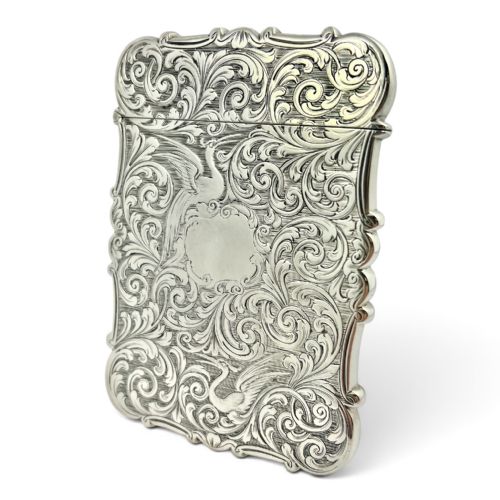
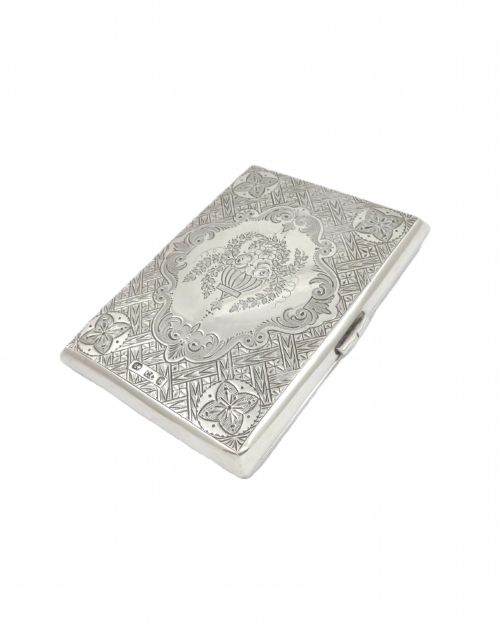
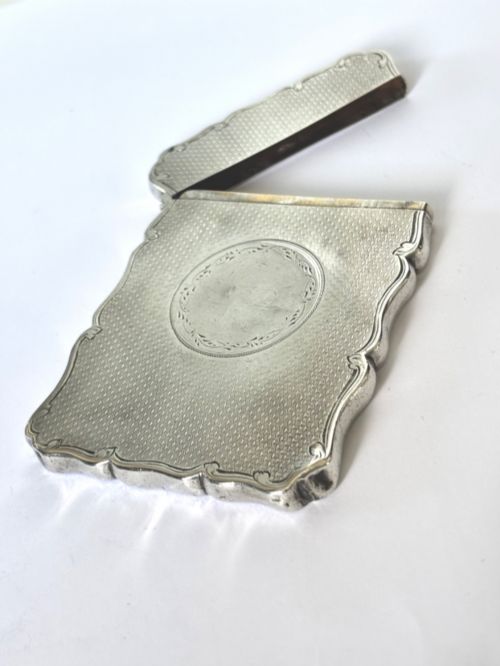
An antique silver visiting case is a small, rigid container designed to hold calling cards during the Victorian and Edwardian eras. These portable accessories allowed gentlemen and gentlewomen to manage social calls with proper decorum.
The pieces on this page appear primarily in Victorian and Edwardian styles, spanning the nineteenth and early twentieth centuries. Card cases, calling card cases, and aide-memoires represent the principal forms available to collectors.
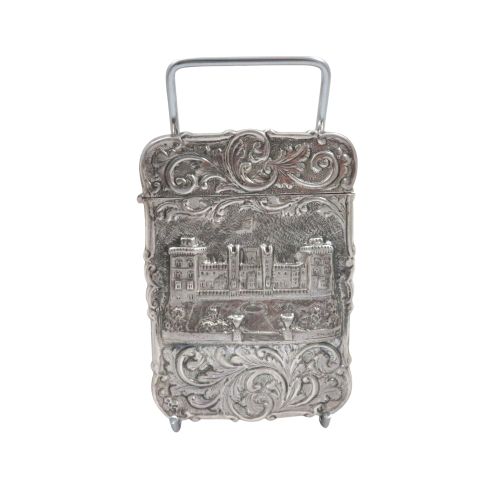
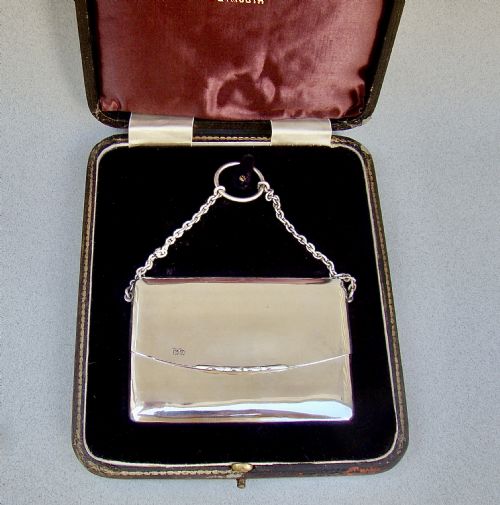
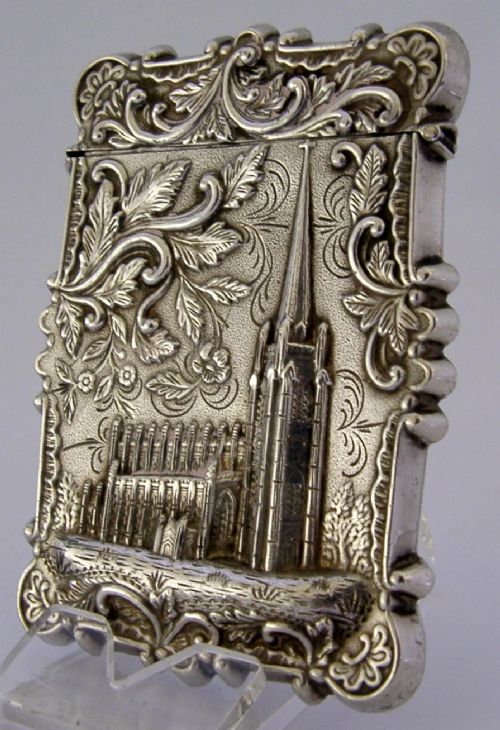
Examples range from plain sterling silver envelopes to elaborate castle top pieces depicting landmarks like Windsor Castle and St Paul’s Cathedral. Variations also include combinations of silver with tortoiseshell, mother of pearl, and Connemara marble.
Materials and methods of construction
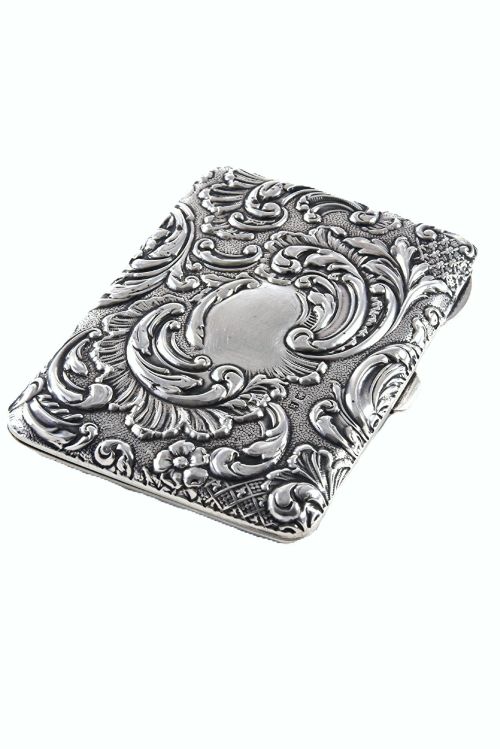
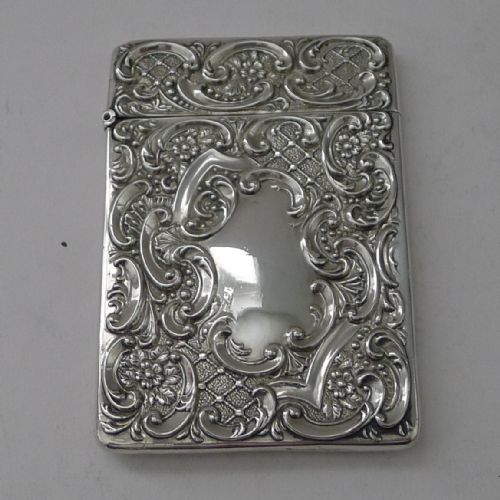
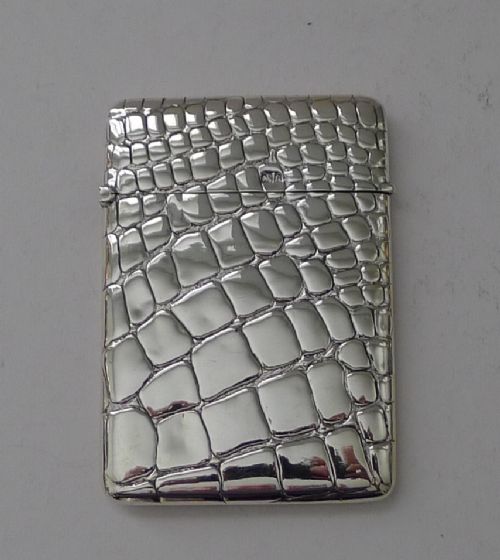
Makers utilised sterling silver and solid silver alongside decorative accents of silver gilt, bone, and mother of pearl. Surface ornamentation frequently involved deep engraving, repoussé work, and crocodile skin designs pressed into the metal.
Castle top cases required specialised casting and high-relief engraving to capture distinct architectural details in miniature form. Other variations incorporate hinged mechanisms, spring clips, and fitted interiors lined for notes.
Factors that distinguish individual examples
Quality rests heavily on the crispness of the chased or engraved decoration and the precision of the maker's hand. Pieces featuring architectural landmarks or detailed animal motifs demand greater skill than plain smooth surfaces.
The structural integrity of the hinge and the snugness of the closure dictate the functional excellence of a surviving case. Finer examples retain clear hallmarks and retain their original gilding or internal linings without excessive wear.
Willian Aitken·Nathaniel Mills·George Unite·Foxall & Co
The Antique Silver Visiting Case Glossary
- Castle top
- A silver card case featuring a high-relief depiction of a notable building or cathedral on one or both sides. These architectural scenes are characteristic of mid-nineteenth-century silversmithing.
- Aide memoire
- A pocket notebook or case equipped with a small tablet and pencil for recording social engagements. They often share similar silver bindings with standard card cases.
- Repoussé
- A metalworking technique where the artisan hammers the silver from the reverse side to form a raised design in relief. This method creates tactile ornamentation representing deities, foliage, or scenes.
- Sterling silver
- An alloy consisting of silver and other metals, typically copper, standardised for durability and strength. Most English cases bear hallmarks confirming this specific purity.
- Silver gilt
- Sterling silver that has been coated with a thin layer of gold on the interior or exterior surfaces. This treatment provides a warm contrast to the polished silver exterior.
Antique Silver Visiting Case: Frequently Asked Questions
How were visiting cases used in the past?
Individuals carried these cases when visiting acquaintances to leave a card at a residence if the host was not home. Leaving a card signified that the caller had paid their respects and maintained social ties.
The cases kept the cards pristine until presentation, ensuring that names and titles remained legible. Inside, some variants also held small pencils and ivory leaves for jotting down reminders.
How do I identify a castle top case?
Castle top cases feature a distinct pictorial engraving or casting of a specific landmark on the exterior surface. Famous examples depict historical buildings like Windsor Castle or St Paul's Cathedral in high relief.
These pieces belong primarily to the Victorian period and represent some of the most sought-after variations in silver card case design. The architectural detail is typically framed by scrolling foliage or floral chasing.
Can I still use an antique card case today?
Modern business cards or credit cards often exceed the dimensions of historical visiting cases, which were tailored for smaller nineteenth-century card formats. Checking internal measurements ensures whether a modern card might fit.
Many collectors prefer to display these pieces as cabinet items or utilise them to store small keepsakes and notes. Their hinged lids and velvet or silk-lined interiors require gentle handling during everyday interaction.