




Antique Silver Thimble
An antique silver thimble is a miniature work of utility that rewards close inspection with hallmarks of Victorian and later craftsmanship.
What They Are
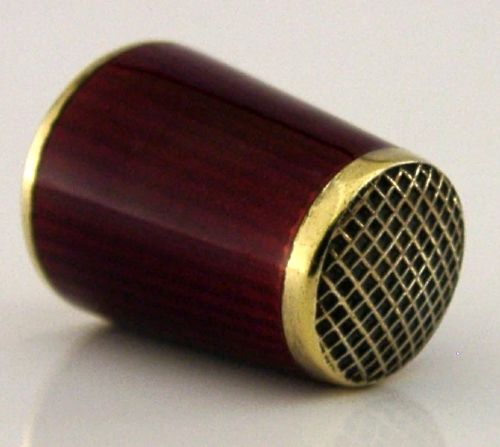
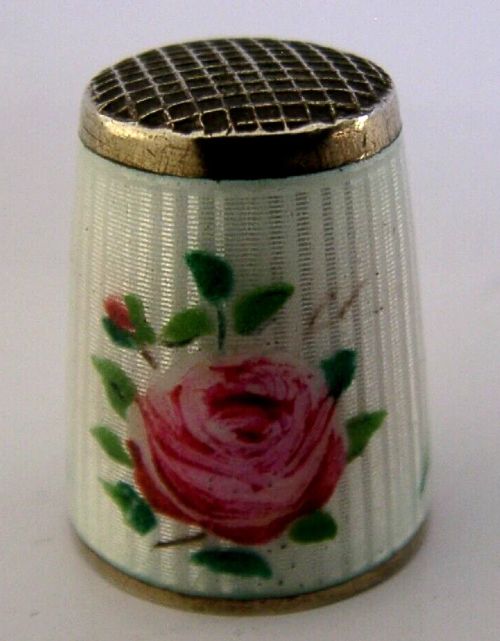
An antique silver thimble represents a fascinating intersection of practical needlework and decorative miniature art, often found paired with purpose-built cases or chatelaine holders. When exploring this selection, buyers encounter pieces originating from Victorian periods through to the 1920s, reflecting a rich heritage of domestic sewing accessories.
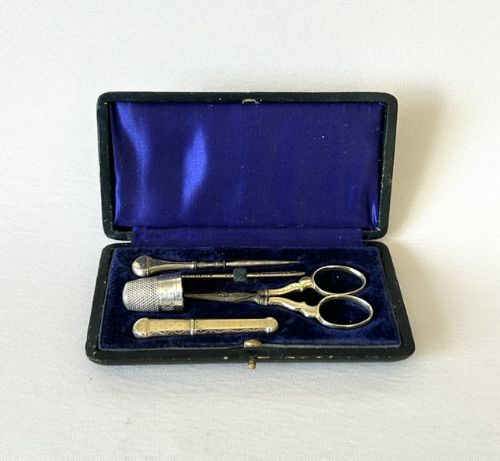
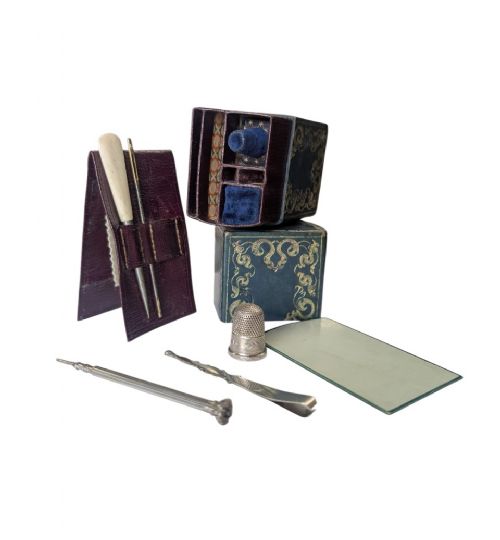
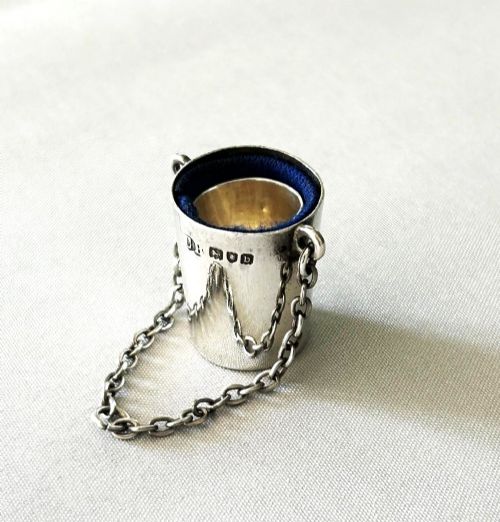
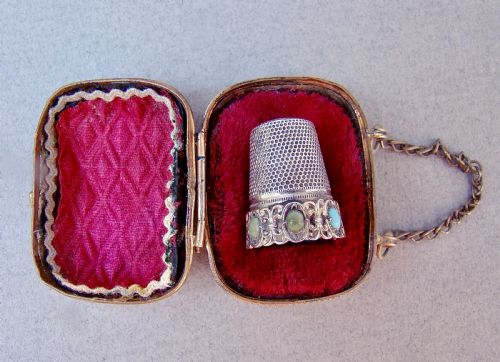
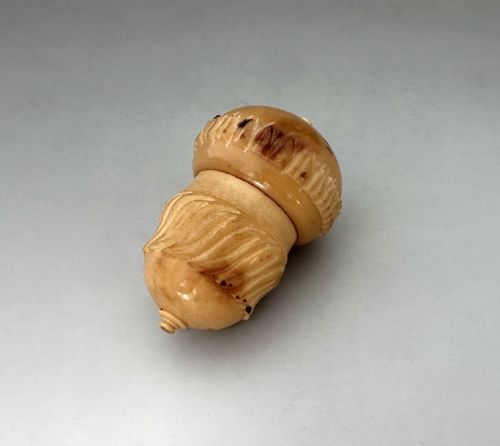
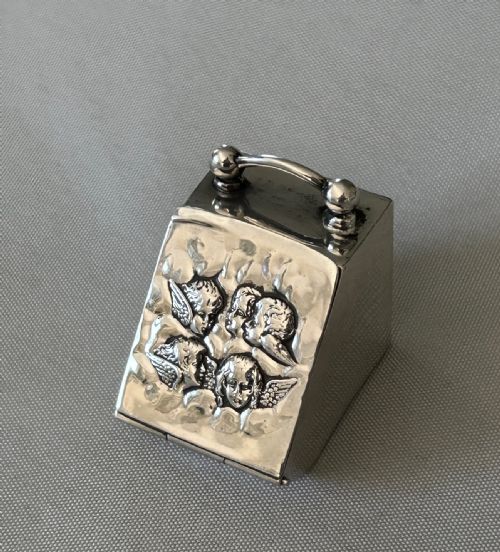
The specimens seen on this page range from standard sterling silver forms to elaborate creations housed in ormolu egg-shaped holders and velvet-lined chatelaine cases. Alongside conventional thimbles, collectors discover related sewing collectables such as silver thimble buckets and specialised spirit measures associated with needlework themes.
How They Were Made
These objects are fashioned primarily from sterling silver, sometimes accented with gemstones or paired with contrasting materials like silk, leather, and velvet inside protective enclosures. Master silversmiths utilised precise forming and indentation techniques to create the characteristic dimpled exterior required for pushing needles through heavy fabrics.
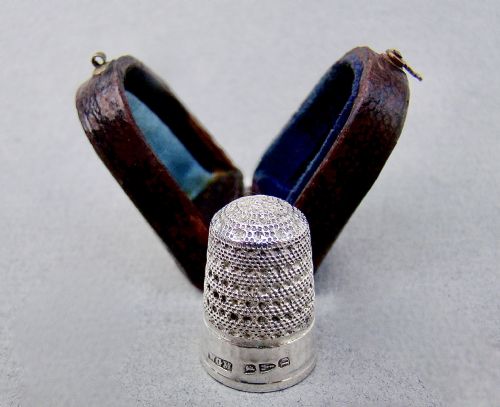
Many examples are preserved within ornate ormolu chatelaine cases, which involved metal casting and gilding to produce secure, portable housings for daily sewing use. Hallmarks stamped directly into the silver record the assay office, city, and date of manufacture, providing an immutable record of their creation.
Retail Price Guide 2026
Typical UK retail prices for silver thimble, calculated from the Sellingantiques database of over a million retail prices indexed since 2003. This retail price guide relies exclusively on Sellingantiques data; no external sources or auction records are used, so the figures do not describe the wider market.
Listings feature items spanning the Victorian era, the 1880s, the 1890s, and into the 1920s.
What Varies in Quality
The distinction between standard examples and superior pieces rests heavily on the identity of the maker, with workshop attribution by notable firms like Charles Horner or Walter & George Myers elevating the standing of a thimble. Fineness of detail in the dimpling, the structural integrity of the silver, and the presence of fully legible hallmarks mark out the finer tiers of production.
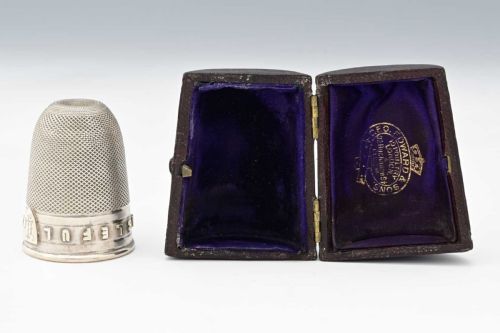
Presentation significantly influences the overall character of a piece, separating loose items from those complete with their original fitted cases, whether silk-lined leather boxes or ormolu chatelaine holders. The survival of associated decorative elements, such as gemstone settings or specialised bucket forms, determines the desirability within the collector market.
The Northern Goldsmith Company·Walter & George Myers·Charles Horner·Laurence Emanuel
The Antique Silver Thimble Glossary
- Chatelaine
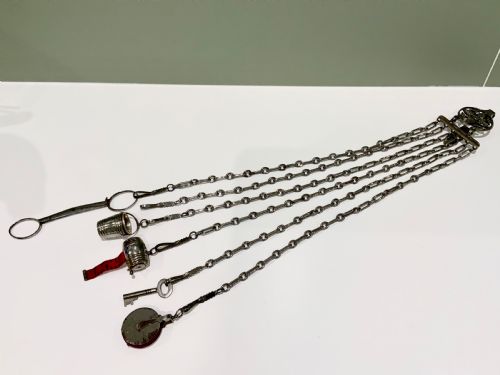
- A decorative belt hook worn with suspended chains carrying household and sewing implements such as scissors, thimbles, and keys. It served as a practical status symbol for Victorian chatelaines.
- Hallmark
- An official stamp applied by an assay office to indicate the purity of the metal, the maker, and the year of production. British silver pieces typically bear these vital historical markers.
- Ormolu
- A gilded bronze technique used extensively for ornamental mounts and decorative chatelaine cases. It provides a bright, gold-coloured finish that complements silver items.
- Sterling silver
- A silver alloy containing substantial pure silver combined with other metals to ensure durability for everyday items. It forms the primary material for these sewing accessories.
- Thimble bucket
- A specialised miniature container designed specifically to house and protect a single sewing thimble. These novelty forms are collected as distinct sewing accessories.
Frequently Asked Questions
What is an antique silver thimble?
An antique silver thimble is a small protective cap worn on the finger during sewing, combining practical utility with decorative metalwork from the Victorian era and the early twentieth century.
These pieces often feature indented patterns and maker marks, and many survive alongside bespoke leather, velvet, or ormolu cases designed to protect them.
How do I date an antique silver thimble?
Dating relies heavily on the hallmarks stamped onto the silver, which identify the assay office, the specific year letter, and the maker's mark.
Additional clues come from the style of the piece, the accompanying chatelaine holder, and whether it originates from the Victorian period or the 1920s.
Were all antique thimbles used for sewing?
While the primary function was pushing needles through fabric, many fine examples were created as decorative cabinet pieces or paired with chatelaines as fashionable accessories.
Some unusual forms, such as silver spirit measures inscribed with sewing themes, playful variants of traditional thimble shapes.