

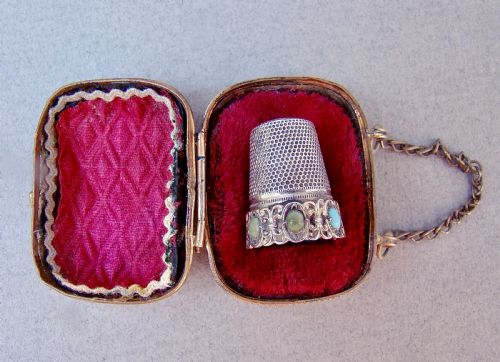


Victorian Silver Sewing
Victorian silver sewing pieces are charming needlework tools and novelty pin cushions crafted in sterling silver, offering both decorative appeal and tactile utility for the collector.
Victorian Silver Sewing
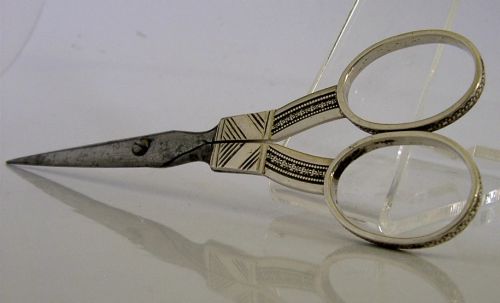
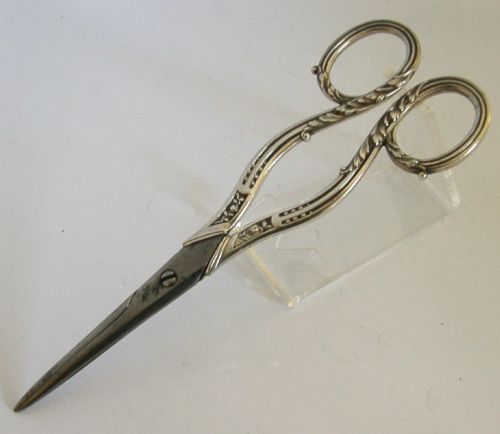
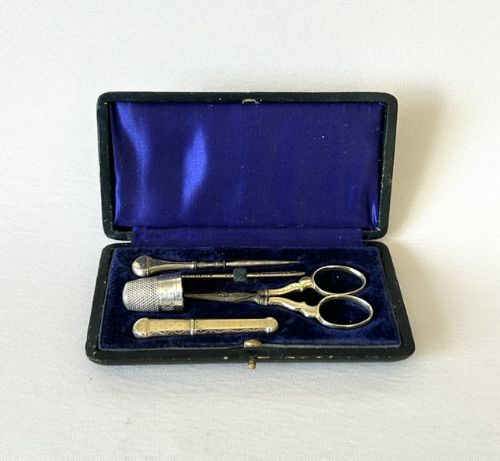
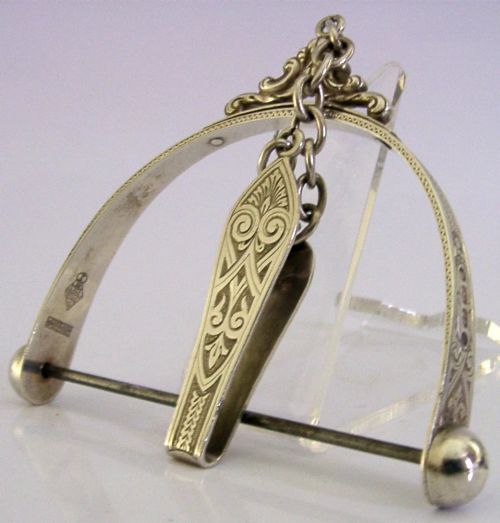
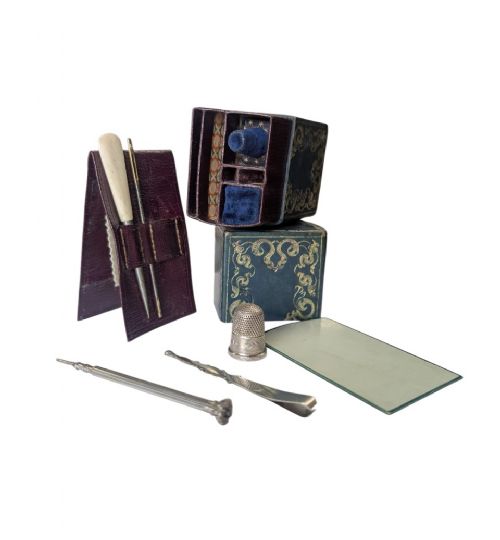
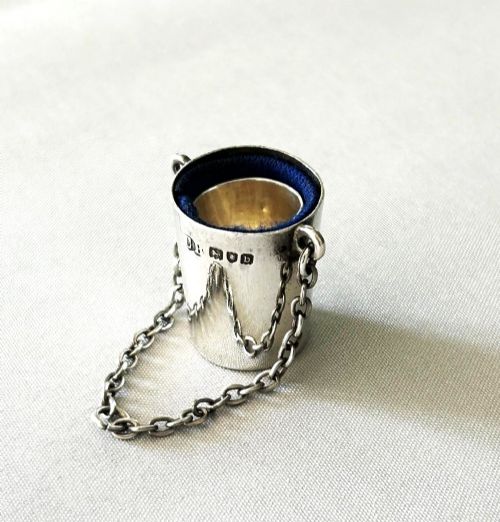
When searching for victorian silver sewing, you encounter an array of specialised implements designed for needlework and textile crafts. These range from functional sewing sets and boxed etuis to chatelaine accessories and decorative string holders.
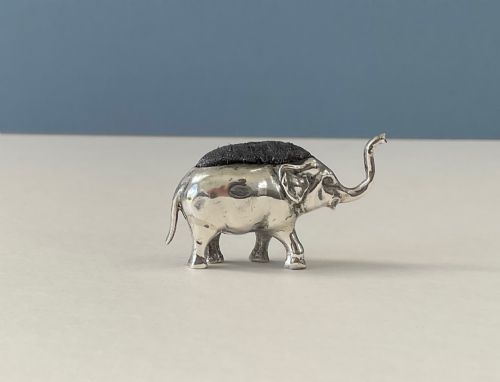
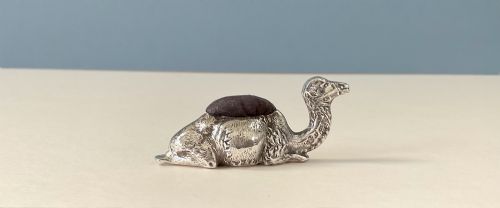
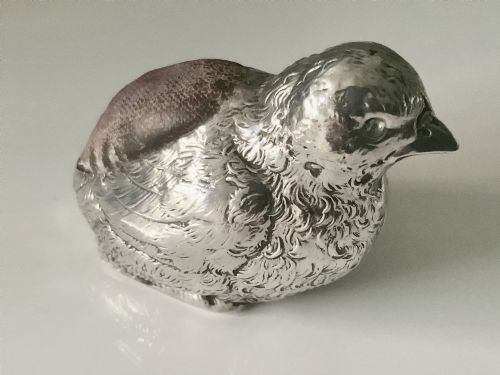
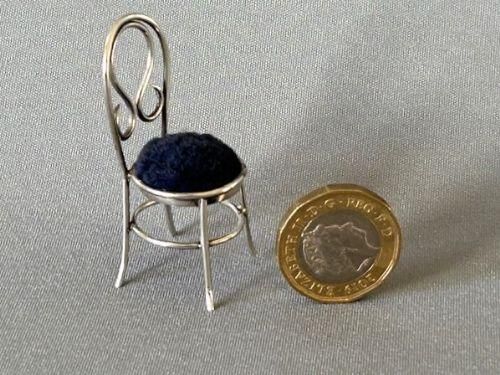
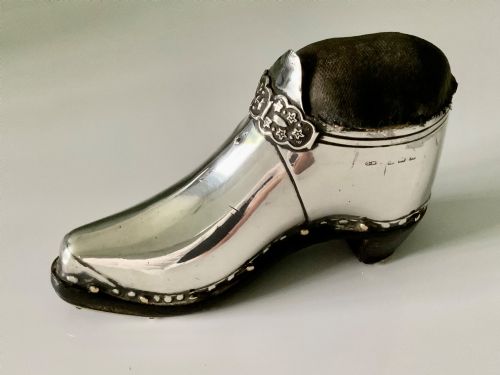
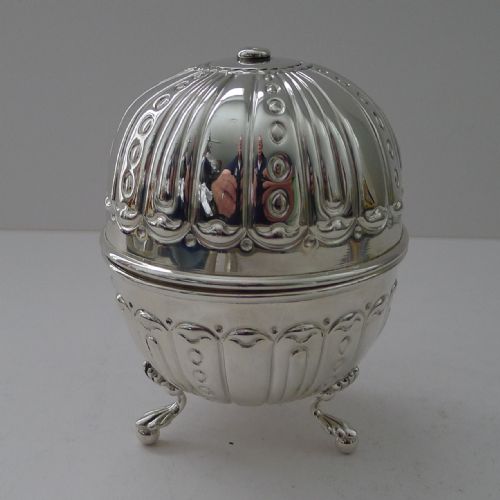
Novelty pin cushions form a distinct subset of these objects, cast in imaginative shapes such as animals, vehicles, and household items. The materials span solid silver, silver gilt, and sterling silver, frequently paired with velvet, silk, or leather.
The objects originate primarily from the Victorian and Edwardian eras, alongside late nineteenth-century French and Dutch workshops. Smaller items like thimbles, needle cases, and scissors dominate the selection alongside larger sewing boxes.
Materials and construction methods
Silversmiths shaped the structural elements through casting, stamping, and piercing, creating intricate floral scrollwork and detailed animal forms. Sterling silver and silver gilt provide the bright metallic surfaces, while internal components utilise steel for cutting edges and wood for box foundations.
Textile elements integrate directly into the metalwork, with velvet and fabric serving as the functional pinning surfaces for cushions. Additional decorative elements incorporate natural materials such as agate, mother-of-pearl, corozo nut, and stone settings.
Cases and etuis rely on specialised joinery and lined interiors of silk or leather to secure delicate sewing tools. Metal mounts, hinges, and clasps join these organic and textile elements into cohesive portable units.
Victorian needleworkers could pin their pins directly into a solid silver pig, camel, or cabbage.
Distinctions in craftsmanship and design
The fidelity of the casting and chasing distinguishes standard utility items from exceptional novelty pieces. Animals and miniature objects display varying degrees of anatomical precision and textural detail in the silverwork.
The complexity of the form and the integrity of the fitted interior determine the caliber of sewing boxes and etuis. Pierced scrollwork and matched sets of implements demonstrate higher levels of coordinated design and maker input.
The survival of original internal components, such as intact velvet pads, matching thimbles, and secure clasps, influences the overall integrity of the piece.
Walter And George Myers·Charles Horner·George W Shiebler·Laurence Emanuel·Levi And Salaman
The Victorian Silver Sewing Glossary
- Chatelaine
- A decorative belt hook worn with suspended chains carrying small utility tools such as scissors, needle cases, and scent bottles.
- Etui
- A small ornamental box or case designed to hold needles, thimbles, and other delicate sewing implements.
- Pin Cushion
- A small stuffed pad used for holding pins during sewing, frequently fashioned in novelty animal or object shapes within a silver mount.
- Silver Gilt
- Silver covered with a thin layer of gold on its exterior surface, providing a rich yellow-gold sheen.
- Needlework
- The craft of sewing or embroidering with a needle, encompassing the primary purpose of these silver accessories.
Victorian Silver Sewing: Frequently Asked Questions
What are victorian silver sewing novelties?
These are functional pin cushions and needle cases cast in whimsical shapes like animals, furniture, and vehicles. They combined utility with decorative novelty for the desk or worktable.
Craftsmen utilised sterling silver to model subjects ranging from pigs and camels to coal scuttles and railway lamps, retaining a fabric cushion for pins.
How were chatelaine sewing tools used?
Chatelaines were worn at the waist by women of the period to keep essential sewing implements immediately accessible. Suspended chains held scissors, thimble cases, and chatelaine accessories.
This wearable format allowed the seamstress or chatelaine of the household to carry working tools conveniently throughout the day.
What materials accompany the silver in these sets?
Makers combined sterling silver with rich textiles like velvet and silk to create functional pin pads inside boxes and chatelaine frames. Other items integrate natural elements such as agate, mother-of-pearl, and corozo nut.
Steel appears primarily in the cutting blades of scissors and sewing sets, while leather and wood form the structural cores of larger etuis and work boxes.
How do I distinguish Victorian from Edwardian pieces?
Victorian items often display heavier rococo revival decoration, classical scenes, and intricate floral scrollwork in sterling silver or silver gilt. Edwardian examples frequently embrace lighthearted novelty forms and whimsical animal subjects.
Assay office marks and date letters stamped into the silver provide precise chronological reference points for English production.