



Silver Sewing Thimble
These small items of silver sewing thimble equipment bring together practical needlework and domestic craft from the nineteenth and twentieth centuries.
Silver Sewing Thimble
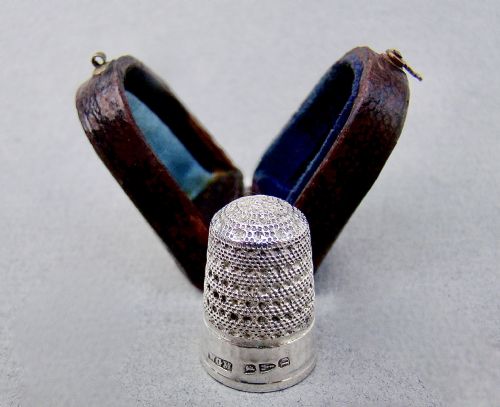
A silver sewing thimble serves as a protective finger cap for pushing needles through cloth during domestic handwork and embroidery. The pieces gathered under this phrase range from plain utilitarian tools to elaborate novelties and fitted travelling cases.
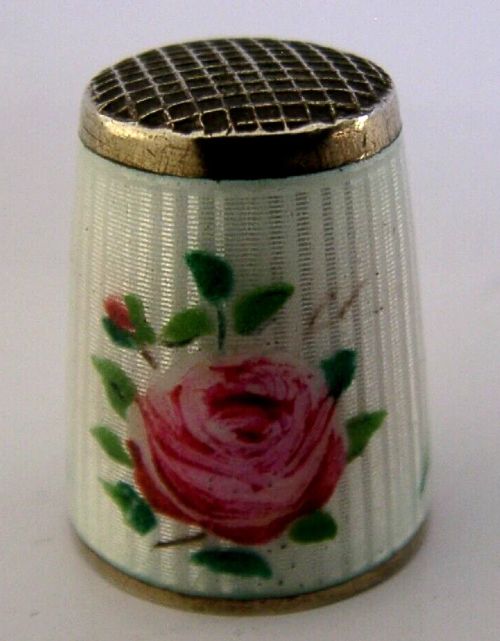
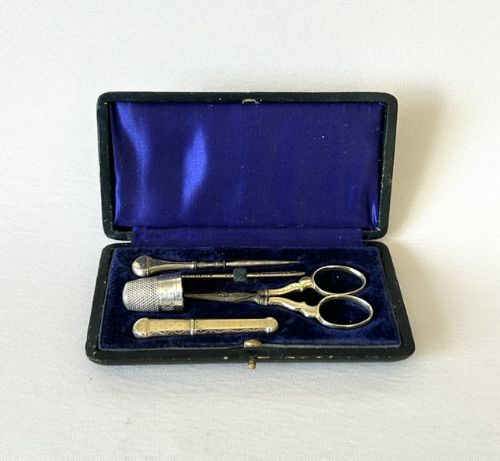
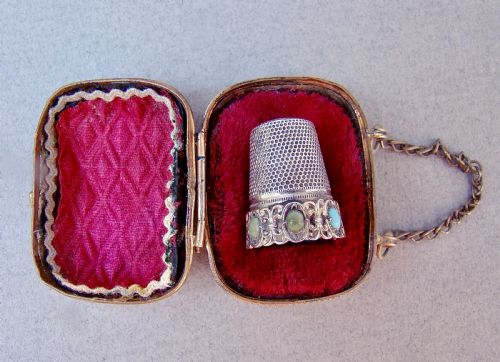
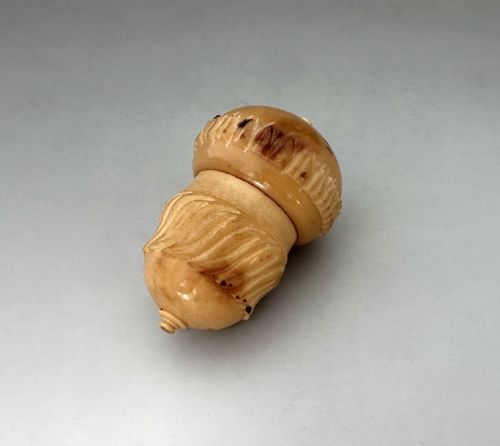
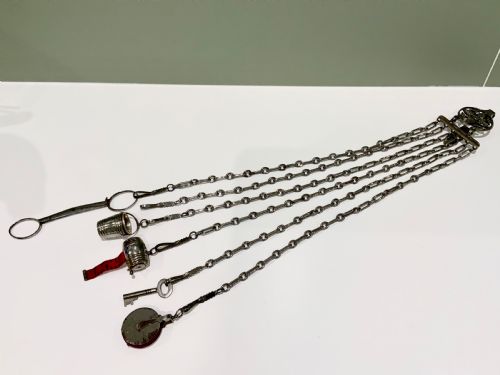
Victorian examples often appear alongside matched accessories inside leather, tortoiseshell or corozo nut containers, while mid-century Scandinavian pieces introduce vibrant enamel colours over sterling silver. French varieties incorporate gilt finishes, stone settings and ormolu chatelaine holders designed to clip to a belt.
Makers such as Charles Horner and David Andersen stamped their work with distinct hallmarks and maker's marks, allowing collectors to trace specific workshops across England and Norway.
Materials and construction methods
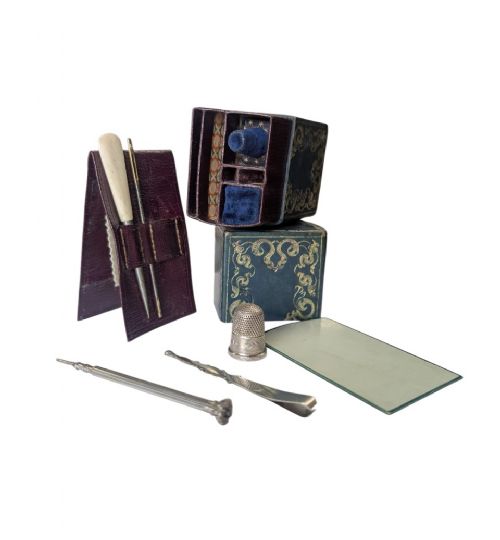
Silversmiths formed the bodies of these thimbles from sterling silver or silver gilt, often applying textured dimpling by hand or machine to prevent needles from slipping during use. Cases and compendiums combined precious metals with natural organic materials including bone, tortoiseshell, silk, velvet and corozo nut.
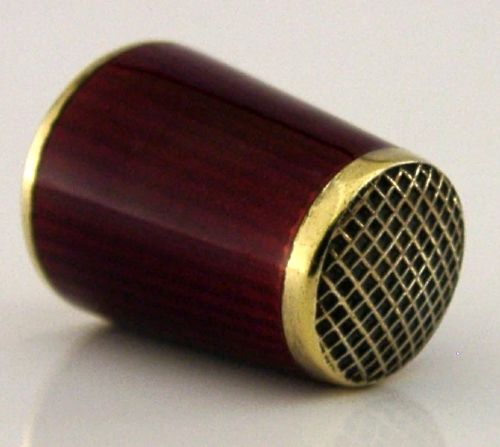
Enamelled pieces utilised kiln-fired glass powders fused to textured silver surfaces, producing translucent red, rose, violet, blue and green colourways. Ormolu mounts, steel chatelaines and inlaid ebony provided structural support and decorative framing for larger sewing sets.
Materials appearing across these sewing accessories include sterling silver, enamel, tortoiseshell, corozo nut, velvet, silk, bone and ormolu.
Assessing quality and execution
The distinction between standard utility items and finer examples rests on the crispness of the dimpling, the clarity of maker's marks and the integrity of any applied enamel. Thimbles featuring intact guilloché patterns or smooth, even vitreous enamel show greater technical skill than plain counterparts.
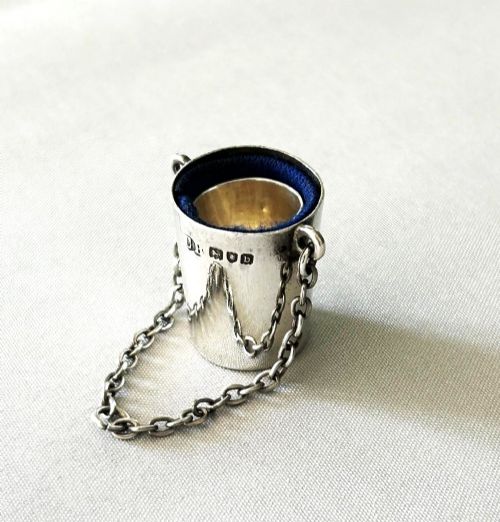
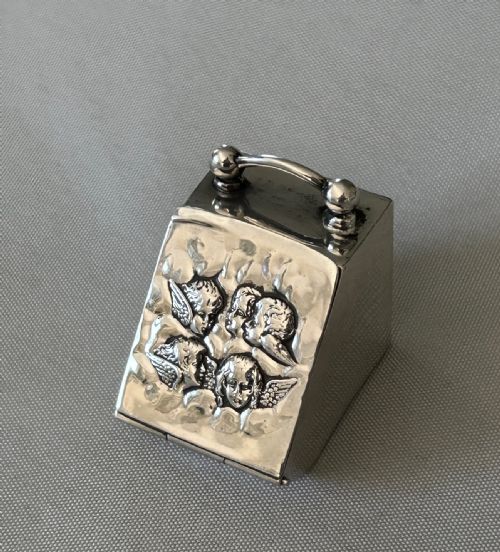
Cased sets and novelty forms achieve higher standing when the housing, whether an egg-shaped ormulu holder, a bucket or a coal scuttle, retains its original structural fittings and lining materials without modification.
David Andersen·Charles Horner·Walter and George Myers·Laurence Emanuel
The Silver Sewing Thimble Glossary
- Chatelaine
- A decorative belt hook suspended with chains holding household or sewing implements such as scissors, thimbles and etuis.
- Etui
- A small ornamental box or case used for holding needles, thimbles and other small sewing tools.
- Compendiums
- Fitted boxes containing multiple sewing accessories gathered into a single portable container.
- Guilloché
- A decorative mechanical engraving technique producing intricate geometric patterns beneath translucent enamel.
- Ormolu
- Gilded bronze or brass mountings used to frame or decorate small boxes and chatelaine accessories.
Silver Sewing Thimble: Frequently Asked Questions
How are these thimbles dated?
Dating relies heavily on stamped hallmarks, maker's marks and style indicators such as Victorian Gothic revival motifs or mid-century Scandinavian enamel designs. Assay office symbols and date letters stamped into the silver provide exact years of manufacture for many English pieces.
Unmarked examples require stylistic comparison with documented compendiums, cases and chatelaine attachments from the same period to establish an approximate decade.
What is a novelty silver thimble?
Novelty silver thimbles and cases take playful sculptural shapes, such as coal scuttles, buckets or egg-shaped holders, departing from standard cylindrical containers. These items combined functional sewing tools with decorative cabinet ornaments popular during the Victorian era.
Collectors prize these miniature containers for their ingenuity and the quality of their mechanical clasps and hinged lids.
How should antique silver thimbles be cleaned?
Silver thimbles benefit from gentle dusting with a soft microfiber cloth to remove surface dirt without disturbing patination or delicate enamel work. Aggressive chemical dips or abrasive polishing compounds will strip away gilt layers and damage vulnerable glass surfaces.
Enamelled pieces require particular care to avoid moisture seeping beneath exposed edges or cracked vitreous coatings.
Were all thimbles sold with cases?
Many everyday sewing thimbles were sold individually without protective housing, remaining inside workbaskets or sewing boxes alongside spools and pins. Finer specimens, particularly those intended for travel or gift-giving, were retailed inside fitted leather, velvet-lined or ormolu cases.
Complete surviving sets featuring matching scissors, thimbles and needle cases represent higher-status domestic equipment from the nineteenth century.