



Vintage Silver Thimble
A vintage silver thimble packs centuries of minute craftsmanship into a tiny protective cap, making it a tactile collectable.
Vintage Silver Thimble
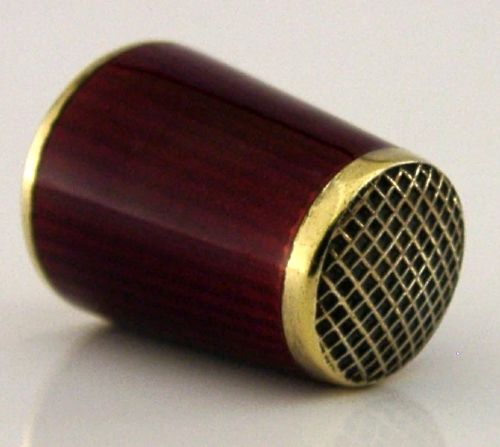
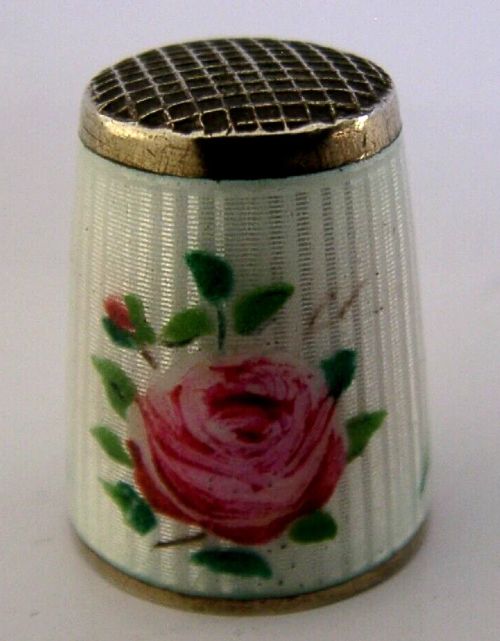
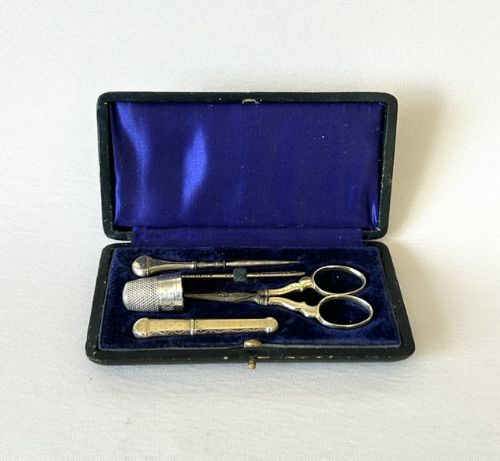
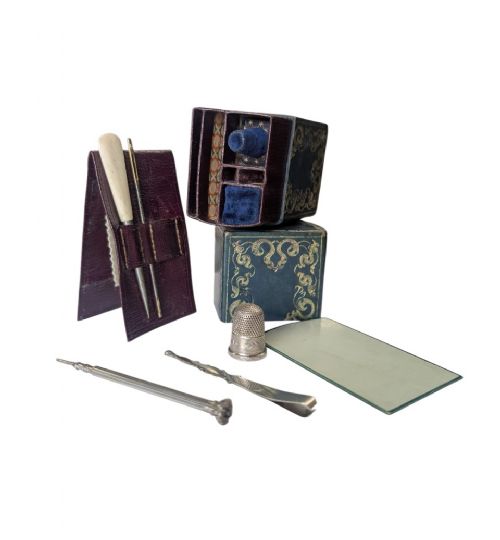
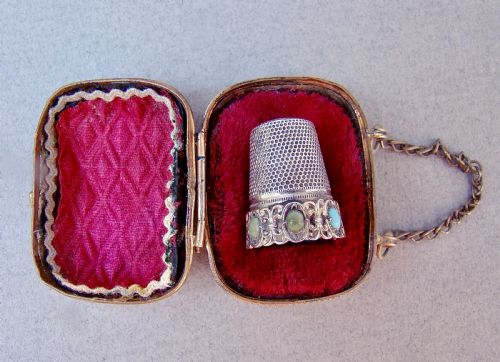
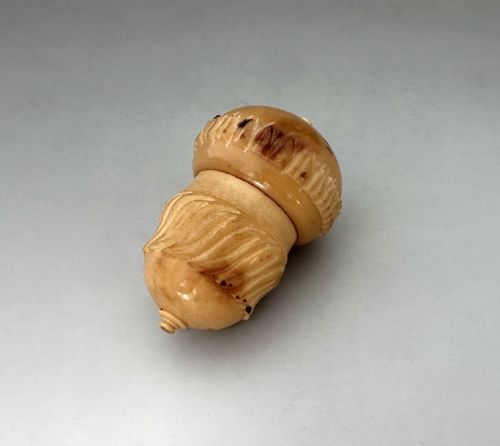
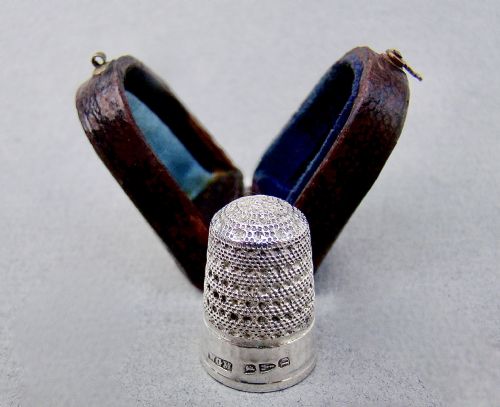
You are most likely to meet pieces originating from British and continental workshops, occasionally accompanied by fitted cases made from materials like leather or corozo nut. Some examples introduce contrasting textures, pairing sterling silver with vibrant enamel or gold vermeil.
The selection also extends into related sewing equipment and unexpected barware such as spirit beakers or silver shot glasses. These diverse forms share a common heritage of fine metalwork spanning the nineteenth and twentieth centuries.
How they were made
Silversmiths formed these small protectors using durable sterling silver and silver gilt, often applying detailed hand-punched indentations to catch the needle. Workshops also utilised gold vermeil coatings to enrich the metal surface.
Decorative pieces integrated coloured enamel work and stone settings, requiring precise firing and mounting techniques. Protective cases combined structural metals like ormolu with soft linings of velvet and silk to cradle the thimble securely.
Materials span sterling silver, gold vermeil, enamel, velvet, silk, leather, ormolu, and corozo nut.
What varies in quality
The distinction between ordinary and exceptional pieces rests upon the crispness of the dimpling and the integrity of any applied enamel or stone setting. Makers known for distinct decorative styles command greater interest among collectors.
Survival of original fitted housing, such as an egg-shaped ormolu chatelaine case, elevates the overall integrity of the piece. The presence of clear hallmarks adds significant historical context to the metalwork.
David Andersen·Walter and George Myers·Charles Horner
The Vintage Silver Thimble Glossary
- Sterling silver
- A silver alloy containing 92.5 percent pure silver by mass, providing the durable foundation for traditional sewing implements. This standard metal appears frequently across Victorian and Edwardian examples.
- Silver gilt
- Silver objects coated with a thin layer of gold on the surface, offering a warm golden appearance. This technique enhances decorative sewing accessories and compendiums.
- Ormolu
- A golden bronze alloy used for decorative mounts and protective cases during the nineteenth century. It frequently frames chatelaine holders and velvet-lined containers.
- Chatelaine
- A decorative belt hook worn with a series of suspended chains carrying small utility items like sewing tools and thimble cases. These accessories allowed makers to combine practicality with ornamental display.
- Corozo nut
- A dense, hard seed from the tagua palm, carved to create small protective containers. Victorian craftsmen utilised this natural material for durable thimble cases.
Vintage Silver Thimble: Frequently Asked Questions
How were thimbles used?
Thimbles protected the sewer's finger while pushing needles through dense fabrics during hand-sewing tasks.
They served as essential daily tools in domestic households before industrial sewing machines became common.
Are all these thimbles British?
The selection includes British makers alongside notable Scandinavian and French pieces from the nineteenth and twentieth centuries.
Continental workshops introduced distinct enamel techniques and alternative fitted presentation cases.
Why do some have cases?
Fine silver thimbles often required protective housing to prevent surface wear and to display them as decorative objects.
Ornate compendiums and chatelaine holders kept delicate sewing tools organised and portable.
How do I date a piece?
Hallmarks stamped onto the silver provide official registry marks, assay office locations, and exact production years.
Stylistic details like mid-century enamel work or Victorian repoussé patterns also help establish the era.