

Antique Silver Striker
An antique silver striker brings Victorian and Edwardian pocket and table lighting into daily focus.
Antique Silver Striker
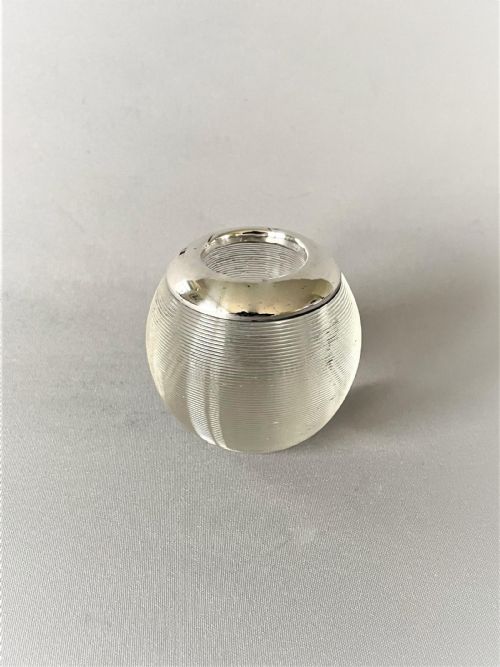
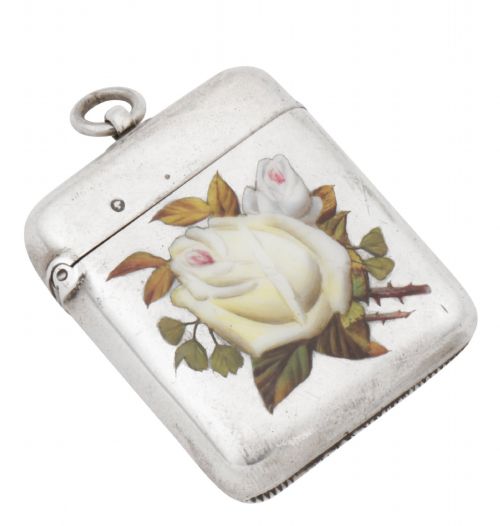
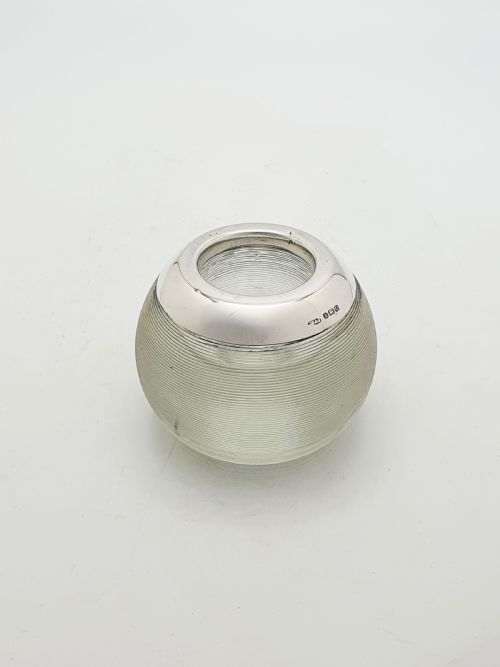
When you examine an antique silver striker, you look at items designed for holding and igniting matches before modern safety variants became universal. These pieces span pocket vesta cases, spherical glass table match strikers with silver rims, and desk accessories.
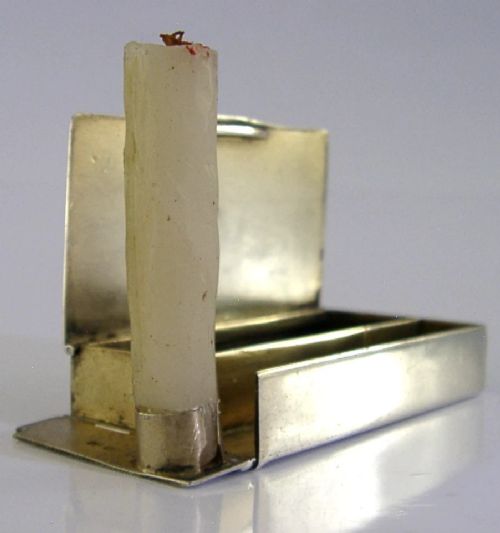
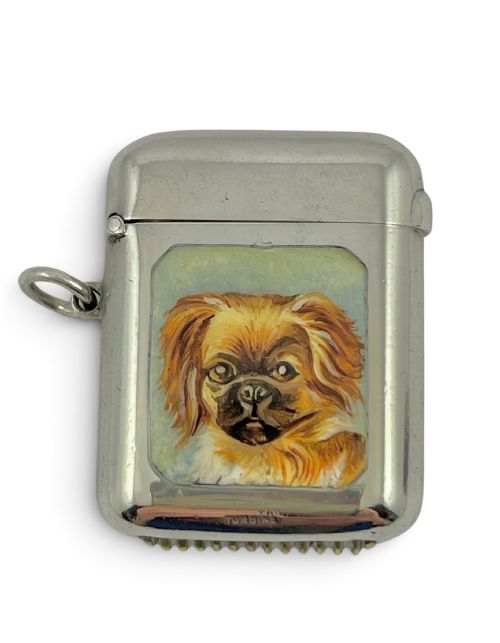
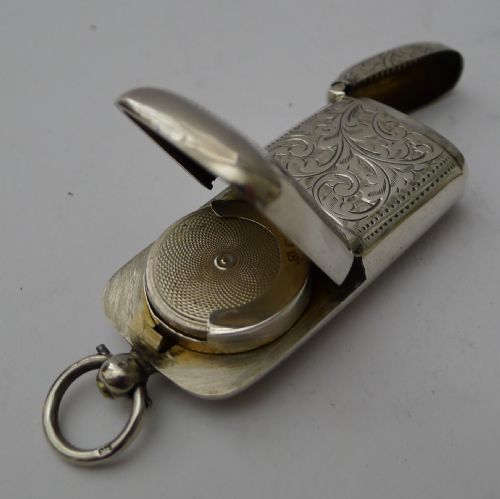
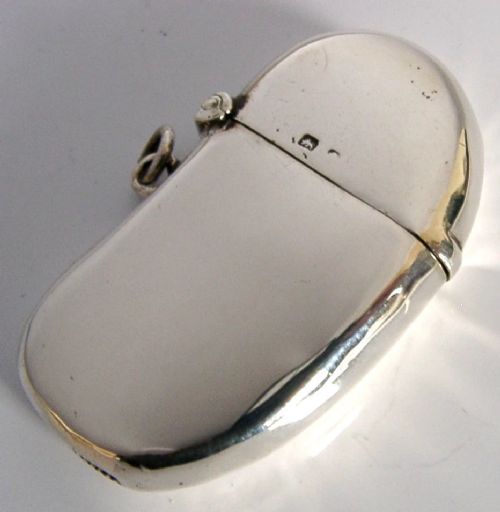
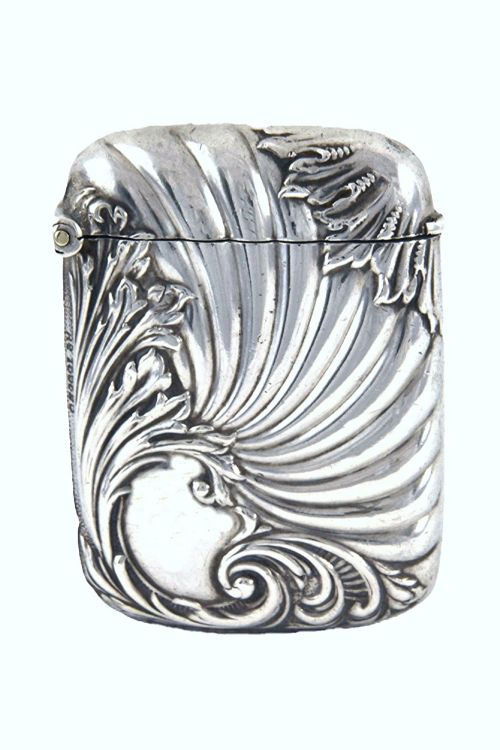
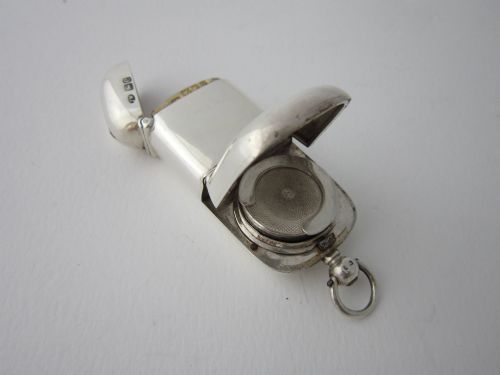
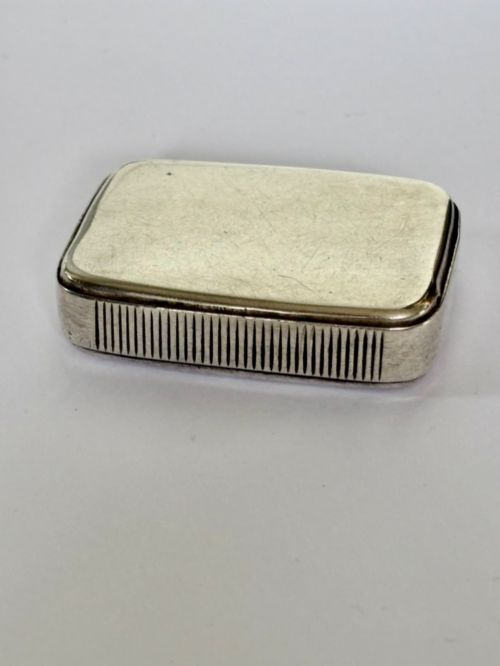
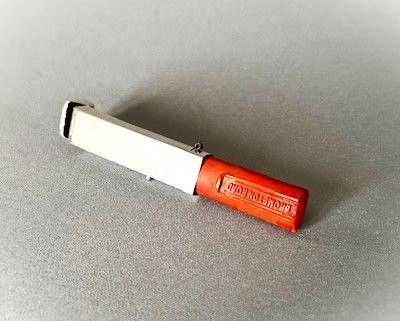
The pieces appearing on this page date primarily from the Victorian and Edwardian eras, extending into the George V period. You encounter standard rectangular vesta boxes alongside novelty animal forms, golf balls, and combination pieces holding wax tapers or sovereigns.
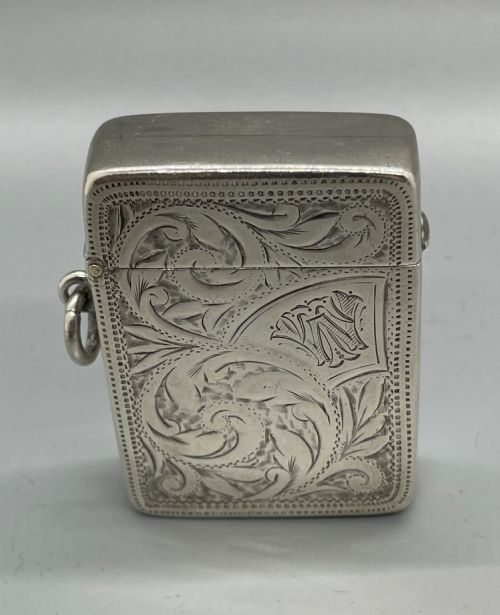
Table match strikers often pair textured, threaded, or cut glass bodies with solid silver mounts designed for friction. Pocket versions rely on ribbed or crosshatched striking areas integrated directly into the metal body.
Materials and technique
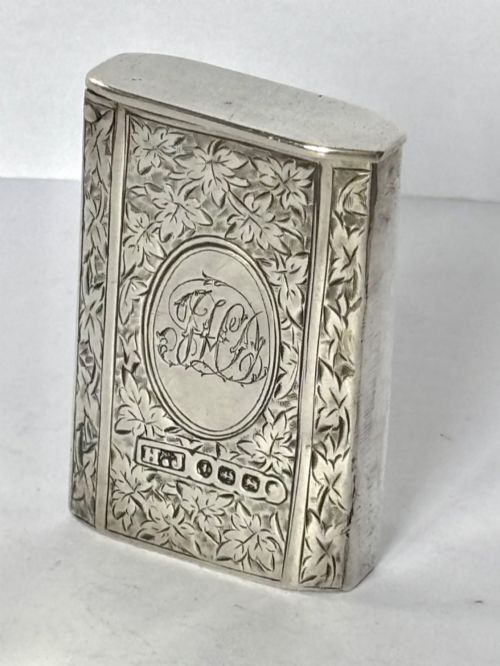
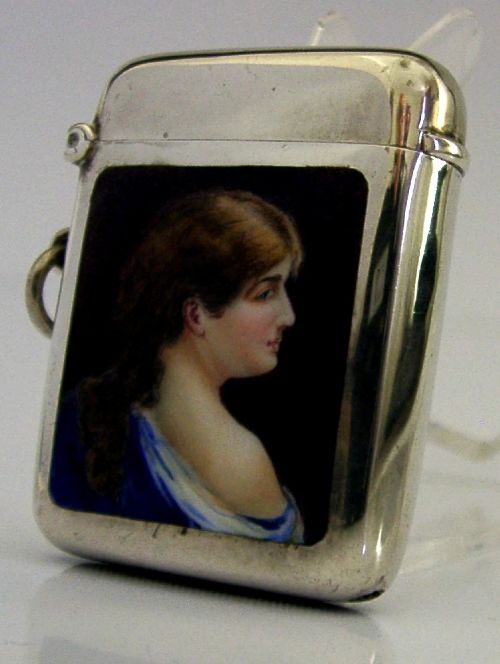
Silversmiths constructed these pieces using sterling silver, silver gilt, and silver plate, frequently combining the metal with heavy moulded, threaded, or cut glass. Workshops utilised techniques such as hand engraving, piercing, and enamelling to decorate the exterior surfaces.
Table models feature thick glass bodies with striated bases intended to create friction for matches. Pocket vesta cases employ hinged lids fitted with internal springs to secure the contents firmly.
Several pieces take the form of Jack Russell dog heads and novelty elephants to hide your matches.
What separates the best from the rest
Quality rests on the crispness of the hallmarks, the weight of the silver, and the complexity of the manufacturing form. Standard rectangular cases sit at one end, while sculptural novelties involving animals, ceramics, or hand-painted enamel demand higher levels of artisan skill.
The integration of secondary functions, such as sovereign holders, photograph frames, or wax taper combinations, alters the sophistication of the piece. Glass strikers depend on the clarity and depth of the cutting or threading alongside the gauge of the silver rim.
Sampson Mordan & Co·A & J Zimmerman·William Neale·Alfred Clark·Minshull & Latimer·William Hair Haseler·Cornelius Desormeaux Saunders·James Francis Hollings Shepherd·Robert Pringle and Sons·Asprey London
The Antique Silver Striker Glossary
- Vesta case
- A small pocket container designed to hold matches, typically featuring a striated striking surface on the base. These items became essential personal accessories during the nineteenth century.
- Match striker
- A vessel or surface featuring a textured area specifically for igniting strike-anywhere matches. Table variants frequently combine glass and silver.
- Silver gilt
- Silver covered with a thin layer of gold on its surface. This technique provided a rich interior or exterior finish for luxury pocket accessories.
- Wax taper
- A thin wax-coated wick used for transferring a flame from a match to a candle or pipe. Certain combination pieces housed these alongside matches.
- Sovereign case
- A small circular pocket holder sized to fit gold sovereign coins. Silversmiths frequently combined these compartments with vesta cases.
Antique Silver Striker: Frequently Asked Questions
How do you use a table match striker?
Table match strikers sit on desks or smoking tables to hold loose matches ready for immediate use. The textured glass or ceramic striking surface ignites the match head when drawn across it.
The silver rim protects the upper edge of the glass vessel and provides a stable mount. Users simply pull a match from the bowl and strike it against the base.
What is the difference between a vesta and a match striker?
A vesta is a portable pocket case equipped with a hinged lid to keep matches dry during transit. A match striker is typically a stationary table vessel designed to hold an open supply of matches.
Both items serve the same fundamental purpose of lighting matches, but vestas prioritise personal carriage while strikers remain stationary on furniture.
How do you date an antique silver vesta?
Dating relies on the assay office marks, maker's stamps, and date letters stamped into the silver body. British hallmarks provide specific years of manufacture down to the exact hallmarking cycle.
Stylistic cues such as Aesthetic Movement engraving or Art Deco geometric forms further help place the piece within the Victorian, Edwardian, or George V periods.
What are novelty vesta cases?
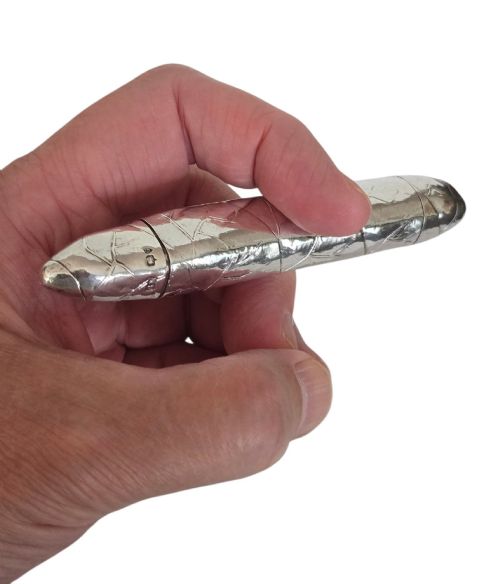
Novelty vestas take unusual sculptural forms outside the standard rectangular pocket shape. Makers cast silver into shapes including animals, golf balls, books, and double-ended cigars.
These whimsical pieces reflect Victorian and Edwardian preferences for clever, conversation-starting pocket accessories. Collectors prize them for their sculptural detail and inventive opening mechanisms.