

Antique Silver Metalwork
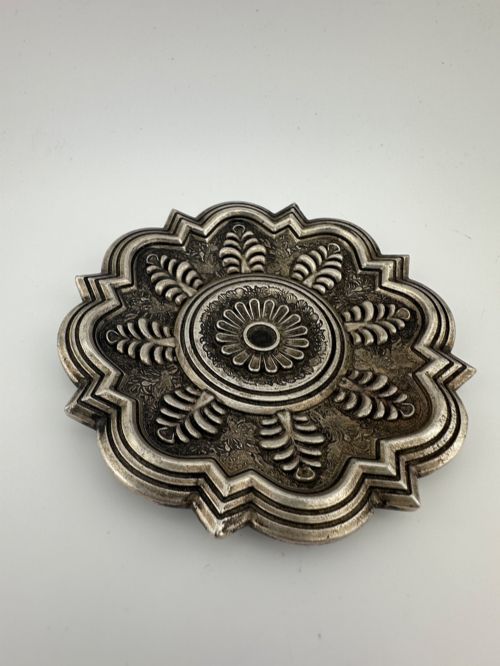
Antique silver metalwork brings together centuries of vessels, boxes, and decorative objects shaped from precious and base metals across diverse global traditions.
Antique Silver Metalwork
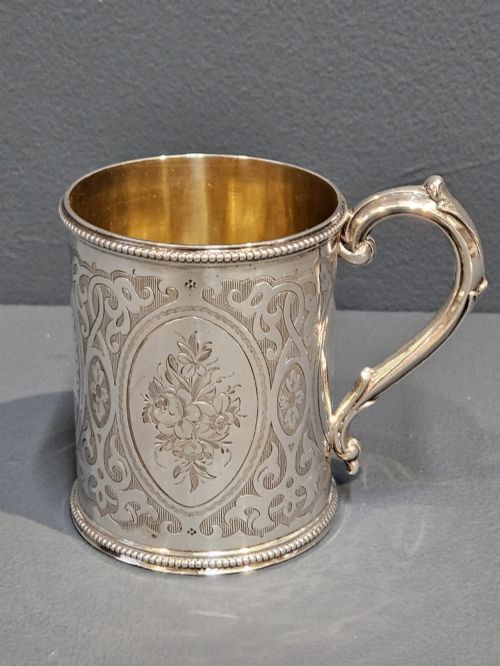
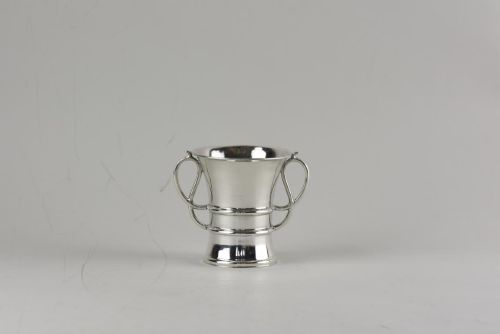
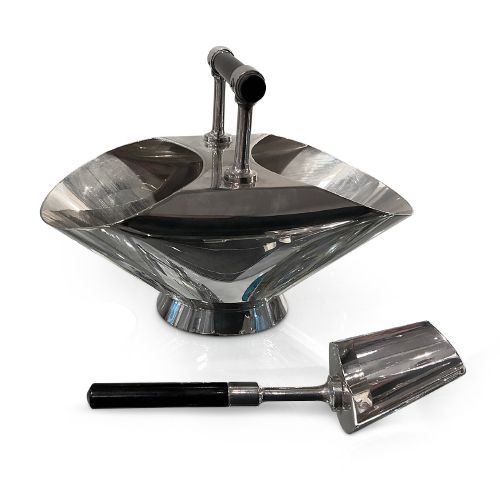
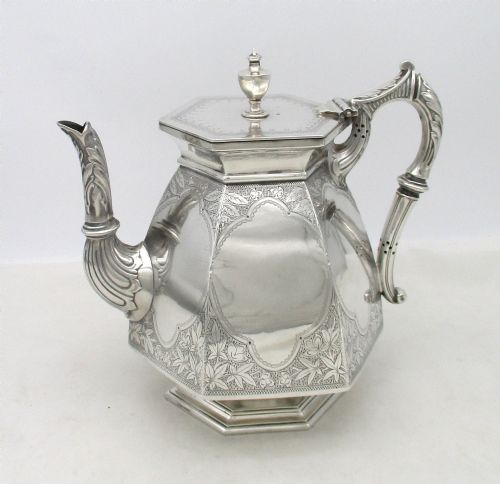
When you search for antique silver metalwork, you encounter a broad spectrum of decorative and functional objects produced in silver, silver plate, pewter, copper, brass, bronze, and gold. The selection spans domestic tablewares, lighting, and decorative accessories ranging from the eighteenth century through the early twentieth century.
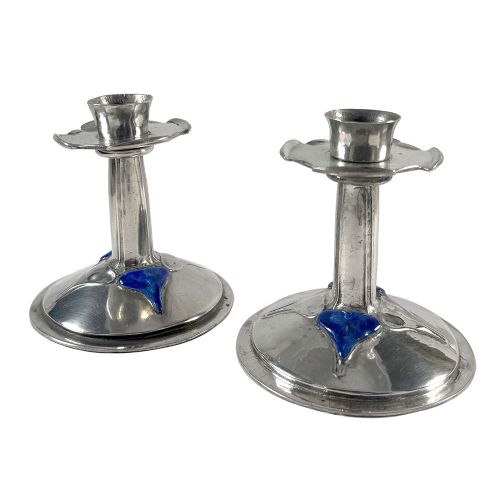
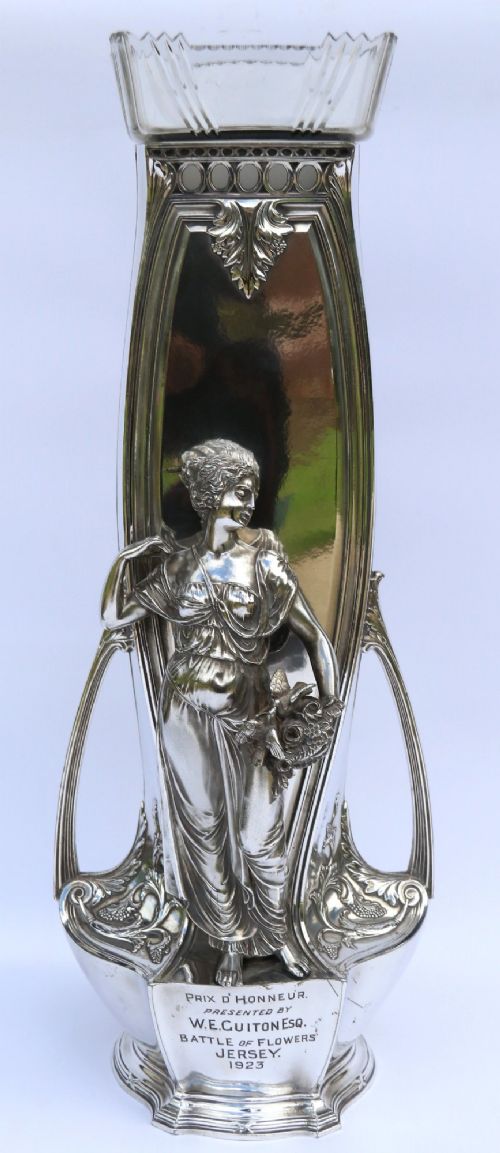
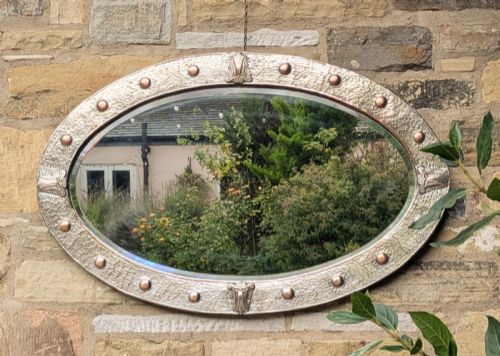
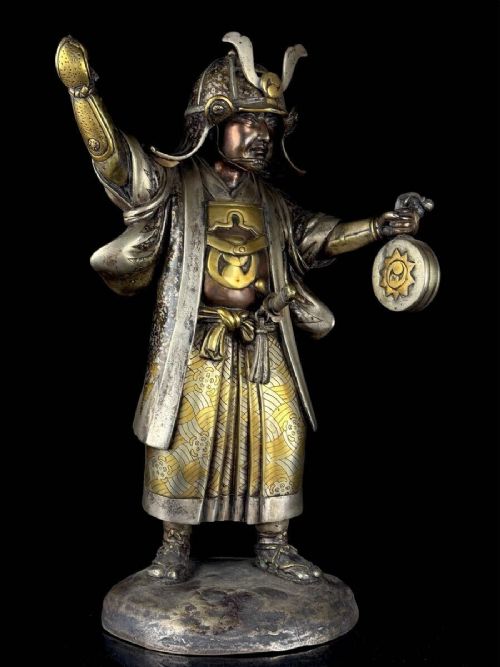
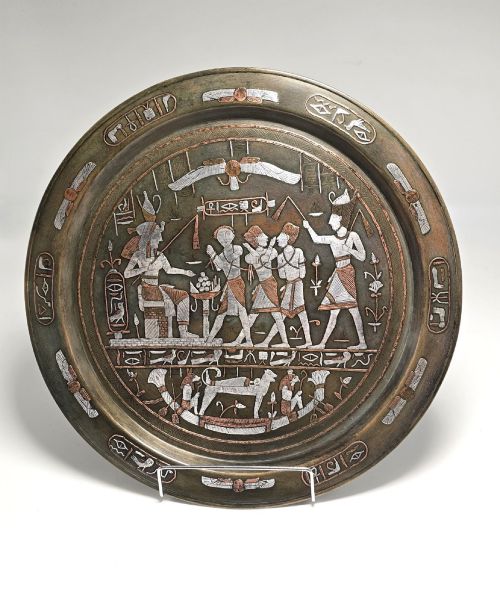
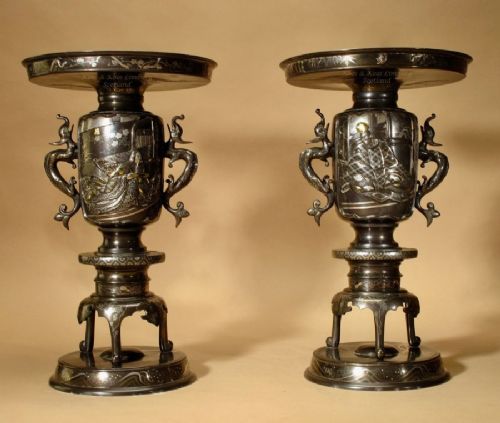
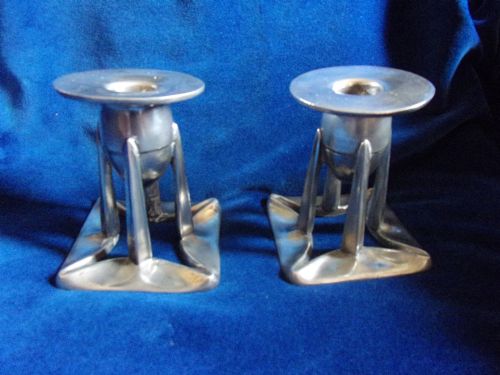
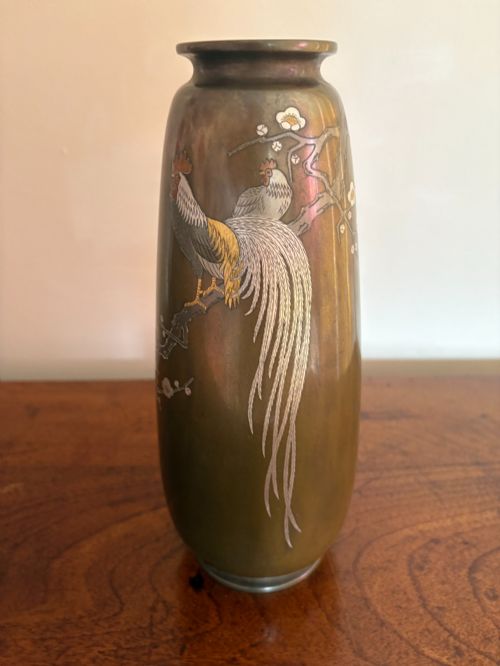
The objects most frequently met on this page include Arts and Crafts pewter vessels, Japanese inlaid bronze vases, Middle Eastern Cairo Ware chargers, and European silver-plated table ornaments. These pieces demonstrate the distinctive aesthetic priorities of periods such as the Edwardian era, the Meiji period, and the height of the Arts and Crafts movement.
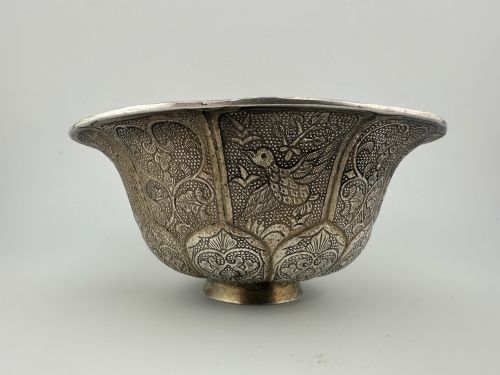
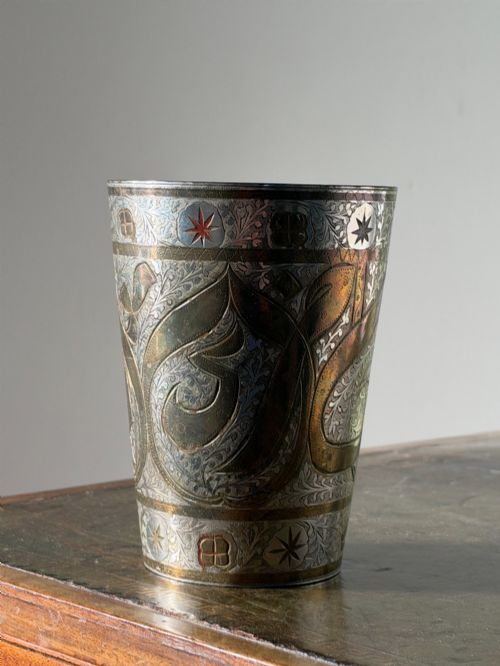
Makers and workshops from Britain, continental Europe, and Asia shaped these items using regional decorative vocabularies, from British modernist pewter to intricate Persian and Syrian metal inlay. Each piece reflects the material culture and craftsmanship of its specific place of origin.
Materials and Construction
Makers utilised a variety of metals, combining solid silver, white metal, and silver plate with base metals like copper, brass, pewter, and bronze to achieve specific colour and textural contrasts. Techniques such as repoussé work, piercing, and surface engraving allowed artisans to build complex relief patterns into trays, bowls, and ewers.
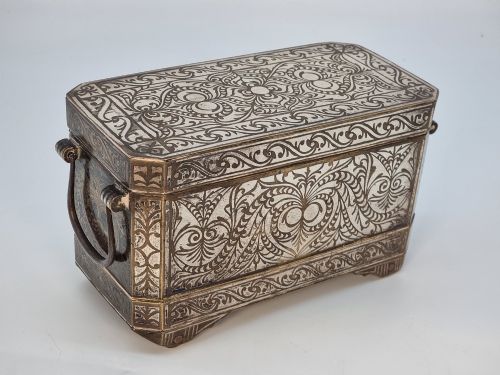
Inlaid metalwork demanded high precision, setting silver and gold wires into deeply patinated bronze, iron, or copper grounds as seen in Japanese and Middle Eastern decorative arts. Pewter objects relied on metal casting and hammering, often enhanced with enamel cabochons or patinated finishes typical of British modernist design.
Antique Silver Metalwork Retail Price Guide 2026
Typical asking prices for silver metalwork among the pieces listed under this phrase on Sellingantiques today, from the lower quarter to the upper quarter. They describe what is for sale here now, not the wider market.
Eleventh-century Persian ewers share shelf space with cheeky Edwardian desk trinkets and Japanese tobacco pouches.
Assessing Quality and Execution
Quality in these objects rests upon the crispness of the chasing, the security of inlaid elements, and the proportional harmony of the design. Master metalworkers achieved fluid lines and balanced compositions that distinguish ambitious studio pieces from standard commercial production.
The integrity of the surface patination and the preservation of original applied details, such as enamels or mixed-metal inlays, significantly influence the standing of an item. Pieces retaining their original structural components and intended decorative finishes represent the higher tiers of surviving metalwork.
Archibald Knox for Liberty and Co·Dr Christopher Dresser for Hukin and Heath·Oliver Baker for Liberty and Co·John Hoyland
The Antique Silver Metalwork Glossary
- Cairo Ware
- Nineteenth-century metalware produced in Egypt, featuring brass or bronze vessels heavily inlaid with silver and copper calligraphy and geometric motifs. This style gained immense popularity among European collectors during the Orientalist movement.
- Tudric
- The trade name used by Liberty and Co for their range of pewterware, largely developed by designers such as Archibald Knox and Oliver Baker during the early twentieth century. It frequently incorporates stylized plant motifs and cabochons.
- Old Sheffield Plate
- An early composite material made by fusing a thin sheet of silver to a thicker copper core, used before the invention of electroplating. Items made this way often reveal faint traces of copper along high-wear edges.
- Repoussé
- A metalworking technique where the artisan hammers the design from the reverse side to form a raised relief on the front. Fine examples show sharp definition and careful hand-chasing on the finished side.
- Meiji Period
- The era in Japanese history from 1868 to 1912, marked by exceptional technical mastery in bronze, iron, and mixed-metal inlay. Metalworkers of this time produced highly detailed vases, plaques, and okimono for export.
Antique Silver Metalwork: Frequently Asked Questions
What is antique silver metalwork?
Antique silver metalwork encompasses decorative and functional objects formed from silver and other metals, including copper, bronze, and pewter. The category spans domestic items like candlesticks, bowls, and boxes produced across various international design movements.
These pieces reflect the distinct manufacturing techniques and artistic styles of their respective periods, ranging from eighteenth-century tablewares to early twentieth-century modernist designs.
How do I identify Cairo Ware?
Cairo Ware typically appears as bronze, brass, or copper vessels and chargers heavily inlaid with intricate silver and gold wire patterns. These nineteenth-century items draw upon Islamic design traditions with geometric strapwork and Arabic calligraphy.
Examining the underside and the depth of the metal inlay helps distinguish these pieces from later tourist wares or European imitations.
What is Tudric pewter?
Tudric pewter is a specific brand of pewterware introduced by Liberty and Co in London during the early twentieth century. It is strongly associated with the Arts and Crafts movement and designers like Archibald Knox.
Pieces often feature distinctive organic motifs, Celtic interlace patterns, or inset enamel cabochons, marked with model numbers on the base.
How should I clean antique metalwork?
Cleaning antique metalwork requires caution to preserve the original patination and delicate surface treatments like silver plating or mixed-metal inlay. Aggressive polishing can strip away historic finish and diminish the visual depth of engraved or chased details.
Dusting with a soft brush and applying appropriate conservation wax where recommended protects the surface without altering the metal's natural age.