
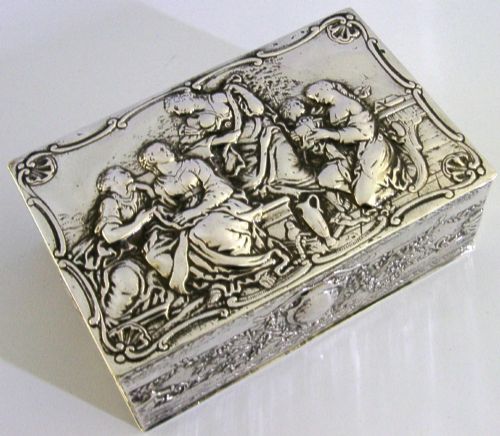
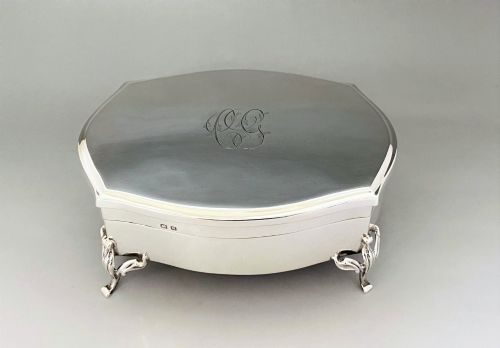
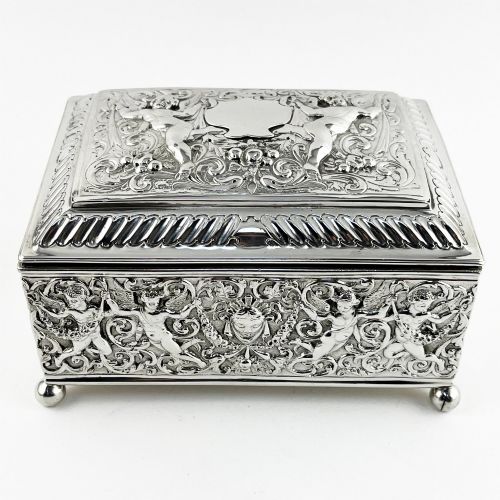
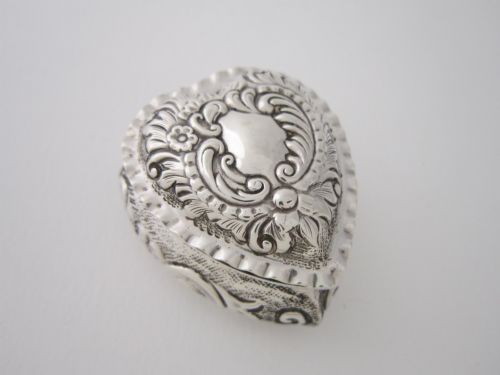
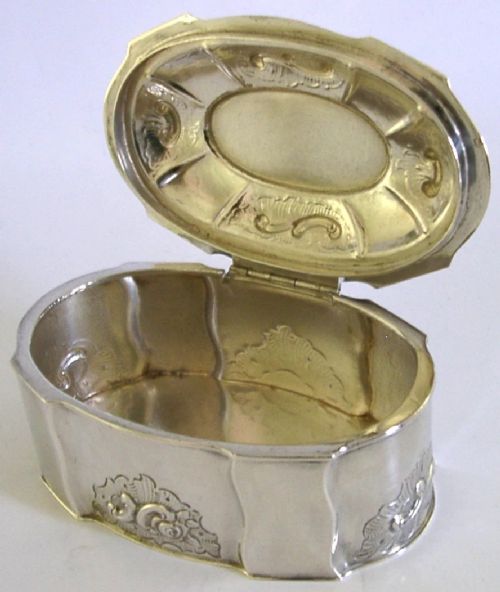
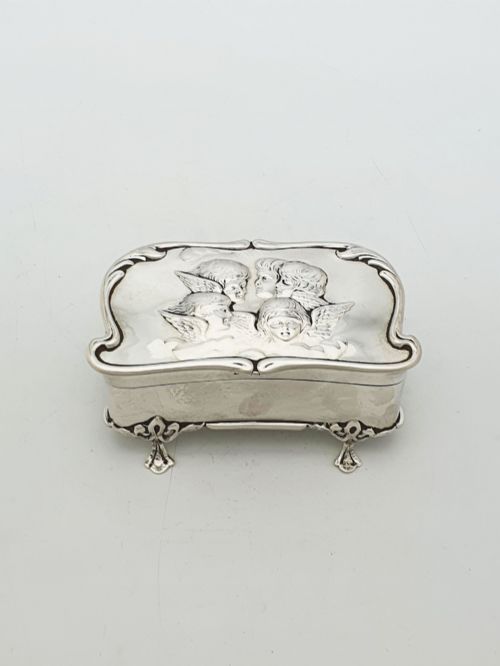
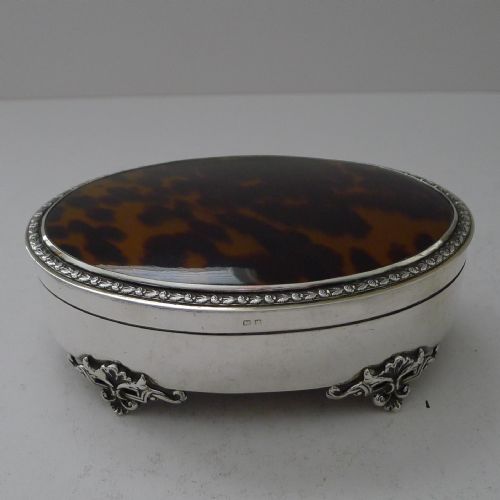

Antique Silver Jewellery Casket
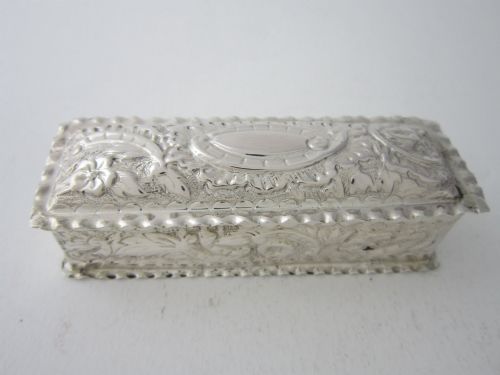
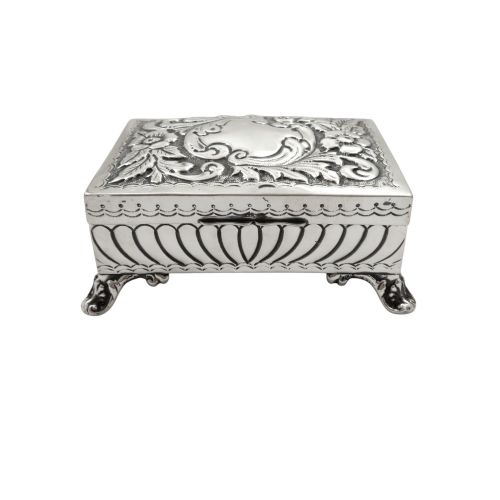
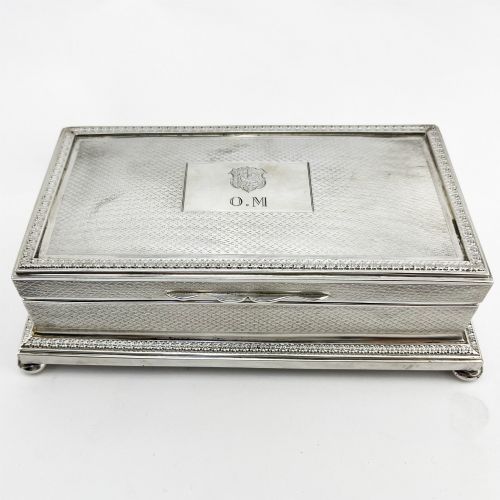
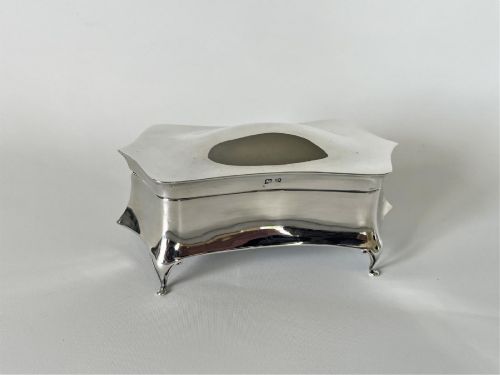
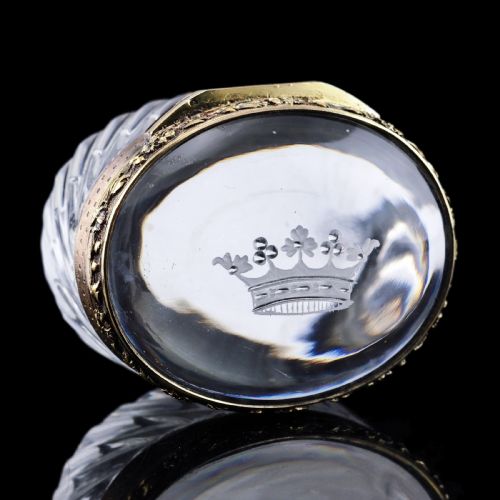
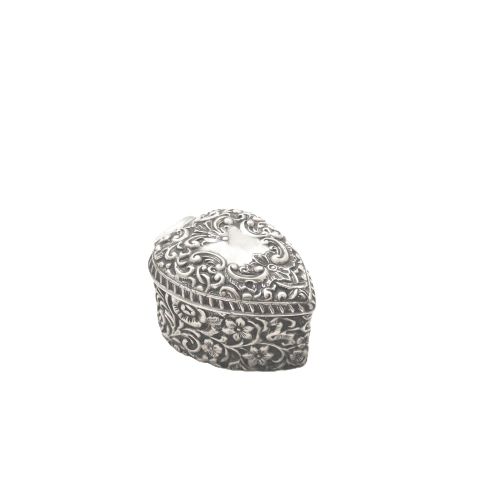
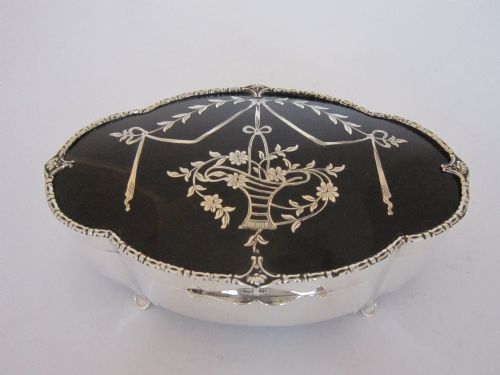
These antique silver jewellery casket pieces are fitted dressing table boxes lined in velvet, offering secure storage for rings and small treasures.
What they are
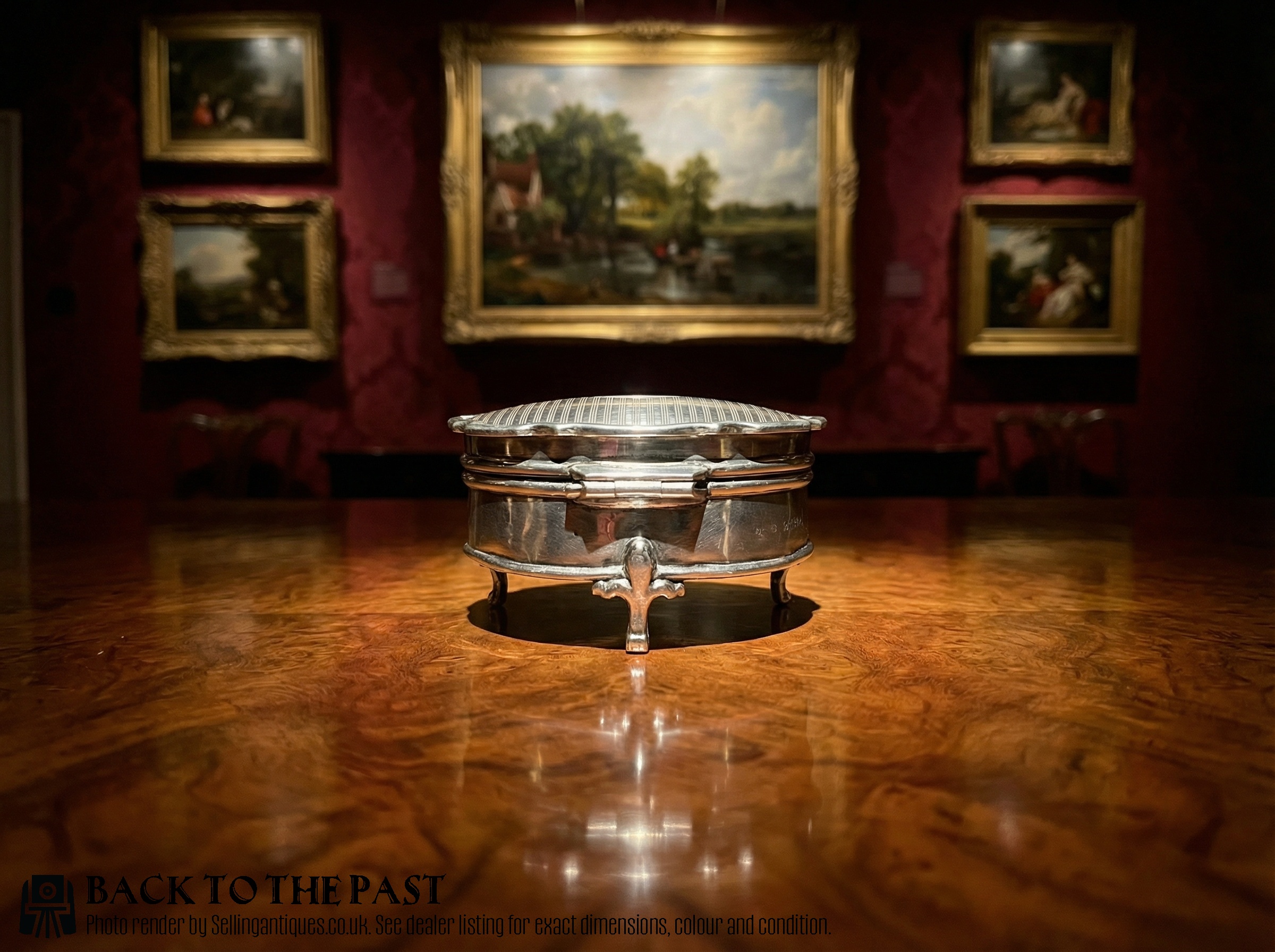
An antique silver jewellery casket serves as a dressing table box or desk top container designed to hold rings and trinkets safely. These pieces appear in forms ranging from small ring boxes to larger caskets intended for personal valuables.
The pieces on this page span the Victorian, George V, and Art Deco styles, originating from the eighteen nineties into the nineteen twenties. Buyers most frequently meet sterling silver examples featuring fitted interior linings.
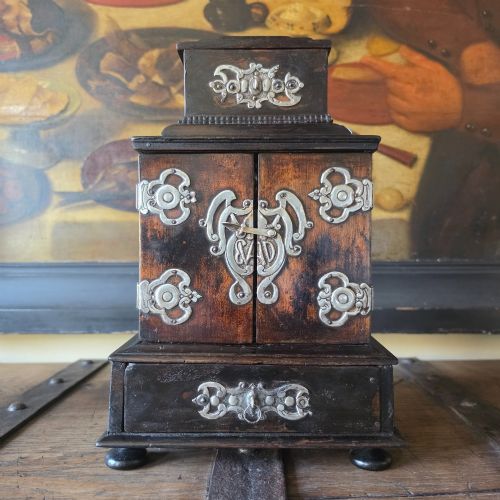
Makers produced these boxes in variations including rectangular desk top containers and smaller dressing table receptacles. Each version reflects the specific decorative taste of its respective decade.
How they were made
Silversmiths formed these caskets primarily from sterling silver, shaping the metal to create hinged lids and structured bodies. Hallmarks struck into the metal indicate the assay office, such as Birmingham, alongside the year of creation.
Interiors feature velvet lining designed to protect delicate rings and personal ornaments from scratches. Makers applied techniques of pressing, joining, and silver-plating depending on the workshop and the specific model.
Retail Price Guide 2026
Typical UK retail prices for silver jewellery casket, calculated from the Sellingantiques database of over a million retail prices indexed since 2003. This retail price guide relies exclusively on Sellingantiques data; no external sources or auction records are used, so the figures do not describe the wider market.
A tiny velvet-lined recess inside a ring box preserved generations of lost earrings.
What varies in quality
The distinction between standard examples and top-tier pieces rests on the weight of the sterling silver and the crispness of the chased decoration. Substantial gauge metal maintains its structural integrity far better than thinner alternatives over decades of handling.
Artisanal input defines the upper tier, where named makers such as William Comyns & Sons or H. Matthews applied superior finishing to the exterior panels. The quality of the interior velvet lining and the precision of the hinge alignment also mark the grade of the piece.
William Comyns & Sons·H. Matthews·Elkington & Company
The Antique Silver Jewellery Casket Glossary
- Sterling Silver
- A silver alloy containing ninety-two point five percent pure silver by mass, with the remainder consisting of other metals. This material provides the primary body for most caskets on this page.
- Hallmark
- An official stamp applied by an assay office to indicate the purity of the metal and the year of manufacture. Birmingham hallmarks frequently appear on these pieces.
- Velvet
- A type of woven tufted fabric with a dense pile, utilised to line the interior compartments of dressing table boxes. It cushions jewellery against hard metal surfaces.
- Casket
- A decorative box or chest used for storing valuables, jewellery, or keepsakes. These desktop forms generally feature hinged lids and secure closures.
Frequently Asked Questions
How do I date an antique silver box?
Dating relies upon the hallmarks stamped directly into the silver, which denote the specific assay office and year of production.
Stylistic cues from the Victorian, Edwardian, and George V periods also help determine the era of manufacture.
What are these caskets lined with?
Interiors are commonly fitted with velvet to provide a soft resting surface for rings and delicate items.
This material prevents metal-on-metal contact between the stored jewellery and the silver housing.
Where were these boxes made?
Many examples originate from English workshops, frequently bearing hallmarks from Birmingham assay offices.
Other pieces reflect continental origins from the nineteenth century.