




Antique Silver Claret Carafe
An antique silver claret carafe combines gleaming metal mounts with heavy glass to pour wine with formal grace.
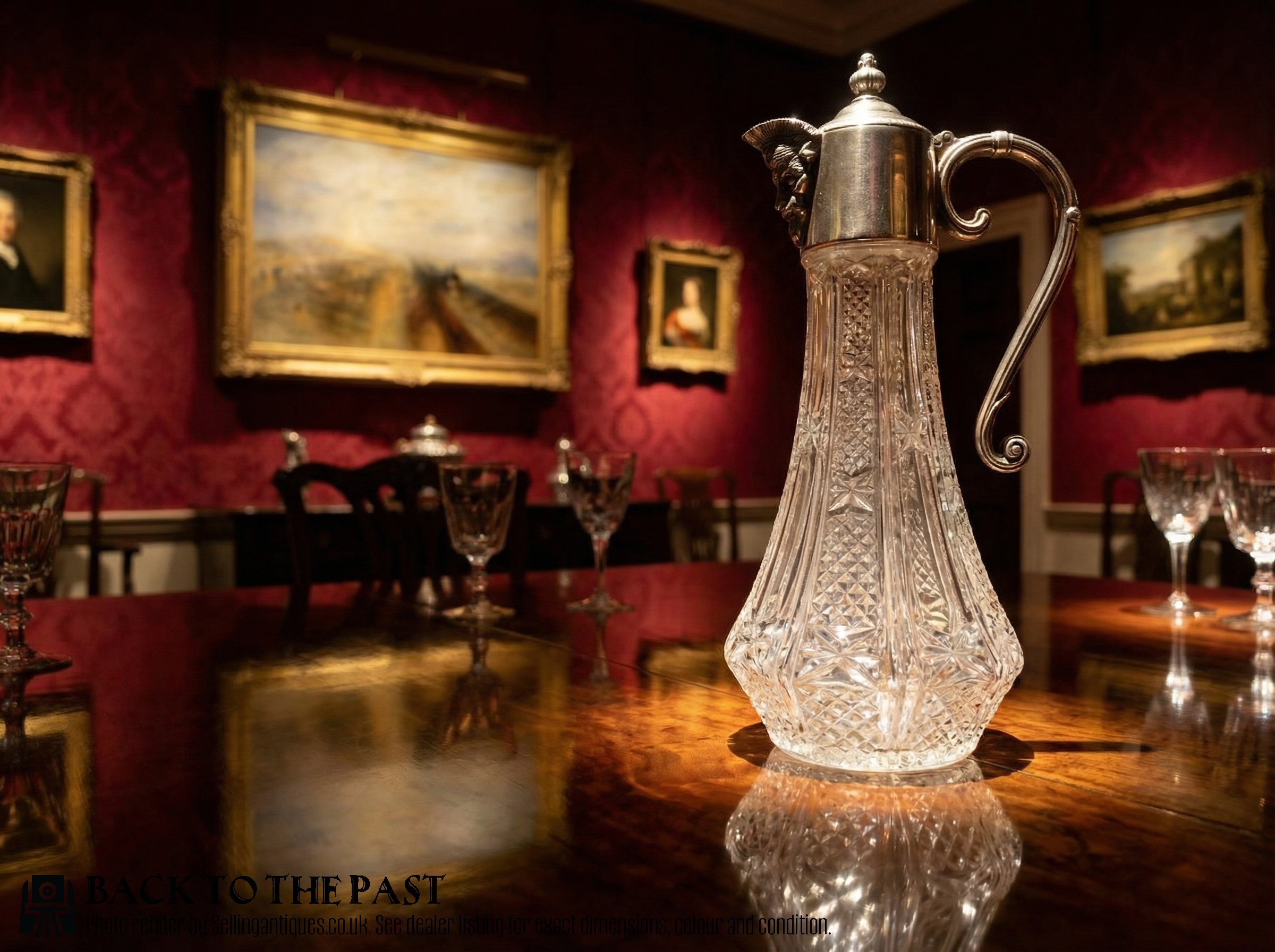
Antique Silver Claret Carafe
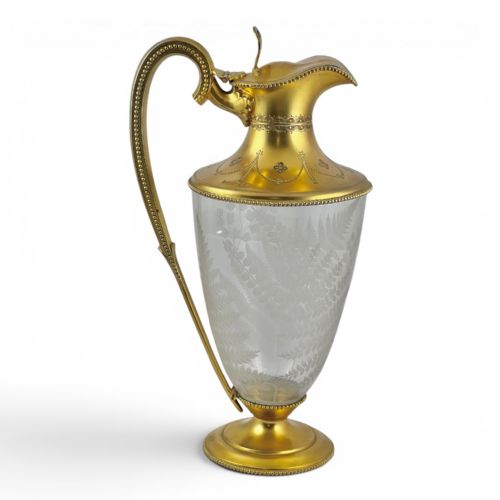
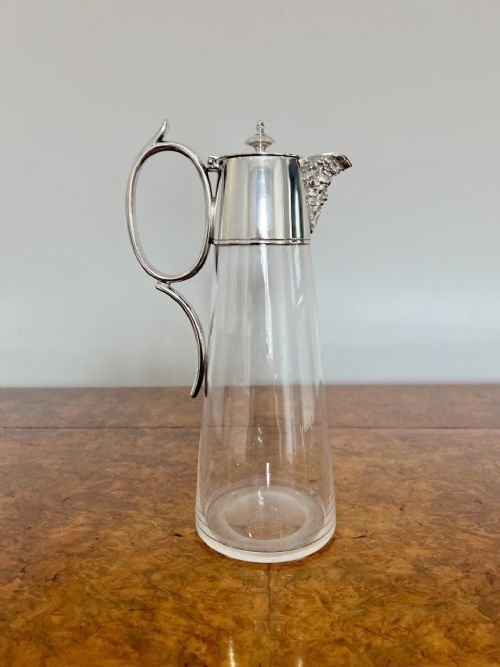
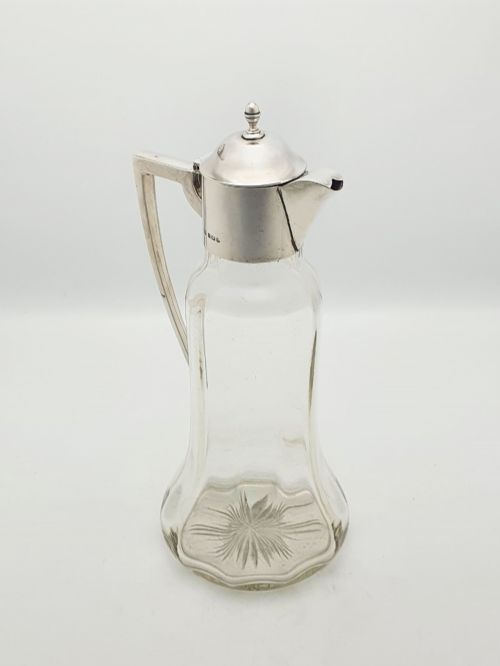
The antique silver claret carafe search phrase leads buyers to sophisticated serving vessels designed for the dining table during the nineteenth and early twentieth centuries. These pieces combine glass bodies with metal collars, handles, and hinged lids for pouring claret and other wines.
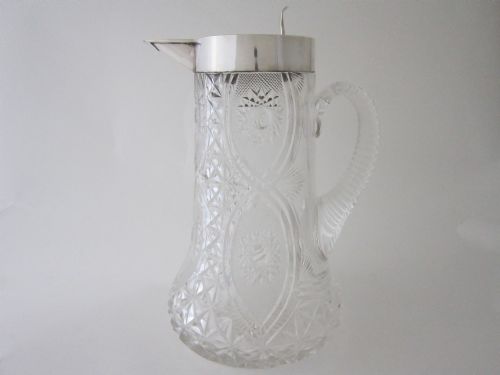
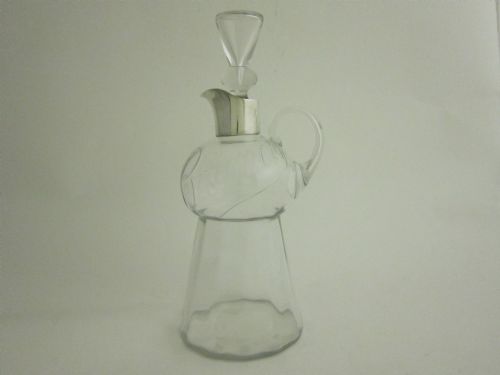
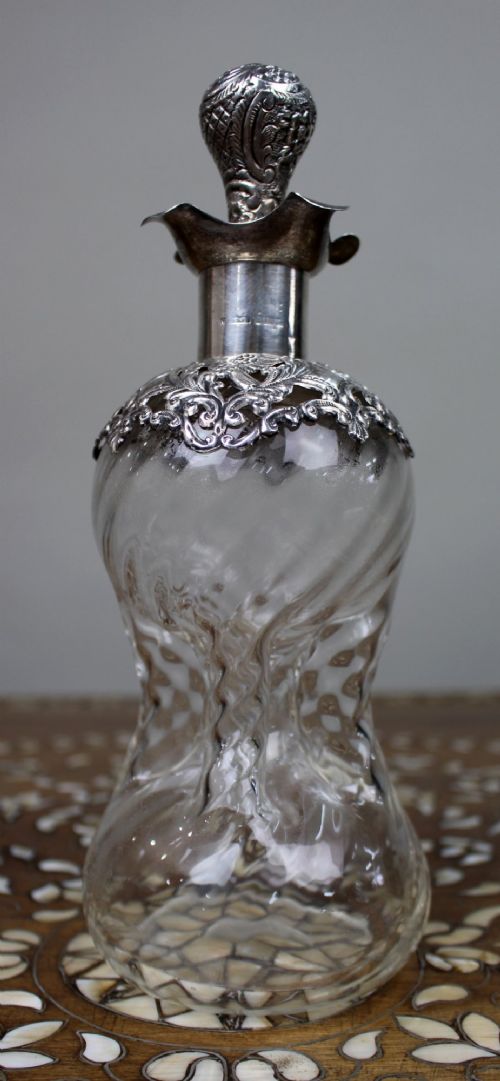
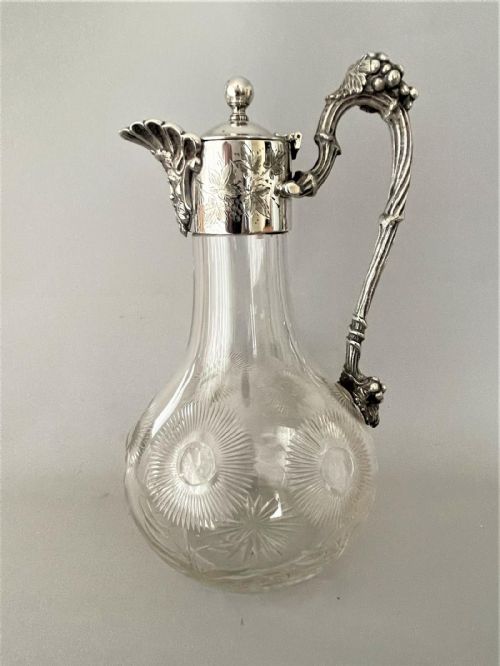
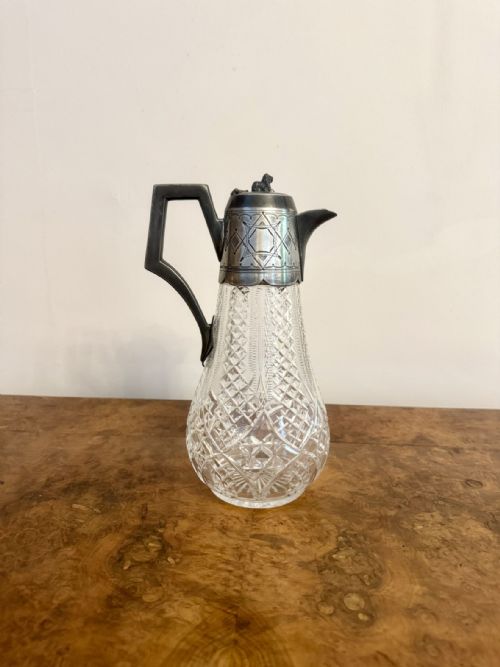
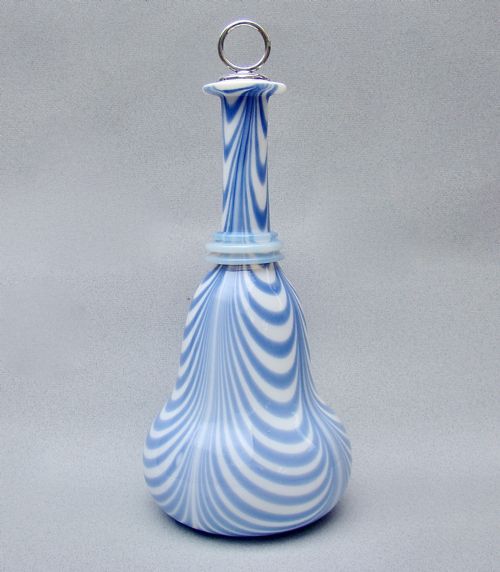
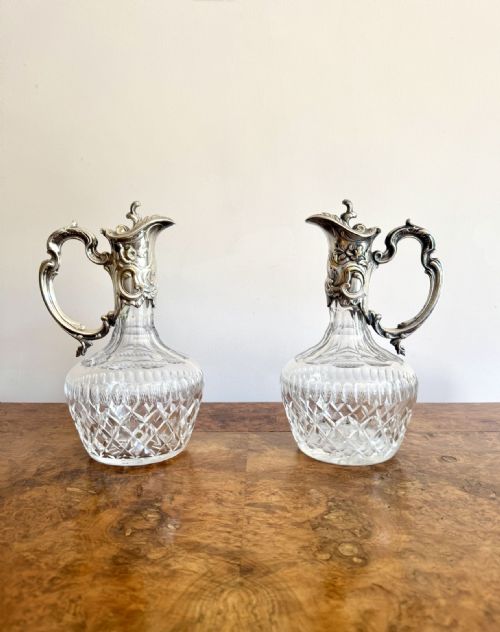
Most examples met on this page date from the Victorian and Edwardian periods, taking the form of cut glass or crystal bodies fitted with sterling silver or silver plate. Makers also utilised etched glass, cranberry glass, and Nailsea glass to create varied textures for the table.
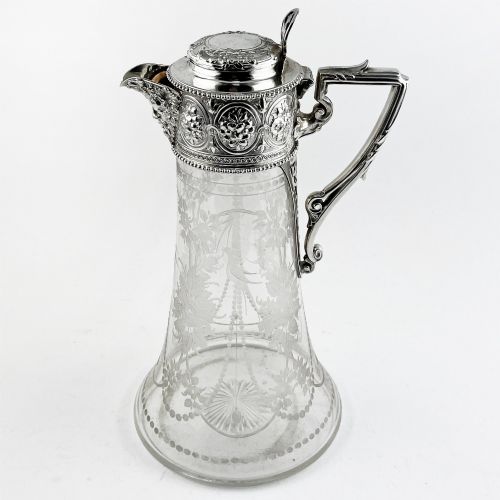
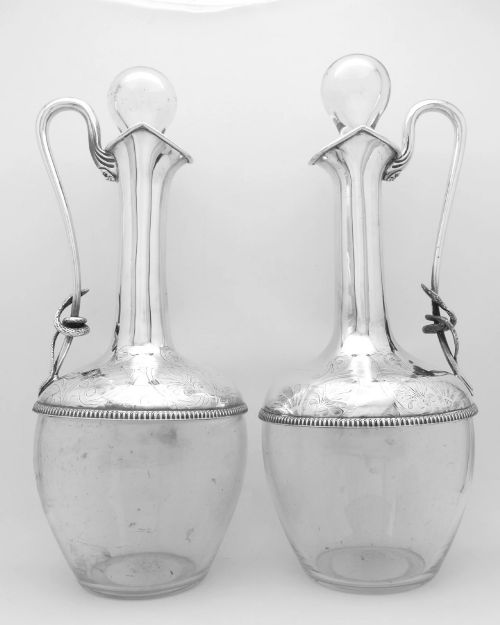
Forms range from straightforward jugs and pitchers to elaborate ewers bearing serpent handles or Bacchus masks. Buyers encounter both solid sterling silver mounts and durable silver plate applied to moulded or hand-cut glass vessels.
Materials and technique
Silversmiths formed the mounts by casting, chasing, and engraving sterling silver or silver plate to secure tight collars around the bottle necks. Handles often took sculptural shapes, requiring precise metalwork to attach securely to the glass bodies without causing stress fractures.
Glassblowers and cutters produced the vessels using heavy-walled crystal, cranberry glass, or etched glass, frequently cutting deep geometric patterns to refract candlelight on the dining table. Combining these heavy glass forms with fitted metal lids demanded exact measurement to ensure a balanced pour.
Listings feature pieces spanning the Victorian and Edwardian eras, executed in sterling silver, silver plate, cut glass, and cranberry glass.
Judging quality
Quality rests in the harmony between the metal mount and the glass body, where crisp hand-cutting on the crystal matches the precision of the silversmith's chased detail. Heavy-gauge metal and thick, clear glass indicate superior execution by established makers.
Proportion and handling comfort distinguish finer items from standard production pieces, particularly in the weight of the silver and the smooth action of the hinged lid thumbpiece.
Asprey and Co. Ltd·Mappin and Webb·Tiffany·Hukin and Heath·Elkington·William Davenport
The Antique Silver Claret Carafe Glossary
- Silver Plate
- A thin layer of silver fused or electroplated onto a base metal such as copper or Britannia metal. This technique allowed makers to produce elaborate vessels at a lower cost than solid sterling silver.
- Sterling Silver
- An alloy consisting of ninety-two point five percent silver and seven point five percent other metals, typically copper. It provides the durability and bright finish required for fine dining accessories.
- Claret Jug
- A specialised pouring vessel created to hold red wine at the table during the Victorian and Edwardian eras. They typically feature a hinged lid and a handle for easy serving.
- Crystal
- A type of glass containing lead oxide, which increases the weight, brilliance, and clarity of the material. This composition allows for deep, sharp wheel-cutting.
- Bacchus Mask
- A decorative motif depicting the face of the Roman god of wine, often incorporated into the spouts or mounts of serving vessels. It reflects the classical themes popular in nineteenth-century design.
Antique Silver Claret Carafe: Frequently Asked Questions
Were these vessels used only for claret?
While intended primarily for serving red wine at formal dinners, these containers held water, lemonade, and other beverages depending on the occasion. Examples fitted with internal ice tubes kept drinks chilled without diluting the contents.
Victorian dining habits involved various specialised vessels for different stages of the meal, allowing hosts to match the glassware to the drink served. Today, many owners use them for water or white wine as well.
How can I tell a Victorian carafe from an Edwardian one?
Victorian examples often display heavier, more exuberant ornamentation such as floral engraving, elaborate etching, or classical Revival motifs. The glass tends to feature deep, bold cutting patterns designed to catch heavy gas or candlelight.
Edwardian pieces frequently embrace lighter aesthetic movements, displaying cleaner lines, simpler cut crystal, or stylised floral forms. Maker's marks and hallmarks stamped on the silver mounts provide the most reliable dating evidence.
What is Old Sheffield Plate?
Old Sheffield Plate is an early composite material made by fusing a sheet of silver to a copper core before rolling them into sheets together. This method produced durable items with a genuine silver surface long before electroplating was invented.
Pieces made with this technique often reveal a thin line of copper showing along exposed edges where the metals meet. It remains highly prized by collectors for its soft lustre and historical significance.