
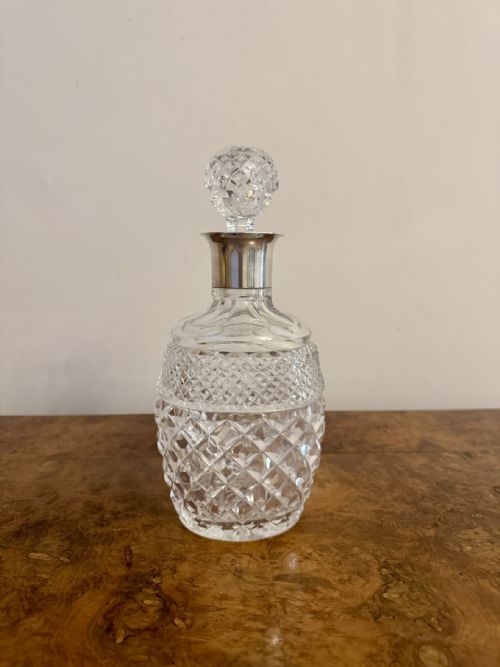
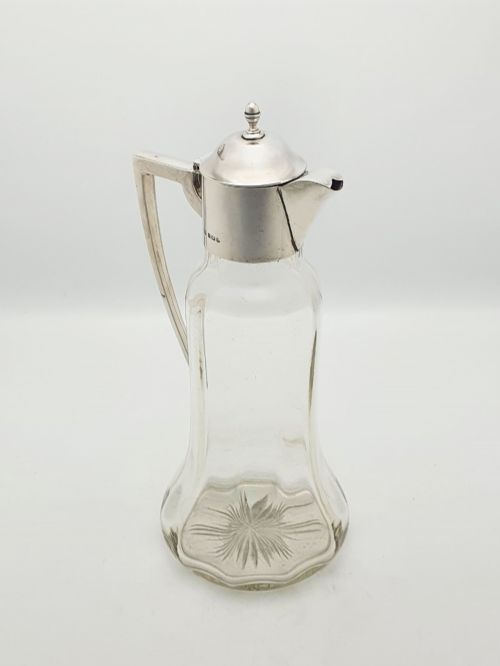
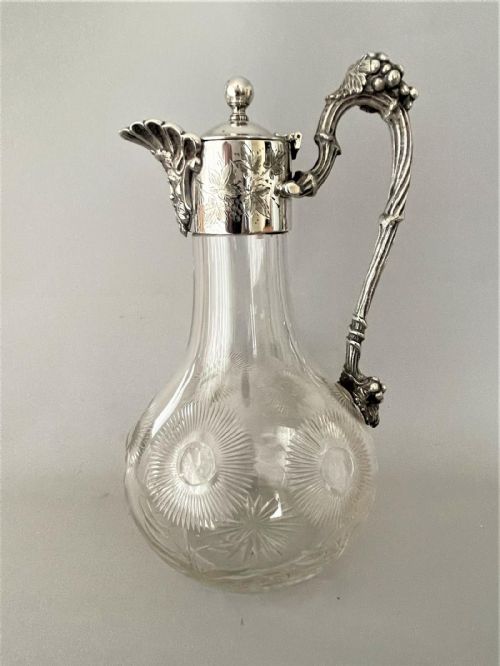
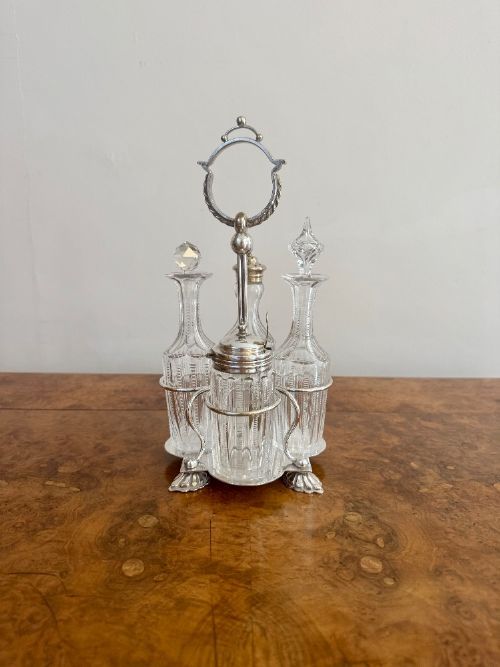
Silver Cut Glass Decanter
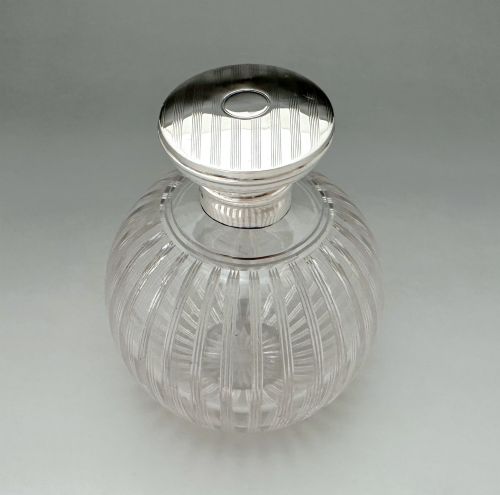
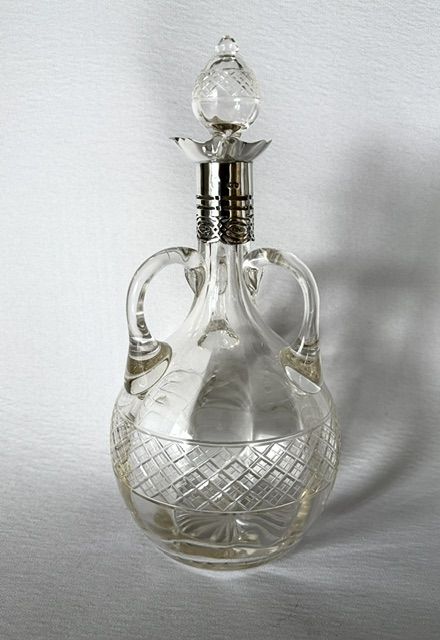
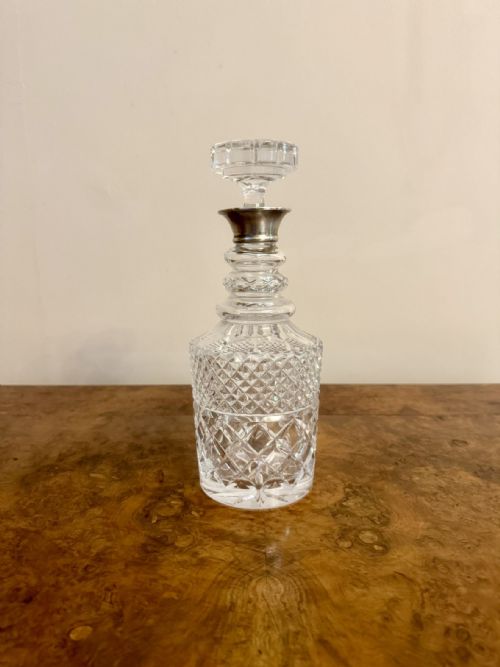
A silver cut glass decanter brings together heavy faceted crystal and gleaming metal mounts, offering an enduring centrepiece for serving spirits and wine.
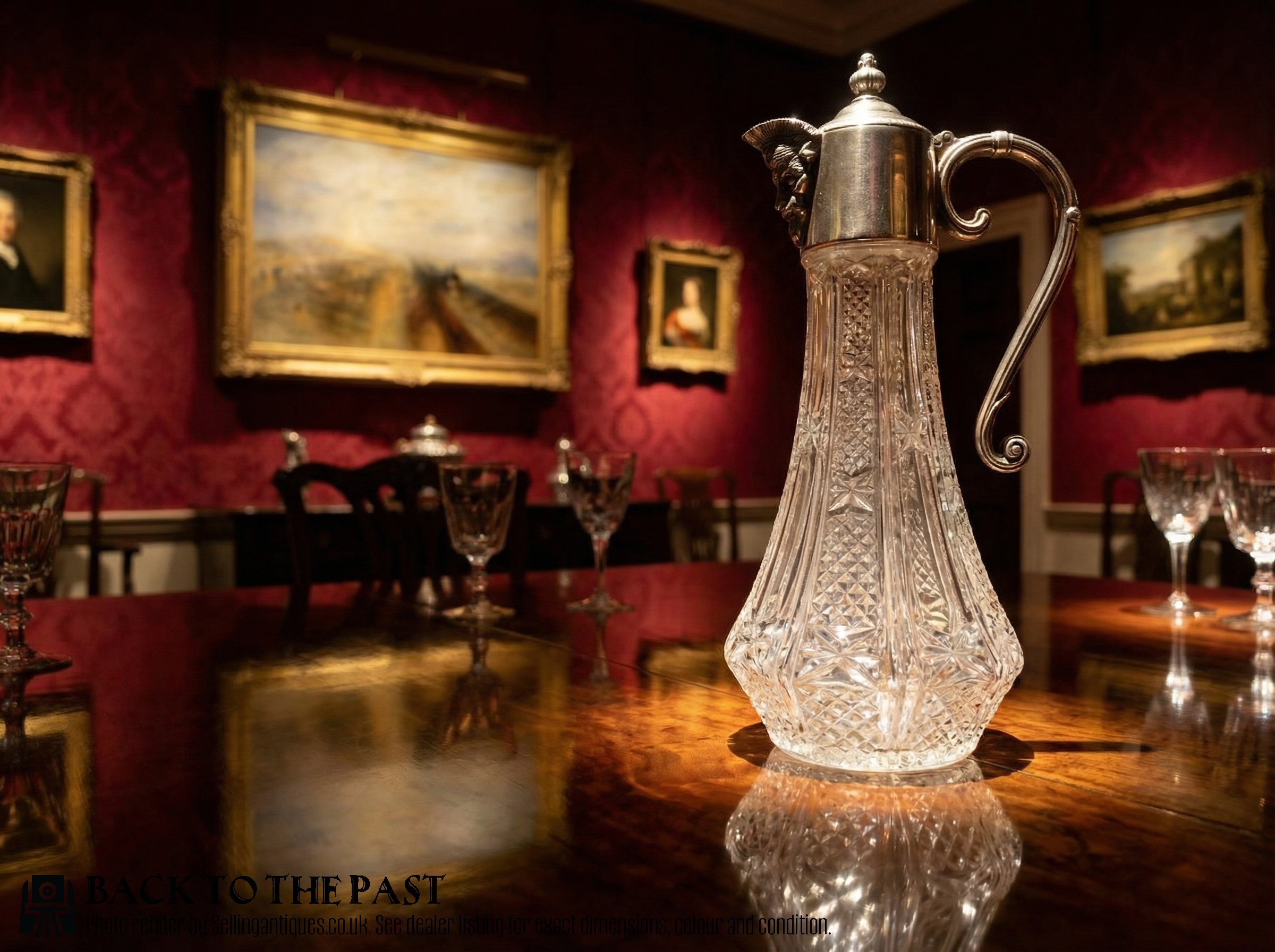
Silver Cut Glass Decanter
A silver cut glass decanter combines a heavy glass or crystal body with metallic rims, stoppers, or collars. Buyers searching this phrase meet numerous examples originating from the Victorian, Edwardian, and George V periods.
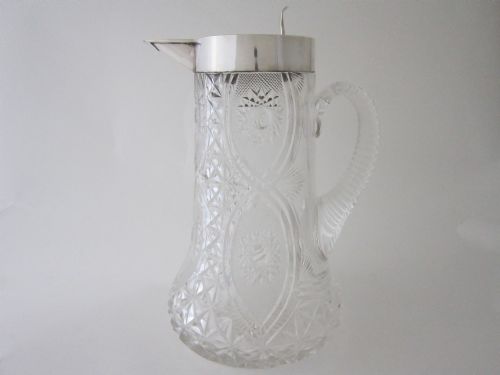
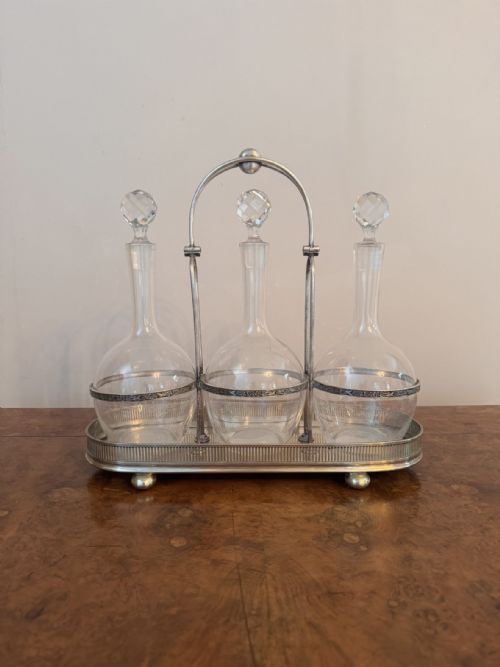
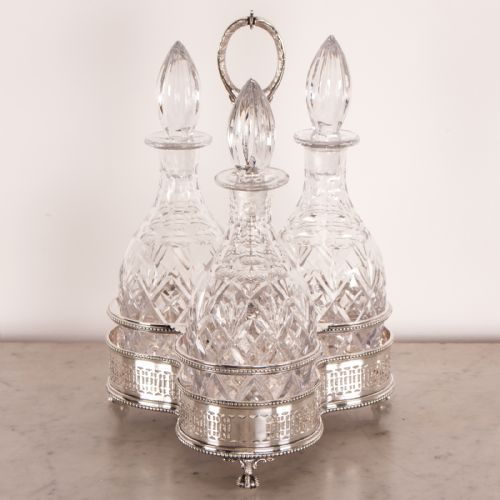
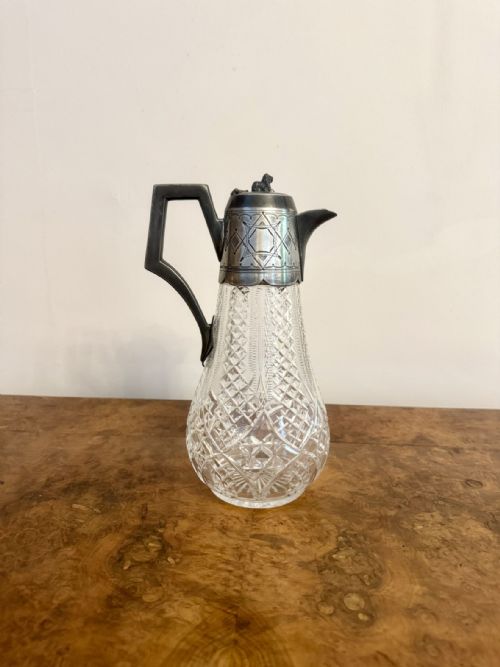
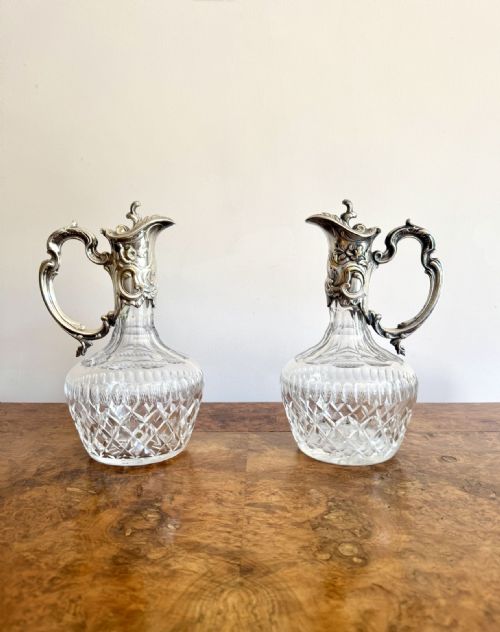
The selections span standard table vessels, ship's decanters with broad bases for stability at sea, and tall claret jugs featuring hinged lids and integral handles. Many pieces appear singly, while others form matched pairs or sit within silver plated stands.
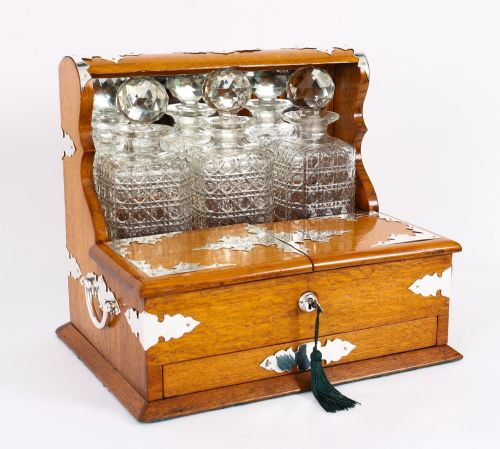
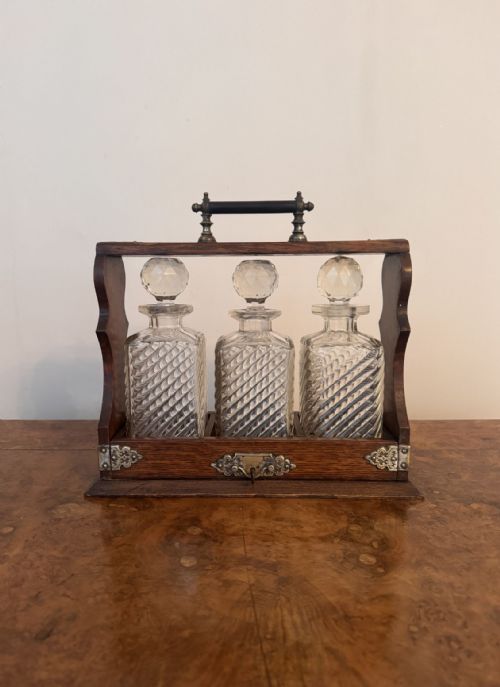
Beyond traditional wine and spirit bottles, the category embraces related barware such as whisky noggins, oil and vinegar cruets, and elaborate locking tantalus sets housed in oak frames.
How they were made
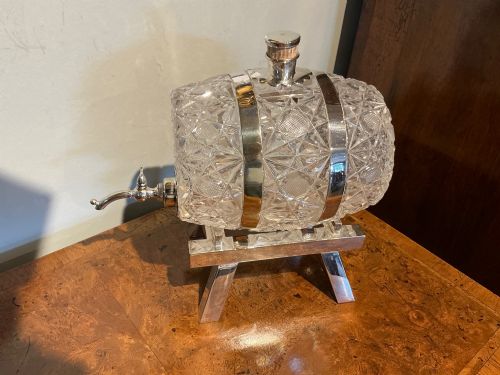
Bodies were formed from clear or occasionally coloured glass and crystal, shaped either by blowing into moulds or hand-cutting deep geometric patterns to catch the light. Heavy wheel-cutting produced sharp hobnail facets, flutes, and star-cut bases.
Mounts, collars, and stoppers utilise sterling silver or silver plate, frequently bearing hallmarks that indicate the assay office and year of manufacture. Metals were worked through spinning, casting, and repoussé decoration before being secured to the glass necks with specialised adhesives.
Wooden elements in related frames and tantalus units make use of solid oak, often incorporating brass locking bars, fitted interiors, and games compendiums alongside the glass vessels.
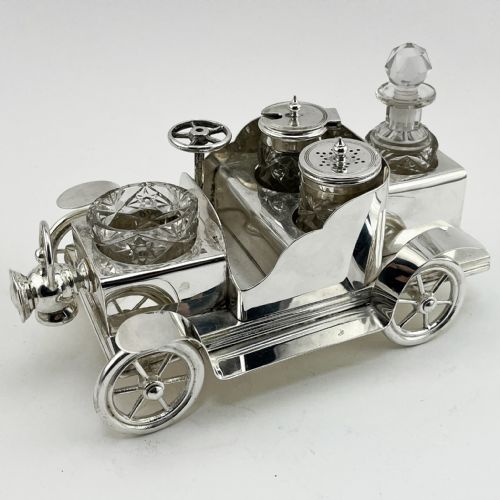
Victorian motorists enjoyed mobile hospitality through portable cruet sets designed to fit inside vintage automobiles.
What varies in quality
The depth and crispness of the glass cutting dictate much of the visual merit, with superior pieces displaying sharp, clean facets that remain smooth to the touch rather than shallow or blurred impressions. Weight and clarity of the metal-infused crystal also signal higher production standards.
The gauge of the silver or silver plate used for the collars and pouring lips determines longevity, alongside the mechanical integrity of hinged lids and thumbpieces on claret jugs. Maker attributions to established silversmiths or retailers add distinction to the metalwork.
Completeness alters desirability, particularly regarding matching stoppers, original silver wine labels, and undamaged locking mechanisms on tantalus frames.
Walker and Hall·Mappin and Webb·Charles Thomas Fox·Asprey
The Silver Cut Glass Decanter Glossary
- Hobnail cut
- A pattern of close-set, pointed glass pyramids resembling the hobnails on rustic boots. This deep cutting style maximises light refraction across the body.
- Tantalus
- A locking wooden frame that holds decanters securely while displaying the contents behind a metal bar. The design prevents guests from pouring drinks without a key.
- Claret jug
- A pouring vessel designed specifically for red wine, featuring a handle and a hinged metal spout. Victorian examples frequently combine ornate silver plate with deeply carved glass.
- Noggin
- A small spirit measure or miniature decanter equipped with a single handle and a pouring lip. These typically hold a single serving of whisky or brandy.
- Hallmark
- A stamped official mark on silver elements indicating the standard of purity, the assay office, and the date letter. These marks allow precise dating of the metal mounts.
Silver Cut Glass Decanter: Frequently Asked Questions
How do I date a decanter?
Dating relies primarily on the silver hallmarks found on the collar, mount, or stopper. These stamps record the specific assay office and year of manufacture.
Stylistic shifts in the glass cutting and the shape of the bottle also help assign pieces to the Victorian, Edwardian, or later periods.
Can I use these for serving wine?
These vessels function effectively for serving wine and spirits provided the interior is thoroughly cleaned. Many owners continue to use period decanters for daily dining and entertaining.
Careful hand washing is required to protect both the old glass and the original silver mounts from harsh detergents.
Why do some decanters have wide bases?
Ship's decanters feature a distinctive conical shape with a broad, heavy base designed to prevent tipping during rough seas. This practical form kept the contents stable aboard sailing vessels.
Collector demand remains high for these maritime variants due to their distinctive silhouette and space-saving proportions.