

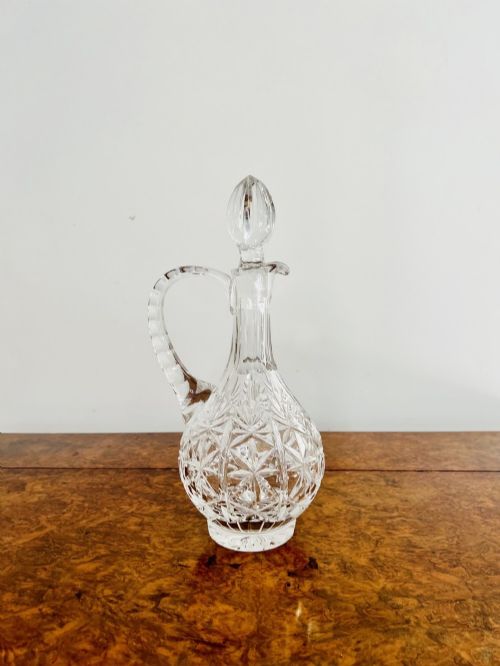
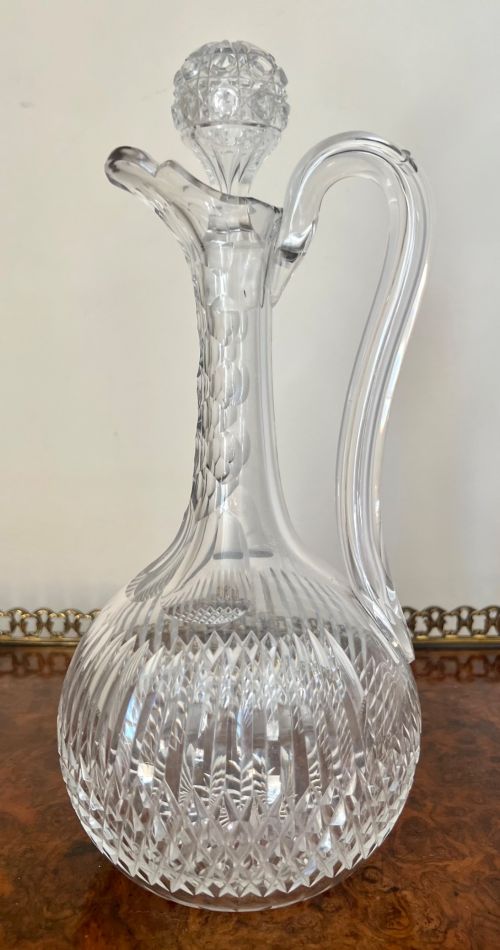
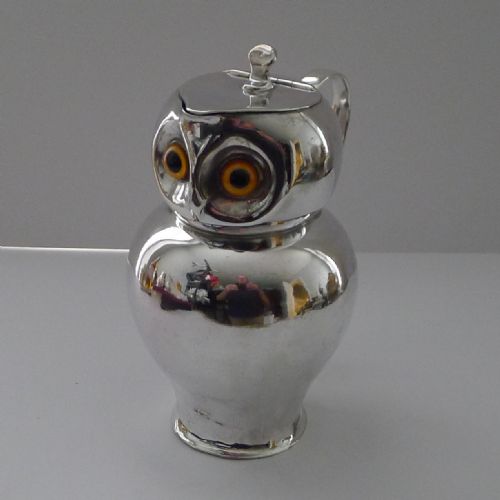
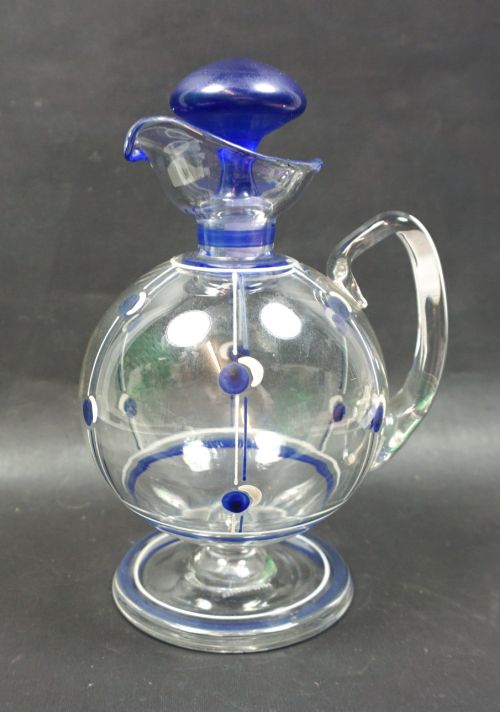
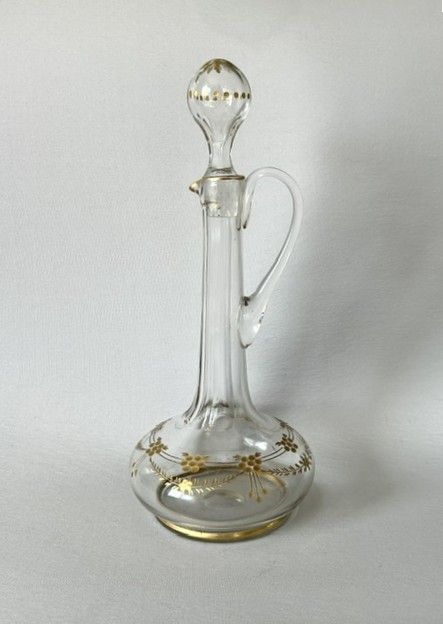

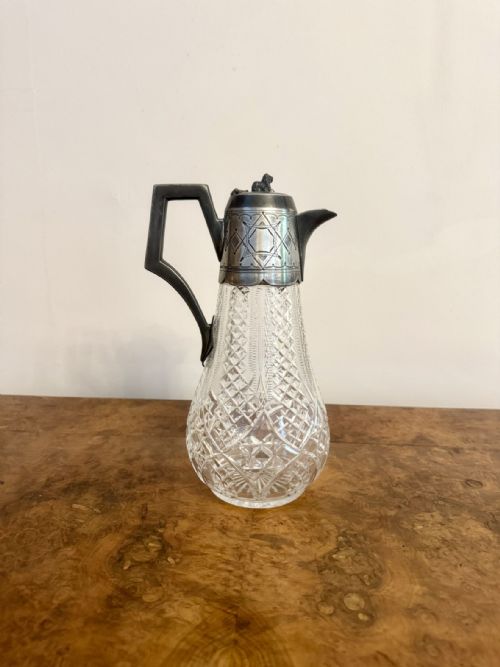
Glass Claret Pitcher
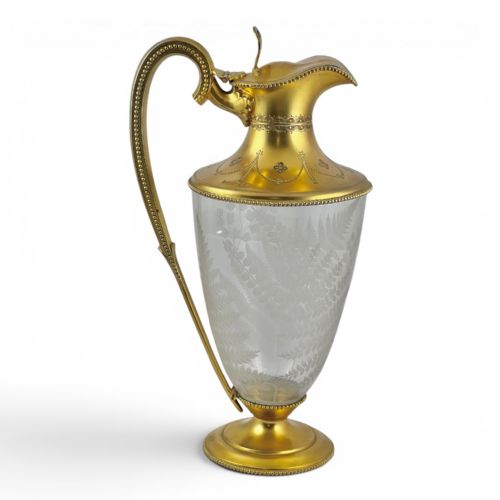
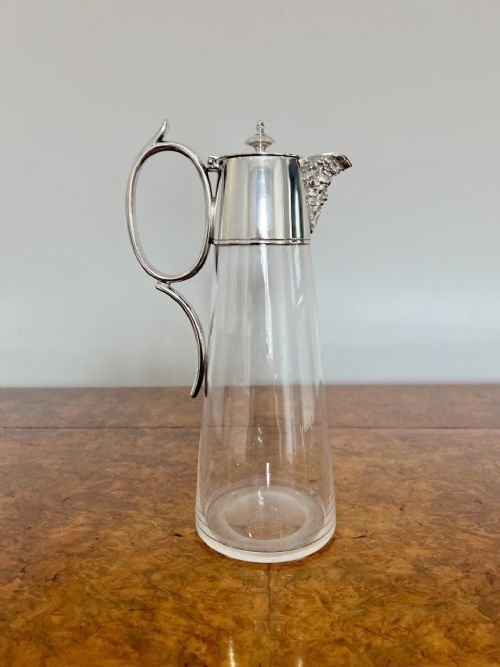
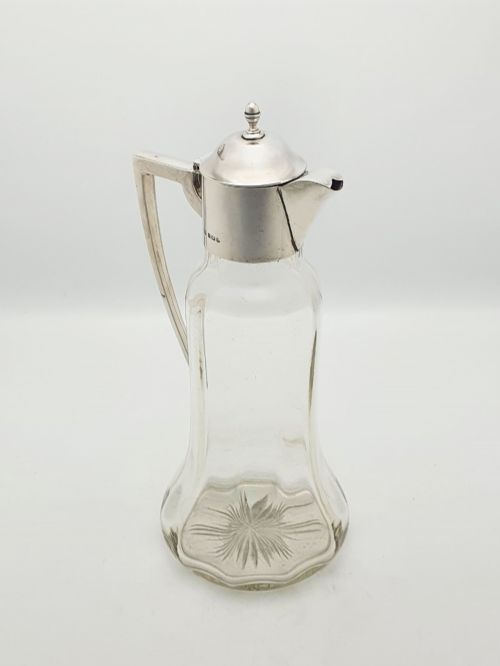
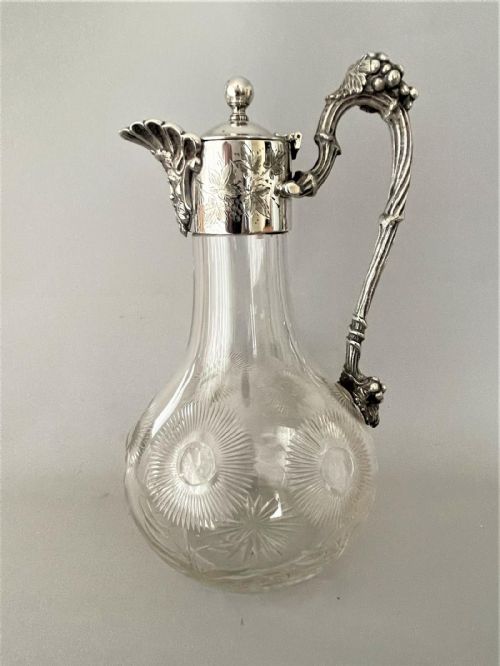
A glass claret pitcher brings the elegance of the dining table to life, combining sparkling crystal with precious metal mounts.
Glass Claret Pitcher
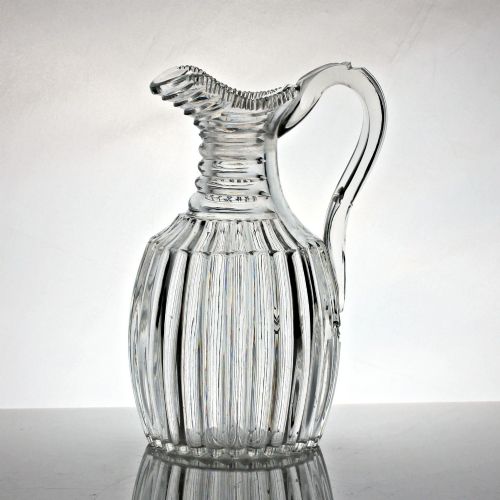
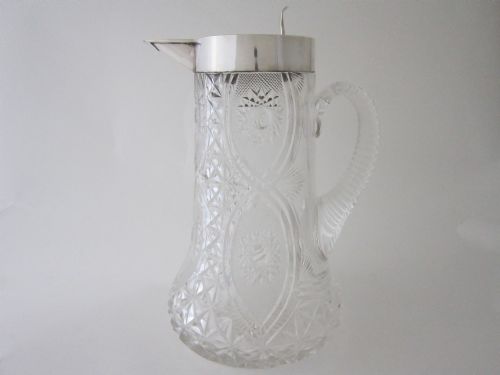
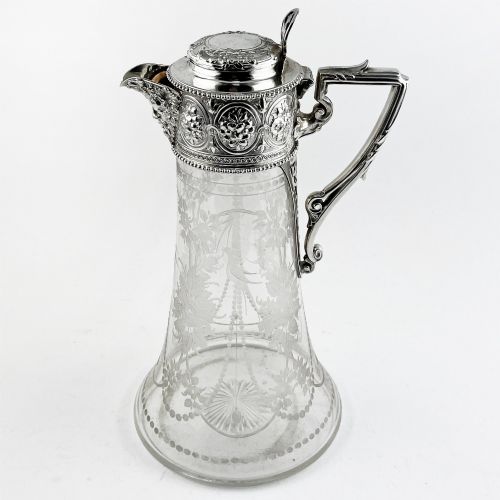
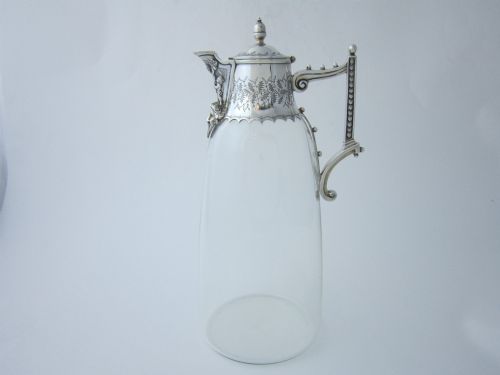
When searching for a glass claret pitcher, collectors examine vessels designed specifically for serving wine at the table. These pieces combine transparent or coloured vessels with metal hardware to create functional tableware.
The selections on this page span the Victorian and Edwardian eras through to the Art Deco period. Common forms include tall ewers, cut glass decanters, and silver-mounted jugs utilised for serving claret and other wines.
Originating predominantly from English workshops and continental makers such as those in Bohemia, these vessels reflect the dining habits of the nineteenth and early twentieth centuries.
Materials and Construction
The body of a glass claret pitcher relies on clear glass, crystal, or coloured glass such as cranberry and green variants. Artisans shaped these vessels through blowing and moulded techniques before applying intricate cut patterns or floral engravings.
Mounts, handles, and hinged lids consist of sterling silver, silver plate, or pewter. Silversmiths cast and chased these metal elements, often incorporating figural motifs like Bacchus masks, serpents, or novelty animal forms.
Listings feature vessels from the Victorian, Edwardian, and Art Deco periods, utilising cut glass, sterling silver, silver plate, and pewter.
Judging Quality
The distinction between standard examples and superior pieces rests upon the clarity and depth of the glass cutting. Sharp, precise facets catch the light cleanly, whereas softer mouldings indicate mass production.
Metalwork quality determines the tier of the piece. Heavy gauge sterling silver mounts, crisp chasing, and secure hinge mechanisms separate exceptional vessels from standard silver-plated items.
Asprey and Co. Ltd·Mappin and Webb·Liberty Co England
The Glass Claret Pitcher Glossary
- Cut glass
- Glassware decorated by grinding facets or patterns into the surface using wheels. This technique creates reflective surfaces that enhance the appearance of the wine inside.
- Silver plate
- A base metal coated with a thin layer of silver. Many Victorian and Edwardian dining vessels utilised this method to achieve the look of solid silver at a lower cost.
- Crystal
- A type of glass containing lead oxide, which increases weight, brilliance, and clarity. It allows for deeper cutting without fracturing the material.
- Ewer
- A large pitcher with a wide spout and a curved handle. These vessels served water or wine at the formal dining table.
- Bacchus mask
- A decorative motif depicting the face of the Roman god of wine, wreathed in vine leaves. Silversmiths frequently placed this feature on the spouts of claret jugs.
Glass Claret Pitcher: Frequently Asked Questions
Were these pitchers only used for claret?
While designed primarily for serving red claret at the dining table, these versatile vessels accommodated other wines, water, and lemonades. Period variations often included ice tubes to keep beverages chilled during long meals.
Today, collectors utilise them for decanting contemporary wines or display them as decorative dining room silver and glassware.
How do I distinguish Victorian from Edwardian pieces?
Victorian examples generally feature heavier, more ornate ornamentation such as deep pillar cutting, floral engravings, and elaborate silver-gilt mounts. The forms tend towards robust proportions and classical revival styles.
Edwardian pieces often reflect lighter aesthetics, incorporating crisp geometric cuts, Art Nouveau influences, and slender profiles. Hallmarks on the silver mounts provide definitive dates for manufacture.
What is latticinio decoration on glass?
Latticinio is a technique involving opaque white or coloured glass threads embedded within clear blown glass. This creates delicate net or lace patterns across the body of the vessel.
It requires considerable skill from the glassblower to maintain even spacing of the threads during shaping.