


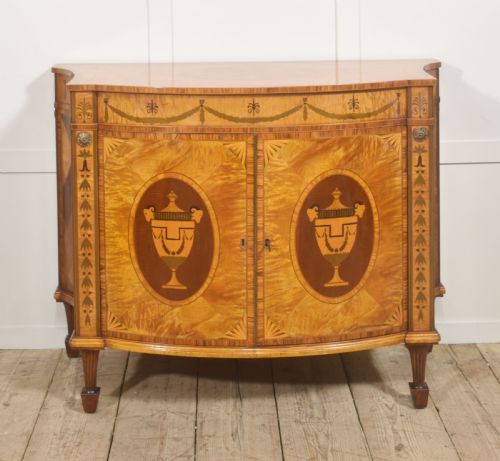


Antique Sideboard Urns
Antique sideboard urns are stately dining room accessories designed to hold cutlery or heat water, bringing formal classical elegance to a room.
Materials and construction methods
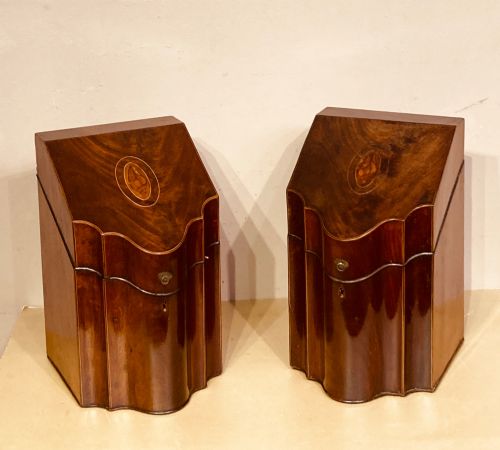
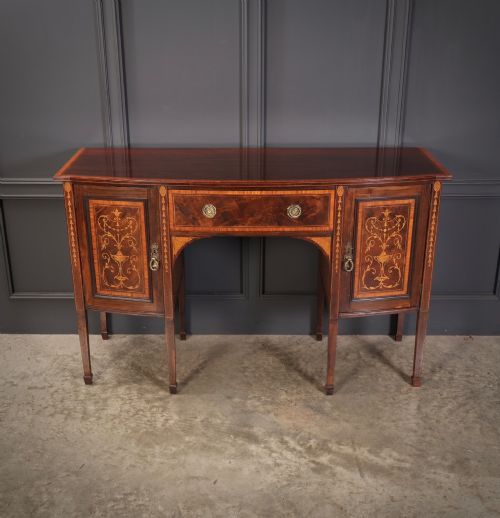
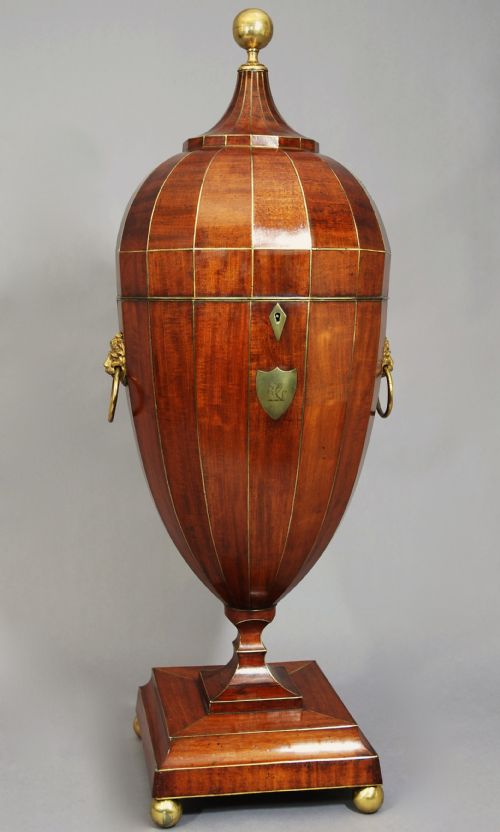
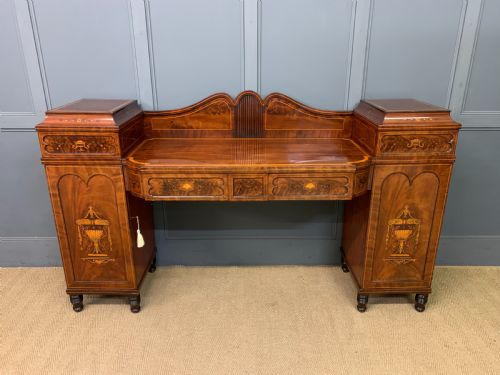
Cabinet makers utilised dense hardwoods such as mahogany and walnut, frequently enhancing plain surfaces with satinwood veneer, boxwood stringing, and elaborate marquetry inlay. Cutlery urns were often turned from solid timber sections or constructed with staves before being shaped into classical vase silhouettes.
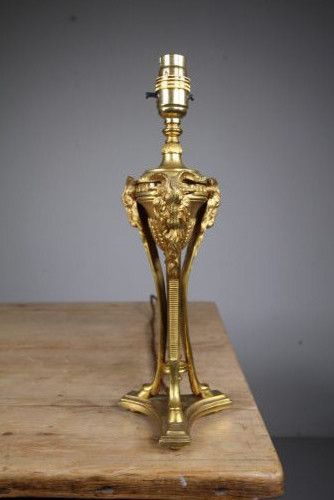
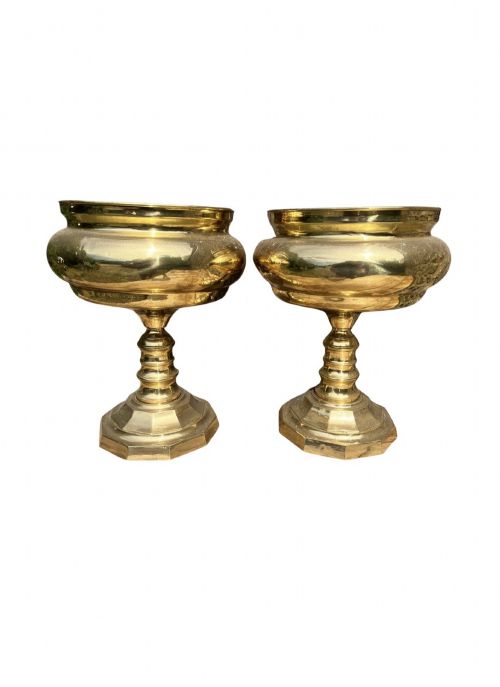
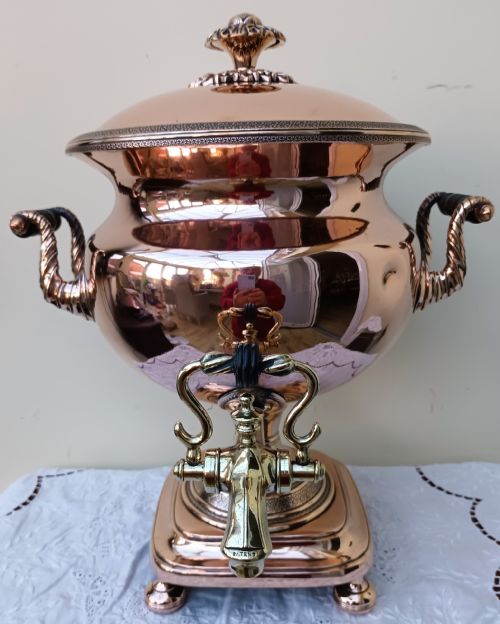
Metal vessels like copper samovars and tea urns display skilled hand-beating, joining, and polishing, sometimes accented with brass spouts, handles, and ormolu mounts. Makers of later table lamps adapted these traditional metal and ceramic bodies with electrical fittings, preserving the patinated finish of the original bronze, brass, or marble.
Distinguishing quality across the range
Quality rests on the crispness of the carving, the precision of the marquetry inlay, and the retention of original interior fittings for cutlery urns. Pieces that utilise finely figured timber veneers and maintain a rich, unblemished patina show superior original craftsmanship.
In metalwork, the weight of the copper or brass, the neatness of the soldered seams, and the retention of original cast mounts or taps set the finer vessels apart from standard utilitarian examples. The integration of decorative elements like ormolu rams heads or painted panels elevates the visual impact of the piece.
Dinner guests once trusted copper samovars to keep their tea hot while dramatic rams head mounts stared stoically from the sideboard.
Edwards and Roberts
The Antique Sideboard Urns Glossary
- Samovar
- A heated metal container traditionally used to boil water for tea in Russia and adopted into British dining rooms. These large vessels are typically fashioned from copper or brass with central heating pipes.
- Marquetry
- Decorative woodwork where small pieces of coloured wood veneer are assembled into intricate patterns. This technique frequently ornaments the curved surfaces of satinwood and mahogany cabinets.
- Ormolu
- Gilt bronze ornamentation applied to furniture, lamps, and decorative vessels. The technique involves treating metal with a mercury and gold amalgam to achieve a rich golden lustre.
- Serpentine
- A furniture front curving outward in the centre and inward at the sides. This rhythmic line appears on finer mahogany knife boxes and sideboards of the Georgian period.
- Demi-lune
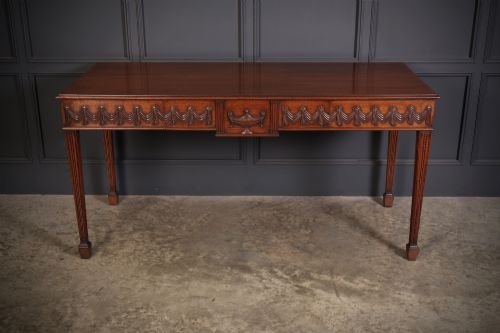
- A half-moon shape used for the ground plan of small side cabinets and console tables. These pieces fit snugly against dining room walls beneath large mirrors or paintings.
Antique Sideboard Urns: Frequently Asked Questions
What is an antique sideboard urn used for?
These vessels originally served practical dining functions, such as holding table knives or providing hot water for tea service during large household dinners. Today, collectors primarily utilise them as decorative focal points on sideboards, serving tables, and side cabinets.
Wooden urns and knife boxes kept cutlery organised and protected from damp air, while copper samovars sat prominently on side tables to facilitate hospitality. Their sculptural classical shapes meant they remained displayed even when their original domestic purpose ceased.
How do I tell a Georgian urn from a Victorian copy?
Georgian pieces display the proportion, timber selection, and construction techniques characteristic of 18th-century cabinet making, such as hand-cut dovetails and genuine age-related patina. Victorian and later revival pieces often utilise machine-sawn elements and different secondary woods.
Examining the interior linings, hinges, and locks of wooden cutlery urns offers clues to their age. Makers working during the Sheraton Revival period in the late 19th century copied earlier forms closely, making timber analysis essential.
Can I use an old copper samovar as a lamp?
Many antique copper and brass vessels are converted into table lamps while retaining their original spouts, handles, and patinated metal bodies. This conversion allows fragile or incomplete vessels to find a practical role in modern interiors.
When purchasing a converted lamp, check whether the wiring has been updated to meet current safety standards by a qualified electrician. The underlying metal body should remain unaltered where possible to preserve its historical character.
How do I care for mahogany and satinwood furniture?
Fine mahogany and satinwood surfaces require protection from direct sunlight, extreme temperature fluctuations, and excessive moisture. Regular dusting with a soft, dry cloth maintains the lustre of the wood.
Avoid using silicone-based polishes, opting instead for traditional beeswax applied sparingly and buffed gently. This nourishes the timber and preserves the depth of the finish over decades of domestic life.