
Antique Sheffield Silver
Antique sheffield silver encompasses domestic wares and table service pieces originating from Georgian, Victorian, and later periods.
Antique Sheffield Silver
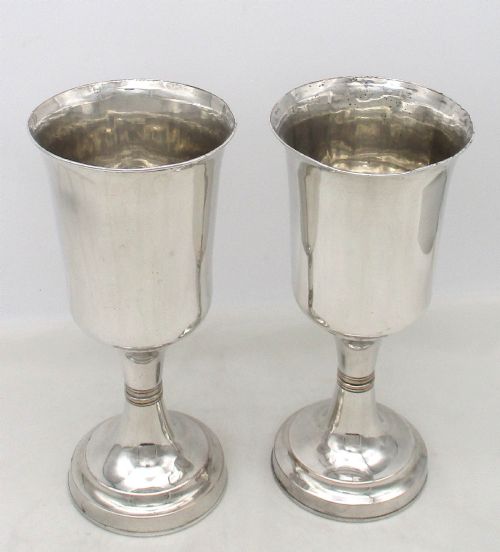
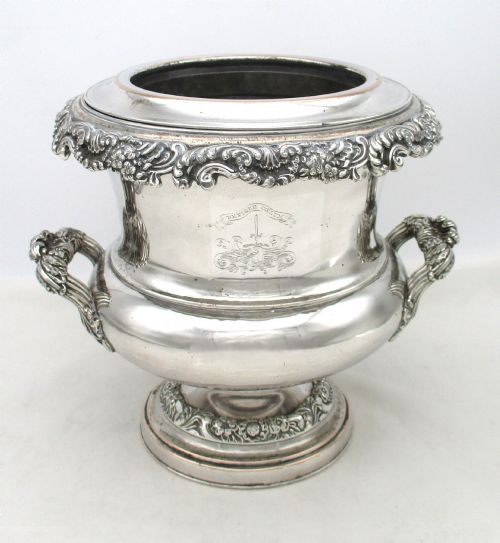
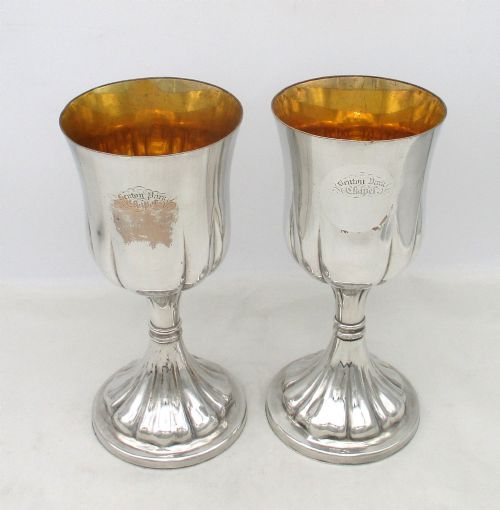
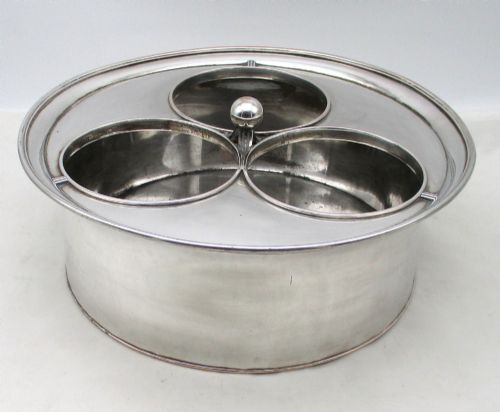
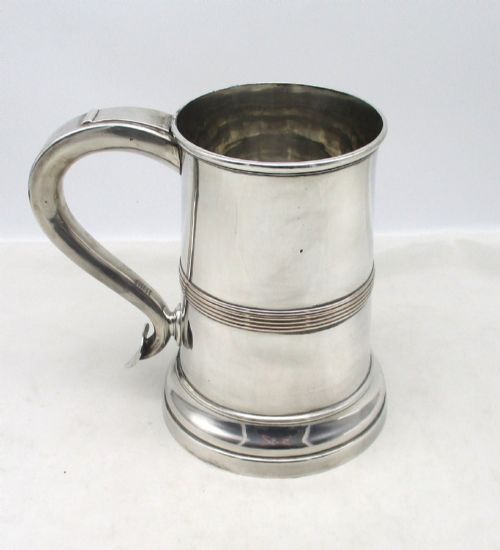
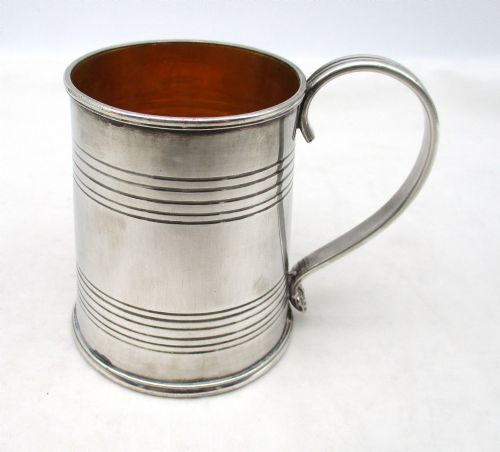
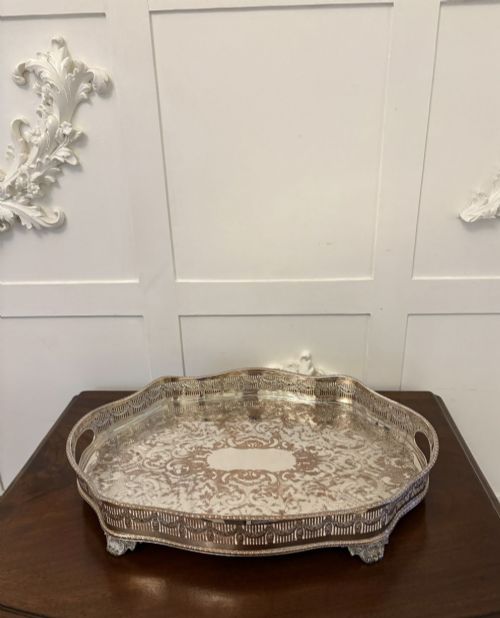
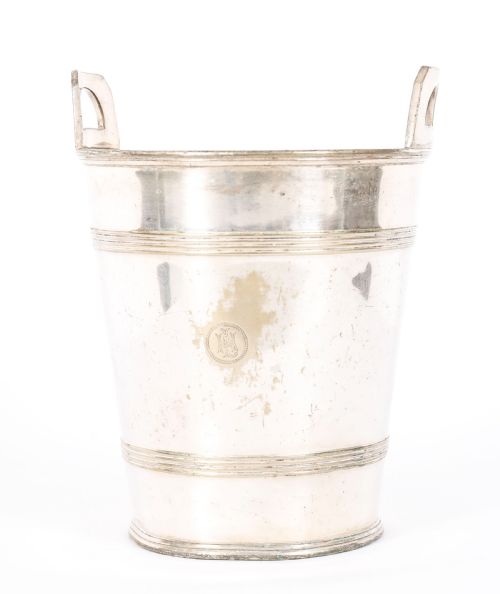
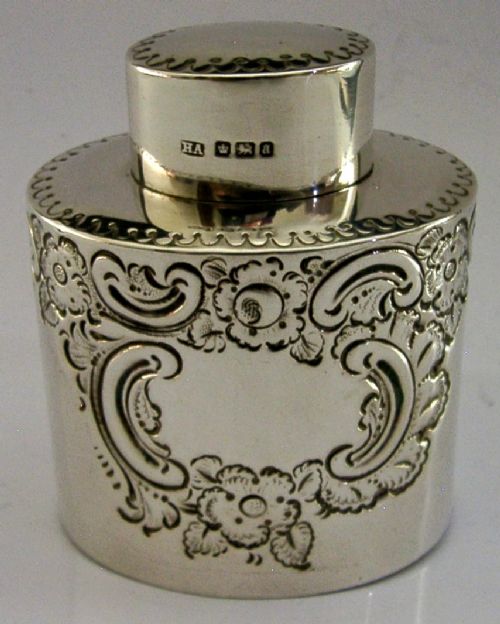
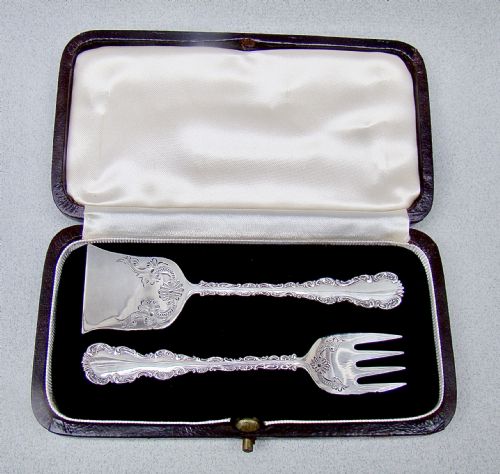
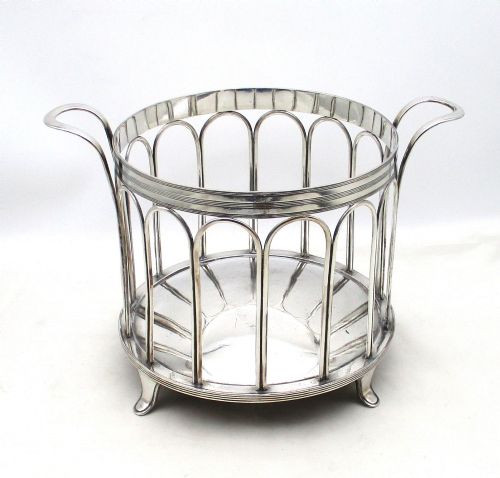
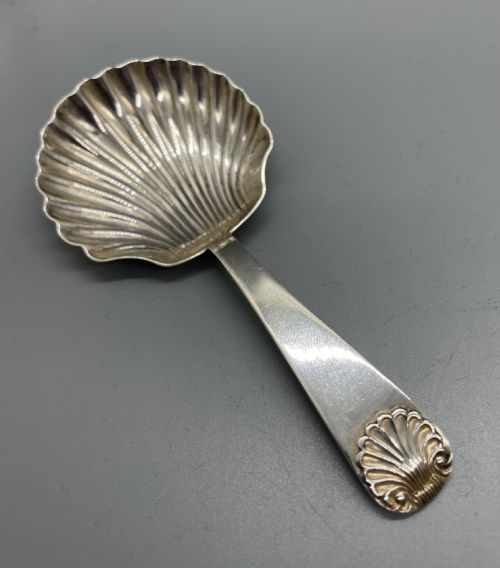
Antique sheffield silver encompasses a diverse array of dining and decorative items produced in metalworking workshops over several centuries. Buyers frequently encounter hollowware such as candelabra, wine coolers, tankards, and tea caddies originating from the Georgian and Victorian eras.
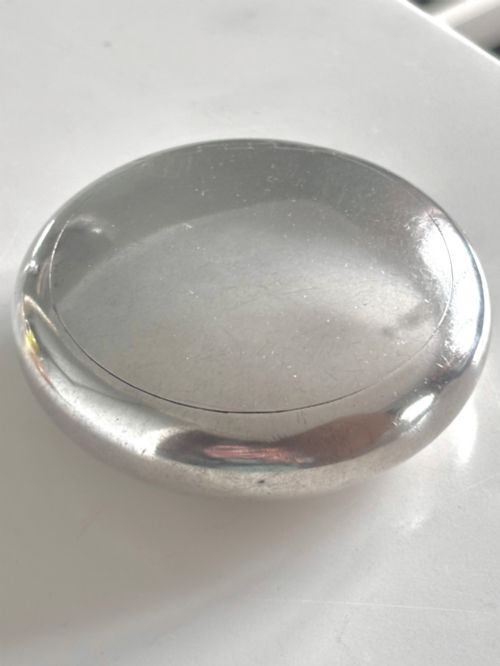
Objects range from substantial meat domes and tureen suites down to miniature chestnut urns, perfume funnels, and sardine servers. Pieces span multiple design movements including Regency, Edwardian, and Art Deco, reflecting shifting aesthetic preferences across generations.
The selection includes both solid sterling silver items bearing official assay marks and pieces fashioned from earlier fused plating techniques on copper bases. Functional items designed for dining and hospitality dominate the selection, alongside decorative tableware intended for display.
How they were made
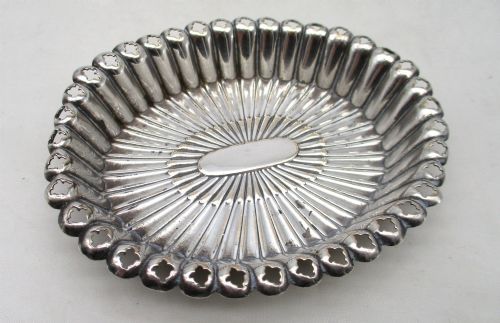
Manufacturing methods rely heavily upon the fusion of silver sheet to a copper ingot, a technique known as Old Sheffield Plate, which produced durable vessels before modern electroplating emerged. Artisans also worked with solid sterling silver, shaping material through hammering, casting, and piercing decorative patterns into baskets and fruit bowls.
Secondary materials such as glass, wood, velvet, and enamel appear in conjunction with metalwork, particularly within claret jugs, cased cutlery sets, and cocktail accessories. Components were frequently soldered or mechanically joined, then hand-chased, engraved, or polished to achieve finished surfaces.
What varies in quality
Quality differences stem from the crispness of chased ornament, the proportion of manual hand-finishing versus mass production, and the preservation of original plated surfaces over copper. Pieces displaying intricate wirework, hand-engraved crests, or substantial gauge metal reflect higher standards of original craftsmanship.
The integrity of applied silver layers on fused plated items distinguishes superior survival rates from pieces showing extensive copper bleed through wear. Maker reputation and the presence of complete, matching multi-piece suites also influence the distinction between standard domestic items and premier workshop productions.
Martin Hall And Co·Henry Wilkinson·Mappin And Webb·Roberts Cadman·Matthew Boulton
The Antique Sheffield Silver Glossary
- Old Sheffield Plate
- A composite material formed by fusing a sheet of silver to a copper base before rolling them together into sheets for fabrication.
- Salver
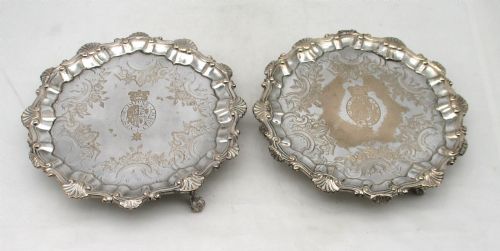
- A flat serving tray, typically circular and raised on feet, utilised for presenting drinks or correspondence.
- Candelabra
- A branched candlestick holding multiple lights, often designed in matched pairs or larger suites for formal dining tables.
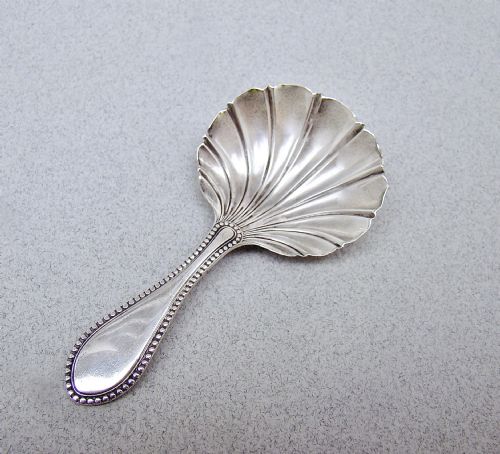
- Caddy Spoon
- A small specialised spoon used for measuring loose tea leaves from a storage caddy into a teapot.
- Meat Dome
- A large, domed metal cover placed over joint platters on a dining table to retain heat and juices.
Antique Sheffield Silver: Frequently Asked Questions
What is Old Sheffield Plate?
Old Sheffield Plate is an early composite material created by fusing silver onto a copper core through heat and pressure. This technique predates modern electroplating methods and results in durable items.
Items made this way often reveal faint traces of copper along high points or edges where centuries of polishing have worn the silver layer. This characteristic helps collectors verify the age and manufacturing method of Georgian tablewares.
How do I care for silver plated items?
Maintenance requires gentle cleaning with specialised silver polishes and soft cloths to prevent abrasion of thin plating layers. Avoid harsh chemical dips that strip protective patinas from antique surfaces.
Store pieces in dry environments away from direct sunlight and dampness, particularly items incorporating secondary materials like wood, velvet, or glass inserts. Regular handling helps maintain an even finish across the metal.
How can I date my piece?
Dating relies upon examining official assay office hallmarks stamped into solid silver items, which record specific years of production and maker marks. Stylistic cues such as Regency curves or Art Deco geometries offer additional chronological guidance.
Items created using Old Sheffield Plate generally lack standard sterling assay marks, requiring stylistic analysis of form, construction joints, and crests to determine their approximate decade of origin.
Were these items used daily?
Many objects served active roles in historic households, functioning as wine coolers, tea caddies, tankards, and inkstands for daily domestic routines. Formal dining services and candelabra were reserved for entertaining guests during dinner parties.
Wear patterns and engraved family crests frequently reflect the practical history and generational use associated with individual pieces within domestic settings.