


Antique Sheffield Plate Cover
An antique sheffield plate cover brings master silver-smithing and practical warmth to the dining table.

Antique Sheffield Plate Cover
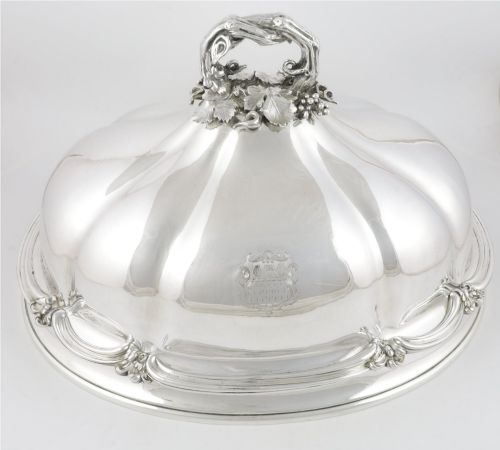
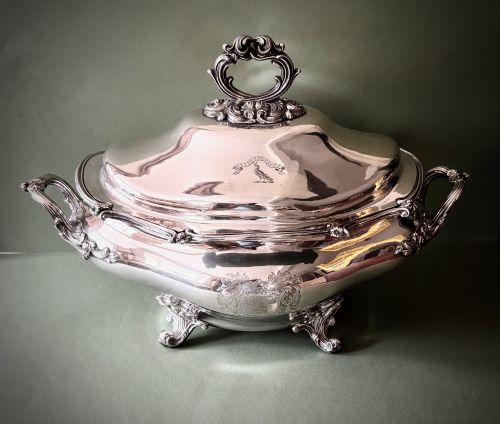
When you search for an antique sheffield plate cover, you are looking at substantial silver-plated items designed to keep meat, game, and dishes warm at the table. These pieces range from grand meat domes to serving dishes and soup tureens.
The versions you are most likely to meet on this page hail from the Georgian and Regency periods through the nineteenth century. They include large meat domes bearing maker marks alongside pairs of entree dishes and lidded warming vessels.
Original forms span from single game covers to complete three-piece tureens and toasted cheese dishes. Their primary function was culinary presentation among affluent households of the eighteenth and nineteenth centuries.
Methods and Materials
The foundational technique relies on the fusion of a thin layer of silver to a thicker copper core, a method developed in Sheffield during the eighteenth century. This fused sheet was then formed by hand, often shaped over hard wooden blocks or hammered into iron moulds.
Makers reinforced rims and edges with applied silver wire to hide the underlying copper line where the plates met. Handles, finials, and crests were typically cast in solid silver or heavy plate and soldered securely to the main dome.
Some domes still retain noble crests, hinting at lavish past banquets where footmen hoisted heavy silver over roasted venison.
Factors of Quality
The standard of craftsmanship shows in the weight of the copper and silver sheet, as well as the crispness of applied cast mounts. Heavier gauge metal resists denting and maintains structural integrity across wide spans.
The discreetness of the plated edge seam reveals the maker's skill in concealing the copper substrate. Superior pieces retain their original silver layer intact without extensive replating or heavy wear revealing the base metal beneath.
Roberts Cadman·Henry Wilkinson·Boulton·Cresswick·Dan Holy
The Antique Sheffield Plate Cover Glossary
- Old Sheffield Plate
- A composite material made by fusing a sheet of silver to a thick copper ingot before rolling them together into sheets. This technique predates electroplating.
- Meat Dome
- A large, domed cover designed to fit over a platter of roast meat or game to retain heat. They often feature an insulated handle at the top.
- Entree Dish
- A shallow serving dish with a matching cover, used for serving individual courses at formal dinners. Pairs of these dishes are frequently encountered.
- Tureen
- A deep, bowl-like vessel with a cover used for serving soups, sauces, or stews. They rest on fixed bases or separate warming stands.
- Base Metal
- The underlying material beneath the silver plating, which in these pieces is typically copper. Copper telegraphs through when the surface silver wears thin.
Antique Sheffield Plate Cover: Frequently Asked Questions
What is an old sheffield plate cover used for?
These covers served primarily to keep large joints of meat, game, and roasted dishes hot as they travelled from the kitchen to the dining table. They trapped steam and heat while presenting a gleaming silver appearance to assembled guests.
In modern homes, they function as striking display pieces or practical table accessories for grand dinners. Collectors often place them over platters on sideboards to recreate a period dining aesthetic.
How do I identify old sheffield plate?
Examining the edges reveals a thin line of copper where the fused silver sheet was cut and finished. This distinct sandwich effect separates fused plate from later nineteenth-century electroplated wares.
Maker marks stamped into the metal often point to specific Sheffield workshops from the Georgian era. The heft and warm glow of the silver over copper further distinguish genuine examples.
How do I clean an antique plate cover?
Maintenance requires gentle washing with warm water and mild soap, followed by thorough drying with a soft cloth. Aggressive scrubbing or harsh silver dips will strip the thin fused silver layer and expose the copper beneath.
Regular dusting and minimal application of non-abrasive silver polish preserve the soft patina accumulated over centuries. Storing pieces in dry environments prevents accelerated tarnishing.
How can I date my meat dome?
Stylistic clues such as Regency handles, Georgian crest engraving, and the weight of the copper core offer strong chronological markers. Pieces from the eighteenth century typically display simpler forms compared to ornate Victorian interpretations.
Registered design marks or maker stamps cross-reference with historical trade records to narrow down the decade of production. Examining the construction of the finial and handle mountings also aids attribution.