

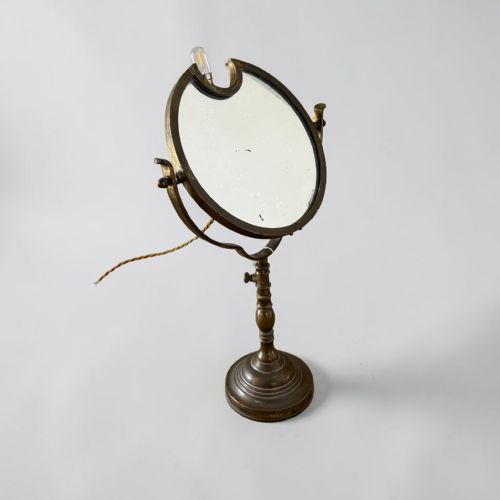
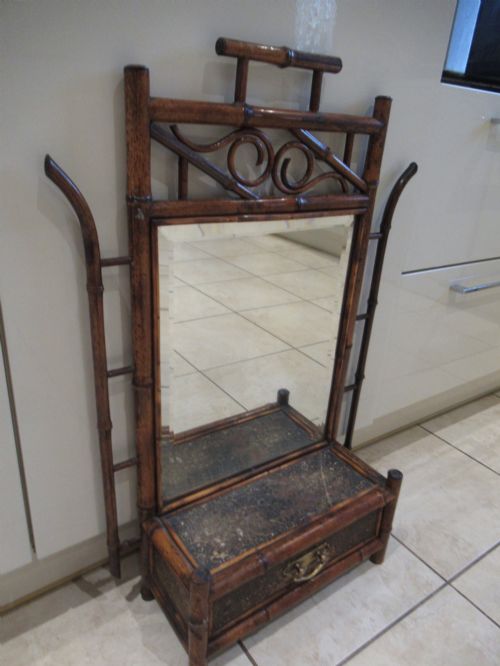
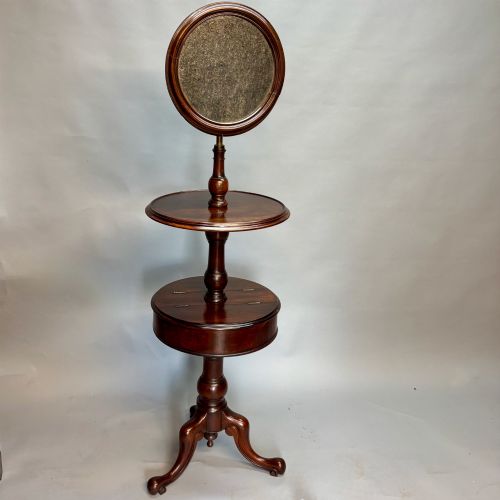
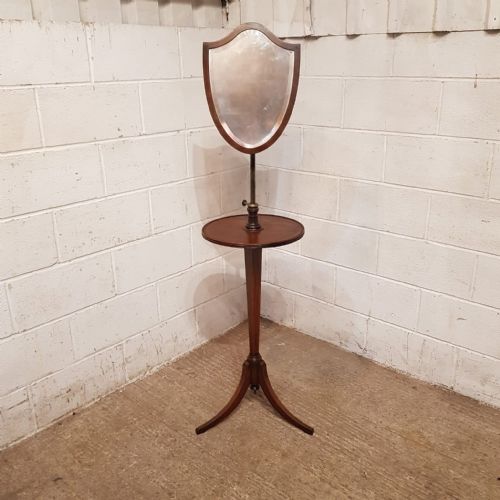
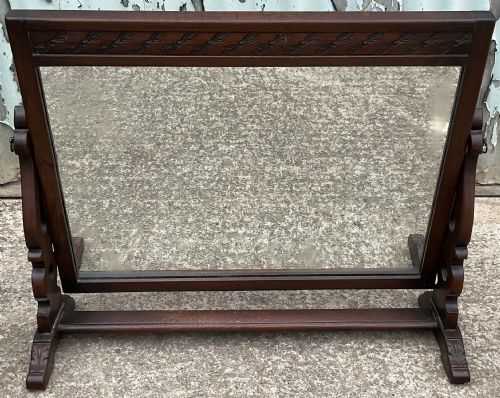


Antique Shaving Stand
An antique shaving stand offers a practical piece of history, combining a mirror and stand for grooming.
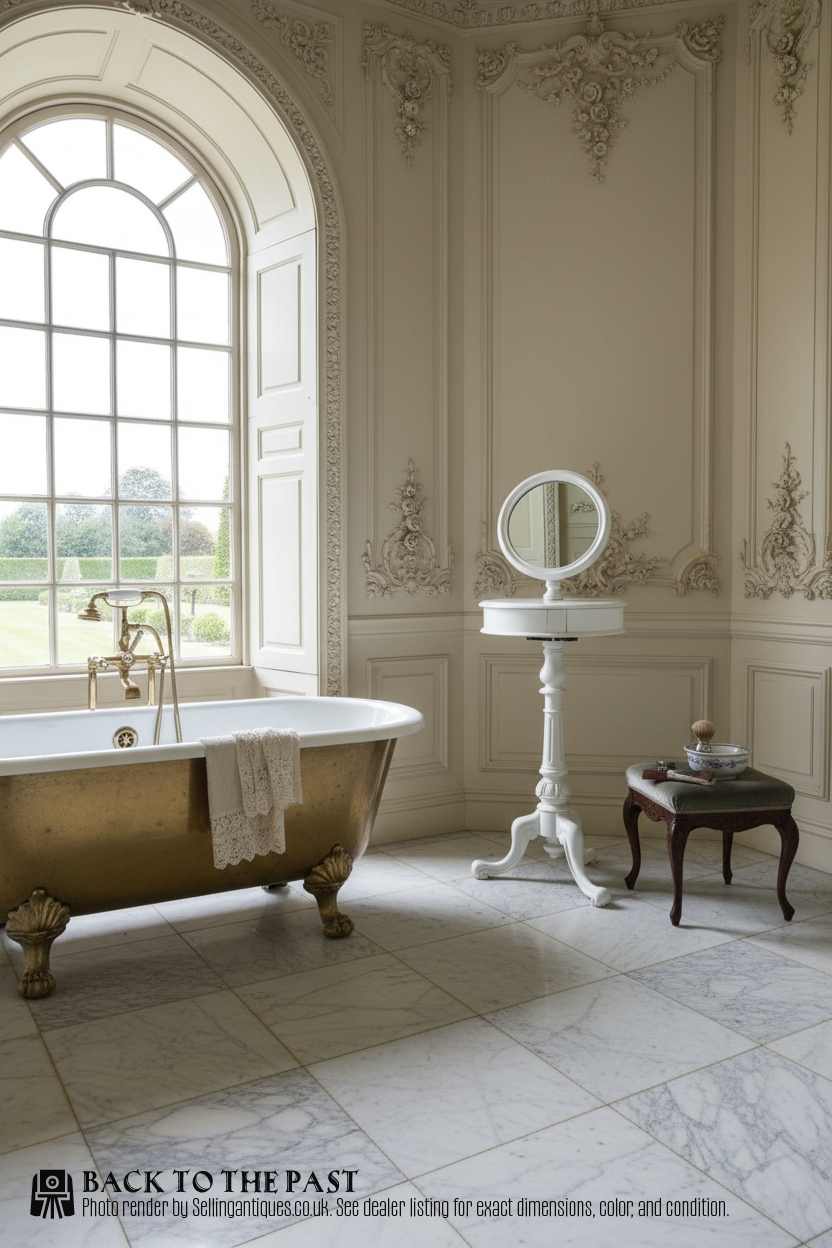
Antique Shaving Stand
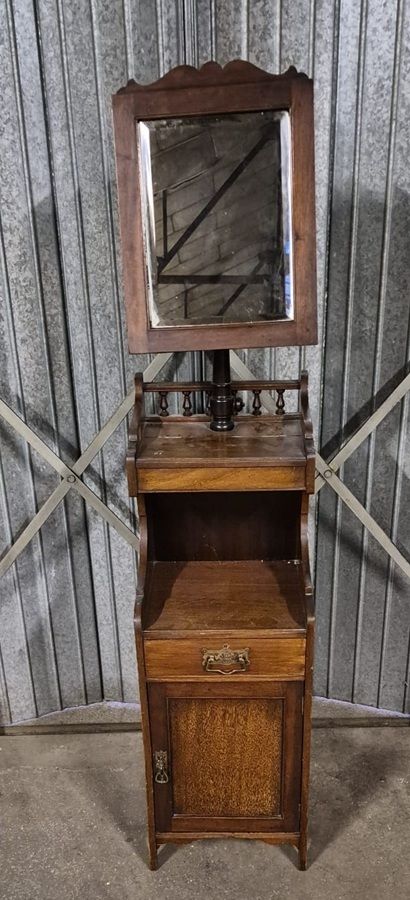
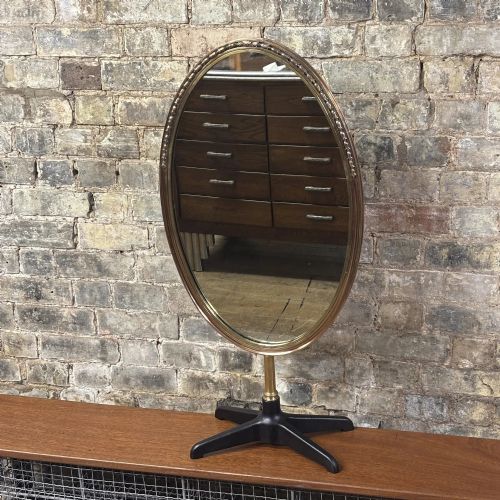
An antique shaving stand serves as a dedicated grooming station, designed to hold a mirror at a convenient height for daily use. These pieces bridge the gap between functional furniture and personal vanity.
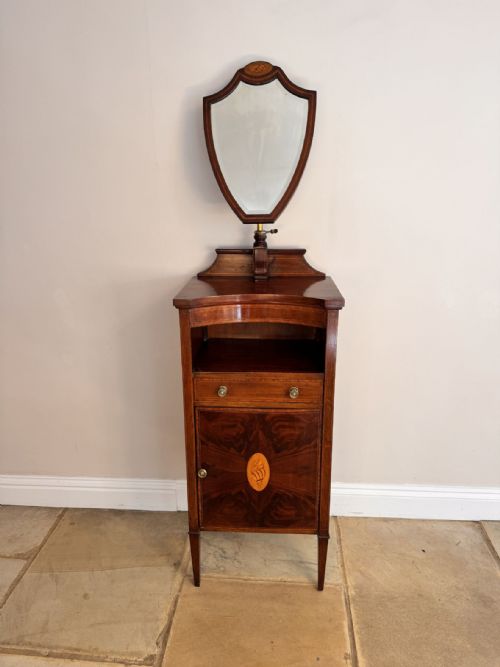
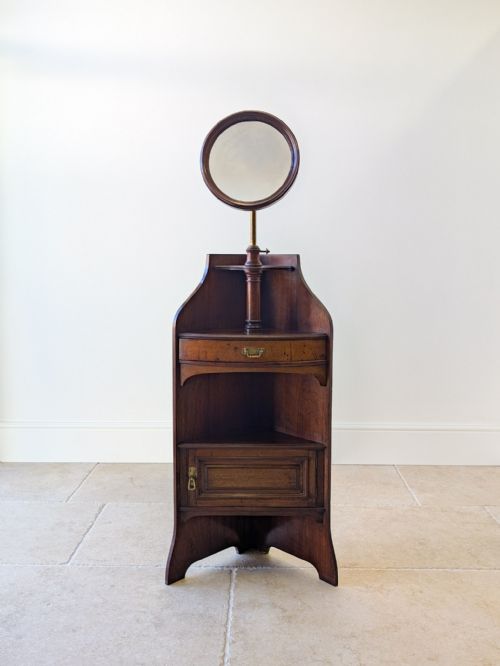
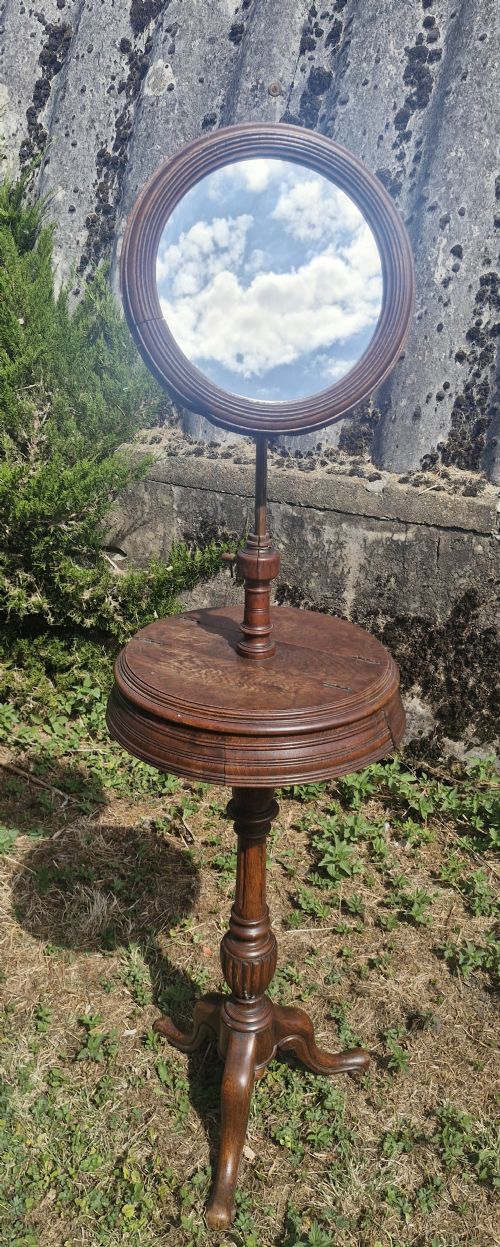
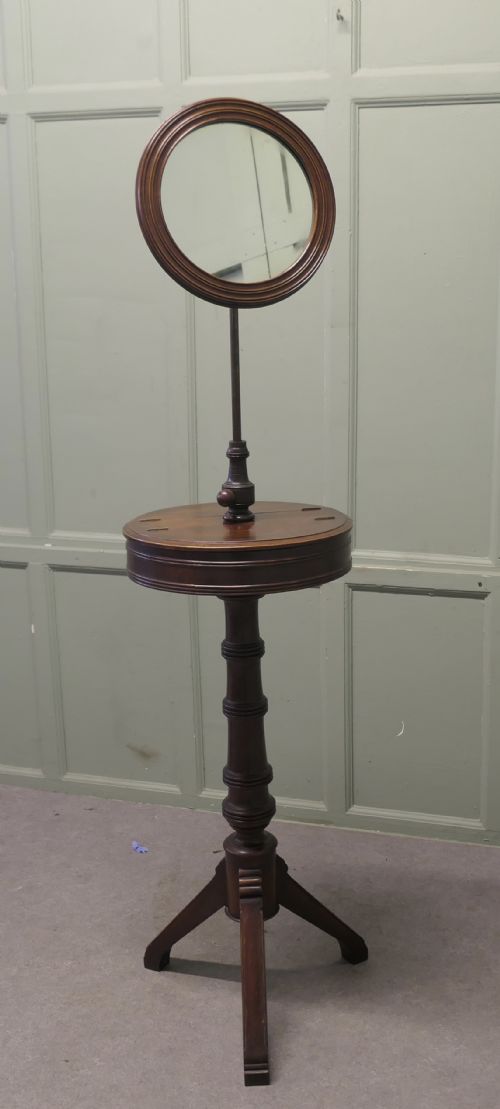
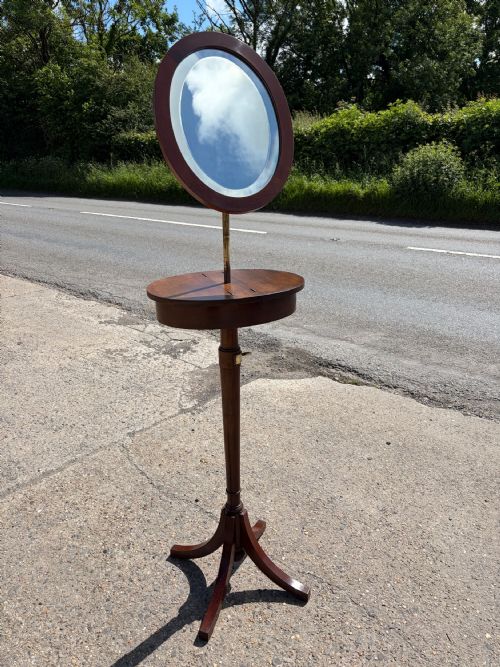
The versions most commonly met on this page date from the Victorian and Edwardian eras, constructed in forms ranging from tripod bases to cabinet designs. Many incorporate adjustable or telescopic mirrors alongside supportive stands and small drawers.
Beyond standard upright models, the selection includes pieces paired with washbasins or shaving mugs, reflecting the comprehensive grooming routines of earlier periods.

Materials and Construction
The pieces rely heavily on dense hardwoods such as mahogany and walnut, chosen for their stability and capacity to take a fine polish. Oak, ash, and satin birch also appear frequently in both Victorian and Edwardian examples.
Metal components such as brass provide the mechanisms for adjustable and telescopic mirrors, allowing the glass to shift smoothly. Glass itself forms the central mirrors, occasionally supported by secondary materials like boxwood inlay or cast iron.
Antique Shaving Stand Retail Price Guide 2026
Typical asking prices for shaving stand among the pieces listed under this phrase on Sellingantiques today, from the lower quarter to the upper quarter. They describe what is for sale here now, not the wider market.
Several pieces combine mirrors with washstands, display cabinets, or collections of antique shaving mugs.
Assessing Quality and Craftsmanship
Quality reveals itself in the precision of the mechanical adjustments, where a well-made telescopic brass mechanism moves securely without sagging. The rigidity of tripod bases and the precise fit of small storage drawers further distinguish superior examples.
The choice of timber and the execution of secondary details, such as subtle inlay work or turned woodwork, separate standard utility pieces from exceptional workshop productions. Original mirror glass and intact fittings retain the integrity of the design.
Thomas Rubergall·J Shoolbred
The Antique Shaving Stand Glossary
- Telescopic mirror
- A mirror mounted on an extendable shaft that adjusts in height for the user. This mechanism is frequently found in nineteenth-century examples.
- Tripod base
- A three-legged support system providing stability for freestanding shaving stands. It is commonly paired with upright wooden columns.
- Cheval mirror
- A full-length freestanding mirror designed to swing in a frame. Some variations appear in Edwardian tabletop and floor-standing formats.
- Toilet mirror
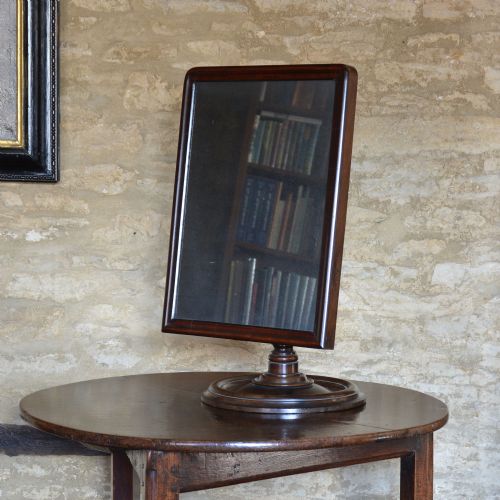
- A smaller mirror designed to sit on a dressing table or washstand. These pieces often share structural traits with standalone shaving mirrors.
- Inlay
- A technique where contrasting woods or materials are inserted into recesses to create decorative patterns. Boxwood and darker veneers frequently serve this purpose.
Antique Shaving Stand: Frequently Asked Questions
What is an antique shaving stand?
An antique shaving stand is a piece of furniture created to assist with personal grooming by positioning a mirror at an accessible height. They often include integrated platforms, small drawers, or compartments for shaving equipment.
These pieces reflect the domestic habits of the nineteenth and early twentieth centuries, serving as both utilitarian objects and refined bedroom furnishings.
How were shaving stands used?
They were utilised daily for morning routines such as shaving and grooming before the widespread installation of fitted bathroom mirrors. Users adjusted the height or angle of the glass to catch the morning light.
Many designs incorporated small storage spaces for razors, soaps, and shaving mugs, keeping personal items close at hand.
How do I date an antique shaving stand?
Dating relies on observing the prevailing wood choices, hardware styles, and structural forms recorded across different periods. Victorian examples often feature heavy mahogany with tripod bases, while Edwardian pieces may display lighter inlays or cabinet configurations.
Maker stamps or scientific labels, when present, provide precise attribution to workshops and opticians of the era.
Where should I place a shaving stand at home?
These versatile pieces suit bedrooms, dressing rooms, or hallways where an adjustable mirror and compact footprint offer practical utility. Their slender proportions allow them to fit easily into corners or beside larger pieces of furniture.
Placing them away from direct, strong sunlight helps protect the polished mahogany and walnut surfaces from fading over time.