


Antique Shadow Picture
An antique shadow picture captures the quiet intimacy of nineteenth-century likenesses and three-dimensional scenes, prized by collectors for their delicate hand-cut detail and atmospheric depth.
Antique Shadow Picture
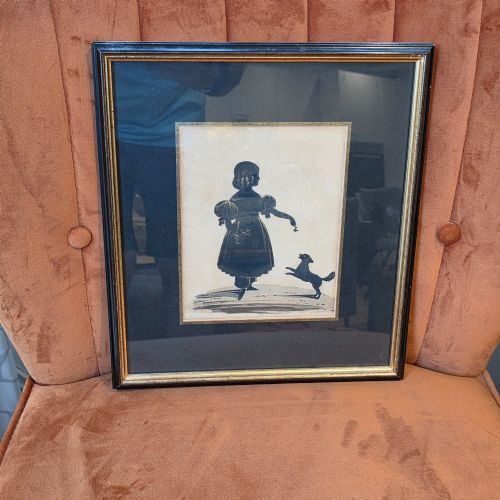
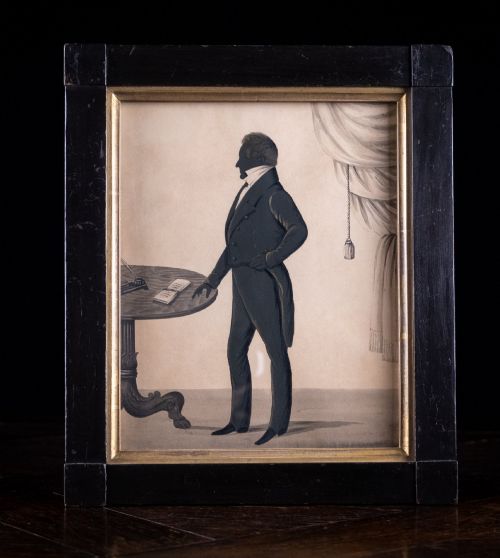
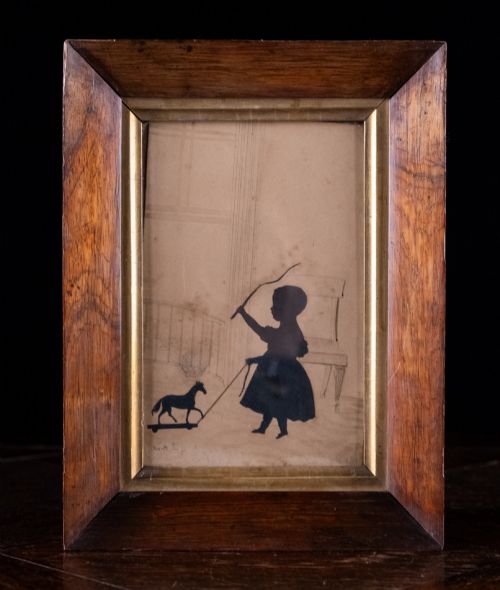
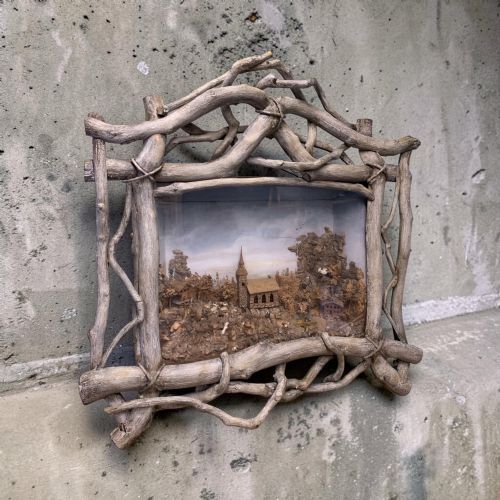
When you search for an antique shadow picture, you encounter a distinct variety of framed silhouettes, portrait miniatures, and intricate dioramas created across the Georgian, Regency, and Victorian periods. These pieces range from hollow-cut and painted paper profiles to elaborate cork-work and shell shadow boxes housed behind deep glass.
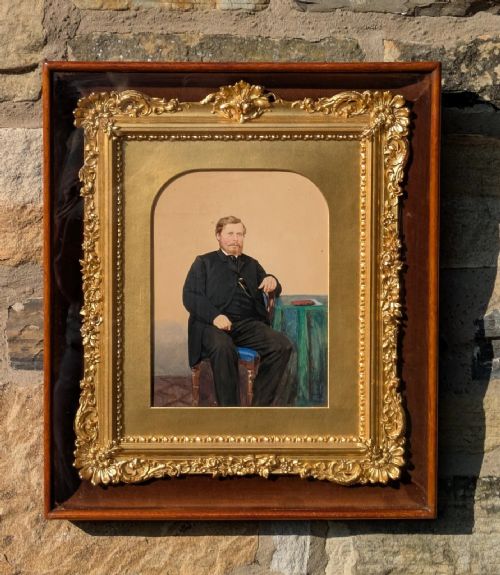
The nineteenth-century examples on this page frequently present individual gentlemen, family conversation pieces, or charming rustic scenes framed in rosewood, maple, or gilt wood. Such works span professional studio profiles by renowned artists and spirited folk art creations made within British homes.
Victorian and Edwardian versions often employ shadow box mounts with velvet backings, enclosing delicate subjects that rely on layered materials for visual depth. The form merges flat silhouette portraiture with spatial construction, offering a direct window into historical interior display.
Materials and construction methods
Deep glazed boxes incorporate velvet mounts and twigs to build three-dimensional dioramas from cork, shells, and painted elements. Glazing shields these fragile layered components from dust while maintaining the necessary shadow effect within the frame.
Listings feature eighteenth and nineteenth-century materials including paper, glass, cork, shells, and gilt wood housed within deep frames.
Markers of distinction and quality
Quality rests upon the precision of the cutting, the crispness of the painted highlights, and the preservation of the original framing materials. Professional studio silhouettes demonstrate anatomical accuracy and subtle brushwork on glass or paper, distinguishing them from simpler vernacular attempts.
The integrity of the mounting enclosure dictates the longevity of each piece. Deep gilt frames and rosewood surrounds that retain their original glass and backing materials command greater regard among collectors seeking unaltered historical items.
William James Hubard·Augustin Edouart·J. Deacon·John Miers
The Antique Shadow Picture Glossary
- Silhouette
- A portrait rendered as a solid shape, usually black on a light background, or cut from paper. This technique forms the basis of many shadow pictures.
- Hollow-cut
- A silhouette method where the profile is cut out from a sheet of paper, which is then laid over a dark background to create the image. The surrounding paper often bears artist signatures or sitter details.
- Diorama
- A three-dimensional scene built inside a box or deep frame using materials such as cork, shell, and twigs. These pieces create miniature perspective views.
- Reverse painting on glass
- A technique where the artist paints the portrait directly onto the rear glass panel, often incorporating gold leaf for embellishment. This method produces a luminous finish visible from the front.
- Conversation piece
- An informal group portrait showing family members or associates engaged in a shared activity. These detailed compositions frequently capture domestic interiors of the Regency era.
Antique Shadow Picture: Frequently Asked Questions
How do I hang a shadow box?
Hang these pieces away from direct sunlight to protect the fragile paper, ink, and textile elements from fading over time.
Ensure the wall fixings match the weight of the deep wooden or gilt frames to secure the glass safely.
Are these silhouettes hand cut?
Many nineteenth-century examples are meticulously cut by hand using fine scissors or scalpels, sometimes enhanced with delicate watercolour highlights.
Professional artists often worked freehand without preliminary sketches to achieve accurate likenesses.
How should I clean the glass?
Dust the exterior frame and glass gently with a soft, dry cloth without applying moisture directly to the wood or gilt surface.
Avoid opening the sealed shadow boxes, as interior components are extremely delicate and sensitive to atmospheric changes.
What periods do these pieces date from?
The selection spans from the Georgian and Regency eras through the Victorian period and into the early twentieth century.
Frame styles, mounting techniques, and costume details on the sitters help indicate the specific decade of origin.