


Antique Serpentine Sideboard
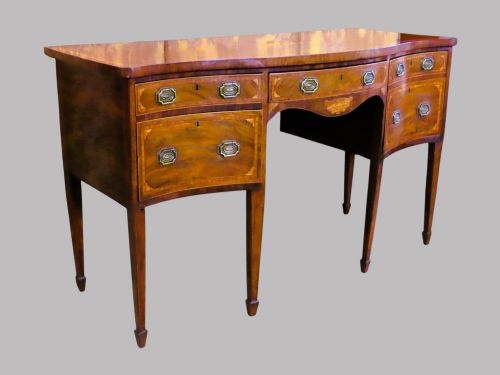
An antique serpentine sideboard brings sweeping curves and refined cabinetwork to a dining room or hall.
Antique Serpentine Sideboard
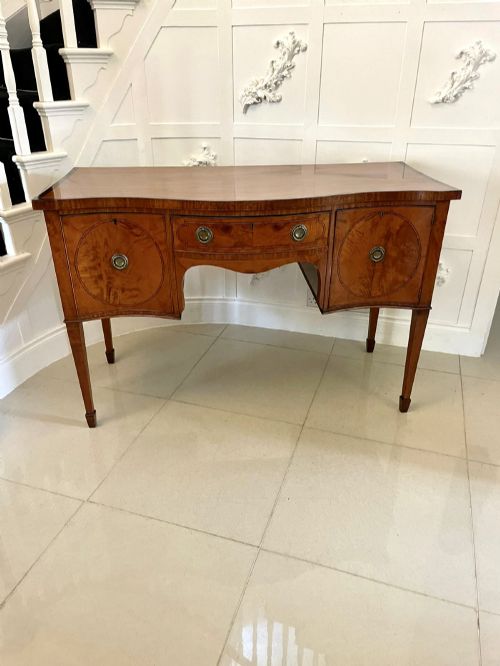
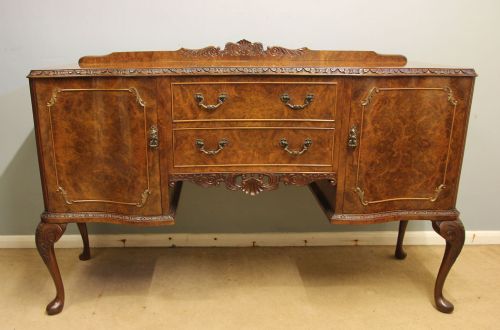
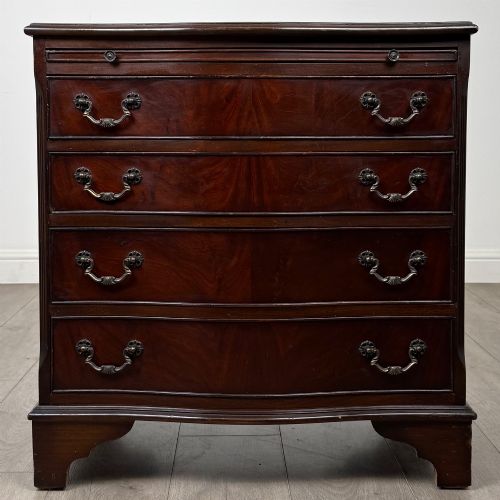
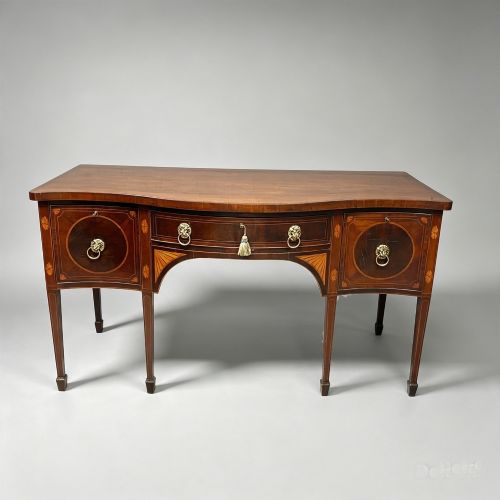
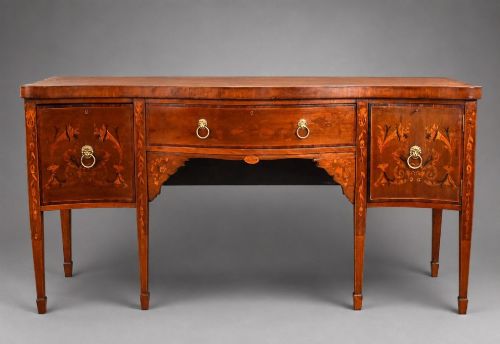
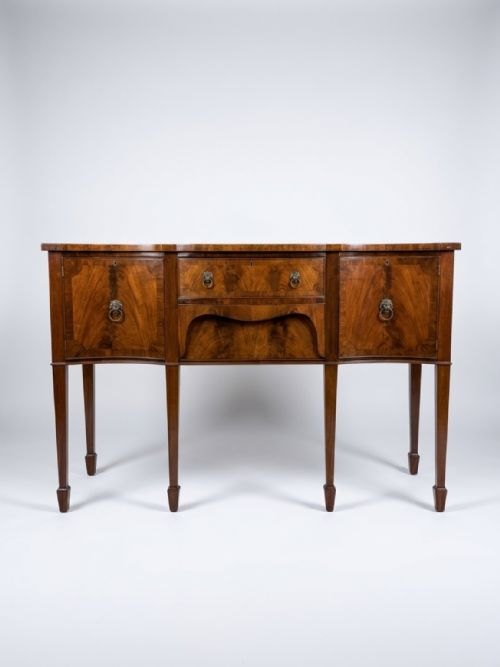
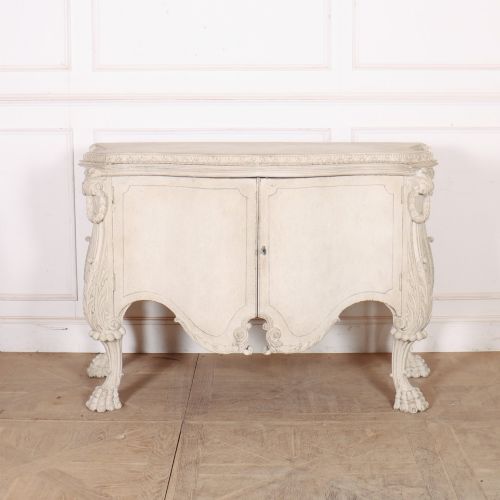
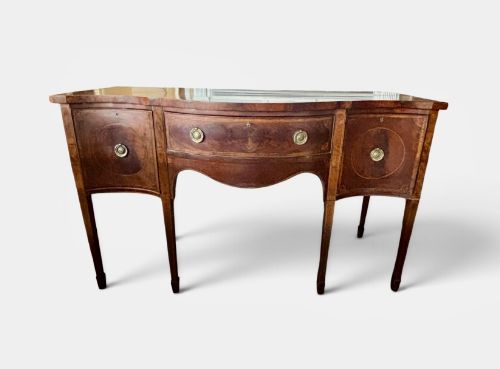
An antique serpentine sideboard is a substantial dining room server featuring a distinctive undulating front that curves outward at the centre and inward at the sides, or vice versa.
The pieces on this page span the Georgian period, the Victorian era, and the Edwardian years, alongside later revivals.
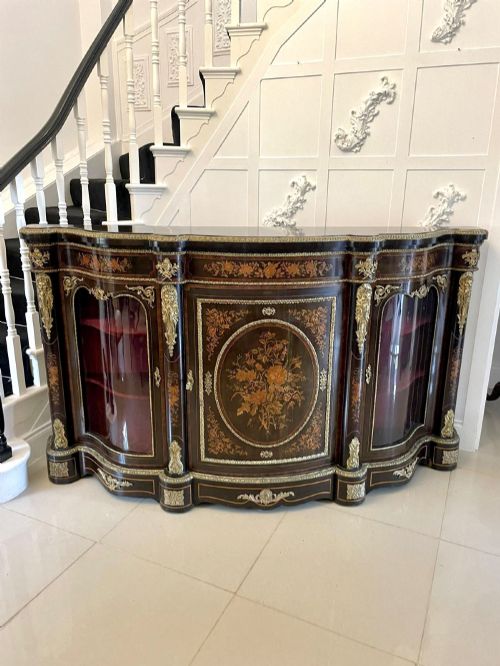
Mahogany and burr walnut dominate the selection, frequently enhanced by fine inlay, marquetry, or ormolu mounts.
Materials and construction
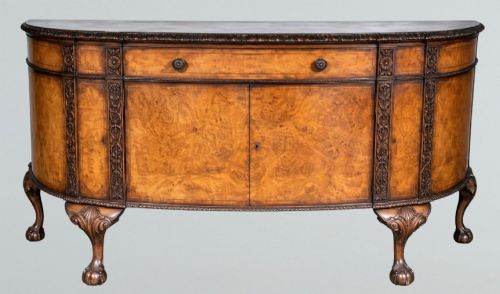
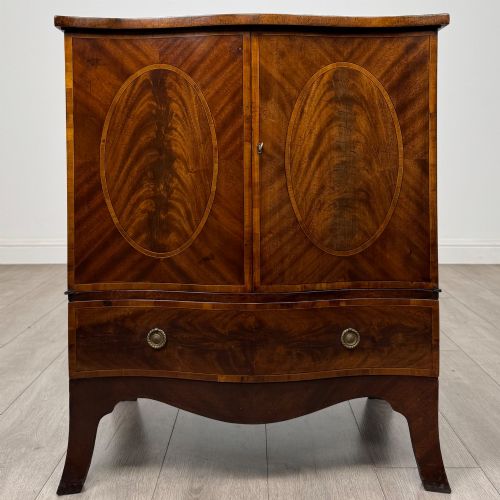
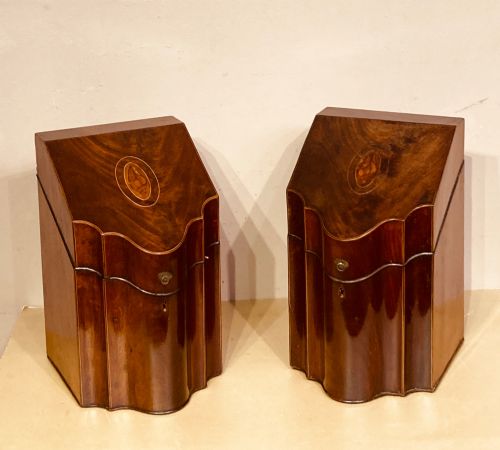
Cabinetmakers utilised dense timbers like mahogany and burr walnut, often cutting veneers to display symmetrical grain patterns across the curving drawer fronts and cabinet doors.
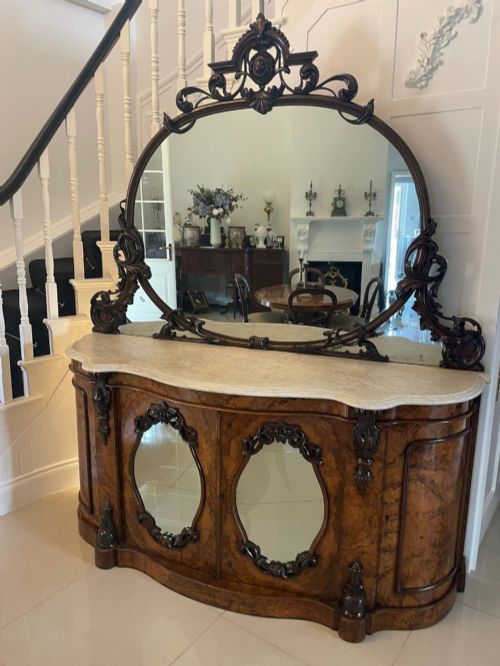
Secondary woods provide a sturdy internal carcase, while decorative elements such as brass handles, marble tops, and cast ormolu mounts punctuate the polished wooden surfaces.
Antique Serpentine Sideboard Retail Price Guide 2026
Typical asking prices for serpentine sideboard among the pieces listed under this phrase on Sellingantiques today, from the lower quarter to the upper quarter. They describe what is for sale here now, not the wider market.
The listings combine solid mahogany and burr walnut construction with decorative additions including marble tops, brass fittings, and glass doors.
What separates the finest examples
The distinction between standard items and exceptional pieces rests upon the precision of the curved joinery and the selection of figured timber veneers.
Master craftsmen achieved seamless transitions along the undulating front, integrating subtle marquetry, stringing, and cast bronze mounts that complement the overall proportions rather than crowding them.
Maison Gagneau·Gillows·Maple Co
The Antique Serpentine Sideboard Glossary
- Serpentine
- A curving shape characterised by a convex centre flanked by concave wings. This graceful profile requires exceptional skill from the woodworker to shape accurately.
- Marquetry
- Decorative patterns formed by fitting together small pieces of coloured veneers. Craftsmen apply these intricate wooden mosaics to drawer fronts and cabinet doors.
- Ormolu
- Gilded bronze mounts cast in ornamental designs and applied to furniture. Makers use these metallic accents to highlight corners, friezes, and borders.
- Credenza
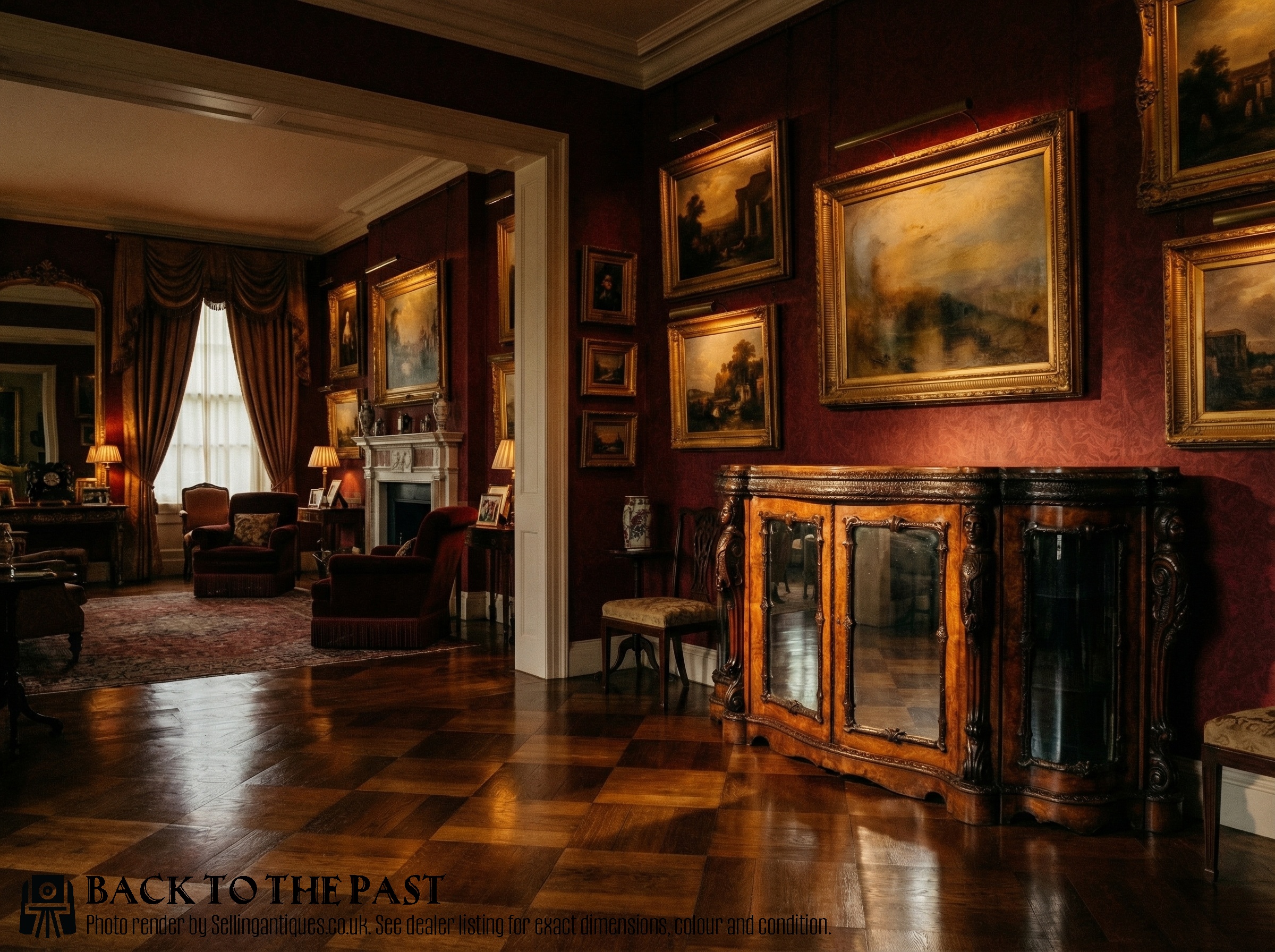
- A low dining room cabinet or sideboard, often fitted with glass doors or central cupboards. Victorian examples frequently incorporate marquetry and marble tops.
Antique Serpentine Sideboard: Frequently Asked Questions
How do I date an antique serpentine sideboard?
Dating relies upon examining the timber species, construction methods, and decorative styles evident in the piece. Georgian examples often display restrained flame mahogany, whereas Victorian versions frequently feature burr walnut and ormolu.
Hardware styles, secondary woods inside the drawers, and the presence of revival details such as marquetry help narrow the decade of manufacture.
Where should I place a sideboard in my home?
These pieces traditionally anchor a dining room wall, providing surface space for serving food and deep drawers for storing linens and cutlery. Their finished backs and compact depths also suit wide hallways or living rooms.
Placing the cabinet away from direct sunlight and heat sources protects the polished wood veneers and prevents the timber from drying out.
What is the difference between a sideboard and a credenza?
Sideboards traditionally focus on serving food and storing dining accessories, featuring combinations of drawers and cupboards designed for the dining room. Credenzas originated as low cabinets with doors across the front, frequently adorned with elaborate marquetry.
Over time, the terms overlap significantly in antique furniture, particularly among Victorian and revival pieces.
How do I care for polished mahogany and walnut?
Routine maintenance involves dusting with a soft, dry cloth to prevent particulate accumulation on the polished surfaces. Applying a quality beeswax occasionally feeds the timber and maintains the lustre of the grain.
Avoiding excessive moisture and placing protective pads beneath heavy items prevents ring marks and preserves the antique finish.