


Antique Secretary Desk Drawers
Antique secretary desk drawers bring together the practical storage of a chest and the private writing surface of a drop-front bureau.
Antique Secretary Desk Drawers
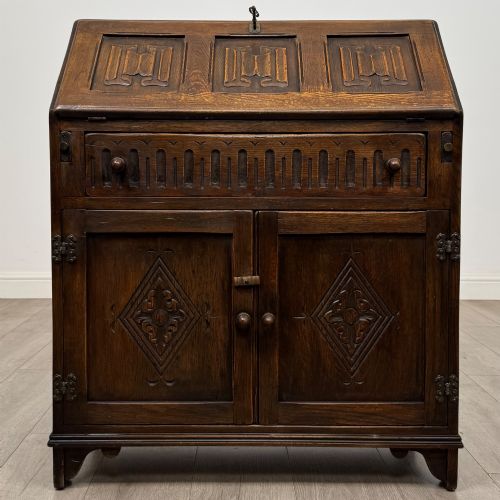
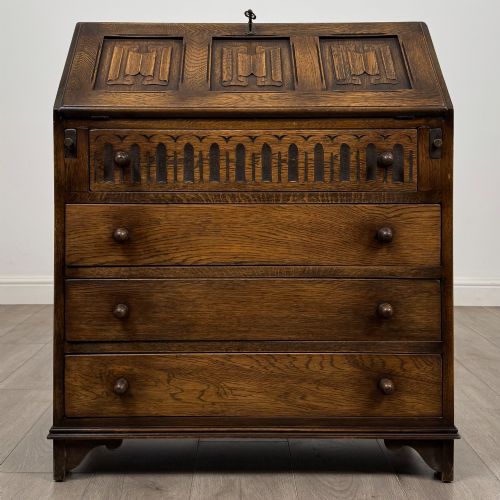
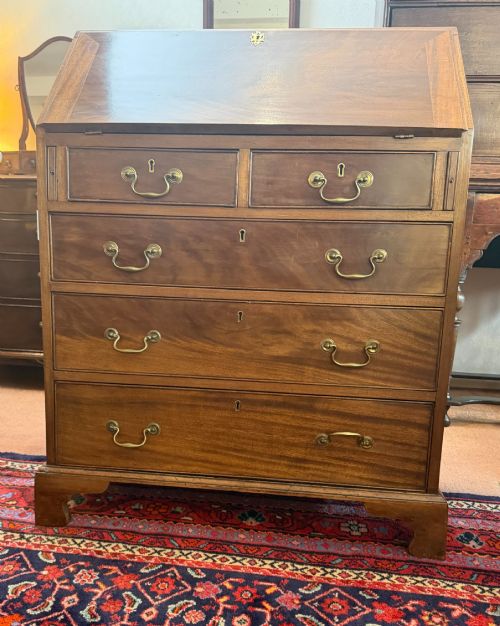
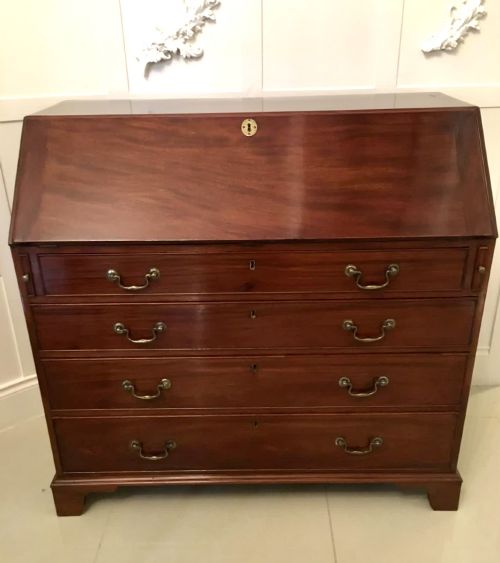
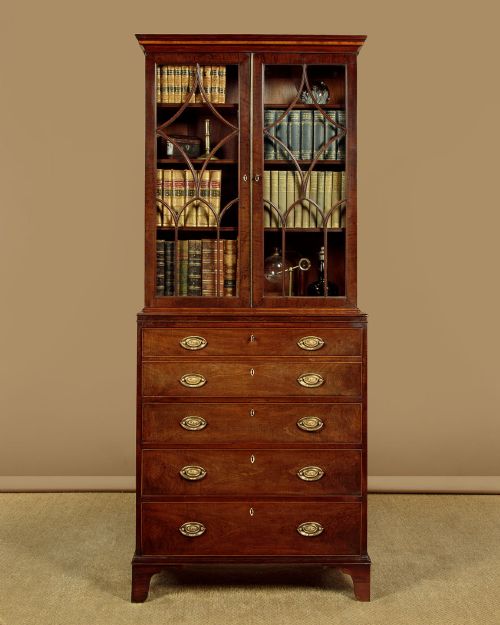
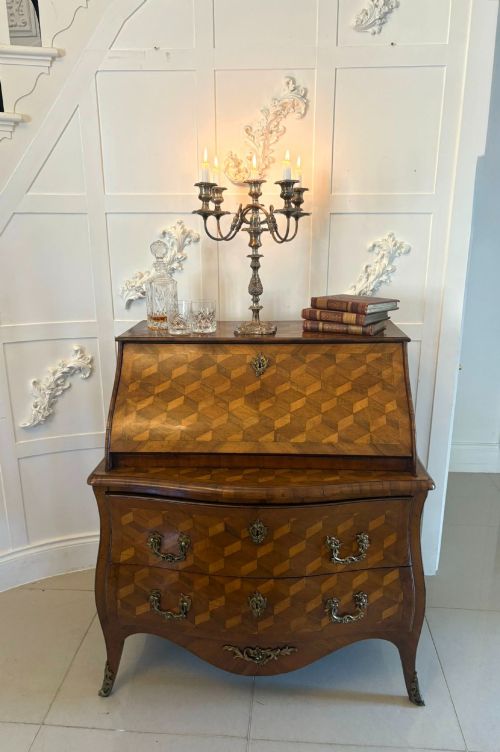
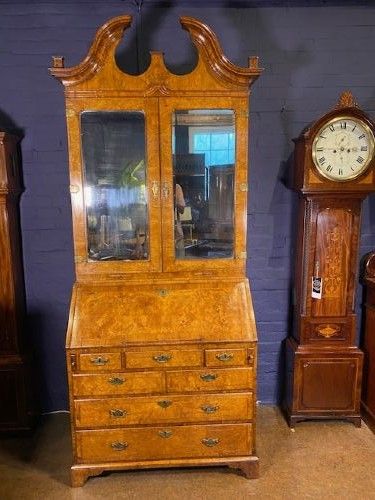
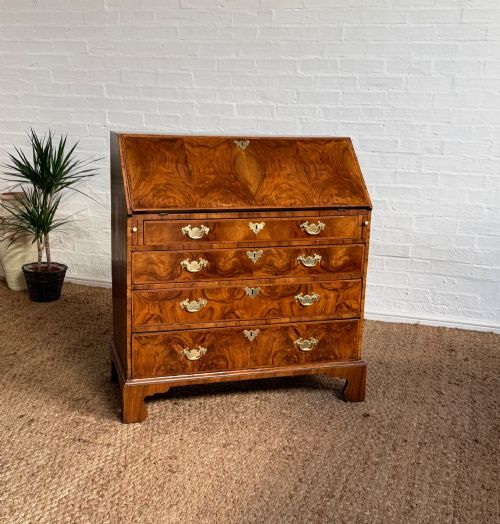
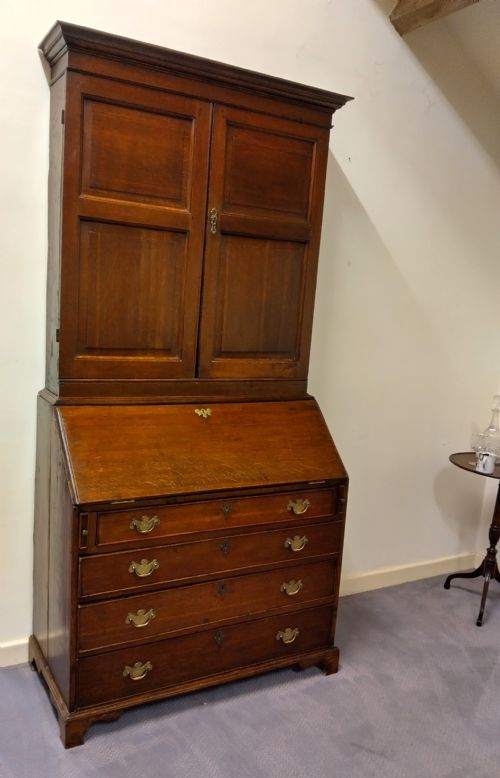
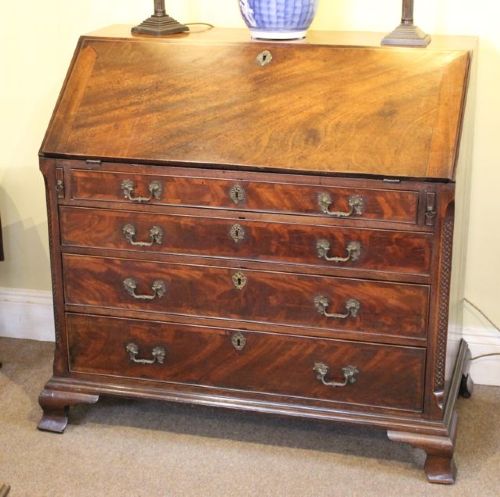
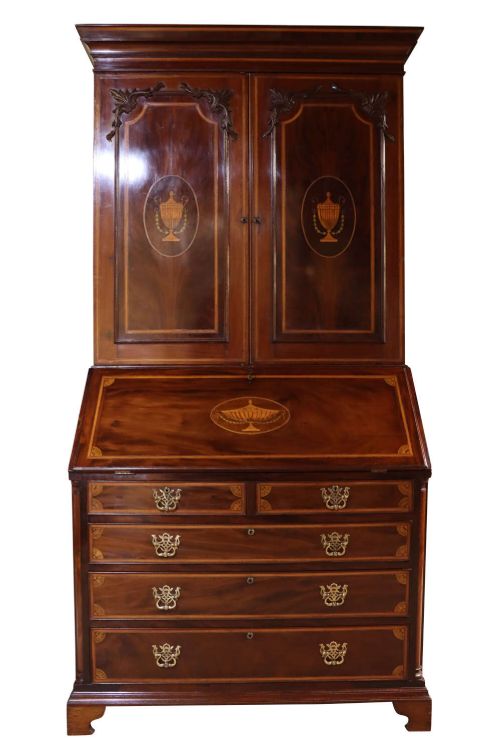
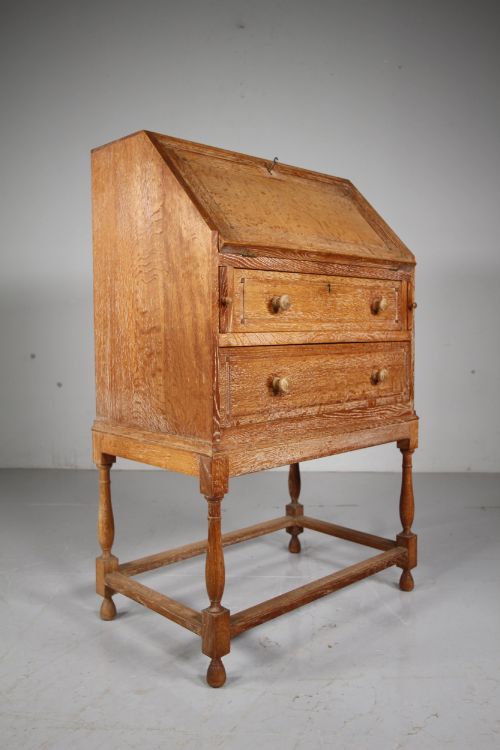
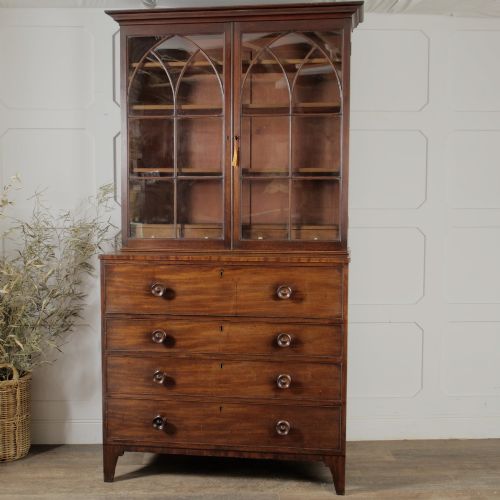
When searching for antique secretary desk drawers, collectors encounter pieces primarily described as bureaux, bureau bookcases, and secretaire chests across this selection. These items combine multiple functional drawers with a writing flap that conceals fitted compartments and small pigeonholes inside.
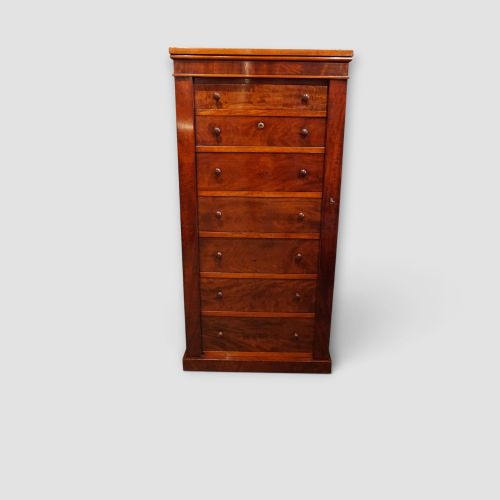
The pieces span several distinct historical eras, ranging from early oak and walnut examples originating in the 1700s and 18th century to Georgian, Victorian, Edwardian, and 1920s variations. Oak, mahogany, and walnut dominate the offerings, occasionally supplemented by specialised forms like the Wellington chest or taller bookcase combinations.
Materials and construction methods
Cabinetmakers constructed these writing cabinets predominantly using timbers such as mahogany, oak, and walnut, frequently enhancing surfaces with figured veneers, burr walnut, or contrasting satinwood inlay. Brass hardware serves for handles and key escutcheons, while interiors sometimes incorporate leather writing surfaces.
Joinery methods reflect the period of origin, moving from solid early oak framing to sophisticated mahogany carcass construction and parquetry work. Fall fronts and locking flaps require precise hinges and internal supports to bear the weight of daily writing use.
Listings feature oak, mahogany, and walnut pieces spanning the 1700s, Georgian, Victorian, and Edwardian periods.
Assessing quality and craftsmanship
Quality separates pieces through the selection of timber figures, such as highly figured walnut or richly grained mahogany, compared to plain utility boards. The crispness of carved details, inlay work, and hand-painted decorations on Edwardian satinwood items also indicate superior workshop execution.
Internal arrangement complexity defines finer examples, where nested pigeonholes, secret compartments, and fitted drawers display meticulous joinery. The integrity of the fall front mechanism and the matching of timber grain across the drawer fronts further distinguish high-grade specimens from standard production.
Heals of London
The Antique Secretary Desk Drawers Glossary
- Bureau
- A writing cabinet featuring a sloping fall-front lid that opens to reveal internal compartments and drawers.
- Secretaire
- A piece of furniture incorporating a concealed writing drawer or drop-front desk section designed for correspondence.
- Fall front
- The hinged writing flap that lowers to provide a flat surface for writing and closes to secure the interior.
- Parquetry
- Geometric mosaic woodwork used for decorative veneer patterns on cabinet surfaces.
- Escutcheon
- A protective brass plate surrounding a keyhole on a drawer or cabinet door.
Antique Secretary Desk Drawers: Frequently Asked Questions
What is a secretary desk?
A secretary desk is a form of furniture that combines a set of drawers with a sloping or drop-front writing surface. It encloses small compartments, pigeonholes, and document slots behind the main writing flap.
Historically used for managing correspondence and personal accounts, these pieces offer both concealed storage and an upright chest footprint suitable for smaller rooms.
How do I date an old bureau?
Dating relies on examining the timber species, construction methods, hardware, and stylistic details. Earlier pieces from the 1700s often use solid oak or walnut with simpler dovetailing, while Georgian and Victorian examples frequently employ mahogany with more refined secondary woods.
Secondary indicators include the presence of brass batwing handles, key escutcheon styles, and the complexity of the internal cabinet layout hidden behind the fall front.
Where should I place a bureau?
These pieces suit living rooms, studies, or bedrooms where their dual function as a storage chest and a compact desk can be utilised. Adequate clearance must be left in front of the cabinet to allow the fall-front flap to open fully for writing.
Placing the furniture away from direct sunlight and heat sources protects antique wood veneers and leather inserts from drying out or warping over time.
How do I maintain wood finishes?
Maintenance involves applying a suitable beeswax polish periodically to nourish traditional timber finishes like mahogany, oak, and walnut. Avoid using modern silicone-based sprays that can penetrate the grain and damage historic polishes.
Keeping the environment at a stable humidity level prevents the solid wood and veneers from expanding, contracting, or cracking across the drawer fronts and writing surfaces.