




Walnut Fitted Writing Desk
A walnut fitted writing desk brings tactile warmth and secret compartments to daily correspondence.
Walnut Fitted Writing Desk
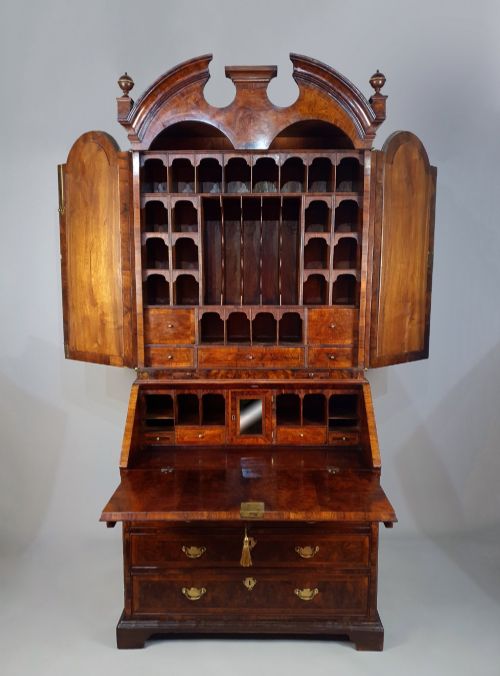
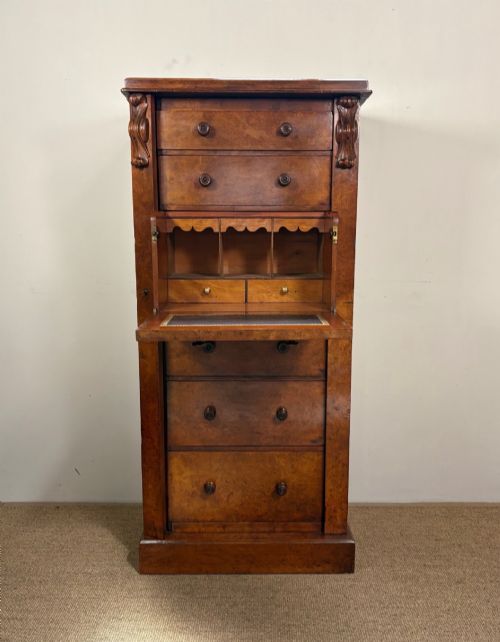
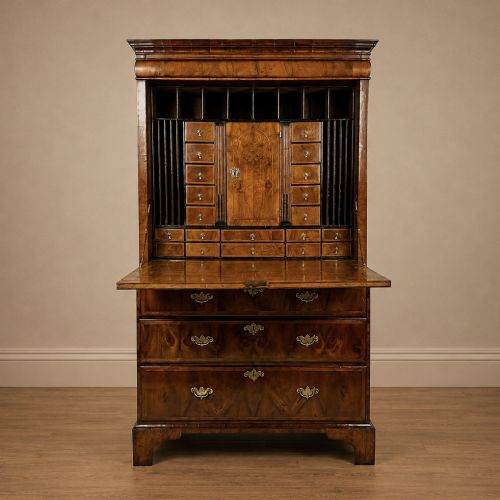
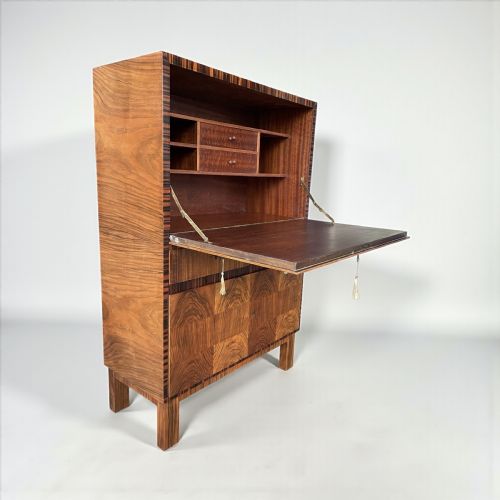
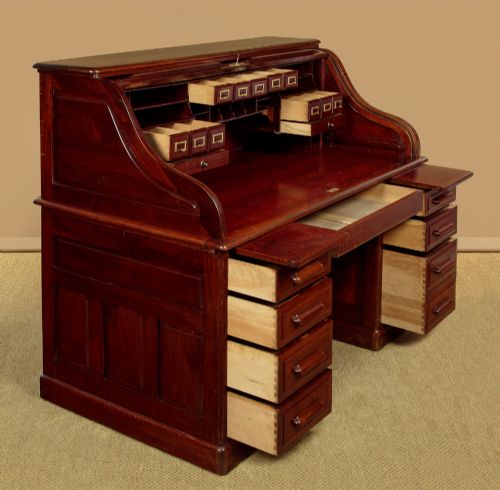
A walnut fitted writing desk encompasses sophisticated case furniture designed for correspondence and document storage, spanning forms from diminutive portable writing slopes to grand bureau bookcases and pedestal desks. When exploring the walnut fitted writing desk category, buyers encounter pieces originating from the late seventeenth century through the twentieth century, with strong representation from Georgian and Victorian eras. These items merge practical writing surfaces with internal pigeonholes, small drawers, and hidden compartments.
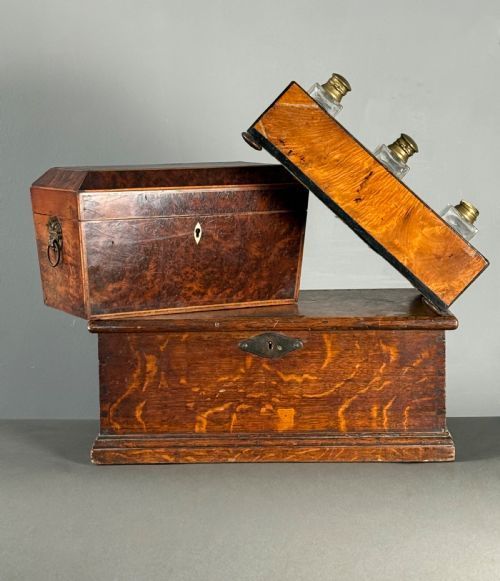
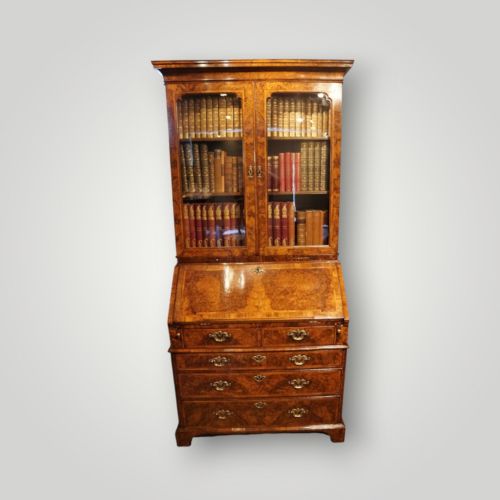
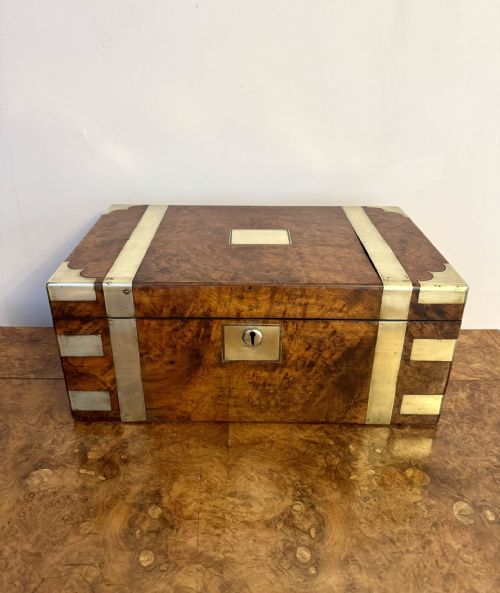
The domestic workspace evolution appears clearly across these forms, moving from early Queen Anne and George I bureau bookcases with glazed upper sections and candle slides down to Victorian brass-bound lap slopes and pedestal desks. Figured burr walnut veneers, fall-front writing cabinets, and bureau bookcases dominate the early periods, while Victorian examples often emphasise portable utility with secret drawers. Buyers frequently meet compact writing boxes alongside larger kneehole desks and metamorphic tables designed to save space.
How they were made
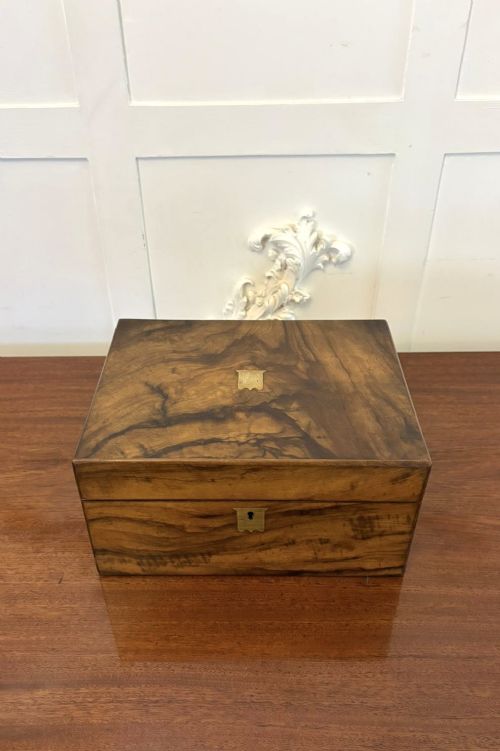
Cabinetmakers constructed these pieces primarily using solid oak or pine carcasses finished with choice veneers of plain or burr walnut, sometimes accented with satinwood, boxwood, and oak banding. Surfaces glow through the application of traditional French polish or wax, which highlights the natural swirling grain patterns inherent in figured walnut.
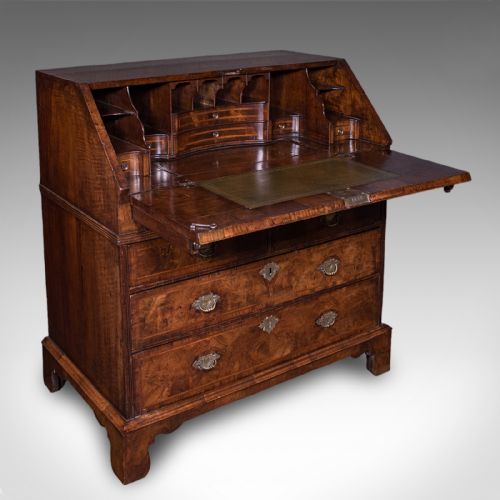
Internal fittings rely on intricate joinery to create miniature banks of drawers, sliding partitions, and secret compartments activated by hidden spring releases. Hardware elements such as flush brass handles, campaign corners, and specialised locks like Bramah mechanisms are integrated directly into the timber structure to secure valuable papers.
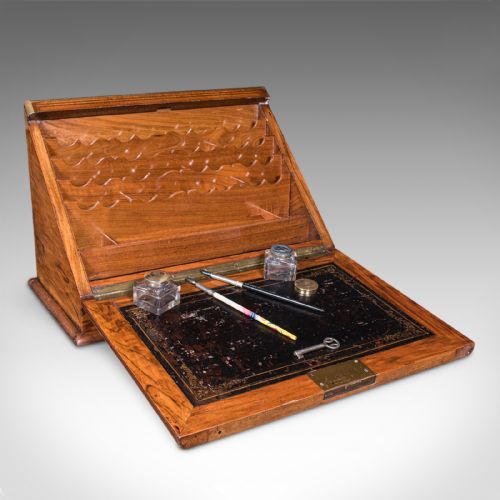
Several Victorian writing slopes hide tiny spring-released compartments accessible only after removing the inkwells and sliding out an interior floorboard.
What varies in quality
The standard of walnut fitted writing desks depends heavily on the choice and matching of timber veneers, where symmetrical burr grain selection elevates a piece far above plain surfaces. Master cabinetmakers achieved continuity across fall-front flaps and drawer fronts, ensuring the natural figures flow seamlessly when closed.
Internal complexity and the preservation of original secondary timbers also dictate standing. Desks featuring intact secret drawers, original Bramah locks, and untouched fitted interiors retain greater integrity than those altered by later restorations or missing their internal miniature compartments.
Holland and Sons·Gillows·Boston Chair Company
The Walnut Fitted Writing Desk Glossary
- Burr walnut
- A prized timber veneer harvested from the gnarled growths or burls of the walnut tree. It yields highly decorative, swirling grain patterns that catch the light.
- Secretaire
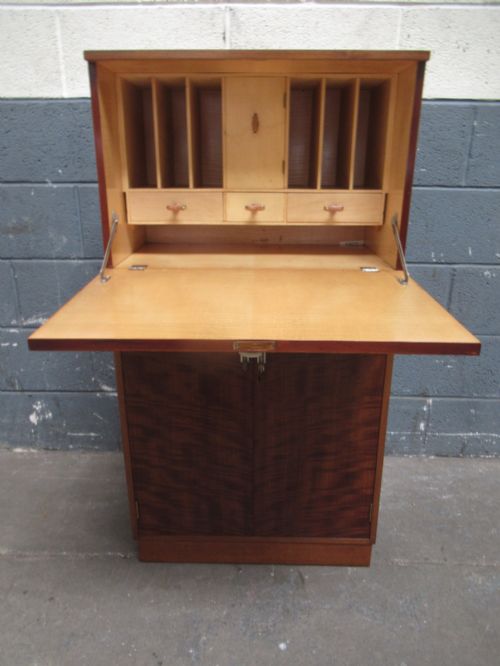
- A cabinet or desk featuring a pull-down or fall-front writing flap that conceals an organised interior of small drawers and pigeonholes. This term often appears interchangeably with bureau in period listings.
- Writing slope
- A portable inclined box that opens to reveal a velvet or leather-lined writing surface alongside compartments for inkwells and pens. Many Victorian examples include secret drawers hidden beneath the stationery section.
- Bureau bookcase
- A tall two-part furniture form combining a slant-front desk lower section with upper display shelving enclosed by glazed doors. Early eighteenth-century examples frequently incorporate candle slides beneath the upper cabinet.
- Kneehole desk
- A compact freestanding desk featuring a central recessed space for the user's legs, flanked by pedestals of stacked small drawers. George II iterations often include a concealed dressing drawer within the top tier.
Walnut Fitted Writing Desk: Frequently Asked Questions
What is a walnut fitted writing desk?
A walnut fitted writing desk is a piece of antique furniture built with specialised internal compartments designed for organising writing materials and correspondence. These pieces range from portable table-top slopes to large bureau bookcases.
They combine a durable timber framework with decorative walnut veneers and intricate internal arrangements intended for domestic correspondence and record keeping.
How do I spot a Georgian desk?
Georgian desks typically exhibit restrained proportions, fine cockbeading around drawer edges, and rich figured walnut veneers supported on bracket feet or cabriole legs. Early eighteenth-century pieces often feature feather banding and candle slides.
Inspect the secondary woods like oak or pine inside the drawers to confirm period construction methods alongside traditional hand-cut dovetailing.
What are secret drawers used for?
Secret drawers concealed within writing slopes and bureau bookcases provided secure storage for confidential documents, currency, and jewellery. Cabinetmakers hid these compartments behind dummy partitions or spring-loaded panels.
Users accessed them by lifting removable trays or pressing hidden wooden pins within the main stationery interior.
How do I care for walnut veneer?
Walnut veneer requires stable indoor humidity levels and protection from direct sunlight to prevent the timber from drying out or fading. Gentle dusting with a dry lint-free cloth preserves the aged polish.
Occasional application of pure beeswax feeds the historic finish without building up synthetic residues that cloud the grain.