



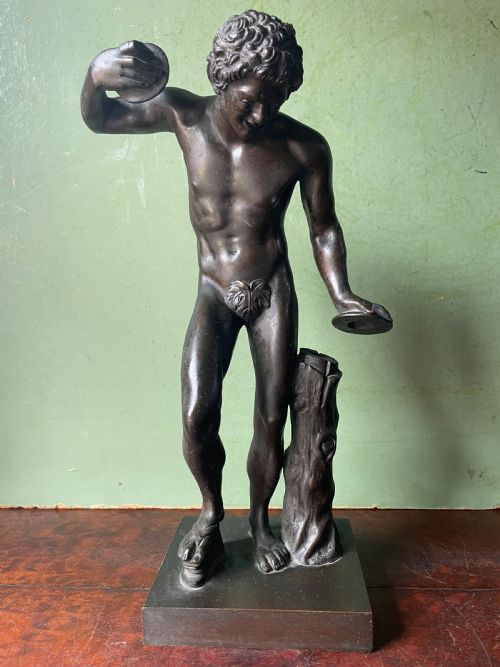

Antique Satyr Figure
An antique satyr figure brings the untamed energy of classical mythology straight into your study, cast in bronze or carved as a timeless decorative accent.
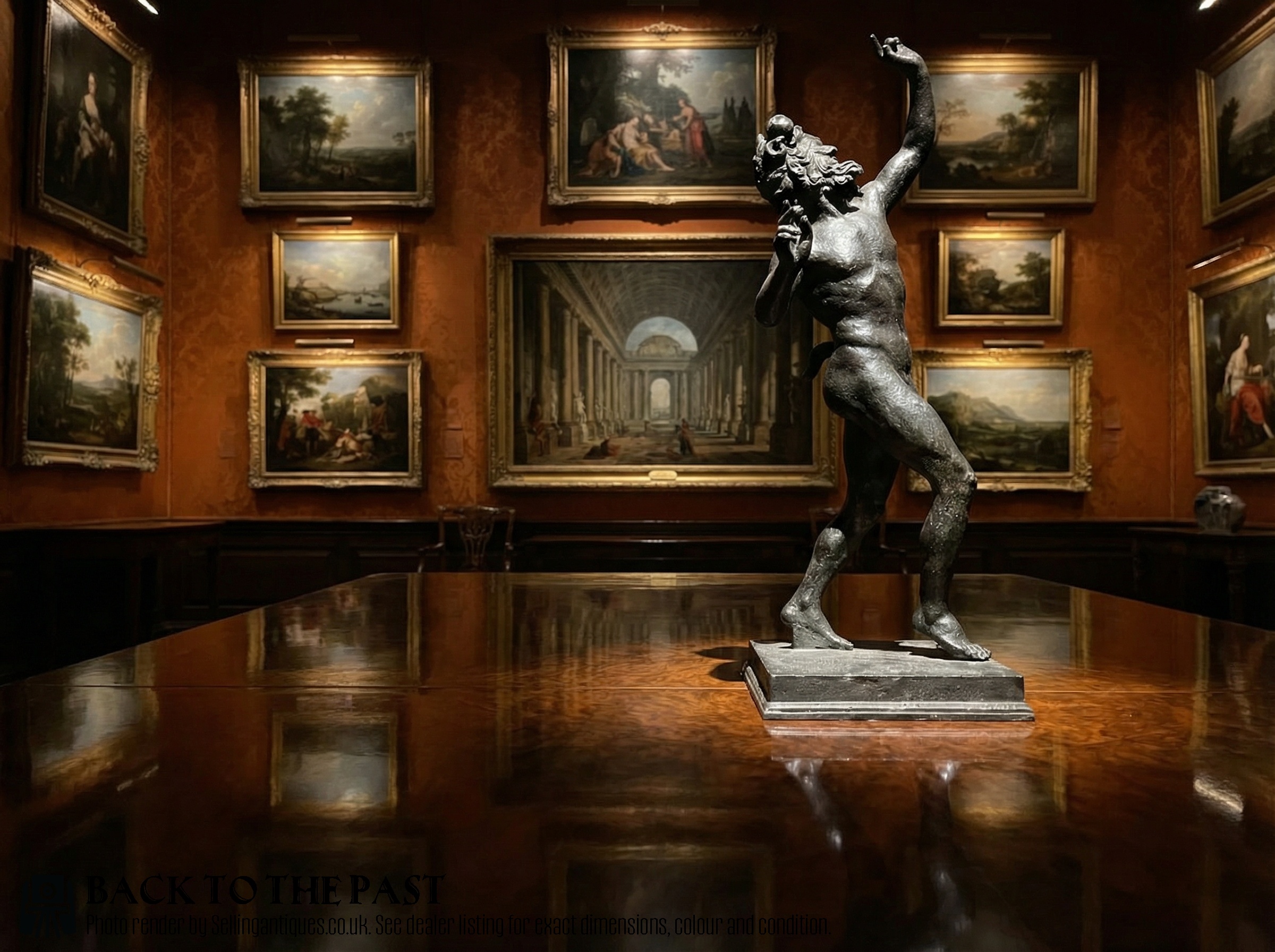
Antique Satyr Figure
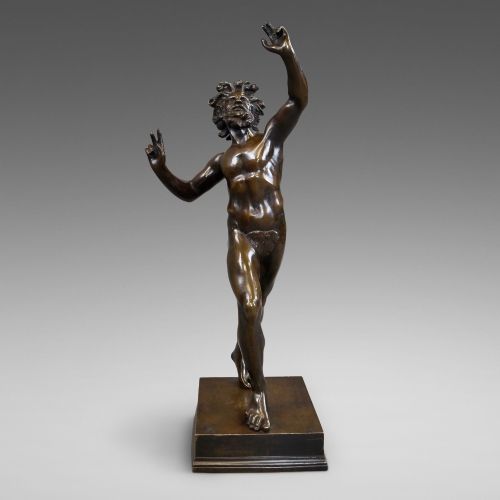
An antique satyr figure represents the mythical half-man, half-goat companion of Bacchus, capturing the celebratory spirit of classical antiquity. These sculptures draw heavily on archaeological discoveries from Pompeii and Rome, translating ancient marble into portable art. You will most frequently encounter nineteenth-century bronzes produced as Grand Tour souvenirs for travellers across Europe.
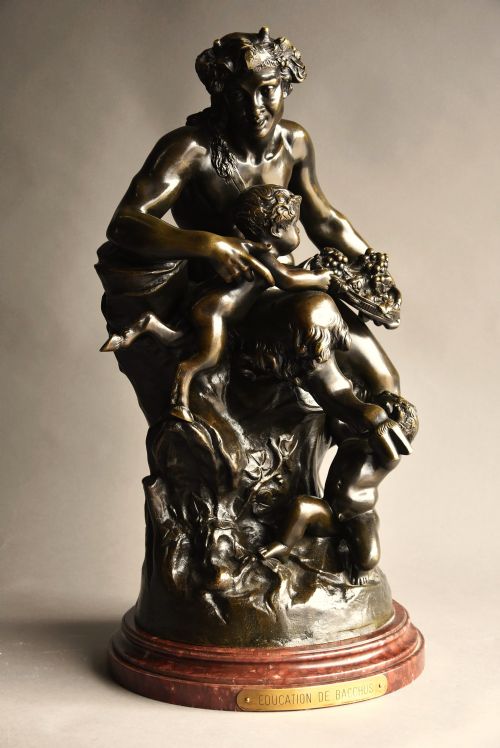
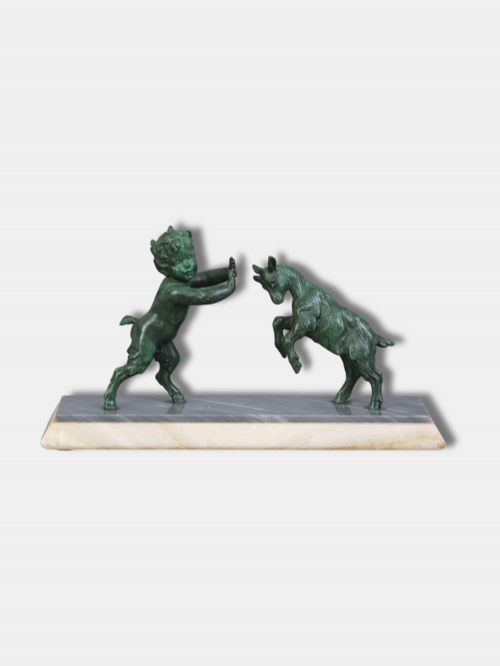
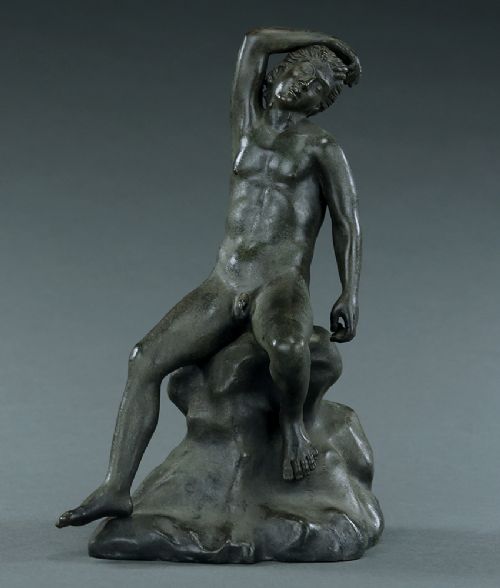
The subjects range from solitary dancing figures playing cymbals or flutes to elaborate group compositions involving infant fauns or goats. While many follow classical prototypes discovered in Italian excavations, others reflect later revival movements and individual sculptural interpretations. These pieces appear as tabletop sculptures, mantel ornaments, and occasionally garden statues.
Makers and foundries span French and Italian workshops, alongside English porcelain works producing figurative ceramics. The material palette extends from heavy patinated bronze and verdigris finishes to marble, lead, plaster, and porcelain. Pieces frequently date from the eighteenth century through to the early twentieth century.
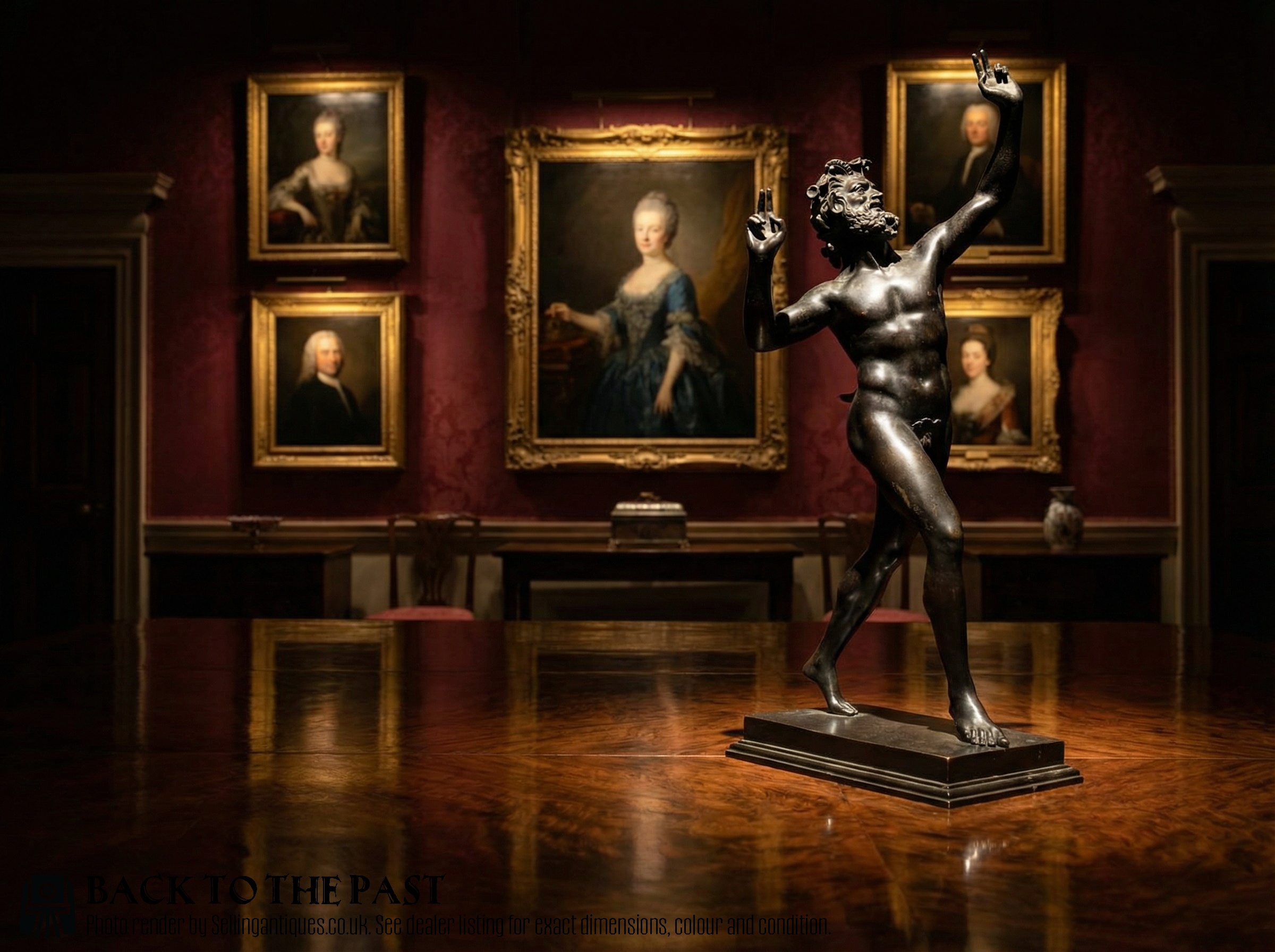
How they were made
Foundries produced the bronze figures using the lost-wax casting method, capturing fine anatomical details and musical instruments before applying chemical patination. Many nineteenth-century Italian and French examples began as reduction casts taken directly from famous museum antiquities. Artisans chased the cooled metal surface by hand to sharpen hair textures, musculature, and facial expressions.
Alternative materials required entirely different workshop practices, such as the firing of painted porcelain figures or the moulding of heavy lead and plaster. Plaster and lead versions offered more accessible alternatives to cast bronze for domestic collectors. Marble bases were turned and polished separately before mounting the completed metal figures.
Engravings and carved wooden objects relied on traditional printmaking and woodworking techniques to reproduce classical architectural motifs and mythological scenes. These works demonstrated careful draughtsmanship and precise tool control to render the textures of skin, drapery, and natural surroundings.
Antique Satyr Figure Retail Price Guide 2026
Typical asking prices for satyr figure among the pieces listed under this phrase on Sellingantiques today, from the lower quarter to the upper quarter. They describe what is for sale here now, not the wider market.
Grand Tour and Neoclassical styles dominate the inventory, reflecting a widespread nineteenth-century European obsession with the excavated antiquities of Pompeii.
What varies in quality
The quality of the mount and the selection of secondary materials further differentiate the tier of the piece. Heavy marble plinths, secure fixings, and well-cast integral bases demonstrate careful construction by skilled artisans. Finer ceramic and porcelain examples display precise hand-painting and crisp moulding without surface distortion.
Emile Carlier·Augusto Rivalta·James Hadley·Royal Worcester·James Basire
The Antique Satyr Figure Glossary
- Grand Tour
- A traditional trip through Europe undertaken by upper-class young men to collect art and antiquities. Souvenirs purchased on these journeys frequently inspired the small bronze satyr sculptures seen today.
- Lost-wax casting
- A metalworking process where a molten metal is poured into a mould that has been created by means of a wax model. Once the wax is melted away, the metal fills the cavity to form the sculpture.
- Patina
- A thin layer that naturally or artificially develops on the surface of bronze through oxidation and age. Foundries often applied chemical patinas to simulate ancient burial or to achieve specific dark brown and green tones.
- Neoclassical
- An artistic movement drawing on the art and culture of classical antiquity. This aesthetic heavily influenced nineteenth-century European sculptors who reinterpreted mythological figures like satyrs and fauns.
- Faun
- A mythological creature of Roman rural mythology, similar to the Greek satyr, possessing the horns, ears, and legs of a goat. Figures of dancing faunts form the vast majority of these antique sculptures.
- Clodion
- The professional name of Claude Michel, an eighteenth-century French sculptor whose lively terracotta and bronze groups of satyrs and bacchantes inspired later generations of makers.
Antique Satyr Figure: Frequently Asked Questions
What is a satyr figure?
A satyr figure depicts a mythological creature with the upper body of a man and the lower limbs or horns of a goat. These mischievous companions of the wine god Bacchus are typically shown dancing, playing pipes, or celebrating.
Artists across the eighteenth and nineteenth centuries adapted these ancient pagan motifs into decorative sculptures for domestic interiors. They serve as direct links to classical antiquity and nineteenth-century collecting habits.
How were Grand Tour bronzes made?
Grand Tour bronzes were cast in European foundries, predominantly in France and Italy, using the lost-wax method. Artisans often reduced famous museum statues into smaller portable souvenirs for travellers.
After casting, workers chased the metal surfaces by hand to add fine details to the hair and musculature. They then applied patinas ranging from deep brown to verdigris green before mounting the figures on marble bases.
How do I date a bronze satyr?
Dating relies on examining the casting technique, the character of the bronze patina, and the style of the mounting. Nineteenth-century examples often carry specific foundry marks or reflect contemporary revival aesthetics.
Comparing the sculpture to known archaeological finds helps distinguish mid-nineteenth-century Grand Tour casts from later twentieth-century reproductions. The weight and composition of the base material also provide clues to the period of manufacture.
Where were these figures displayed?
Victorian collectors displayed bronze satyrs on library desks, mantelpieces, and dedicated sculpture cabinets. These pieces demonstrated the owner's classical education and cultured travels abroad.
Today, they fit easily into study rooms, living spaces, and entrance halls as sculptural accents. Their compact scale allows them to sit comfortably alongside books and ceramics.