

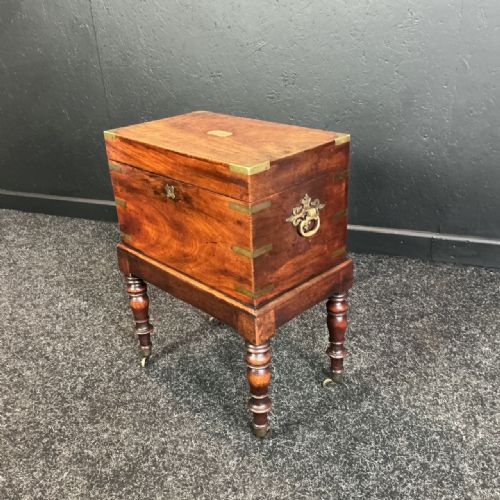
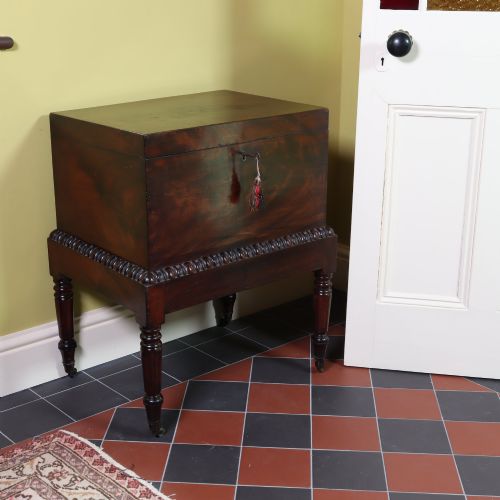

Antique Sarcophagus Wine Cooler
An antique sarcophagus wine cooler holds bottles with heavy architectural presence, bringing classical dignity and rich timber grain to the dining room.
Antique Sarcophagus Wine Cooler
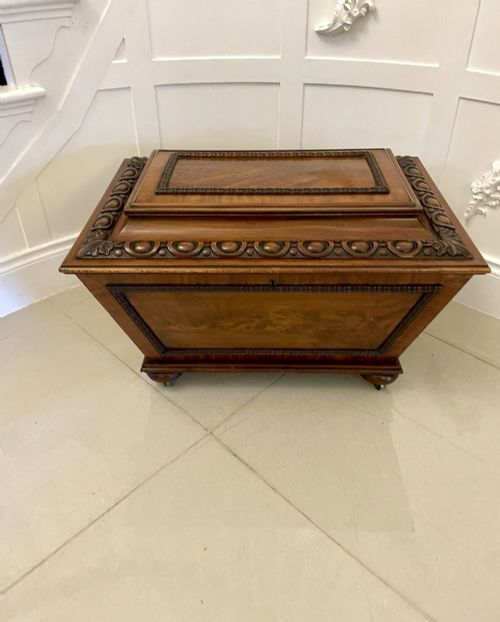
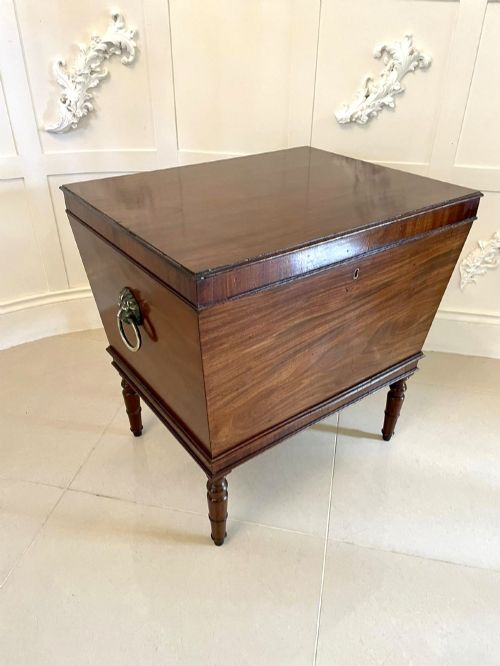
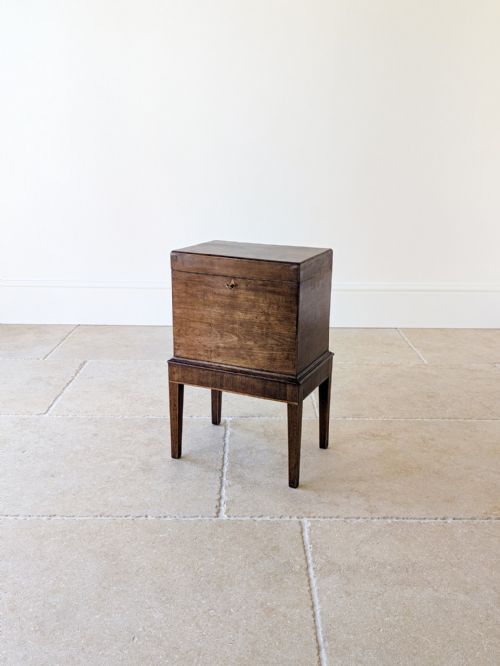
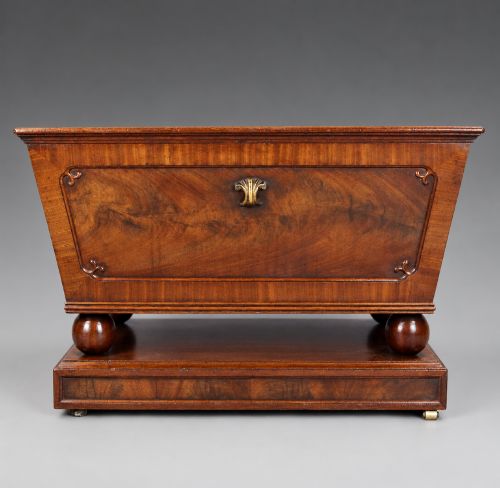
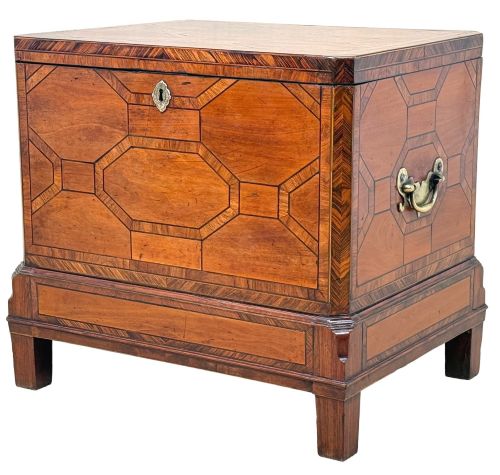
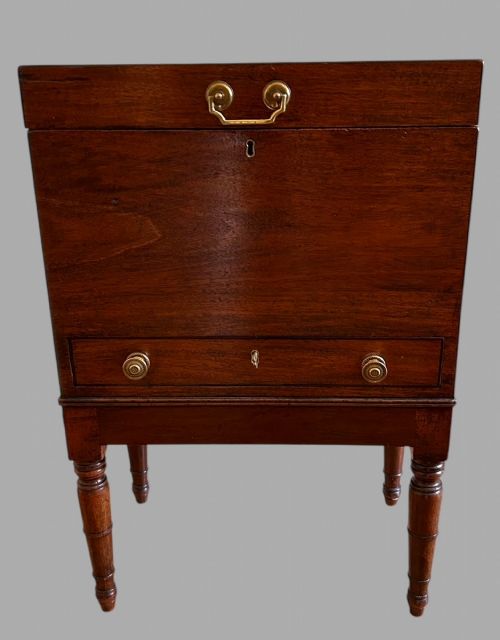
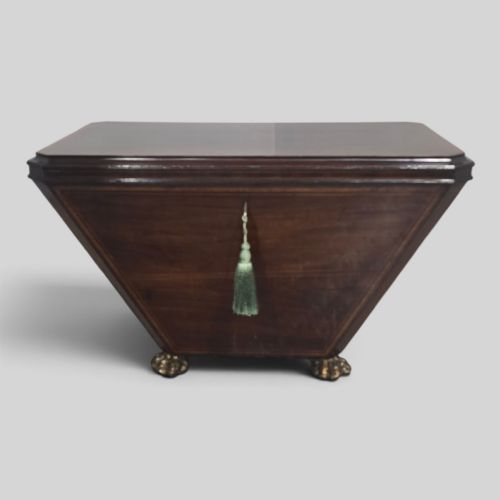
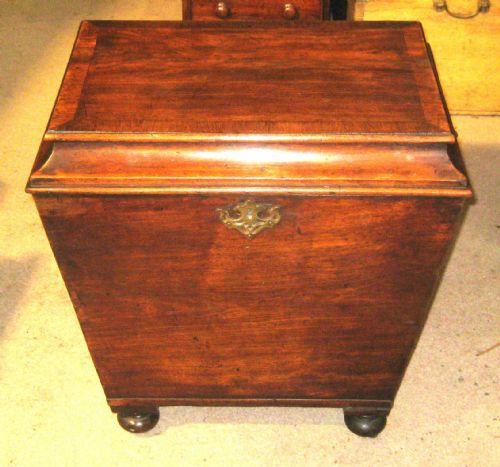
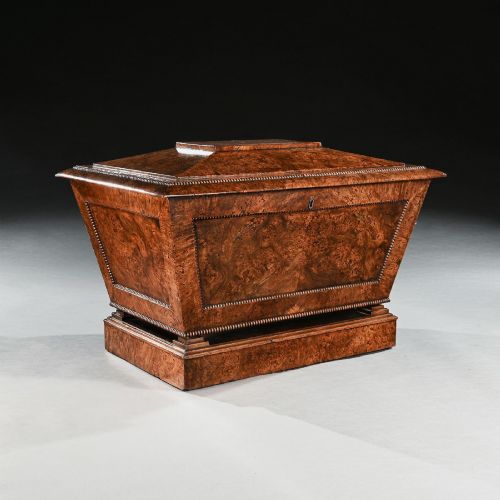
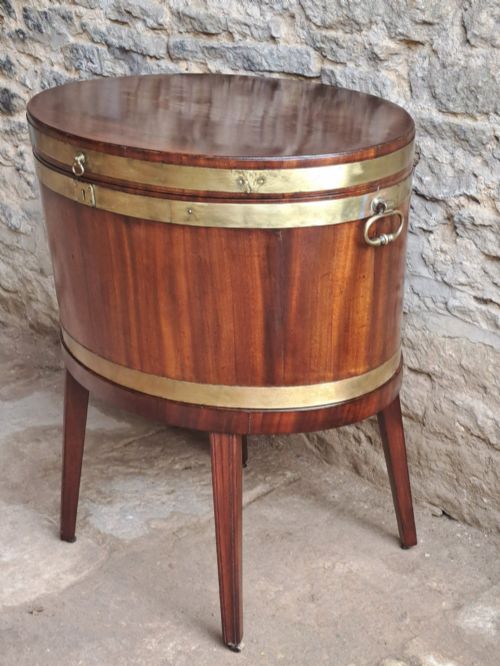
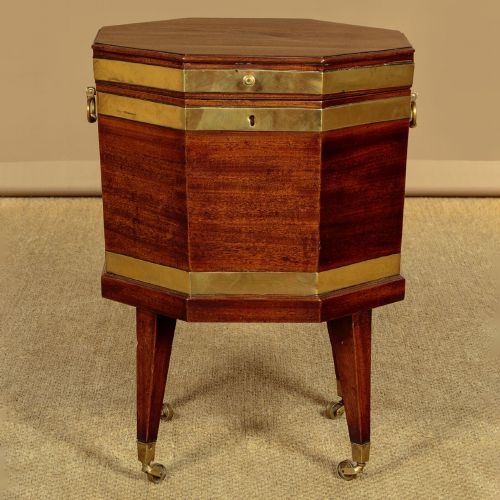
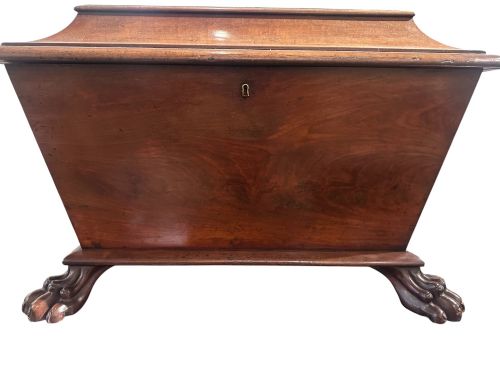
An antique sarcophagus wine cooler is a monumental vessel designed to chill bottles for the dining table, taking its distinct sloping-lidded form from classical Roman tombs. These pieces appear most frequently in rich mahogany from the Georgian, Regency and Victorian periods, often taking the shape of low, robust boxes standing on stout legs or plinths. Collectors encounter them as cellarettes or wine coolers that reflect the formal dining rituals of the eighteenth and nineteenth centuries.
The versions most common on this page date from the late eighteenth century through the nineteenth century, spanning George III, Regency and William IV reigns. Makers built these coolers to sit beneath sideboards or stand independently in the dining room, ready to hold ice and bottles. Their architectural proportions and substantial timber presence make them the defining centrepiece of a period dining arrangement.
What varies in quality
Execution of detail separates workshop output, seen in the sharpness of carved feet, paw mounts and panel mouldings. Superior examples show refined proportions and integrated brasswork that sits flush with the timber, whereas simpler items depend entirely on stark rectangular geometry without secondary ornament.
Some lead linings still carry the faint, ghostly chill of Regency ice parties held two centuries ago.
Edwards and Roberts·Gillows
The Antique Sarcophagus Wine Cooler Glossary
- Cellarette
- A lockable container or box used to store wine and spirits in the dining room. These vessels often contained lead linings for ice and internal dividers for bottles.
- Flame mahogany
- A veneer cut from the branch junction of the mahogany tree, producing a distinctive rippled pattern resembling flickering flames. Cabinet makers used this timber on prominent surfaces like lids and drawer fronts.
- Ormolu
- Gilded bronze used for decorative mounts and furniture hardware. The technique involves applying a gold amalgam to bronze before heating to drive off the mercury.
- Pollard oak
- Timber taken from an oak tree that has been pruned at a height above animal grazing reach, causing the grain to grow in tight, knotty, swirling patterns. This wood was prized by Regency makers for its dense decorative texture.
- Sarcophagus form
- A furniture shape modelled on ancient stone coffins, featuring a stepped or domed lid sloping down to a wider rectangular or panelled base.
Antique Sarcophagus Wine Cooler: Frequently Asked Questions
What is a sarcophagus wine cooler?
A sarcophagus wine cooler is a heavy, lidded wooden chest designed to hold wine bottles and ice during formal dining. The shape mirrors classical Roman stone coffins, featuring sloped sides and monumental proportions.
Craftsmen built these pieces to rest on the floor near the dining table or sideboard. They allowed hosts to keep bottles cool without leaving the dining room.
How were they used historically?
Servants filled the internal lead-lined compartment with ice and water to chill wine before and during dinner service. The heavy lid kept the interior cold while concealing the bottles from view.
Many examples include internal wooden dividers to separate individual bottles and prevent them from clinking together. Some versions also featured locks to secure expensive vintages from household staff.
How do I date a wine cooler?
Dating relies on the combination of timber selection, hardware style and overall architectural form. Georgian pieces often show restrained classical lines, whereas Regency and William IV examples favor bolder neoclassical mounts and figured veneers.
Inspect the interior construction, drawer linings if present, and the type of brass handles used. Hand-cut dovetails and original lead linings provide strong clues to the exact manufacturing era.
How do I style one at home?
These pieces function well as freestanding statement items in a dining room, living space or hallway. Their flat tops provide a surface for lamps, books or decorative objects when not in use for entertaining.
They also serve as practical storage for modern collections of bottles or heavy textiles. The rich timber tones anchor traditional and contemporary interiors alike.