


Vintage Cellarette Box
A vintage cellarette box secures fine wine and spirits in handsome timber vessels built to hold bottles and decanters safely.
Vintage Cellarette Box
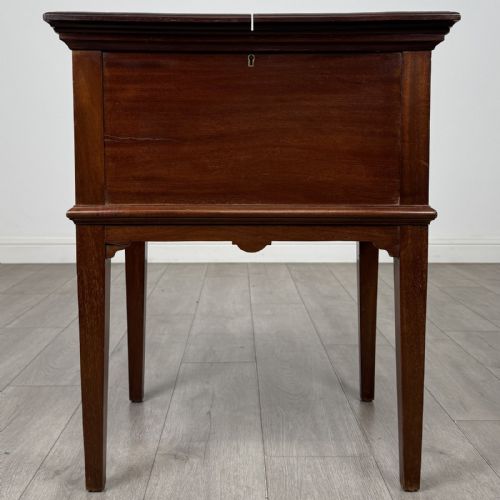
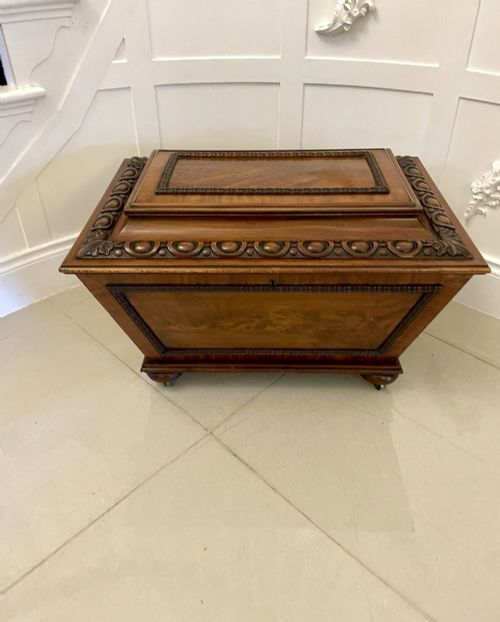
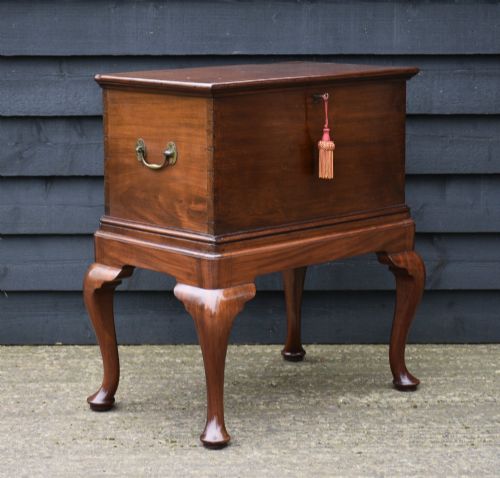
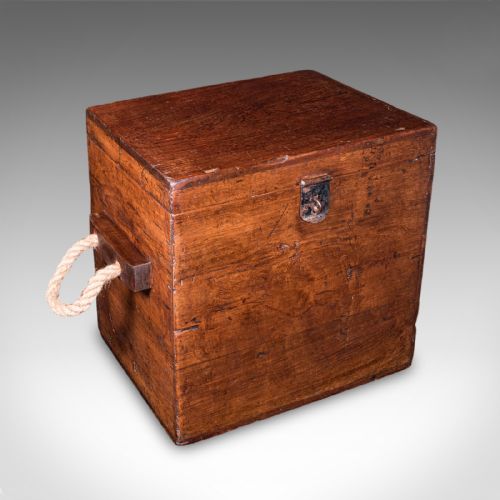
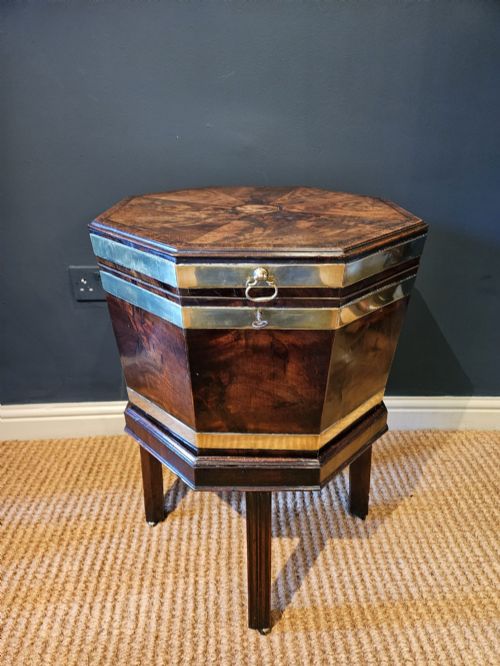
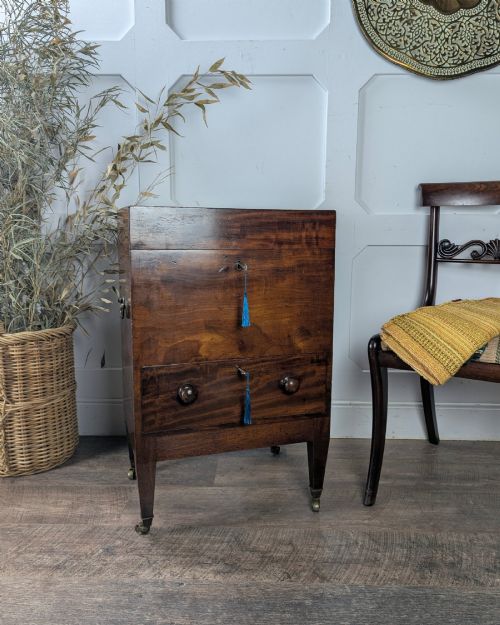
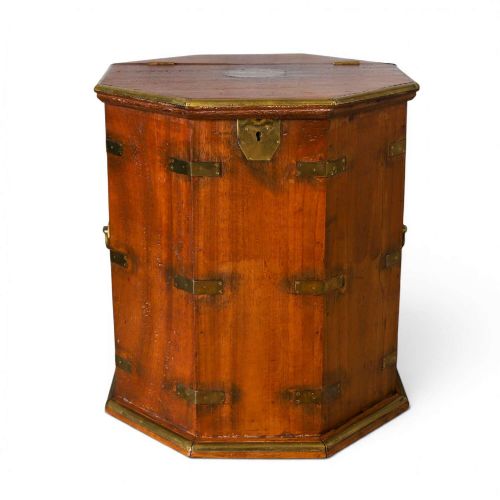
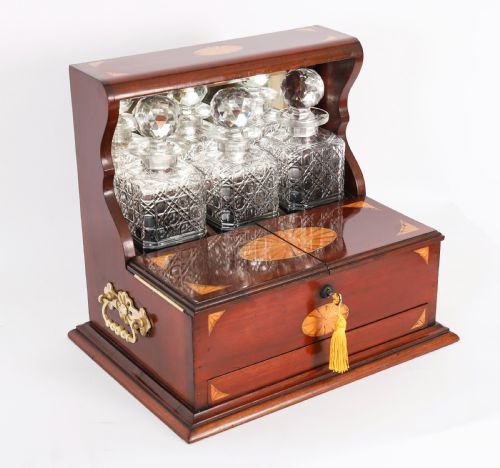
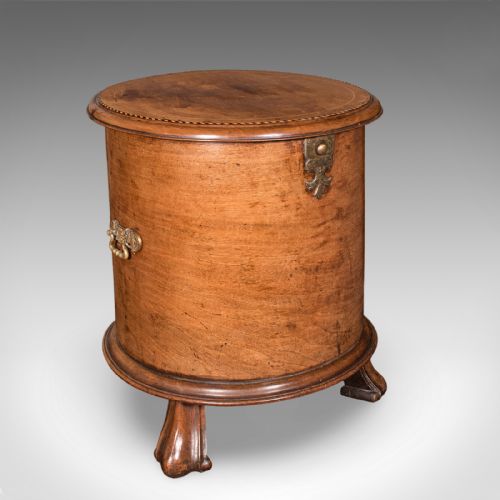
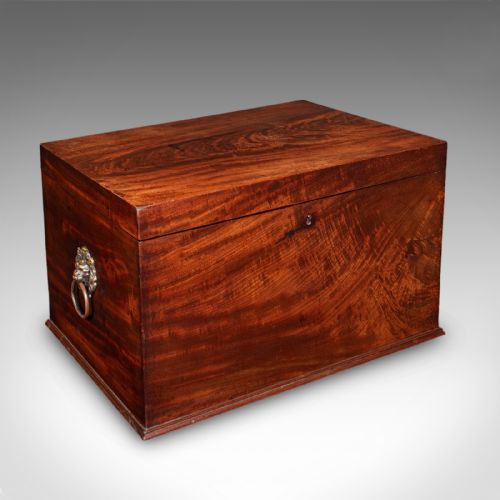
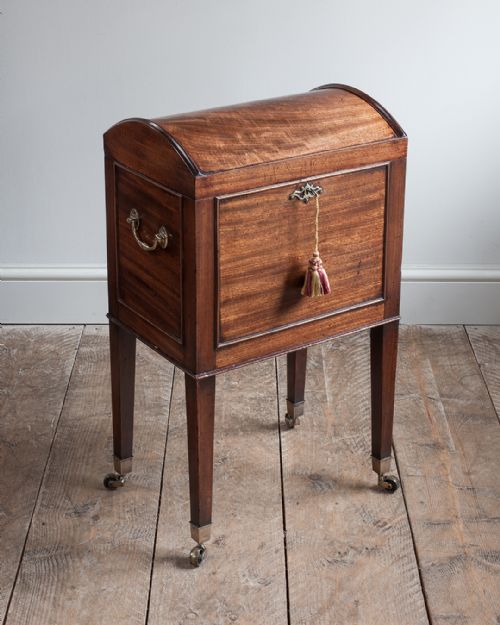
A vintage cellarette box is a specialised storage chest designed to hold wine bottles, decanters and spirits securely. These pieces range from compact tabletop decanter boxes to large sarcophagus-shaped wine coolers resting on stands or castors.
The selections span multiple historical eras including Georgian, Regency, Victorian and Edwardian periods. Mahogany remains the most prominent timber, accompanied by walnut, satinwood, teak and elm.
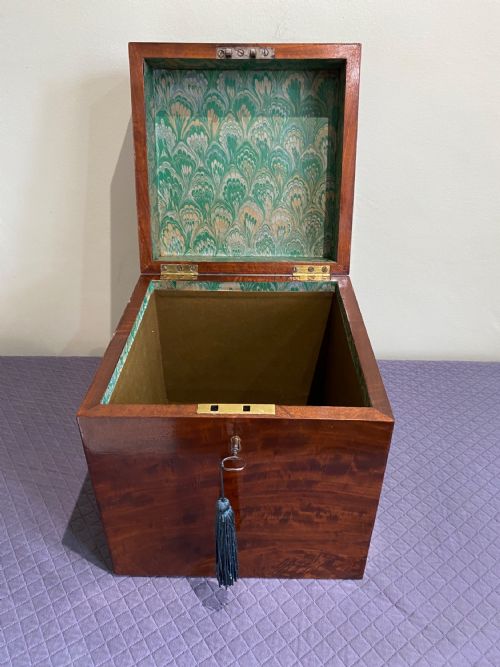
Buyers will encounter functional storage chests alongside decorative cabinets and campaign-style containers. Many feature fitted interiors designed to cradle glass bottles safely during transport or dining.
Materials and construction methods
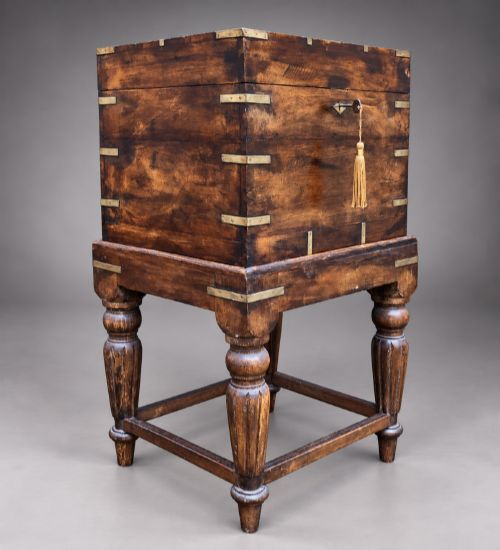
Cabinetmakers constructed these pieces primarily from solid mahogany, walnut and satinwood, frequently accentuating the timber with brass banding, corner reinforcement and drop handles. Interior compartments often include fitted wooden dividers, glass cut crystal decanters and lead linings designed for ice and bottle storage.
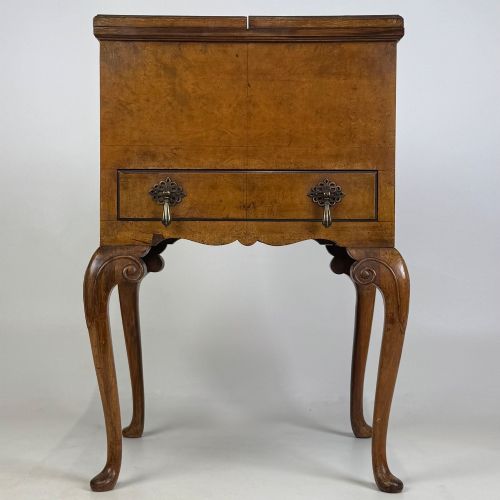
Joinery techniques display high levels of craftsmanship, utilising dovetailed box construction and secure locking mechanisms with original keys. Stand-mounted pieces incorporate turned legs, cabriole supports or sturdy architectural bases to bear the heavy weight of stored glass and liquid.
Listings feature robust timbers including mahogany, walnut, satinwood, teak and elm, spanning from the mid eighteenth century through the Edwardian era.
Assessing quality and craftsmanship
Quality rests heavily on the integrity of the timber figure, the precision of brass inlay or banding, and the survival of the original fitted interior. Pieces retaining their original glass decanters, dividers and operational locks command greater appreciation among collectors.
The sophistication of the silhouette defines the upper tier of examples, from fluid sarcophagus curves to refined satinwood inlay and Sheraton Revival proportions. Secondary woods, crisp carving on paw feet, and the structural stability of the stand further separate ordinary utility boxes from master cabinetwork.
Gillingtons·Freemans of Norwich
The Vintage Cellarette Box Glossary
- Cellarette
- A lockable cabinet, box or chest built specifically to hold wine bottles and decanters near the dining table. These containers often featured lead linings to hold melting ice.
- Sarcophagus
- A monumental coffin-like architectural shape with a domed or peaked lid popular for large Regency and Georgian wine coolers. This heavy classical form provided ample interior depth for multiple bottles.
- Tantalus
- A locking wooden frame that holds decanters securely while displaying their contents behind bars, preventing unauthorized pours while the key is absent. They frequently include games compartments or cut crystal glassware.
- Campaign chest
- A modular storage box constructed in sections with brass corners and recessed carrying handles, designed for easy travel by military officers. Many incorporated specialised compartments for spirits and glassware.
- Decanter box
- A portable wooden case lined with velvet or fabric, fitted with internal partitions to transport glass bottles safely. They typically feature a hinged lid and a robust brass carrying handle on top.
Vintage Cellarette Box: Frequently Asked Questions
What is a cellarette box used for?
A cellarette box serves as a secure portable container for storing wine bottles, spirits and heavy glass decanters. Historically, diners kept them in the dining room to keep drinks close at hand without relying constantly on servants.
Many examples feature internal wooden dividers or lead linings designed to keep bottles upright and chilled with ice. Today, collectors utilise them as statement storage pieces, side tables or sophisticated home bars.
How do I date an antique cellarette?
Dating a cellarette involves examining the primary timber, hardware, joinery techniques and overall stylistic period. Georgian and Regency pieces often feature heavy mahogany construction with brass lion paw feet and classical sarcophagus shapes.
Later Victorian and Edwardian examples might incorporate lighter satinwood inlay, cabriole legs or Edwardian revival styling. Looking closely at the interior construction and lock mechanisms also helps establish the era of manufacture.
Can these boxes hold modern wine bottles?
Most vintage cellarettes were built to accommodate the specific bottle dimensions of their respective eras, which often differ from modern wine bottle shapes. Standard Bordeaux or Burgundy bottles may fit comfortably, but taller or wider contemporary bottles might require careful measurement.
Buyers intending to use the interior storage should check the internal partition dimensions before purchasing. Many collectors simply store antique decanters and glassware inside them rather than modern wine.
Were cellarettes meant to be portable?
Certain cellarettes were designed specifically for travel, particularly campaign-style boxes and military decanter chests equipped with recessed brass handles. Other larger sarcophagus models and cabinet variants remained stationary on dining room floors or dedicated stands.
Stand-mounted pieces raised the heavy timber container to a convenient height for serving. The inclusion of castors or sturdy side handles usually indicates whether a specific design was intended for movement.