


Antique Sacred Art Sculpture
These antique sacred art sculpture pieces range from medieval panels to nineteenth-century figures, bringing centuries of devotion into a room.
Antique Sacred Art Sculpture
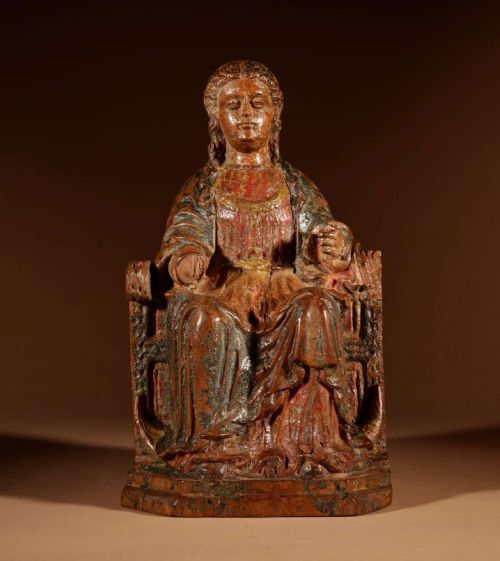
When you search for antique sacred art sculpture, you encounter figures and panels created for churches, altarpieces, and private devotion across Europe and beyond. The selection spans centuries of religious representation, from pre-sixteenth century medieval carvings to nineteenth-century statues.
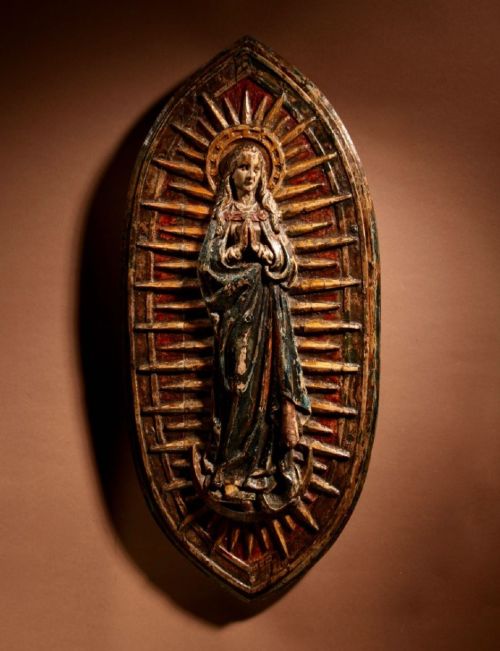
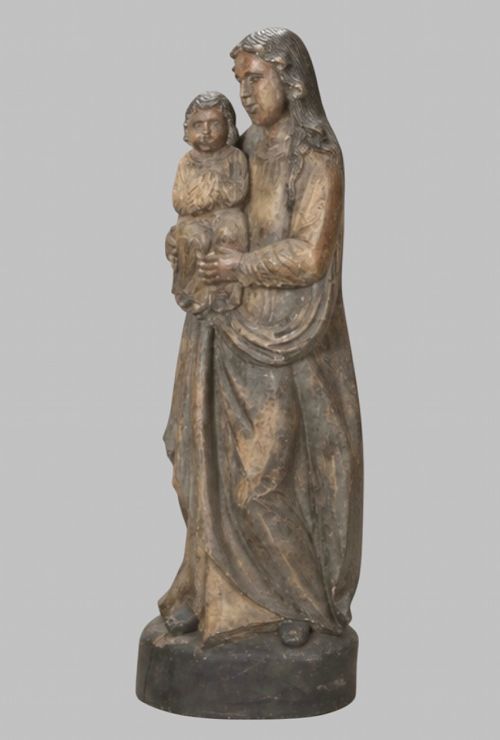
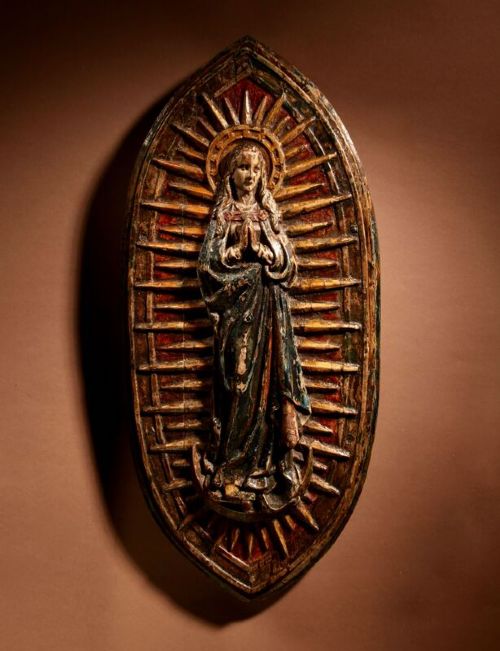
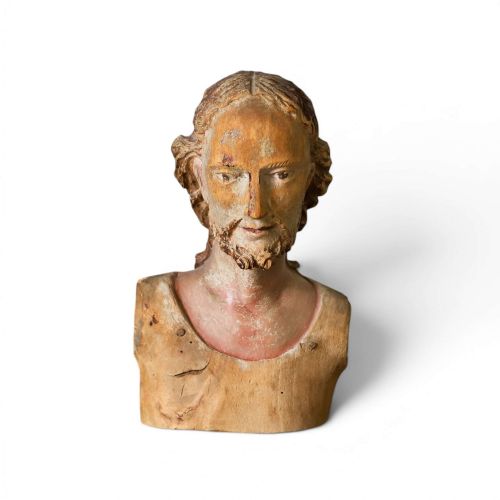
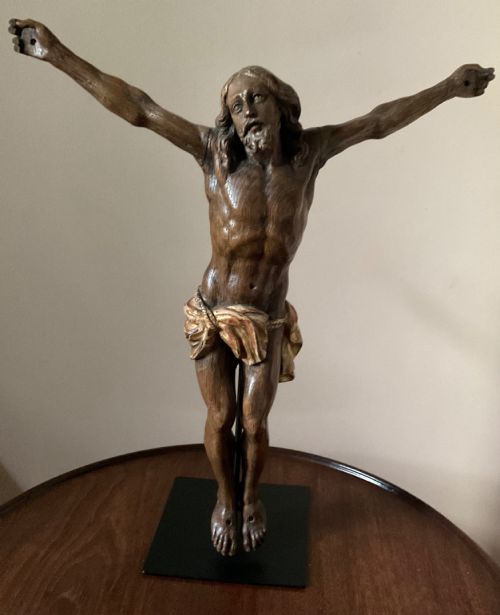
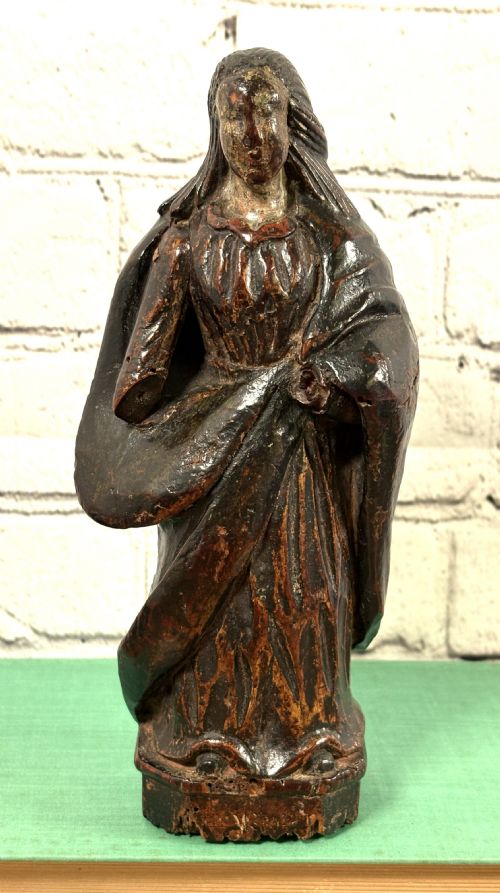
You are most likely to meet wooden figures of saints, Madonnas, and representations of Christ. These take forms ranging from freestanding statues and busts to wall panels and corpus Christi figures.
The origins stretch across different regions, encompassing Italian, German, Belgian, and Croatian workshops. Each piece reflects the specific liturgical traditions and artistic styles of its period, such as Gothic, Renaissance, and Baroque.
Materials and construction
Many surfaces received layers of gesso, polychrome paint, parcel gilt, or gold leaf to enhance visual impact and add divine radiance. Bronze also appears in sculptural plaques and busts, cast and patinated by skilled metalworkers.
Antique Sacred Art Sculpture Retail Price Guide 2026
Typical asking prices for sacred art sculpture among the pieces listed under this phrase on Sellingantiques today, from the lower quarter to the upper quarter. They describe what is for sale here now, not the wider market.
Listings feature works spanning from pre-sixteenth century medieval pieces to twentieth-century Tibetan carvings, executed in oak, walnut, limewood, bronze, and polychrome paint.
Judging quality in sacred sculpture
The distinction between ordinary and exceptional pieces lies in the anatomical precision and emotional depth expressed by the carver. Master hands managed to convey profound sorrow, serenity, or majesty through subtle turns of the head and the natural fall of robes.
Survival of original surface treatments, such as early polychrome paint and gilding, elevates a piece significantly. Sculptures that retain their historic finish without excessive later repainting offer a more authentic connection to their liturgical origins.
George Minne·Franz Keller·Gian Federigo Bonzagna
The Antique Sacred Art Sculpture Glossary
- Polychrome
- Decorated in a variety of colours. This term describes sculpture and wood carvings painted with pigments, often over a gesso ground.
- Corpus Christi
- The body of Jesus Christ represented on a cross. These figures form the central corpus of a crucifix.
- Gesso
- A plaster mix used as a surface preparation for painting on wood. It provides a smooth white base for gilding and polychrome layers.
- Anna Selbdritt
- An artistic representation of Saint Anne with the Virgin Mary and the Christ Child. This grouping appears frequently in late medieval continental art.
- Citipati
- Protector deities in Tibetan Buddhist practice often depicted as skeletal figures. These carved wooden skulls symbolise the triumph over death.
Antique Sacred Art Sculpture: Frequently Asked Questions
What periods do these sculptures cover?
The available pieces span from pre-sixteenth century medieval works up to the early twentieth century. You will find examples representing the Gothic, Renaissance, Baroque, and later revival styles.
Earlier items often originate from monastic or church contexts, while later nineteenth-century figures reflect shifting devotional practices in domestic and institutional settings.
What woods were used for carving?
Carvers selected timbers based on regional availability and how well the grain held fine detail. Limewood, oak, walnut, and pine appear frequently across continental European workshops.
Softer woods like olive wood and applewood were also utilised for specific regional bust carvings and smaller devotional objects.
How were polychrome surfaces applied?
Wood carvers typically prepared the raw timber with a layer of gesso before applying vibrant pigments and gold leaf. This technique created a luminous, lifelike finish intended to catch candlelight in sacred spaces.
Over the centuries, many pieces have endured natural wear, revealing layers of historic paint and preparation grounds beneath.
What subjects are most common?
Representations of the Madonna and Christ Child dominate the figures, alongside depictions of saints such as John the Baptist, Jerome, and Jude. You also encounter narrative panels from altarpieces and figures depicting the Passion of Christ.
Each subject served a specific liturgical or meditative purpose within churches, roadside shrines, or private prayer spaces.