





Carved Walnut Plaque
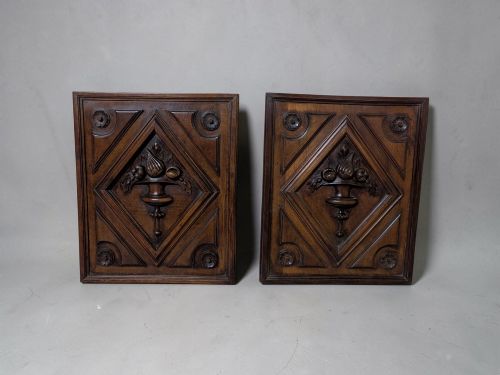
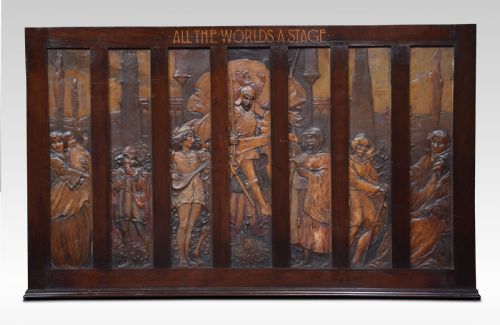
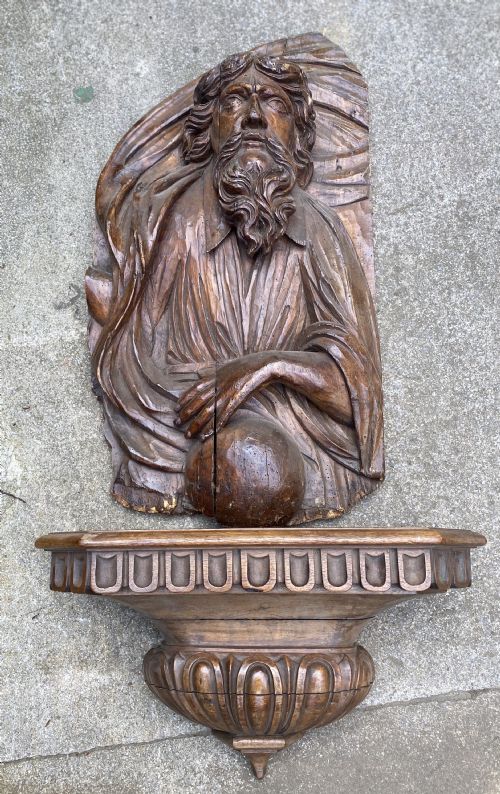
These carved walnut plaque examples bring dense historic relief and deep timber warmth directly to a wall.
Carved Walnut Plaque
A carved walnut plaque represents a rich tradition of decorative timber sculpture meant for interior display, spanning wall reliefs, armorial panels, and architectural fragments. Buyers search this phrase to find sculptural depth and historic character for panelled rooms or plain plaster walls.
The pieces on this page draw from several distinct periods, most notably the nineteenth century alongside seventeenth-century survivals, taking forms such as game plaques, animal masks, and religious figures. Black Forest workshops and regional European carvers dominate the selection, bringing naturalistic subjects and deep relief work to the domestic interior.
How they were made
Makers utilised dense walnut timber, prized for its ability to hold crisp edges and fine detail under chisel and gouge. This wood allowed artisans to carve deep undercut foliage, animal anatomy, and human figures without splitting the grain.
Secondary materials sometimes complement the primary wood structure, including glass inserts, porcelain accents, or ormolu mounts depending on the regional style. Construction typically involved solid timber panels, occasionally framed with simpler woods like oak or augmented with zinc components.
German hunting scenes and watchful tiger heads stare out from nineteenth-century walls with surprising glass-eyed intensity.
What varies in quality
The distinction between ordinary and exceptional work lies in the depth of the carving and the life within the subject. Master carvers achieved muscular tension in animal reliefs and expressive depth in human faces, whereas lesser pieces remain stiff and shallow.
Proportion and the preservation of the original surface finish dictate the standing of a panel. Pieces retaining their early patination without heavy modern intervention command greater respect from collectors of historic woodwork.
The Carved Walnut Plaque Glossary
- Relief
- Carving where the figures project from a flat background. High relief stands out strongly from the plane, creating deep shadows.
- Black Forest
- A nineteenth-century carving style originating in the wooded mountains of central Europe. It is known for naturalistic animals, particularly bears, birds of prey, and hunting scenes.
- Armorial
- A design displaying heraldic bearings or coats of arms. These panels often commemorate family lineages or civic bodies.
- Patina
- The surface sheen and colour developed by timber over decades of handling and exposure to air. A rich patina indicates age and minimal harsh stripping.
Carved Walnut Plaque: Frequently Asked Questions
How do I hang a heavy carved walnut plaque?
These dense timber panels require secure fixings screwed directly into wall studs or heavy-duty masonry anchors. The weight of solid walnut demands a robust brass wire or integrated flush-mount brackets rated for the specific load.
Ensure the hanging point engages the structural frame of the plaque rather than relying solely on decorative applied mouldings or thin backing boards.
How should I clean historic carved wood?
Dust accumulated in deep recesses is best removed gently using a soft natural bristle brush or a dry microfiber cloth. Avoid commercial liquid polishes, silicone sprays, and water, which can degrade the historic finish and soften the grain.
Occasional application of pure beeswax paste helps nourish dry timber, provided it is buffed off completely to prevent dust accumulation in the carved details.
Where were these plaques placed originally?
Historic walnut plaques often adorned the walls of hunting lodges, dining rooms, and libraries, where dark wood panelling complemented the decor. Armorial and religious panels frequently served as focal points above mantelpieces or within communal halls.
Smaller animal masks and game plaques were grouped together to create expansive trophy displays in country houses.