
Antique Wooden Wall Reliefs
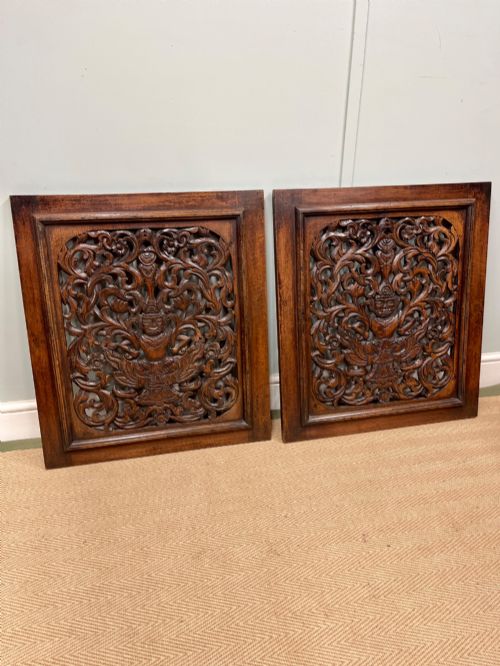
These antique wooden wall reliefs bring depth and texture to a room, spanning centuries of intricate carving traditions from European oak panels to Eastern temple pediments.
Antique Wooden Wall Reliefs
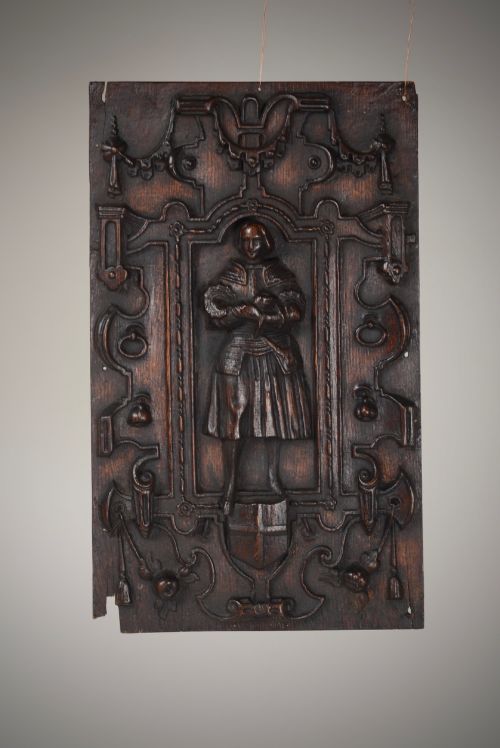
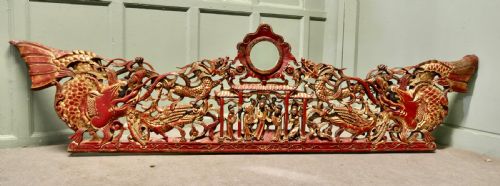
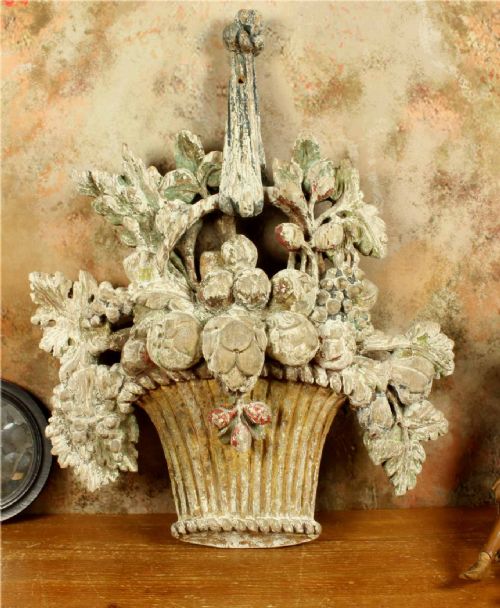
The selection ranges from early oak panels originating in the seventeenth century to nineteenth-century Burmese and Chinese gilt wood carvings and European painted signs.
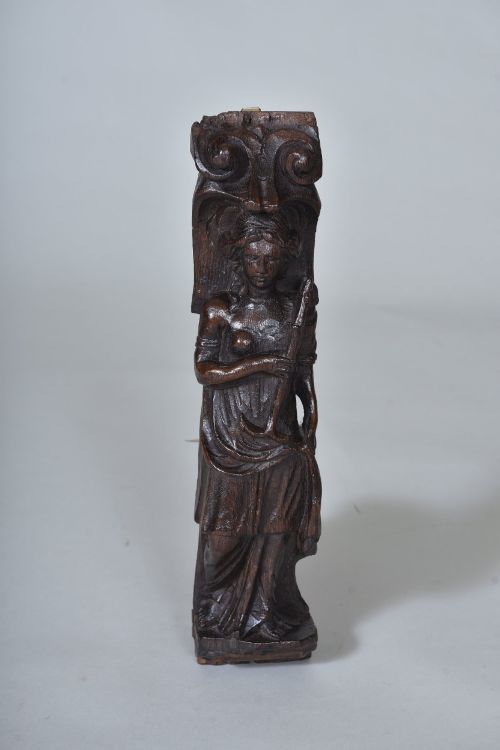
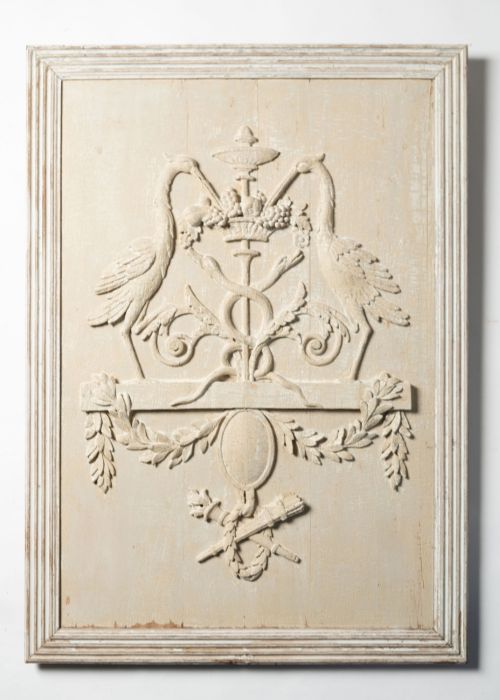
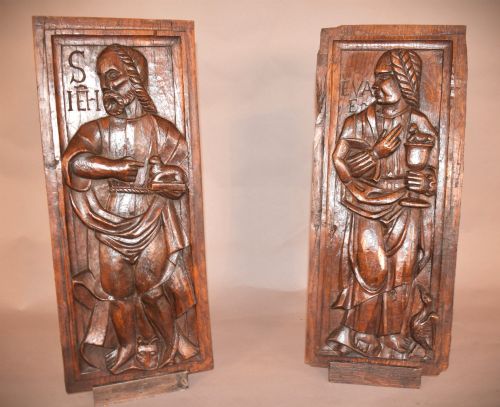
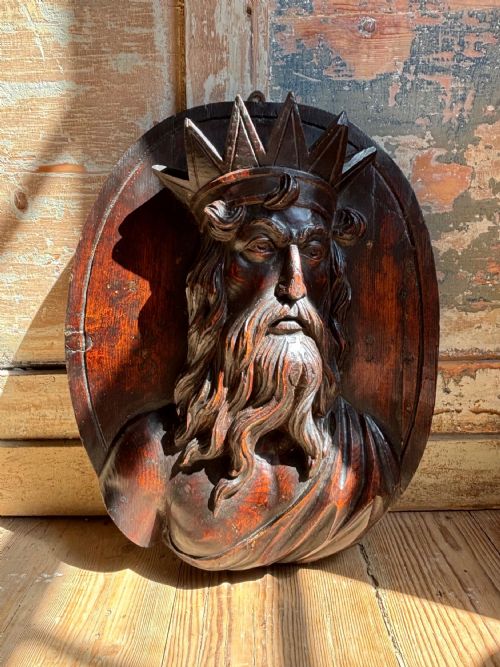
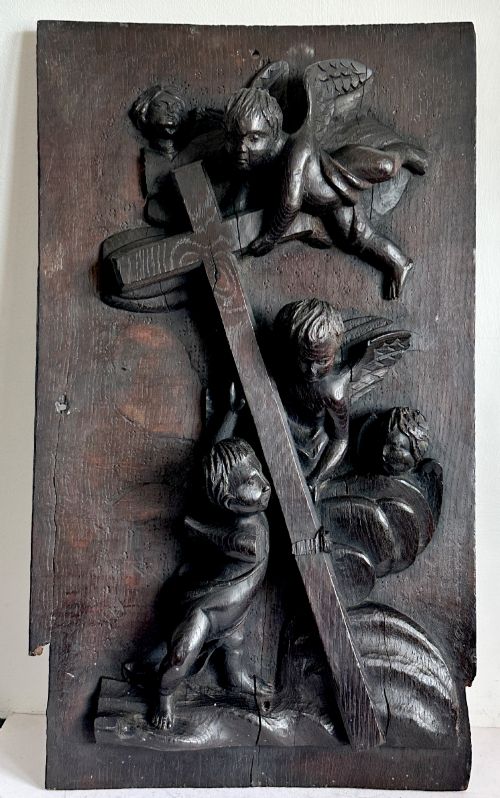
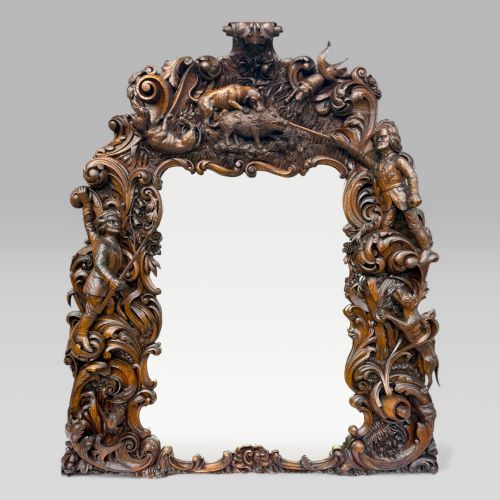
Buyers frequently meet panels depicting religious scenes, heraldic marriages, and classical figures like Neptune alongside floral arrangements and hunting trophies.
Materials and Techniques
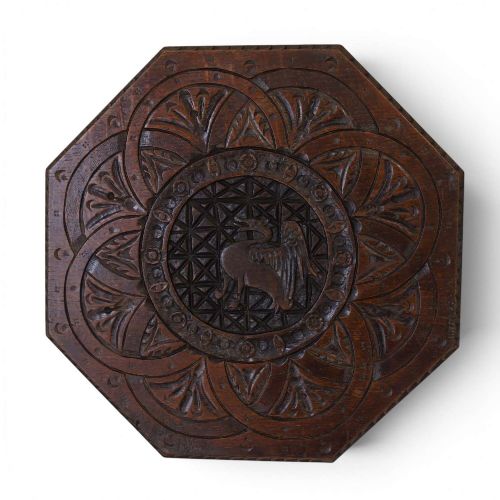
Carpenters and carvers shaped these pieces primarily from oak, walnut, chestnut, and limewood using hand chisels and gouges to create high and low relief depth.
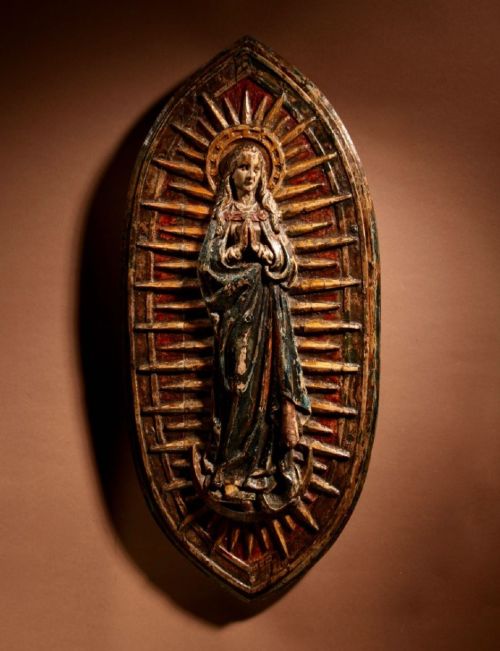
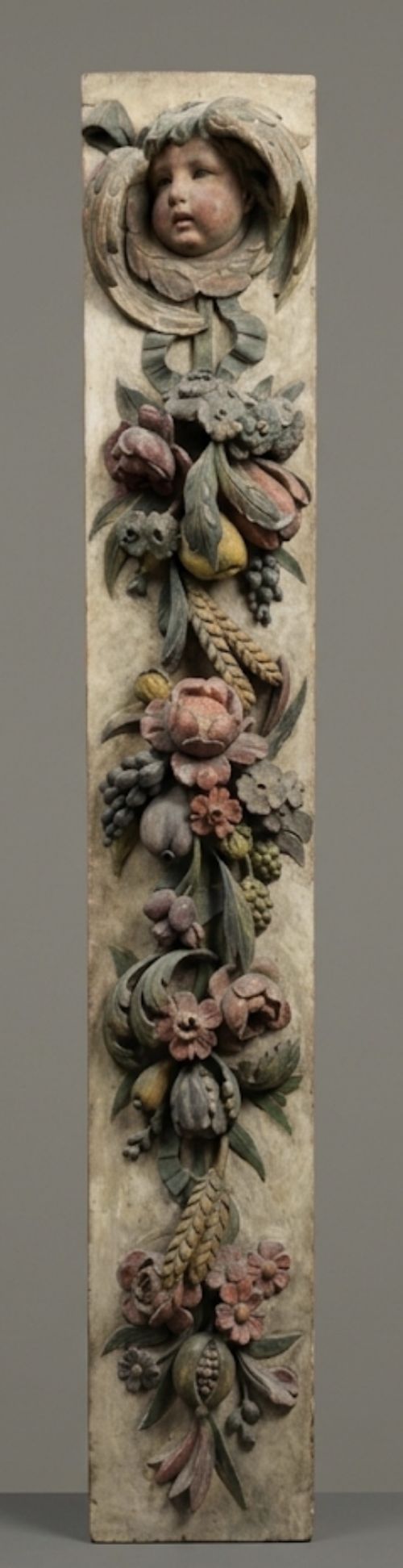
Many works incorporate gesso, paint, lacquer, and gold leaf to highlight details on figures, architectural elements, and heraldic markers.
Joinery techniques connect boards securely for large overmantles, pediments, and architectural dioramas intended for permanent wall mounting.
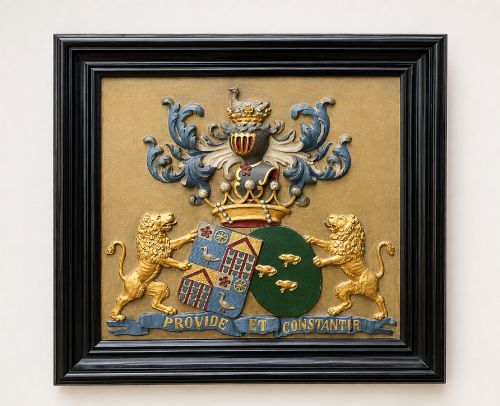
A nineteenth-century Dutch marriage plaque permanently immortalises the union of Van Rijckevorsel and Verheijen in carved wood.
Assessing the Workmanship
Depth of relief and precision in anatomical and botanical carving separate standard decorative boards from masterworks attributed to skilled workshops.
The preservation of original surface finishes, such as polychrome paint and early gilding, dictates the visual integrity and historical weight of the piece.
Complexity of composition, such as multi-figure religious narratives or intricate architectural dioramas, demonstrates the carver's ambition and capability.
Master Carver Edward Pearce·Van Rijckevorsel & Verheijen
The Antique Wooden Wall Reliefs Glossary
- Relief
- A sculptural technique where figures and motifs project from a flat background. High relief stands out prominently, while low relief remains closer to the plane.
- Polychrome
- The practice of decorating architectural elements and carvings in a variety of painted colours. This finish frequently survives on ecclesiastical and folk art pieces.
- Gesso
- A plaster mixture applied to wood surfaces as a smooth base for painting or gilding. It provides a crisp ground for fine detail work.
- Pediment
- A triangular or decorative architectural gable placed above doors, windows, or temple fronts. In wooden reliefs, these often survive as large salvaged ornaments.
- Trumeau
- A decorative wall panel, often placed between windows, frequently incorporating a mirror or a painted scene. They are typical of French interior design schemes.
Antique Wooden Wall Reliefs: Frequently Asked Questions
How do I hang heavy wooden wall reliefs safely?
Heavy carved oak panels and architectural fragments require robust wall fixings anchored directly into masonry or wooden studs.
Ensure the mounting brackets engage securely with the internal frame rather than relying on decorative surface mouldings.
Where were these wooden plaques originally displayed?
Many panels originated inside churches, noble hunting lodges, chateaux, and oriental temples as altarpieces, overmantles, or architectural pediments.
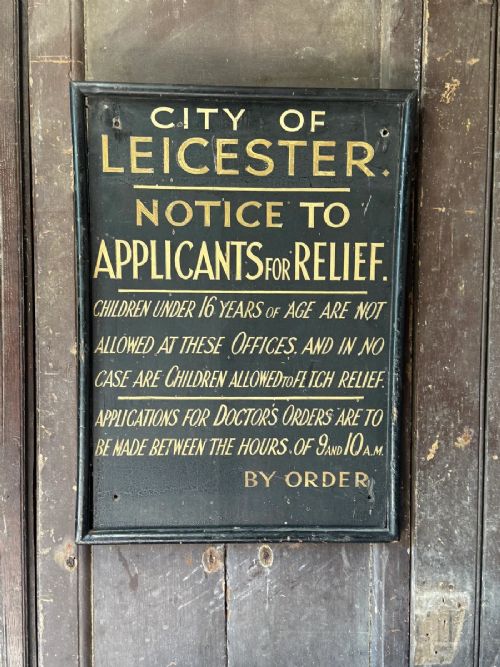
Others served as exterior shop signs or commemorative marriage plaques for prominent local families.
How do I care for antique carved wood?
Keep wooden reliefs away from direct heat sources and dramatic humidity fluctuations to prevent the timber from splitting or warping.
Dust gently with a dry, soft brush and avoid modern liquid polishes that might damage original painted or waxed surfaces.
How can I tell the period of a carved panel?
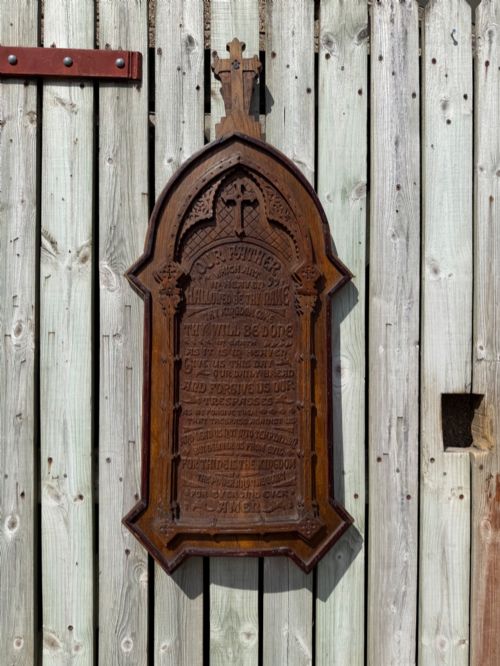
Examine the tool marks left by the carver, the species of timber used, and the style of ornamentation, such as Gothic Revival or Baroque.
Wear patterns, surface patination, and construction methods also offer reliable clues to whether a piece dates to the seventeenth century or the Victorian era.