
French Wood Carving
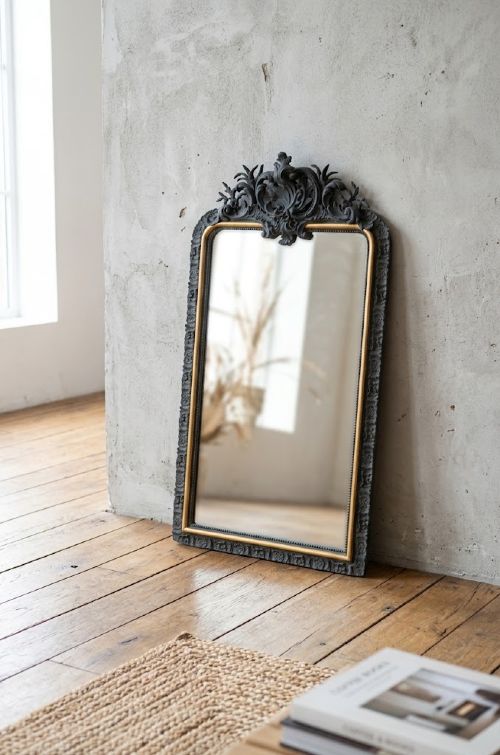
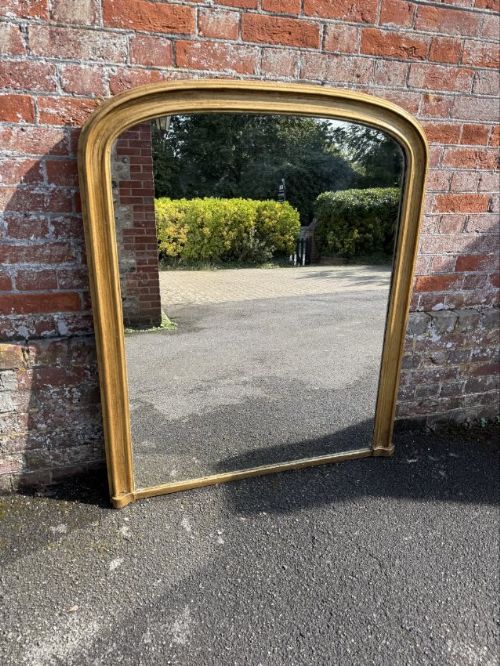
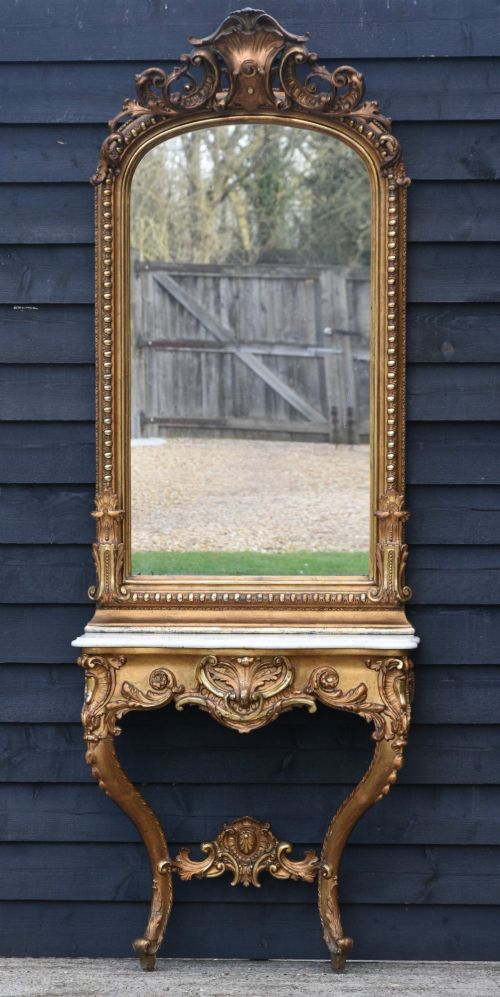
These french wood carving pieces bring grand nineteenth century mirrors, console tables and giltwood ornament directly into a room.
French Wood Carving
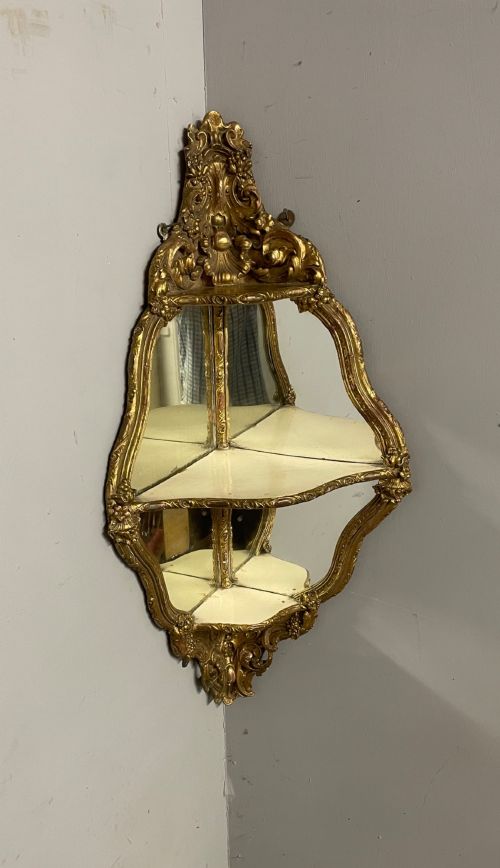
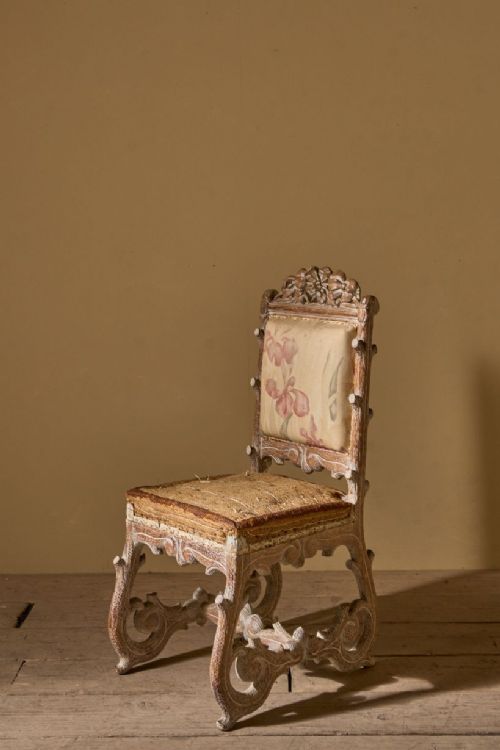
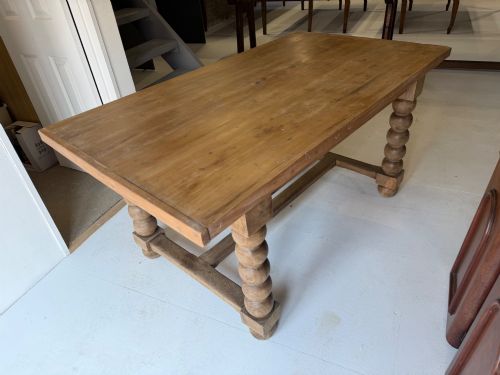
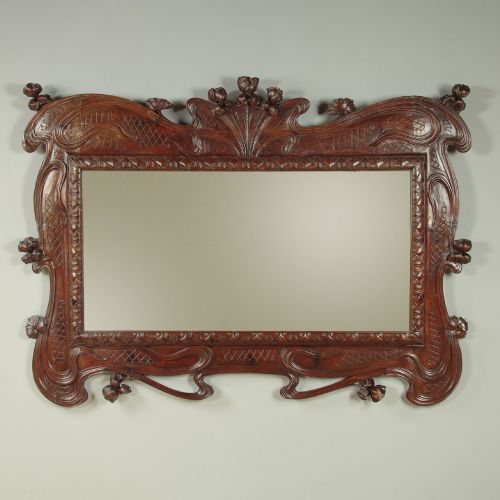
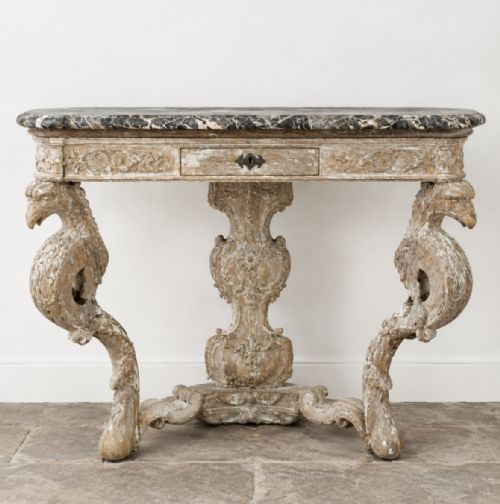
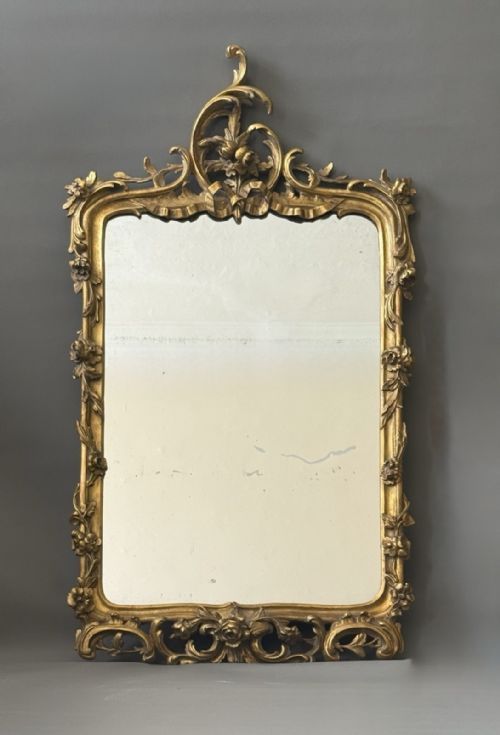
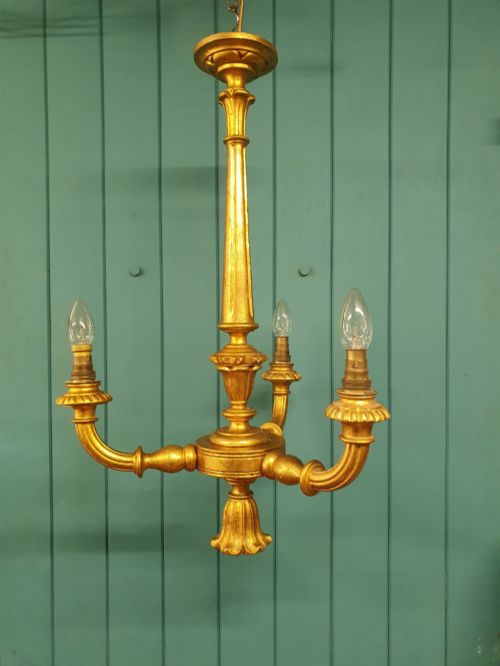
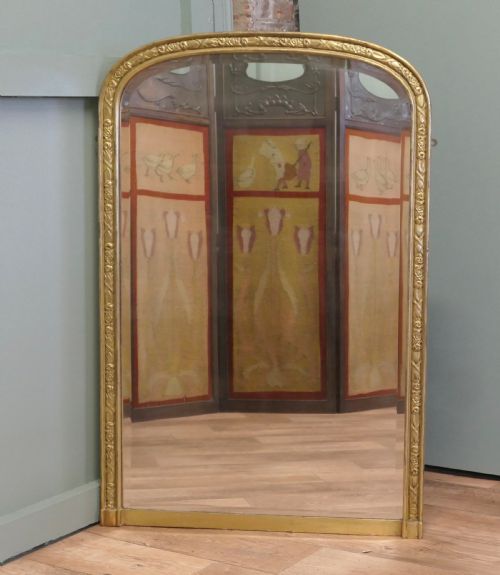
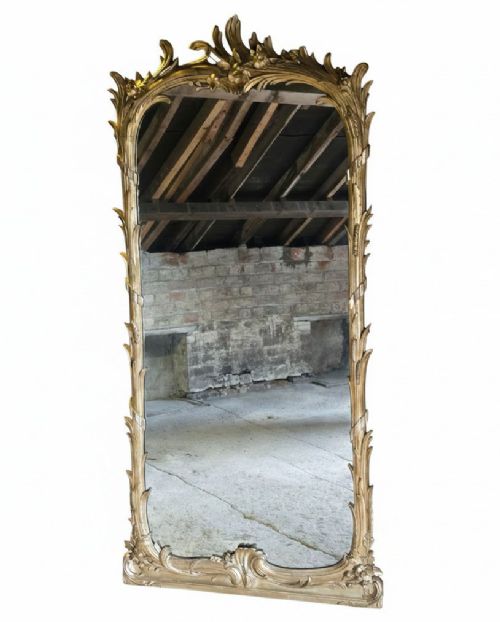
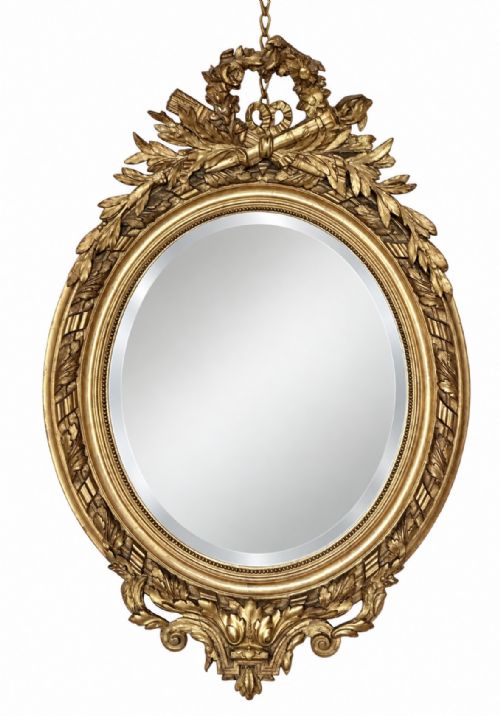
When you search for french wood carving, you encounter heavily ornamented furniture and mirrors spanning the eighteenth and nineteenth centuries. The objects appearing most often on this page include large wall mirrors, console tables, armchairs and chandeliers.
The aesthetic leans heavily towards French Rococo, Louis XV style and Renaissance Revival forms. Pieces frequently combine carved timber with applied giltwood, gesso and painted finishes to achieve a decorative presence.
Materials and construction methods
Craftsmen utilised various timbers including oak, walnut, pine, beech and cherrywood as the structural foundation for these carved items. Skilled hands shaped the wood manually before applying surface treatments.
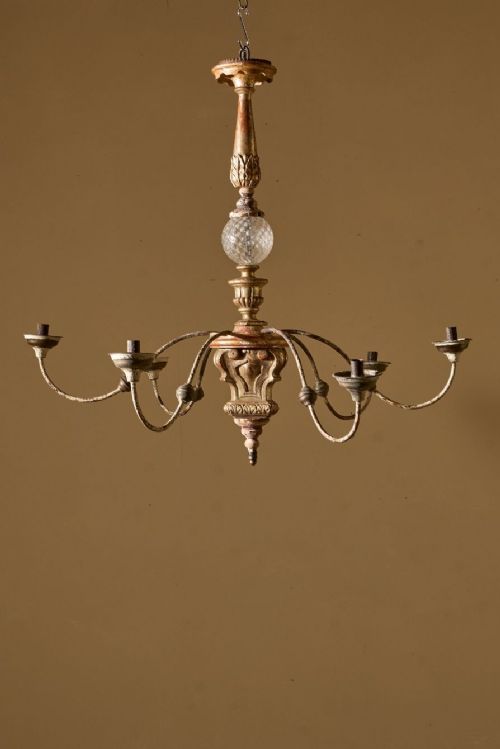
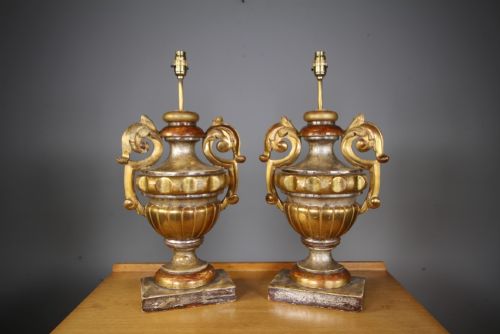
Giltwood and gesso surfaces required meticulous preparation, layering plaster over wood before applying thin layers of gold leaf. Iron, brass and glass elements supplemented the carved timber on mirrors, tables and chandeliers.
An entirely wooden artist lay figure stands ready with fully articulated joints.
Distinctions in quality
Depth and crispness of the carving separate standard items from exceptional examples. Superior pieces display undercut foliage, scrolls and figurative details that exhibit complete control by the carver.
The integrity of the original gilding and surface finish dictates overall standing. Intact gold leaf applied over gesso maintains historical character far better than modern repaint applications.
Felix-Alfred Ternisien·Gabriel Viardot
The French Wood Carving Glossary
- Giltwood
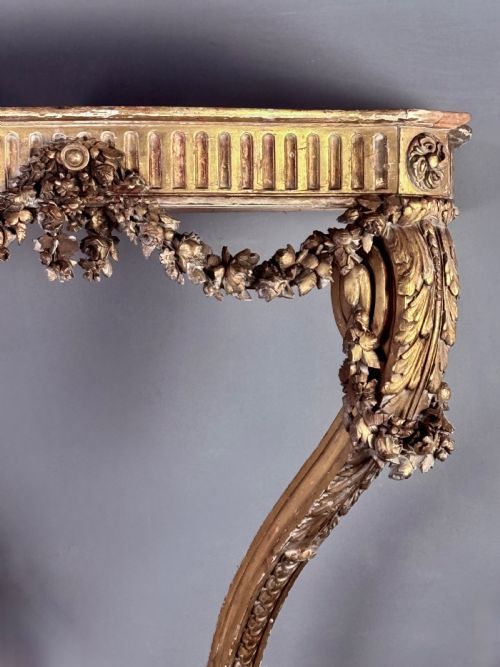
- Timber coated with gold leaf over a prepared gesso base. This finish creates a luminous, reflective surface popular on mirrors and console tables.
- Console table
- A table designed to stand against a wall, frequently supported by two carved legs. These often feature marble tops and elaborate apron carvings.
- Gesso
- A plaster mixture applied to wood to create a smooth surface for gilding. It allows carvers to achieve sharp decorative relief.
- Pier mirror
- A tall wall mirror designed to hang between windows. They often match console tables positioned directly beneath them.
- Faux bois
- An artistic imitation of wood grain painted onto a different surface. This technique appears on specific nineteenth century seating.
French Wood Carving: Frequently Asked Questions
How do I style a giltwood mirror?
Hang large wall mirrors above a mantelpiece or console table to amplify light and create a formal focal point in a reception room.
Keep surrounding decor restrained so the detailed carving and gilded surface remain the primary visual anchor.
Where were console tables placed?
These tables traditionally stood against drawing room walls beneath pier glasses or between tall windows.
Their narrow footprint makes them practical for modern hallways and narrow living spaces.
How do I identify nineteenth century pieces?
Examine the timber species, joinery methods and the composition of the gesso beneath any gilding. Nineteenth century makers often utilised specific revival styles like Louis XV and Renaissance Revival.
Look for honest wear patterns on the wood and original mirror plates showing appropriate oxidation.
How do I care for carved giltwood?
Dust surfaces gently with a soft, dry brush to prevent accumulation in the carved crevices. Avoid liquid cleaners and damp cloths, which damage delicate gold leaf.
Keep pieces away from direct heat sources and strong sunlight to protect the underlying gesso and timber.