



Continental Baroque Wood Carving
Continental baroque wood carving brings dynamic theatricality and rich ecclesiastical presence into a room.
Continental Baroque Wood Carving
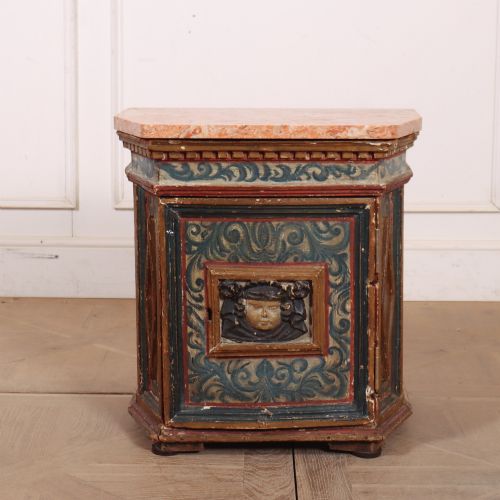
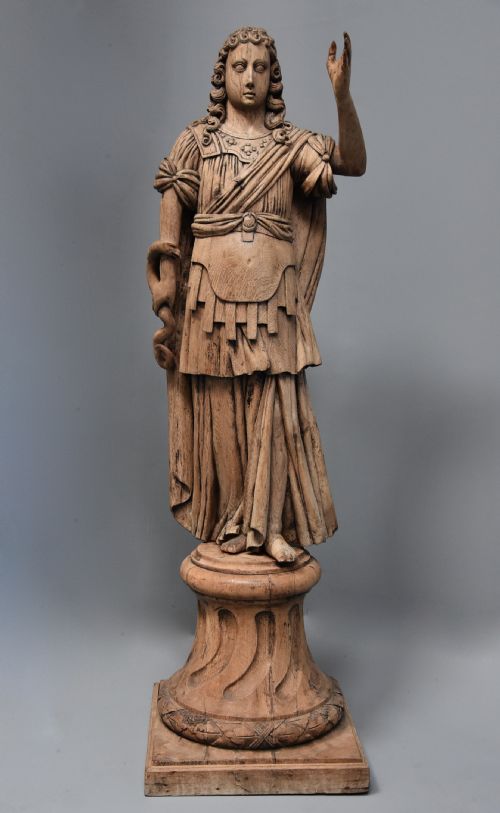
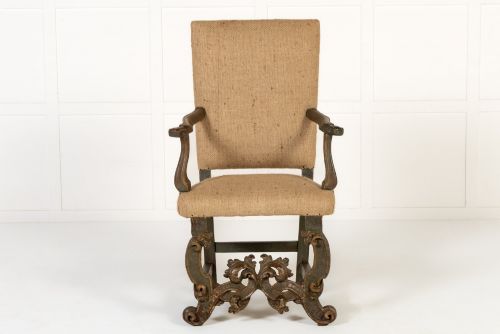
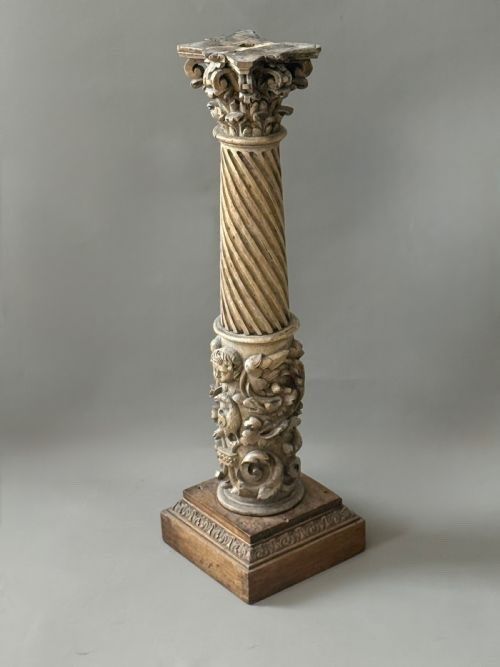
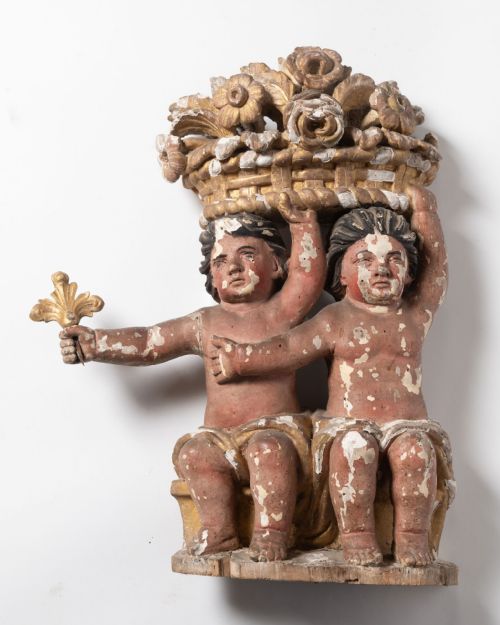
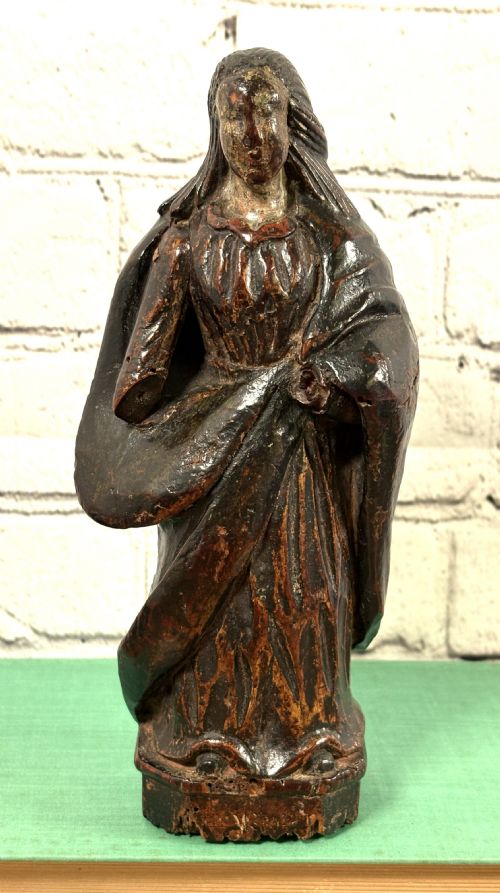
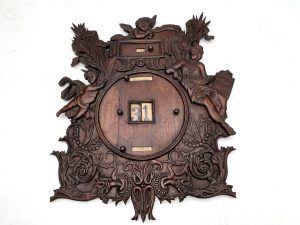
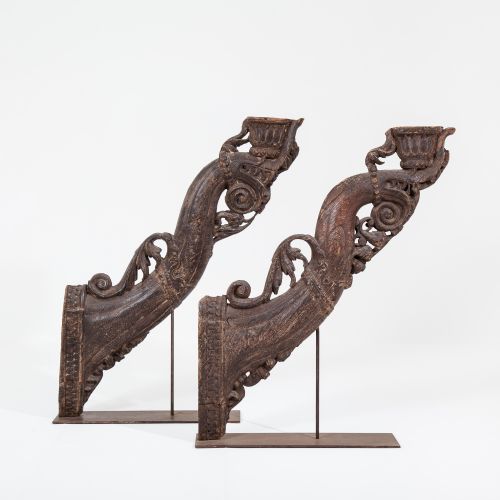
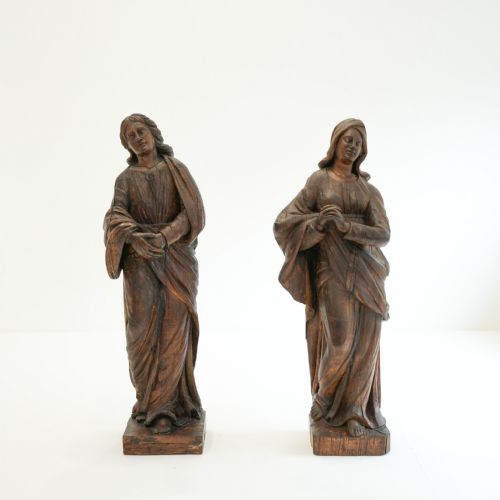
When you search for continental baroque wood carving, you encounter sculptural figures, ecclesiastical fragments, wall mirrors and furnishings originating from Italy, Spain, Germany and the wider continent during the seventeenth and eighteenth centuries. These works range from life-size saints and kneeling angels to console tables, brackets and painted apothecary cabinets displaying dramatic movement and deep relief.
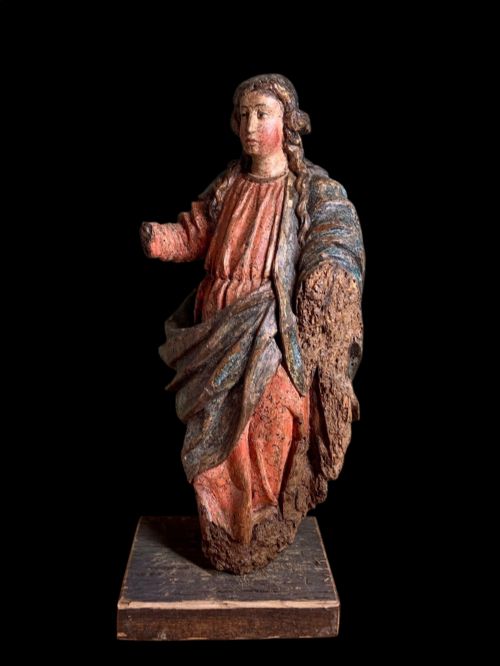
The versions most frequently met on this page are carved wooden figures of saints and cherubs, often retaining traces of their original polychrome paint, gesso or gold leaf. Alongside these sculptural pieces, buyers discover functional items such as giltwood mirrors, walnut commodes and carved lamp bases that translate grand architectural aesthetics into domestic scale.
Materials and construction
The carvers behind these works utilised native timbers such as oak, walnut, lime wood, applewood and lindenwood, selecting dense hardwoods for robust structural forms and fine-grained softwoods for intricate facial expressions and flowing drapery. Wood selection directly influenced the depth of undercut relief achievable by the artisan.
Surfaces were frequently prepared with a layer of gesso before receiving application of gold leaf, silver leaf or polychrome paint. This layered preparation provided the luminous base necessary for the reflective candlelit interiors of the period.
Listings feature timbers including oak, walnut, limewood, applewood and lindenwood across the seventeenth, eighteenth and nineteenth centuries.
Judging the standard of execution
The preservation of original surface treatments - including authentic polychrome pigments, gesso grounds and gilding - substantially elevates the historical integrity of a piece. Relic surfaces that survive without extensive later repainting offer a more honest connection to the period of origin.
The Continental Baroque Wood Carving Glossary
- Polychrome
- Decoration consisting of several colours applied to wood or gesso surfaces. It is frequently found on ecclesiastical figures of saints.
- Giltwood
- Timber carved and subsequently covered with a thin layer of gold leaf over gesso. This technique creates a brilliant reflective surface typical of baroque furnishings.
- Gesso
- A plaster mixture used as a smooth base for paint and gilding on wood carvings. It seals the timber and allows for crisp surface detail.
- Console table
- A wall-mounted table supported by brackets or legs, prominent in baroque interior schemes. These pieces often feature elaborate carved decoration.
- Pier glass
- A tall mirror designed to hang on the wall between windows. They frequently incorporate ornate giltwood frames and painted elements.
Continental Baroque Wood Carving: Frequently Asked Questions
How do I clean an antique wood carving?
Dust gently with a dry, soft brush to remove surface accumulation without disturbing fragile gesso or pigment.
Avoid liquid cleaners, waxes or modern polishes, as these substances can soften historical paint layers and trap moisture within the timber.
Where should I place a heavy wooden figure?
Position statues and heavy carvings on stable, level surfaces away from direct heat sources such as radiators or fireplaces.
Significant temperature fluctuations cause timber to expand and contract, which risks splitting the wood and flaking the historical surface decoration.
How can I distinguish seventeenth from eighteenth century work?
Seventeenth-century carving often exhibits more severe, muscular forms and deep, muscular undercutting associated with high baroque drama.
Eighteenth-century examples frequently lean towards lighter proportions and transitional rococo asymmetry, reflecting changing continental tastes in interior decoration.
Are these carvings suitable for modern interiors?
Continental baroque wood carvings provide strong focal points when contrasted against clean, neutral architectural backgrounds.
Their theatrical presence allows individual figures, mirrors and brackets to function as standalone pieces of sculptural art within contemporary spaces.