
Antique Rustic Bench
An antique rustic bench brings honest vernacular character and sturdy seating to a hallway, garden or kitchen.
Antique Rustic Bench
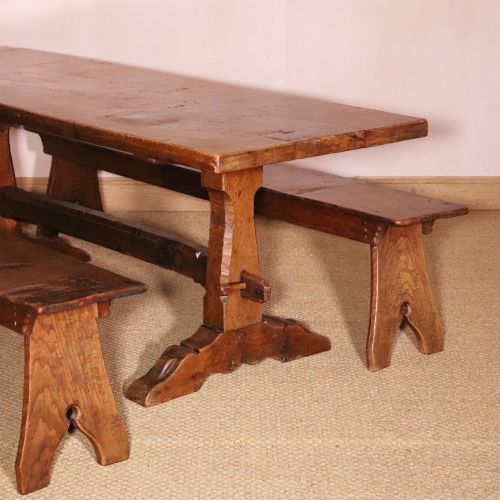
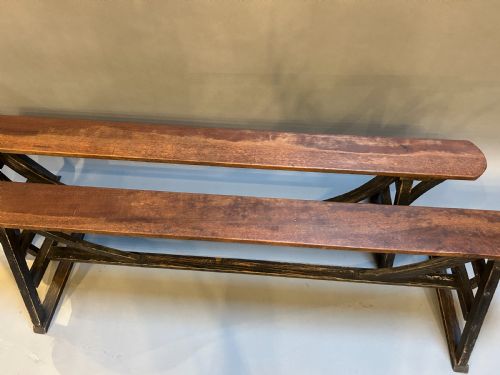
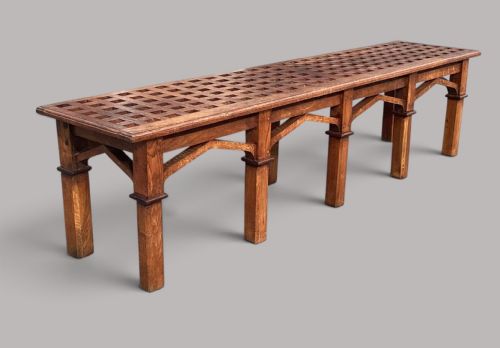
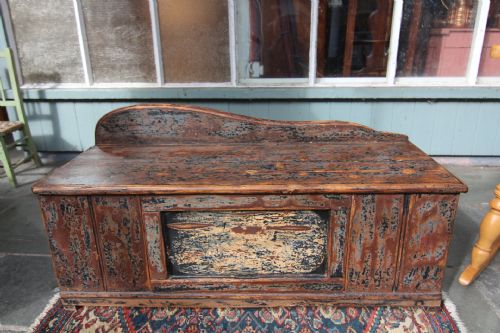
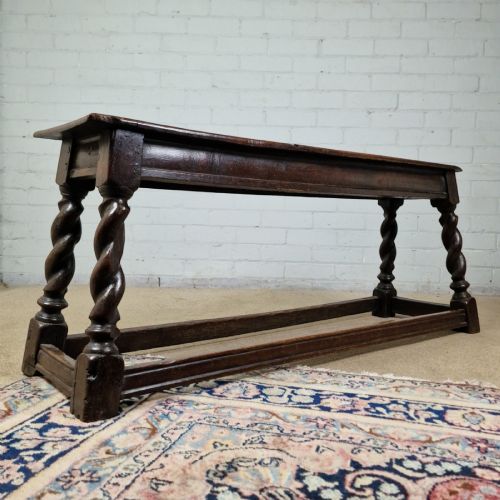
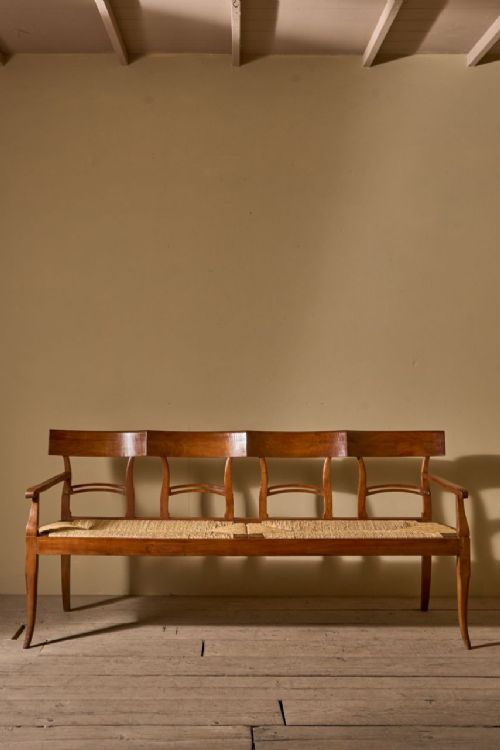
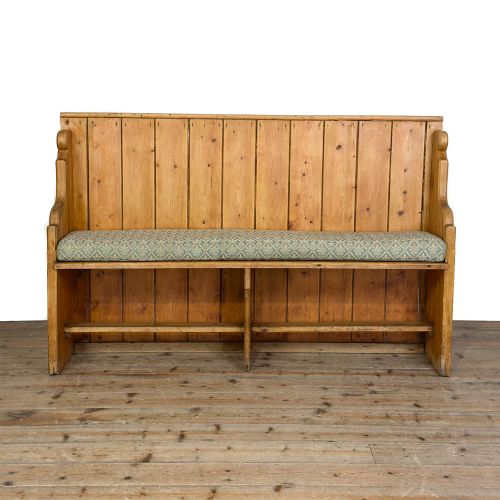
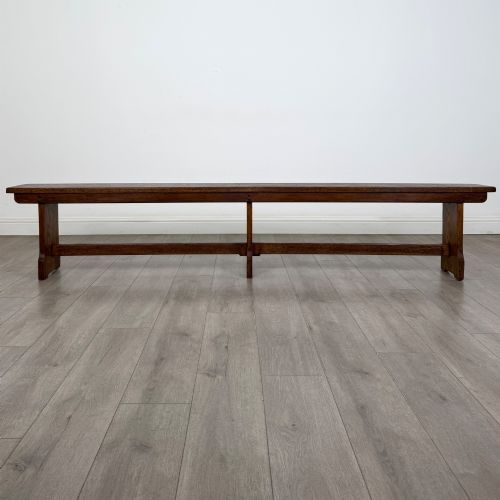
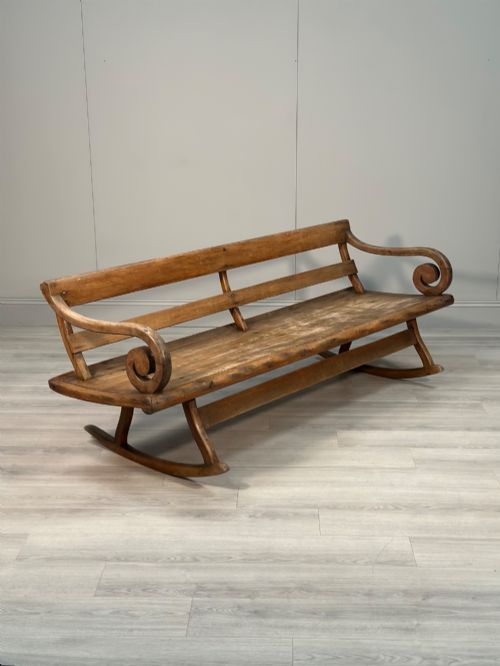
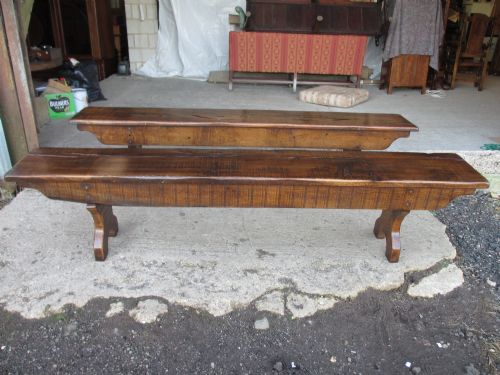
An antique rustic bench encompasses diverse forms built for everyday utility, from long oak tavern seats and high-back box settles to elm pig benches and cast iron garden garden pieces. Buyers seeking an antique rustic bench will frequently encounter sturdy pine and oak examples dating from the eighteenth and nineteenth centuries.
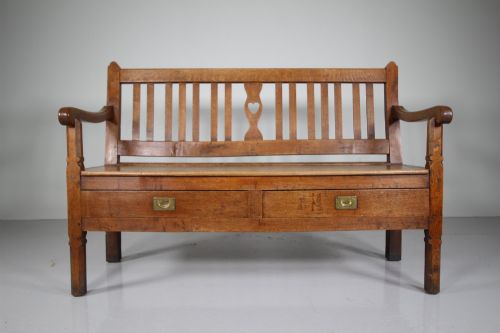
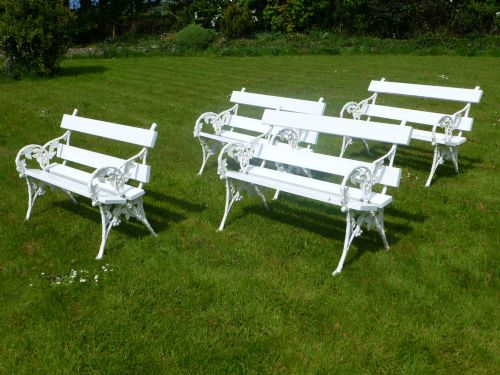
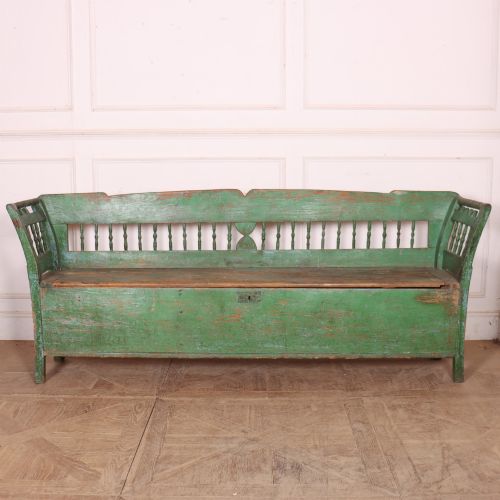
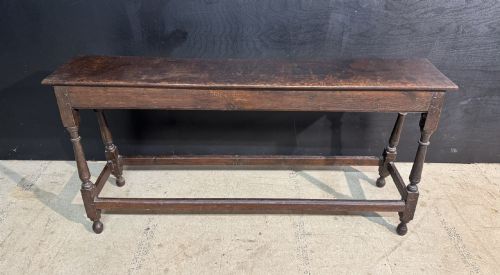
Domestic vernacular seating includes narrow hallway benches, fireside settles with integrated storage, and simple country forms designed for farmhouse kitchens or chapels. Garden variations range from weathered teak and French faux bois to heavy cast iron designs decorated with botanical motifs.
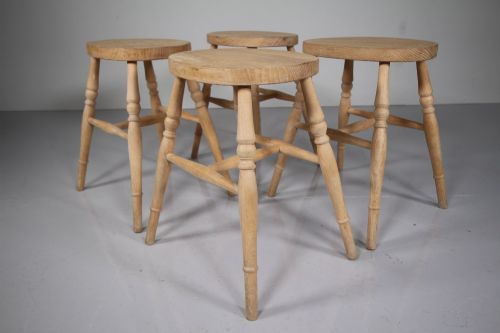
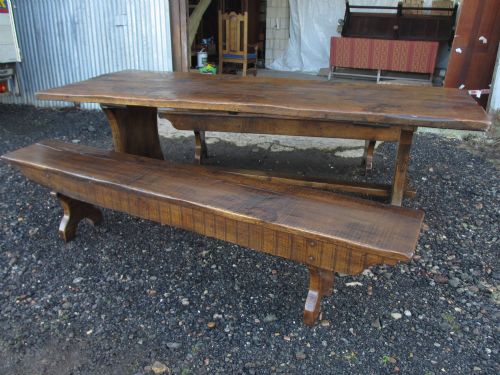
Shorter stool forms, coffee tables adapted from low benches, and matching refectory table forms also appear alongside traditional long seating. These pieces originate from English, French, Spanish, Austrian, and Chinese workshops, reflecting varied regional traditions of vernacular woodworking.
Materials and Construction
Makers relied primarily on native timbers such as solid oak, pine, elm, ash, and sycamore, often combining different woods within a single piece like elm and pine. Structural elements frequently employ heavy joints, shaped trestle ends, and panelled construction designed to withstand decades of heavy use.
Outdoor iterations utilise weather-resistant teak or durable cast and wrought iron, sometimes cast in botanical patterns representing leaves and branches. Surface treatments vary from natural honey brown patinas and original paint finishes to weathered grey surfaces acquired through long exposure to the elements.
Listings feature pieces spanning the eighteenth, nineteenth, and early twentieth centuries, constructed from oak, pine, elm, ash, teak, and cast iron.
Assessing the Pieces
Quality rests in the integrity of the timber and the honesty of the surface patination, where unblemished original finishes and deep weathered patinas elevate a piece above standard utility items. The balance of proportions, such as the thickness of heavy oak planks and the retention of original structural pegs, dictates the longevity of the seat.
Subtle details in the carpentry, including hand-carved motifs, shaped trestle ends, or integrated box storage with original hardware, distinguish standard vernacular production from finer provincial work.
Falkirk foundry
The Antique Rustic Bench Glossary
- Settle
- A wooden bench with a high back, solid arms, and frequently a box base for storage. It was traditionally placed near hearths to block draughts in older homes.
- Pig bench
- A low, sturdy wooden bench traditionally used in agricultural settings for butchery work. Today these low forms are frequently repurposed as rustic coffee tables.
- Joint stool
- An early form of wooden stool constructed with mortise and tenon joints rather than turned legs. They served as versatile seating and side surfaces in early households.
- Form
- A traditional regional term for a long, narrow wooden bench without a back. These long seats were originally designed to accompany refectory tables.
- Patina
- The surface sheen and colour acquired by wood, metal or paint over centuries of handling and age. A desirable patina shows genuine depth without modern artificial distressing.
Antique Rustic Bench: Frequently Asked Questions
Where should I put an antique rustic bench?
These benches suit narrow entryways, generous hallways, or farmhouse kitchens where their sturdy build handles heavy daily traffic. They also serve as distinctive seating alongside dining tables or garden paths.
Outdoor garden pieces require suitable placement and occasional care depending on whether they are constructed from weathered teak or cast iron. Indoor timber pieces thrive away from direct heat sources to protect the aged wood and patina.
How do I care for a wooden rustic bench?
Maintain indoor wooden surfaces with a light application of natural wax to preserve the patina without building up heavy residues. Avoid harsh chemical cleaners that strip the historic finish.
For outdoor garden examples in teak or iron, seasonal cleaning with mild soapy water removes debris and prevents organic buildup. Teak naturally weathers to a silver grey if left untreated outdoors.
How can I tell the age of a rustic bench?
Examine the construction methods, tool marks left by early saws or adzes, and the natural wear patterns on the timber edges. Hand-cut joinery and pegged joints typically indicate eighteenth or nineteenth-century vernacular production.
Inspect the overall patina of the wood and iron components for signs of long-term use. Original paint finishes or deep honey brown patinas develop naturally over generations rather than through modern artificial ageing.