

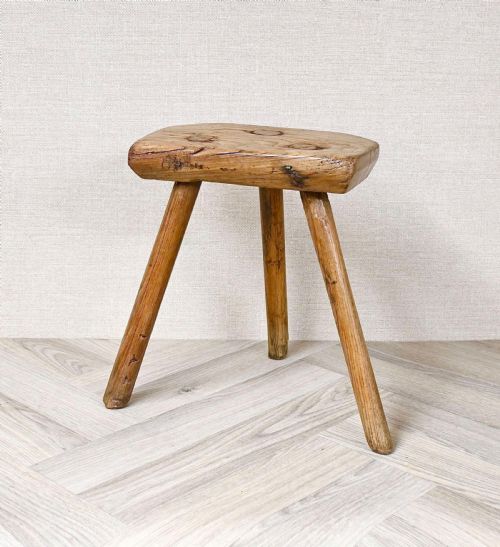


Elm Wooden Bench
An elm wooden bench brings honest utility and enduring grain into a room, offering the quiet character of provincial workspaces and country halls.
Elm Wooden Bench
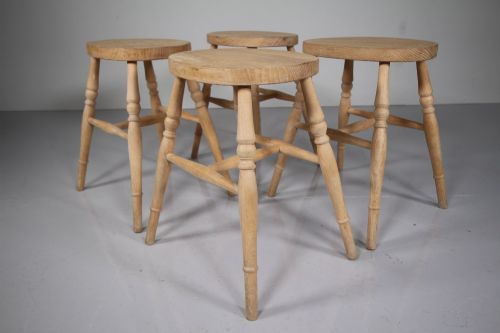
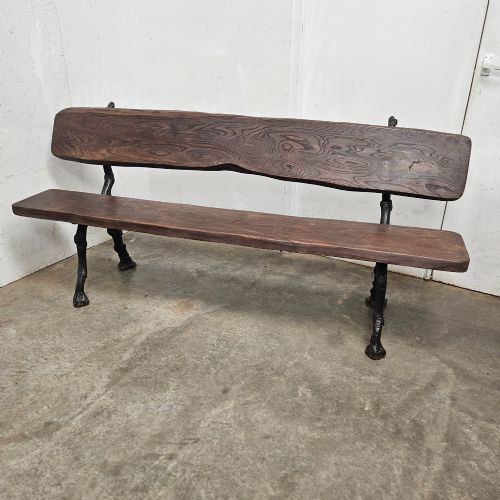
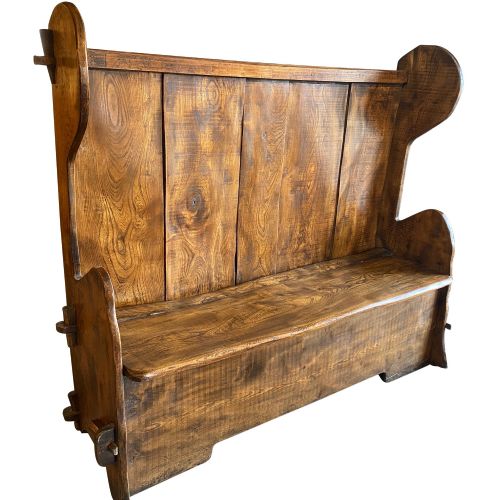
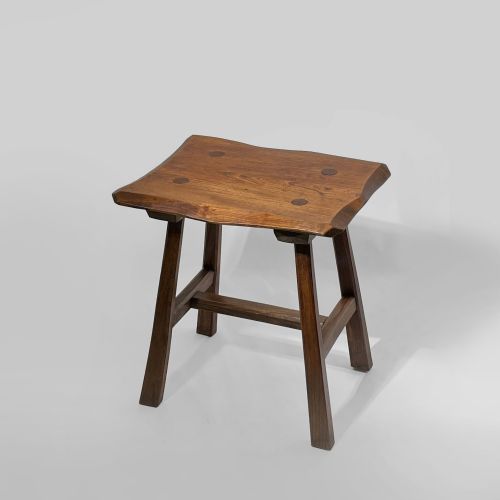
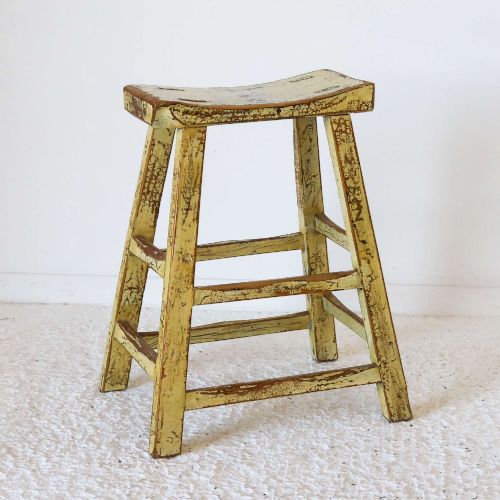
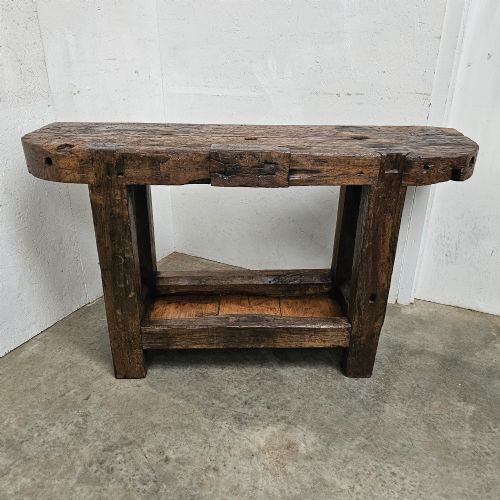
An elm wooden bench takes many forms across domestic and working interiors, spanning centuries of regional craftsmanship. Buyers seeking an elm wooden bench encounter pieces ranging from long hallway seating and window seats to kitchen settles and low tavern tables.
The pieces appearing here lean heavily into rustic country, French provincial, and English country traditions. Simple lines, sturdy legs, and thick timber seats define the bulk of what is found.
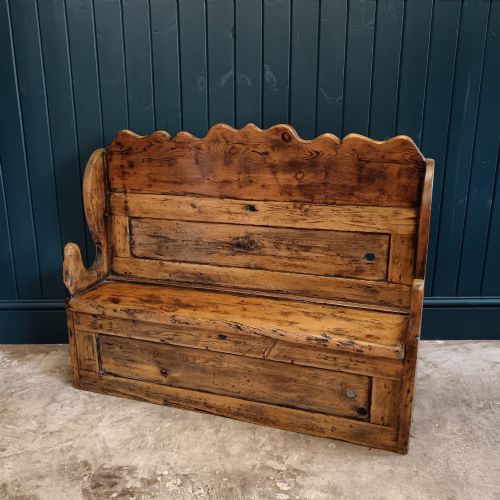
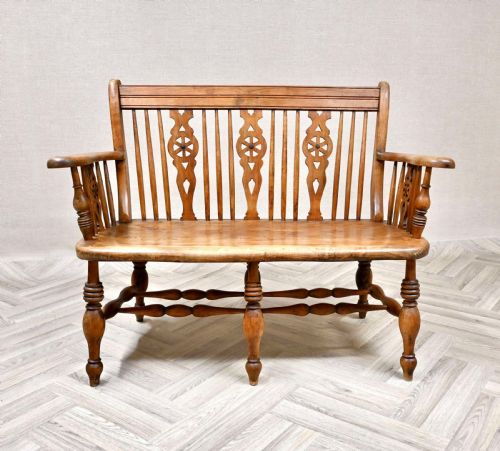
Origins stretch from English country houses and French farms to Chinese workshops, bringing diverse regional joinery to the same basic material. Seventeenth-century bacon settles sit alongside nineteenth-century Windsor bench seats and twentieth-century garden benches.
How they were made
Elm forms the core of these pieces, prized for its tough, interlocked grain that resists splitting under heavy daily use. Makers frequently paired elm with oak, pine, ash, and sycamore, utilising the contrasting timbers for seats, legs, and stretchers.
Construction relies on honest joinery such as pegged mortise and tenon joints, dovetails, and wedged through-tenons. Iron bracing or faux bois elements appear in specific garden and French pieces to add structural support.
Surface treatments range from scrubbed natural timber and original lacquer to aged patinas developed through generations of handling. Simple hand-carved details and turned legs appear on vernacular seating without compromising structural integrity.
Form variations range from heavy farmhouse bacon settles and Windsor bench seats to low tavern tables and milking stools.
What varies in quality
Quality rests primarily in the integrity of the timber and the honesty of the construction. Solid boards with deep, rich grain figure and minimal structural alteration command greater respect than pieces heavily rebuilt over time.
Proportion and stance distinguish the finer examples from simpler utilitarian work. A well-balanced frame with original surface patina and unclipped feet reveals the maker's eye for form alongside function.
The Elm Wooden Bench Glossary
- Bacon settle
- A high-backed wooden bench featuring an enclosed lower box and upper space traditionally used for curing and storing meat. These pieces date back to the seventeenth and eighteenth centuries in rural farmhouses.
- Windsor
- A chair or bench style characterised by legs and back spindles socketed directly into a solid sculpted seat. This method provides immense structural strength without heavy framing.
- Settle
- A wooden bench with high wooden arms and a solid back designed to block cold drafts in domestic rooms. Box settles often include hinged seats revealing storage compartments beneath.
- Faux bois
- A decorative technique mimicking wood grain and branches, often utilised in concrete or iron garden pieces. French examples from the nineteenth century frequently employ this finish.
- Treen
- Small handmade wooden household objects and utensils produced by turners and woodworkers. Items range from domestic smallwares to stands and stools.
Elm Wooden Bench: Frequently Asked Questions
Where should I put an elm bench?
An elm bench suits entryways, hallways, and kitchen spaces where sturdy seating and surface utility matter most. Long narrow forms fit neatly against walls or beneath windows.
Shorter settles and low tables function well as seating or display surfaces in living rooms and boot rooms. The robust timber handles heavy daily foot traffic and use with ease.
How do I clean antique elm?
Maintain antique elm surfaces using a dry cloth or a slightly damp cloth without harsh chemical detergents. Regular dusting prevents particle buildup in the grain.
Feed dry timber occasionally with a traditional wax to preserve the natural patina. Avoid placing these pieces near direct heat sources to prevent the wood from splitting.
Are these benches comfortable?
Vernacular wooden benches were built for utility and task-based work rather than lounging. Sculpted seats and high backs provide supportive upright seating.
Adding a loose wool or linen cushion softens the wood for longer periods of sitting. The ergonomic shaping of traditional saddle seats offers surprising comfort.
How do I spot a true period piece?
Examine the underside and joints for hand-cut marks, pegged tenons, and timber shrinkage appropriate to the age. Tool marks left by adzes and drawknives reveal authentic period hand-working methods.
Surface wear should look consistent with decades of actual use rather than artificial distressing. Variations in grain colour and natural fading point to genuine age.