
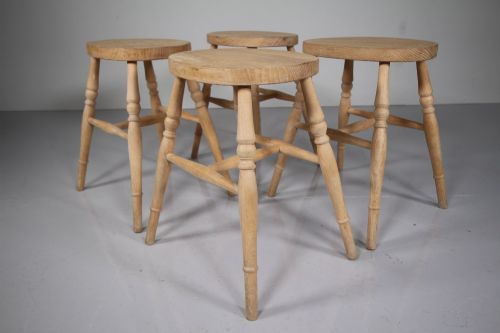


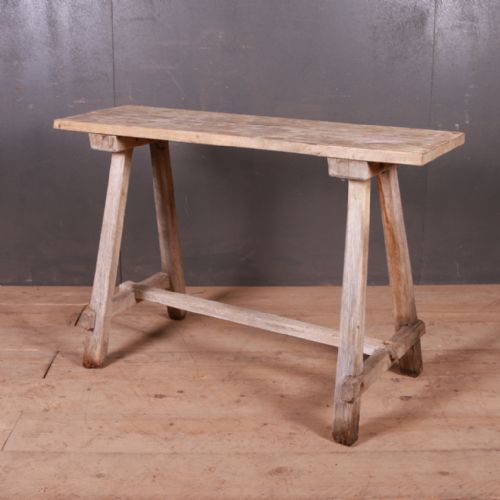

Light Wood Bench
These pieces known as a light wood bench span various historical periods and offer practical seating options for modern interiors.
Light Wood Bench
A light wood bench brings understated character to a room through pale timbers and varied historical forms. When you search this phrase, you find practical seating solutions that suit contemporary spaces just as well as traditional ones.
The selections here range across multiple decades and styles, reflecting traditional craft traditions from different regions. Buyers encounter diverse interpretations from various eras, each demonstrating distinct regional characteristics.
How they were made
The construction relies upon robust timbers like oak, elm, pine, and hardwood, providing structural integrity. Artisans shaped these materials using traditional joinery methods suited to each specific regional workshop.
Surfaces often show natural grain patterns preserved through careful bleaching or scrubbing techniques. Occasional metal accents in brass appear alongside fabric upholstery where functional comfort requires it.
Listings feature items spanning the nineteenth century through the Edwardian era, incorporating pine, oak, and elm.
What varies in quality
Quality rests upon the integrity of the timber selection and the precision of the underlying construction. Pieces exhibiting thoughtful proportion and uncompromised structural stability stand apart from simpler utilitarian items.
The refinement of surface finish and the harmonious integration of secondary materials dictate the overall merit. Expert handling of the natural grain distinguishes superior examples from standard workshop production.
The Light Wood Bench Glossary
- Timber
- The general term for wood prepared for architectural and furniture-making purposes. It forms the primary structural substance of these items.
- Trestle
- A structural support consisting of a horizontal beam fixed to two splayed legs. This design provides sturdy support for tables and benches.
- Biedermeier
- A central European style from the nineteenth century prioritising clean lines and utilitarian comfort. It often utilises light birch and satinwood.
- Regency
- An English design period defined by classical restraint and archaeological inspiration. Pieces from this era typically display refined proportions.
Light Wood Bench: Frequently Asked Questions
What is a light wood bench?
A light wood bench is a seating item constructed from pale timbers such as oak, elm, or pine. These pieces provide functional seating while introducing natural texture to interior spaces.
They appear in various historical styles ranging from country workshop pieces to formal nineteenth-century designs. Each item reflects the specific material choices and woodworking traditions of its origin.
Where should I place one?
These items fit well in hallways, living rooms, and bedrooms where additional seating or surface space is useful. Their pale tones integrate easily into neutral or brightly coloured schemes.
Positioning them away from direct heat sources helps protect the natural timber surface. Regular placement in appropriate environments preserves the structural integrity of the wood.
How do I care for timber?
Maintaining light wood requires dusting with a dry cloth and avoiding excessive moisture. Gentle cleaning preserves the natural finish applied by the original maker.
Applying appropriate wax occasionally helps nourish older timber surfaces. Direct sunlight should be avoided to prevent uneven fading of the natural grain.
How are periods identified?
Periods are recognised through structural characteristics, fastener types, and stylistic conventions associated with specific decades. Craft techniques often indicate the approximate era of manufacture.
Comparing known design motifs helps narrow down the origin and date of each piece. Material handling further clarifies the historical context of the item.