



Antique Rug Cushion
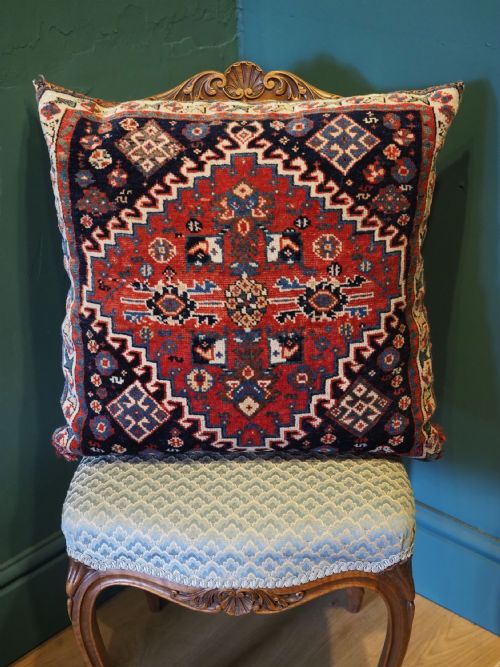
An antique rug cushion turns nomadic weaving into comfortable seating, bringing rich wool texture and tribal patterns directly onto a modern chair.
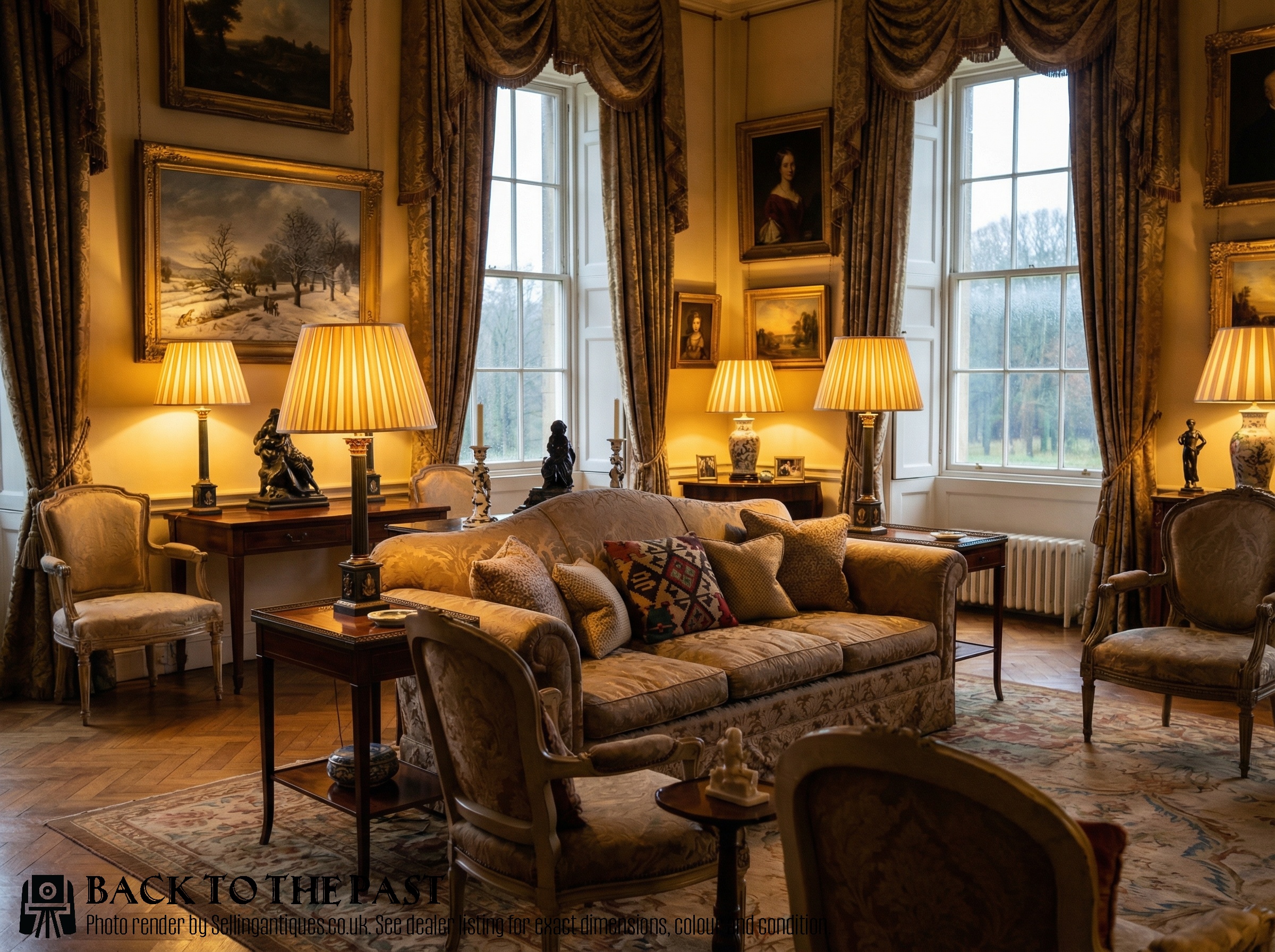
Antique Rug Cushion
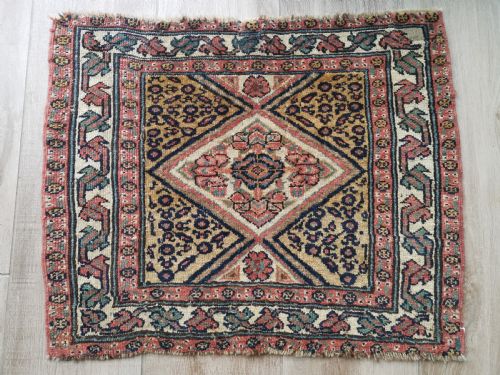
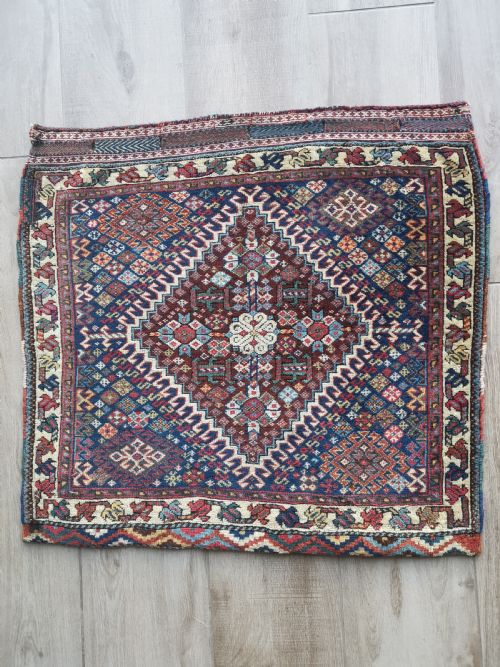
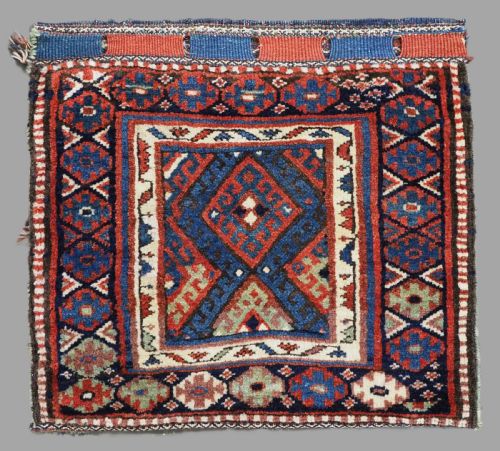
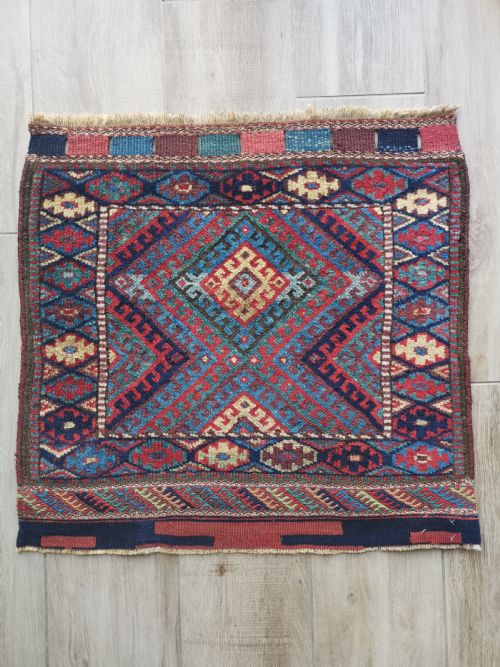
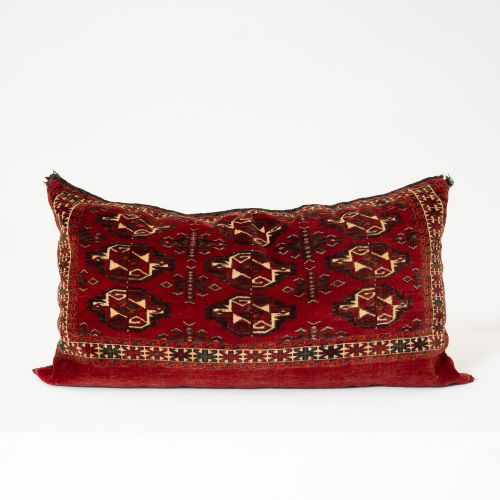
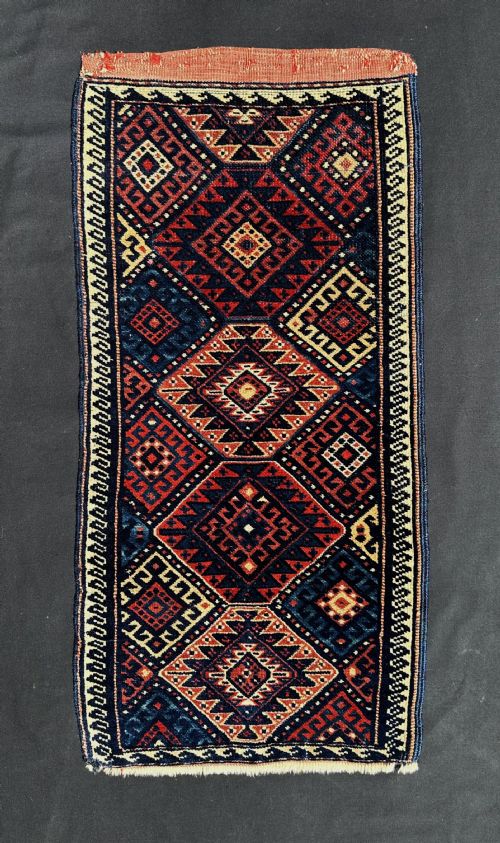
When you search for an antique rug cushion, you find portable woven pieces originally made as storage bags, saddlebags, and tent furnishings by tribal groups across Persia, Anatolia, and Central Asia. These items are repurposed into cushions and pillows, utilising fragments or complete faces of nineteenth and early twentieth century rugs.
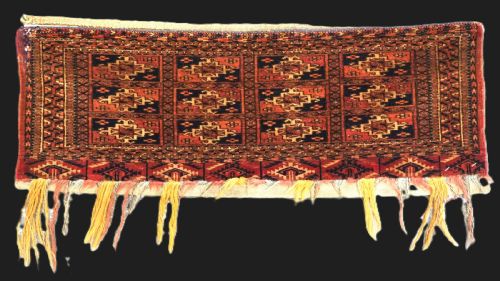
The most common examples on this page are bagfaces and torbas created by nomadic weavers from groups such as the Qashqai, Baluch, Shahsevan, and various Turkmen tribes. They range from small bolster pillows to square seating cushions constructed from pile rugs or flatwoven kilims.
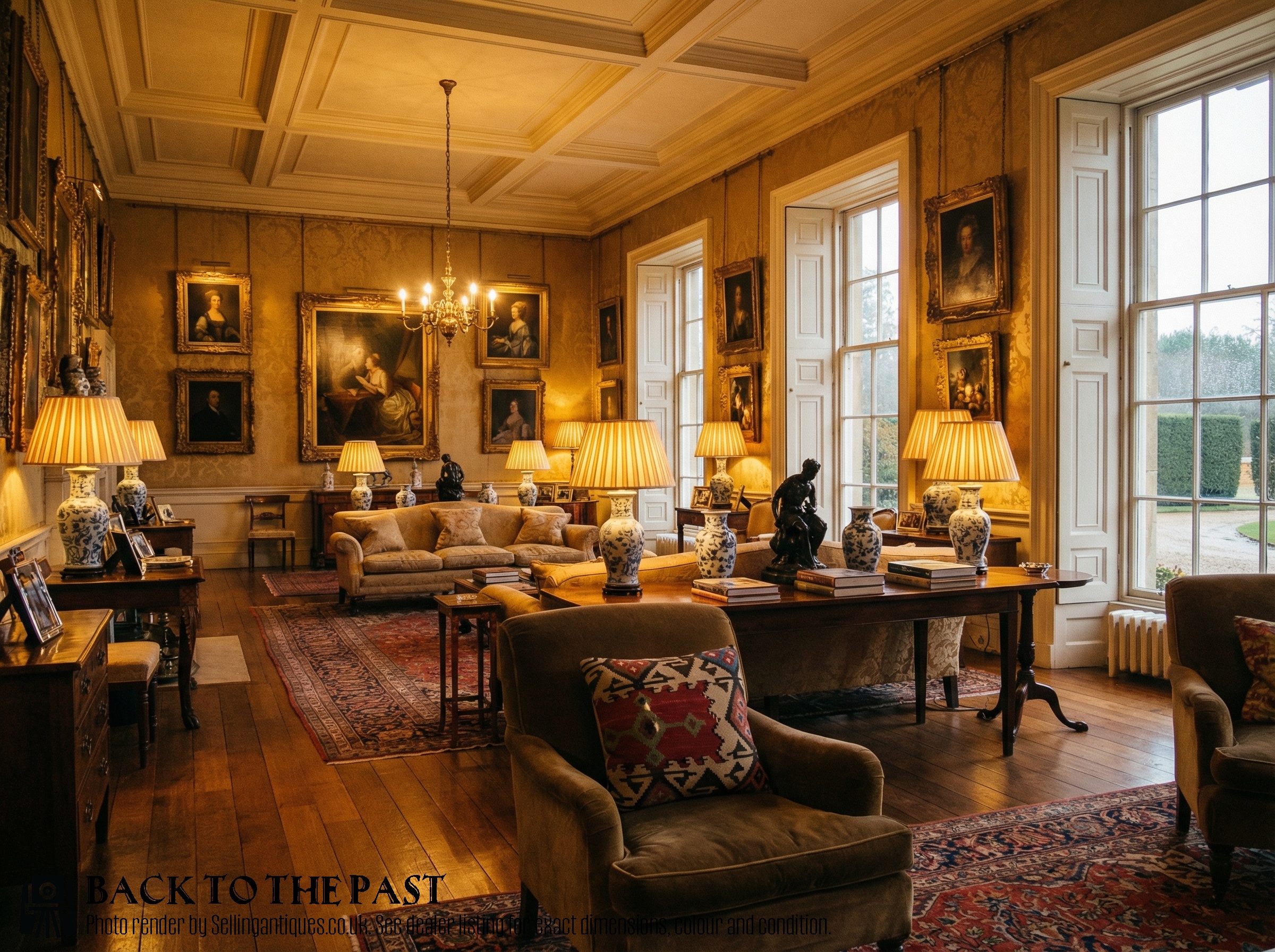
Materials and construction
Makers constructed these textiles using hand-spun wool and cotton, frequently dyed with natural colours derived from plants and minerals. Goat hair often appears in the sturdy side cords and backing materials for added durability.
Tribal weavers employed traditional knotting and flatweave techniques like soumac and kilim, producing dense, resilient surfaces designed to withstand the rigours of nomadic life.
Listings feature wool, cotton, and goat hair materials combined in pieces originating from Persian, Anatolian, and Turkmen tribal traditions.
Assessing quality
Quality rests in the fineness of the weave, the clarity of the tribal motifs, and the depth of the natural dyes. Closely knotted pile and tight flatweaves indicate skilled handiwork from the originating weaver.
The integrity of the textile fragment dictates the success of the finished cushion. Well-preserved edges, secure stitching to the backing, and minimal wool loss distinguish superior examples.
The Antique Rug Cushion Glossary
- Bagface
- The decorative front panel of a nomadic storage bag. These panels are frequently removed and made into cushions.
- Torba
- A small storage bag produced by Turkmen tribes. They display distinctive repeating guls.
- Soumac
- A wrapping technique used in flatweaving that creates a sturdy textured surface. It resembles embroidery on the reverse.
- Gul
- A medallion pattern used repeatedly in Central Asian tribal rugs. Each design typically identifies a specific tribe.
- Yastic
- A traditional small Turkish pillow or cushion face. They were traditionally used for leaning against on raised seating areas.
Antique Rug Cushion: Frequently Asked Questions
What is an antique rug cushion?
An antique rug cushion is made from authentic nineteenth or early twentieth century tribal weaving repurposed into a soft furnishing. Artisans take historical bagfaces, saddlebags, or flatweaves and back them to create decorative pillows.
These pieces preserve traditional nomadic patterns and hand-spun wool textures. They allow collectors to use antique textiles practically in modern living spaces.
How do I care for my cushion?
Gentle maintenance preserves the natural wool fibres and vegetable dyes of antique tribal textiles. Vacuuming with a low suction attachment removes dust without pulling the pile.
Professional specialist cleaning is recommended for heavier soil. Direct sunlight should be avoided to prevent natural colours from fading over time.
Where were these tribal pieces made?
Nomadic and village weavers produced these textiles across Persia, Anatolia, the Caucasus, and Central Asia. Different regions developed distinct colour palettes and geometric motifs.
Tribes such as the Qashqai, Baluch, Shahsevan, and Yomut Turkmen created specific bag types for migration and daily camp storage.