
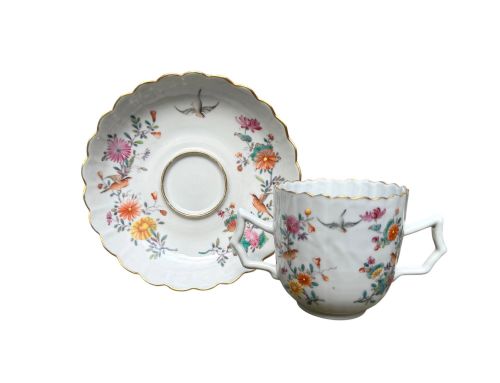


Antique Rose Bowl
When you search for an antique rose bowl, you encounter vessels designed to display cut blooms, spanning nineteenth-century silver, porcelain, and pottery.
Antique Rose Bowl
An antique rose bowl is a specialised vessel designed to hold short-stemmed cut flowers, typically featuring a wide body and a pierced metal or ceramic lid to keep blooms arranged. These pieces range from Victorian sterling silver presentation bowls to nineteenth-century Chinese porcelain and English earthenware.
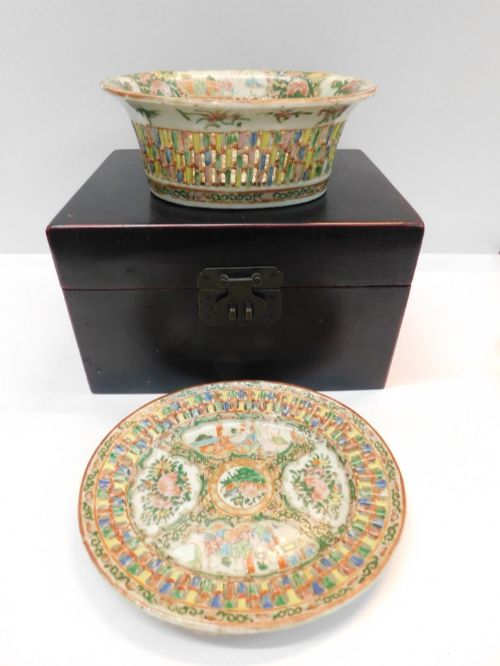
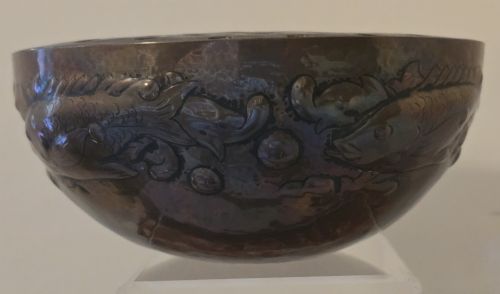
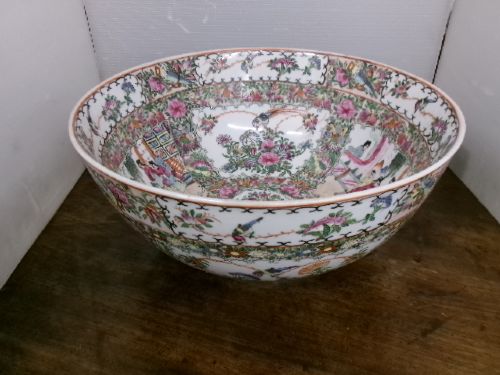
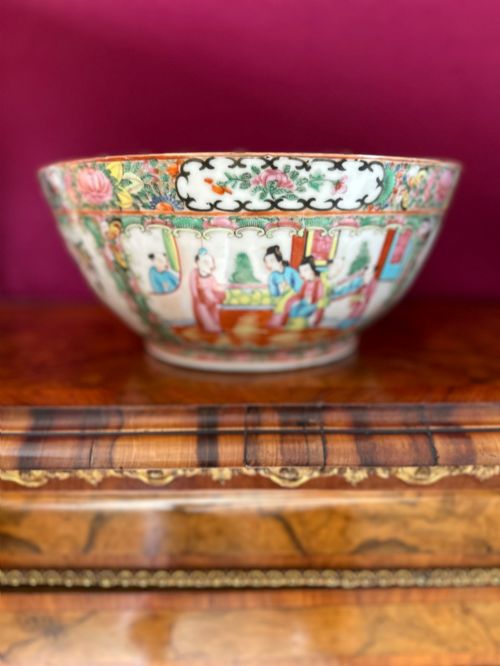
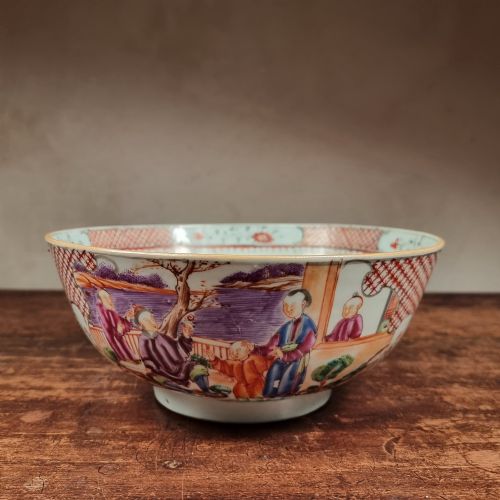
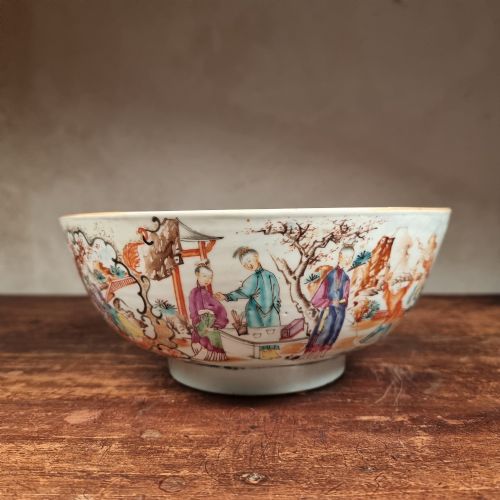
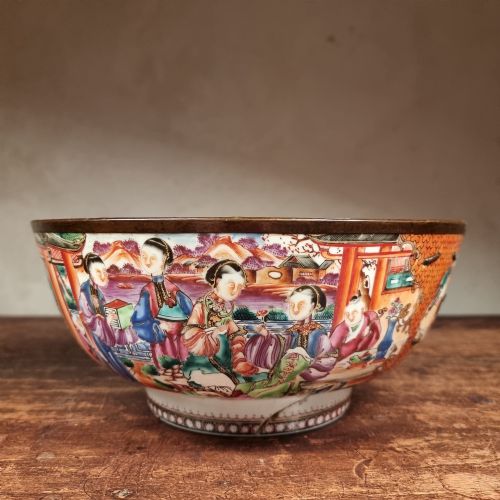
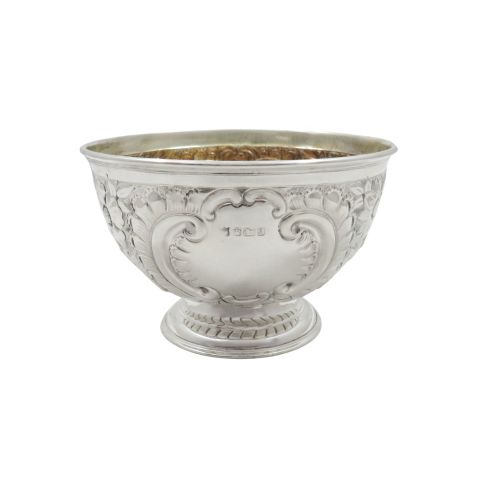
The most common examples on this page are nineteenth-century Chinese export famille rose porcelain bowls and Victorian sterling silver centrepieces. You also find specialised forms such as creamware pottery, hand-painted Royal Worcester porcelain, and copper arts and crafts designs.
Originating across different periods including the Georgian, Victorian, and Edwardian eras, these bowls served as table centrepieces or presentation pieces. Their forms encompass pedestal feet, footed bases, boat shapes, and wide punch bowls fitted with original lids.
How they were made
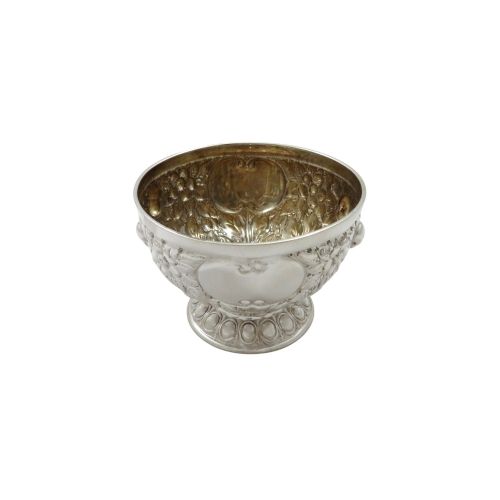
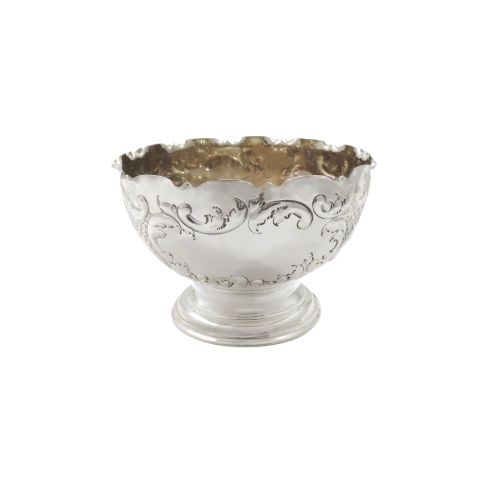
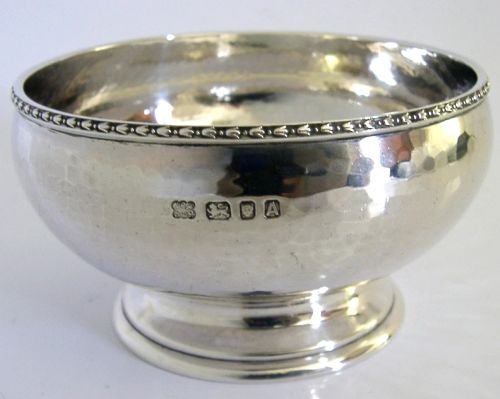
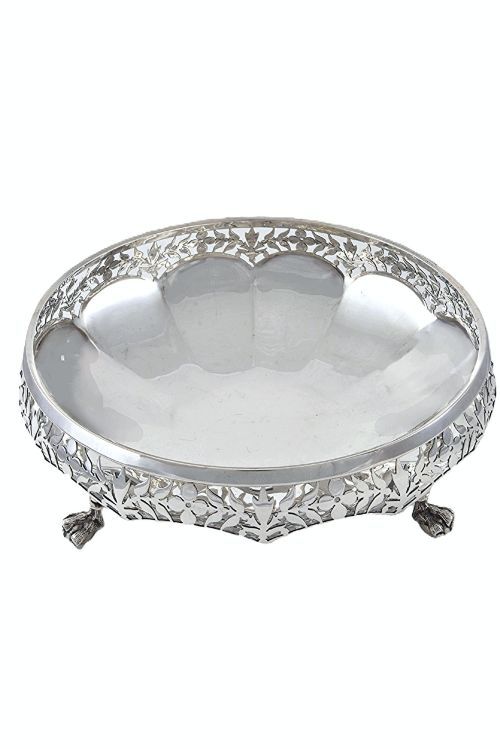
Metal rose bowls from the Victorian and Edwardian periods utilise sterling silver or silver plate, often shaped through planishing and hammering techniques that leave distinctive tool marks across the surface. Makers constructed copper variants with similar hand-worked methods, occasionally incorporating pierced lids.
Porcelain and pottery versions rely on high-firing techniques with overglaze enamel decoration, as seen in Chinese Canton and famille rose pieces. English manufactories like Royal Worcester applied hand-painted floral motifs directly onto the ceramic body before glazing.
Listings feature eighteenth and nineteenth-century Chinese porcelain alongside Victorian and Edwardian sterling silver and silver plate.
What varies in quality
Quality in silver rose bowls rests on the weight of the metal, the crispness of repoussé work, and whether the original pierced frog lid remains intact. Heavier gauges of silver and clear hallmarks indicate superior domestic manufacture.
For porcelain, the distinction lies in the precision of the hand-painted overglaze enamel work, the translucency of the body, and the presence of documented makers or period reign marks. Crisp detail in canton designs and well-preserved gilt or gold leaf elevate the piece.
Royal Worcester·Doulton Burslem·Joseph Rodgers·Newlyn Copper·Schierholz Plaue
The Antique Rose Bowl Glossary
- Famille Rose
- A palette of opaque Chinese ceramic glazes dominated by pink or rose enamel, introduced during the Qing dynasty. It appears widely on export porcelain bowls.
- Planished
- A metalworking technique where a rounded hammer creates smooth, flat facets across the surface. This finish is characteristic of arts and crafts silver and copper work.
- Creamware
- A fine earthenware developed in England during the eighteenth century, featuring a pale yellow or cream-coloured lead glaze. It forms the body of early patterned tablewares.
- Canton
- A style of Chinese export porcelain decorated with bustling figures, birds, and flowers in bright enamel colours. These large bowls often date to the nineteenth century.
Antique Rose Bowl: Frequently Asked Questions
What is a rose bowl used for?
A rose bowl is a decorative vessel specifically designed to hold short-stemmed cut flowers. The inclusion of a pierced lid or wire insert keeps the blooms separated and upright.
Historically, these bowls sat on dining tables as centrepieces or served as presentation silver awarded for achievements. Their open shape allowed the fragrance and colour of the flowers to fill a room.
How do you date a silver rose bowl?
You date a silver rose bowl by examining the hallmarks stamped into the metal. These small official marks reveal the assay office, the maker's mark, and a date letter corresponding to the exact year of production.
Stylistic cues also help narrow down the period, such as the heavy repoussé work of late Victorian pieces or the clean, hammered surfaces of arts and crafts items.
What is famille rose porcelain?
Famille rose is a grouping of Chinese porcelain characterised by an opaque pink enamel derived from colloidal gold. This palette arrived during the Qing dynasty and became prominent on export wares sent to Europe.
Pieces decorated in this style frequently depict florals, butterflies, and figures rendered in vibrant overglaze enamels. The technique continued through the nineteenth century on large punch bowls and jardinières.
Did all rose bowls come with lids?
Not all rose bowls retain their original lids, as many were manufactured as general centrepiece bowls or punch bowls. When a lid is present, it is often pierced with holes or formed as a removable metal grid.
Finding a bowl with its matching original pierced cover adds significantly to the completeness of the piece. Without the lid, the vessel functions simply as an open decorative bowl.