


Antique Religious Icon
These antique religious icon pieces bring centuries of devotion, handcrafted timber and sacred imagery straight into your home.
Identifying an antique religious icon
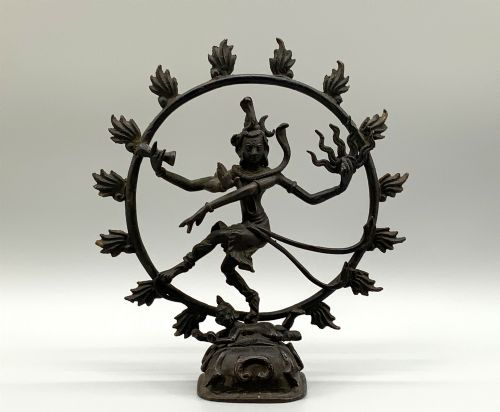
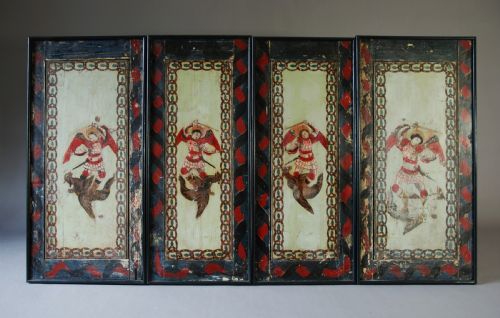
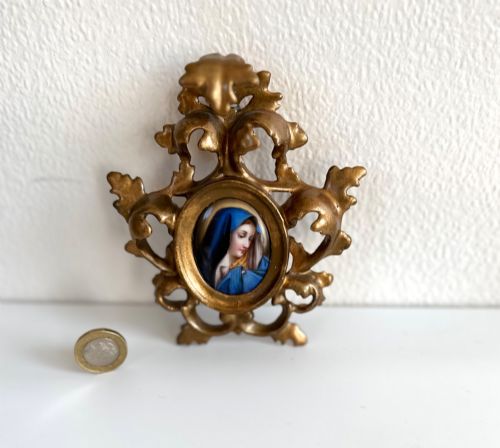
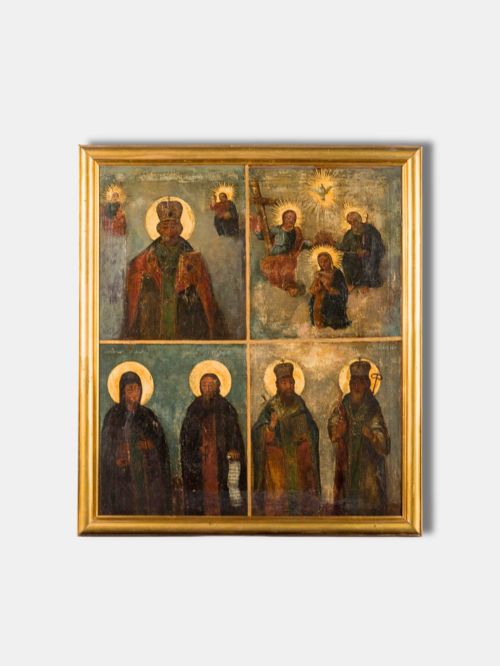
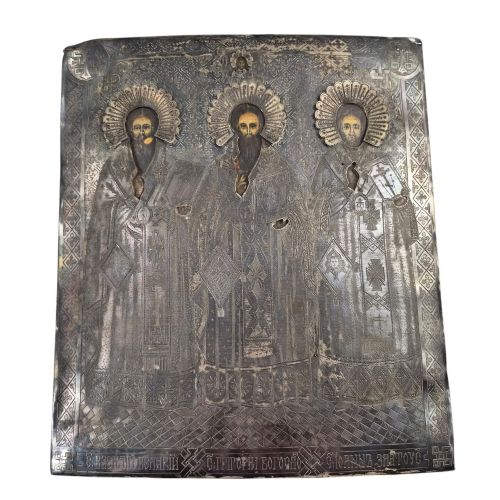
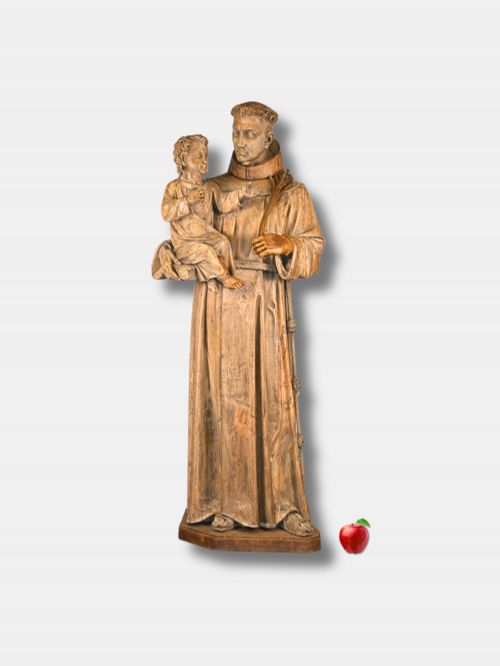
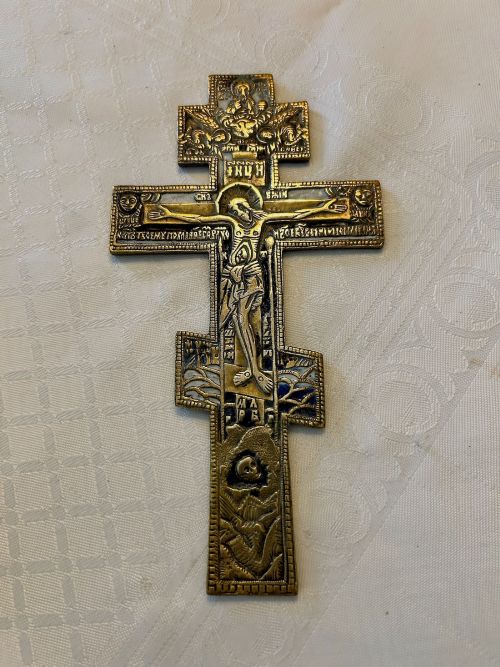
When you search for an antique religious icon, you enter a diverse field spanning multiple centuries, global origins and sacred traditions. The selection ranges from carved figures and painted wall art to panels and sets.
You are most likely to meet pieces originating from various cultural contexts, including Russian Orthodox and Southeast Asian traditions. The forms include sculptures and wall art spanning from the seventeenth century through to the Edwardian era.
The objects take diverse physical shapes, from traditional pine panels and carved wood figures to intricate painted representations. Each item carries the distinct aesthetic of its period and geographic origin.
Materials and construction
Makers utilised traditional organic materials, working primarily with wood, pine and gesso as a foundational base. Artisans applied egg tempera, pigment and gold leaf to build up rich, detailed surfaces.
Surfaces frequently feature polychrome wood finishes and giltwood accents that enhance the visual depth of the sacred imagery. Craftsmanship methods rely on hand-carving and careful painting techniques suited to each specific tradition.
Retail Price Guide 2026
Typical UK retail prices for religious icon, calculated from the Sellingantiques database of over a million retail prices indexed since 2003. This retail price guide relies exclusively on Sellingantiques data; no external sources or auction records are used, so the figures do not describe the wider market.
The listings on this site encompass periods from the seventeenth century to the Edwardian era, utilising wood, gold leaf and egg tempera.
Judging quality in sacred art
Quality separates through the finesse of the painting and the precision of the carving, distinguishing naive folk art expressions from highly refined liturgical works. The handling of egg tempera, pigment layers and gold leaf reveals the skill of the original hand.
The integrity of the underlying wood, pine or gesso substrate dictates the physical preservation of the piece over centuries. Finer examples maintain crisp sculptural details and harmonious colour applications across their surfaces.
The Antique Religious Icon Glossary
- Egg tempera
- A permanent, fast-drying painting medium mixed from coloured pigments and a water-soluble binder such as egg yolk. This technique creates a durable matte finish seen on traditional panel paintings.
- Giltwood
- Wood that has been coated with a thin layer of gold leaf or gold powder. This finish adds luminosity to carved figures and architectural elements.
- Polychrome wood
- Wood sculpture or panels decorated in multiple colours. This traditional treatment brings dimension and realism to sacred figures.
- Gesso
- A paint mixture consisting of a neutral binder mixed with chalk, gypsum or pigment. It serves as a smooth preparation layer for wood panels before painting or gilding.
Frequently Asked Questions
What is a religious icon?
A religious icon is a sacred artwork depicting holy figures, saints or biblical scenes, traditionally used for prayer and contemplation.
These pieces serve as focal points for spiritual devotion within domestic or ecclesiastical spaces.
How were these icons made?
Artisans constructed icons using wood bases such as pine, preparing the surface with gesso before applying pigments, egg tempera and gold leaf.
Skilled hands carved figures directly from timber, often finishing them with polychrome paint or giltwood details.
How do I display an icon?
Icons work well mounted securely on walls as art or placed carefully on stable surfaces away from direct sunlight and moisture.
Keeping environmental conditions stable protects organic materials like wood, tempera and gold leaf from deterioration.
How can I tell periods apart?
Distinguishing periods relies on observing the stylistic characteristics, carving methods and material preparations specific to eras like the seventeenth century or the Edwardian period.
Folk art expressions often look naive, while baroque or formal religious works display more elaborate sculptural styling.