




Antique Religious Artifact
These antique religious artefact pieces span centuries of devotion, offering tangible history for home display.
Antique Religious Artifact
When you search for an antique religious artefact, you encounter objects forged from centuries of faith and ritual across various traditions. The selection includes items such as crucifixes, chalices, sculptures, and icons spanning multiple eras.
You are most likely to meet pieces originating from the nineteenth and sixteenth centuries, constructed in styles ranging from Gothic Revival and Italian Renaissance to Russian Orthodox and Tibetan Buddhist.
The assortment contains devotional works made from materials like brass, bronze, oak, carved wood, glass, marble, and enamel. Each item reflects the specific liturgical or personal practices of its origin.
How they were made
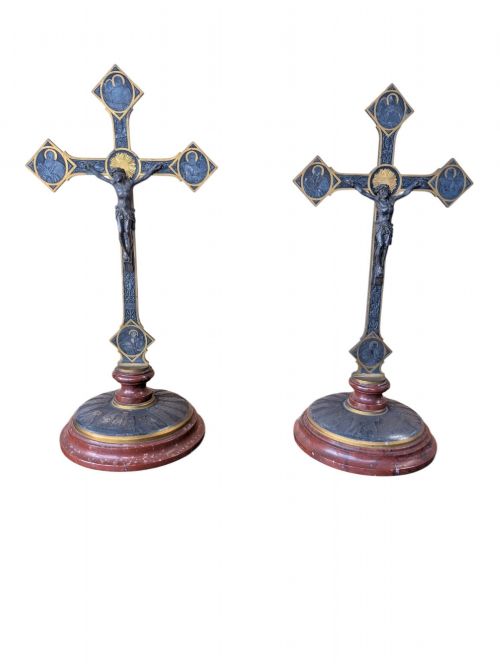
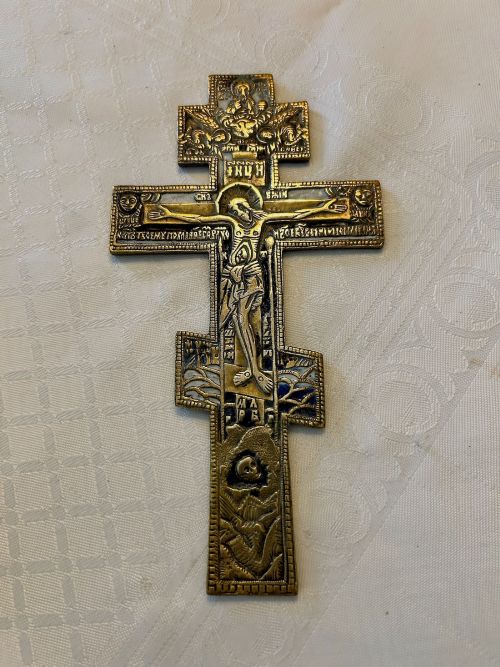
Metal items such as crosses and statues utilise casting techniques in bronze and brass, sometimes finished with blue enamel or gilding. Wood objects rely on traditional carving methods applied to oak, mulberry, and other timbers, occasionally featuring polychrome paint.
Specialised works incorporate mixed media, including glass, marble, and metal oklads mounted over painted icon panels. Artisans shaped these materials by hand to serve functional and decorative roles within religious settings.
A tin tabernacle once housed an illuminated religious text, proving that divine inspiration can arrive in corrugated iron.
What varies in quality
The standard of craftsmanship shows in the depth and precision of carved wood details and the crispness of cast bronze and brass elements. Pieces with well-preserved polychrome surfaces or original enamel work demonstrate higher material preservation.
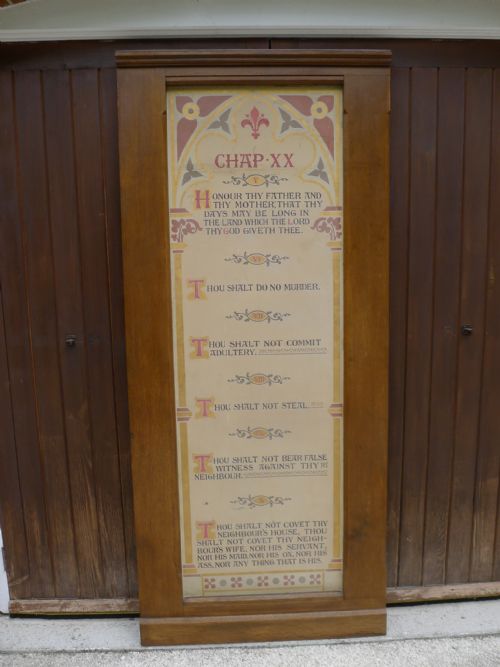
Structural complexity also defines the range, from simple devotional items to architectural structures like tabernacles and illuminated texts. The integrity of original materials and period-appropriate construction methods separate simpler items from more elaborate works.
The Antique Religious Artifact Glossary
- Tabernacle
- A fixed, ornate box used in churches to house the Eucharist. These architectural structures often feature detailed metalwork or carved wood.
- Oklad
- A metal cover protecting or enhancing an icon, leaving only the faces and hands visible. They are typically executed in brass, bronze, or precious metals.
- Chalice
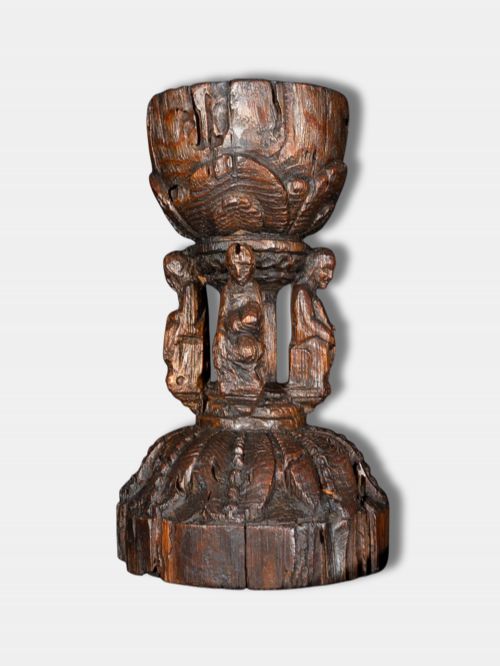
- A consecrated cup used to hold sacramental wine during religious services. Historic examples frequently appear in carved wood or precious metals.
- Polychrome
- The practice of decorating architectural elements, sculpture, or pottery in a variety of colours. This finish appears on several antique wooden figures.
- Icon
- A devotional painting of a holy figure, traditionally on wood panels within Eastern Christian traditions. They often incorporate metal oklads for protection and adornment.
Antique Religious Artifact: Frequently Asked Questions
What is an antique religious artifact?
An antique religious artefact is an object created for worship, ritual, or personal devotion from past centuries. These pieces encompass items used in Christian, Buddhist, and other spiritual traditions.
The inventory includes sculptures, crucifixes, manuscripts, and liturgical vessels made from materials such as bronze, brass, oak, and enamel.
How were these artefacts used?
These items served various functions within public worship spaces, monastic settings, and domestic shrines. Chalices and tabernacles were central to formal church liturgy, while icons and small crucifixes aided personal prayer.
Statues and framed wall art provided visual focal points for meditation and religious instruction in homes and institutions.
How do I care for wooden religious artifacts?
Wooden sculptures, chalices, and panels require stable environmental conditions to prevent the wood from drying out or splitting. Keep them away from direct sunlight and dramatic temperature fluctuations.
Dust gently with a soft, dry cloth and avoid applying modern polishes or cleaning agents to historic surfaces, especially those with polychrome paint.
How can I tell the period of a metal cross?
Dating metal crosses involves examining the casting technique, alloy composition, and style of ornamentation. Nineteenth-century pieces often display different manufacturing marks and patination compared to earlier sixteenth or seventeenth-century examples.
Stylistic indicators such as Gothic Revival or Russian Orthodox motifs also help align the piece with its era of origin.