




Catholic Devotional Sculpture
Catholic devotional sculpture brings sacred figures into domestic spaces, offering intimate wooden and terracotta representations of saints and holy scenes.
Catholic Devotional Sculpture
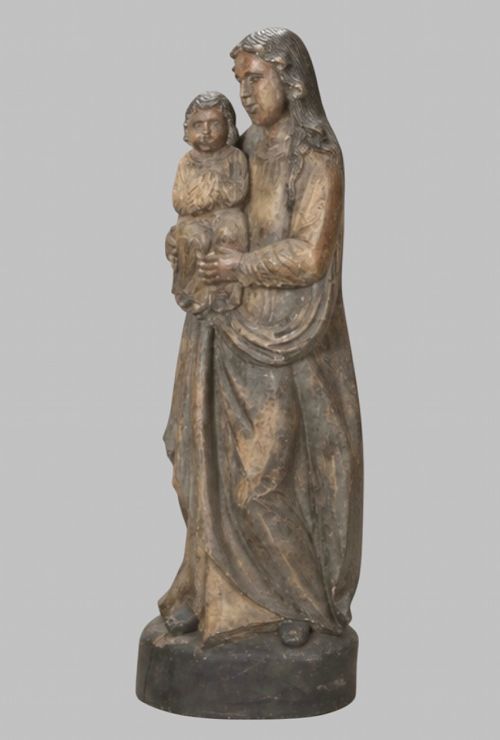
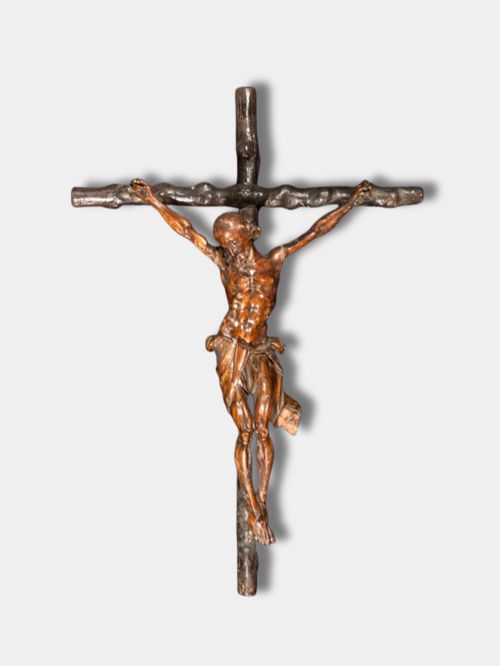
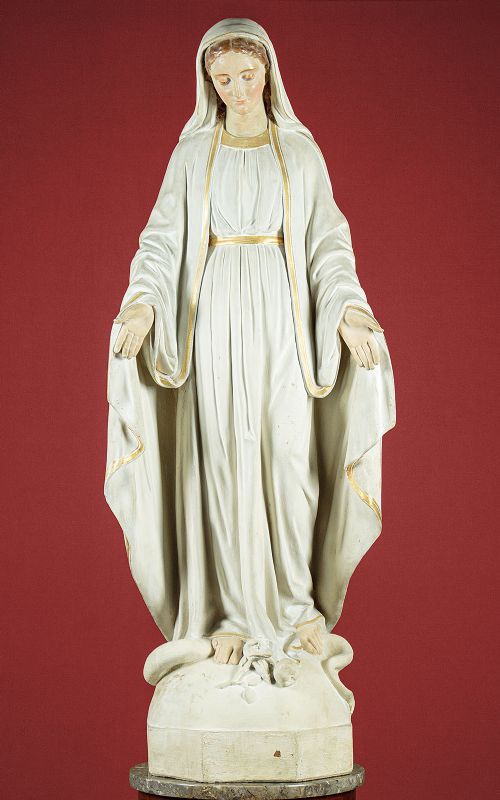
Catholic devotional sculpture encompasses figures carved for personal prayer and domestic contemplation, ranging from small devotional figures to larger statues. These pieces frequently depict the Madonna and Child, Corpus Christi, and various saints.
The selections encountered here span several centuries, with examples originating from the seventeenth century through to the early twentieth century. Common forms include free-standing hardwood carvings, shadowboxes, and detailed crucifixes.
Geographic origins recorded in the listings stretch across European traditions, notably Spanish and Italian workshops, alongside Spanish Colonial and folk art interpretations. Each piece reflects the specific stylistic language of its origin, whether Spanish Baroque or Italian folk art.
Materials and construction
Carved wood serves as the primary medium for these figures, utilising hardwoods and general timber shaped by hand. Many pieces incorporate polychrome paint surfaces to define drapery, flesh tones, and facial expressions.
Saint Anthony of Padua appears ready to listen to daily grievances, provided someone remembers where he was left.
Assessing quality
The condition and survival of original polychrome paint surfaces heavily influence the character of a piece. Finer works retain harmonious surface pigments that enhance the depth of the carved form.
The Catholic Devotional Sculpture Glossary
- Corpus Christi
- The figure of Jesus Christ affixed to a cross. This term specifically denotes the sculptural body rather than the cross itself.
- Polychrome
- Decoration executed in multiple colours. In these sculptures, paintwork is applied directly to wood or terracotta to add realism.
- Santos figure
- A carved representation of a saint or divine figure used in religious processions and domestic shrines. These figures often feature articulated limbs or specialised clothing.
- Veil of Veronica
- A religious representation showing the face of Jesus miraculously imprinted on a cloth. It appears in devotional art as a focal point for contemplation.
- Spanish Baroque
- An artistic style characterised by dramatic movement and deep emotional intensity. Sculptures from this tradition emphasise theatricality and naturalistic detail.
Catholic Devotional Sculpture: Frequently Asked Questions
What periods do these sculptures date from?
The available pieces span from the seventeenth century through to the early twentieth century. Earlier items often display regional European characteristics like Spanish Baroque or Italian folk art.
Later examples include works from the nineteenth and early twentieth centuries, reflecting enduring traditions in religious carving and domestic devotion.
How were these sculptures used originally?
These figures functioned as focal points for prayer and private contemplation within domestic settings or smaller chapels. Owners used them to aid spiritual devotion and mark religious observances.
Some forms, such as Santos figures or shadowboxes, were dressed in textiles or placed in protected displays to serve household altars.
What materials are most common?
Carved wood forms the vast majority of these devotional objects, utilising various timbers and hardwoods. Many wooden statues feature applied polychrome paint to render surface details.
Terracotta also appears among the listings, alongside glass components used in specific shadowbox presentations.
How do I identify a Spanish Colonial piece?
Spanish Colonial pieces combine European Catholic iconography with local materials and indigenous carving techniques. They frequently reflect the stylistic influence of Spanish Baroque aesthetics adapted by regional makers.
Examining the specific type of wood and the application of polychrome pigments helps distinguish these regional interpretations from European-made works.