

Antique Devotional Art
These pieces of antique devotional art bring centuries of private prayer and sacred imagery into a room.
Antique Devotional Art
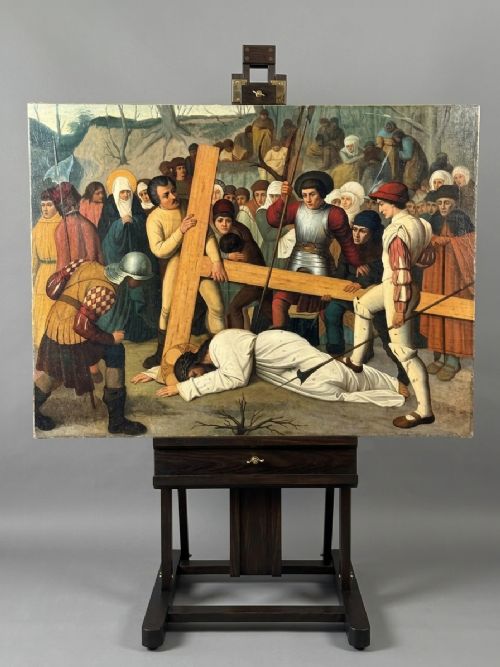
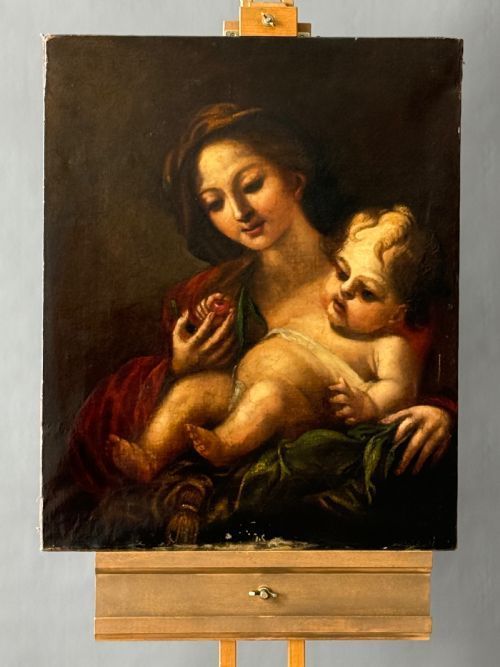
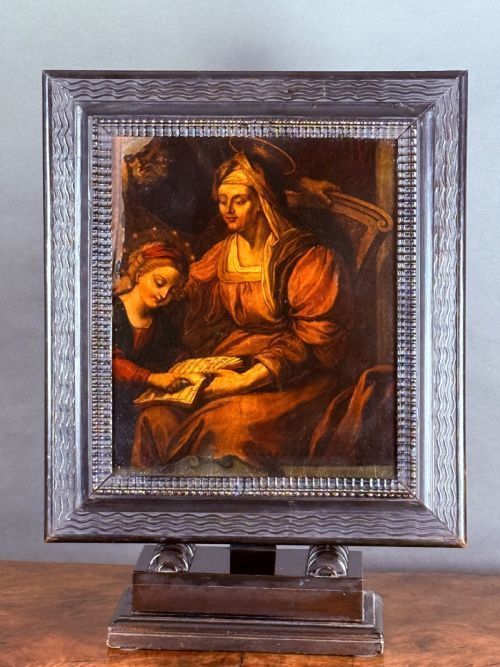
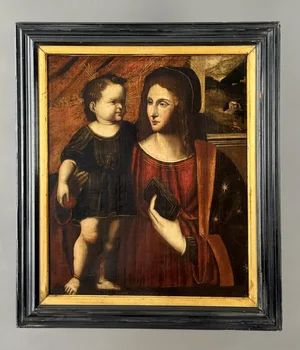
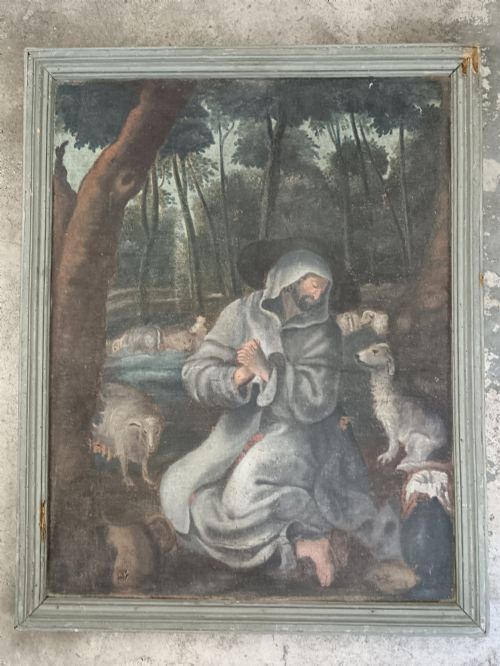
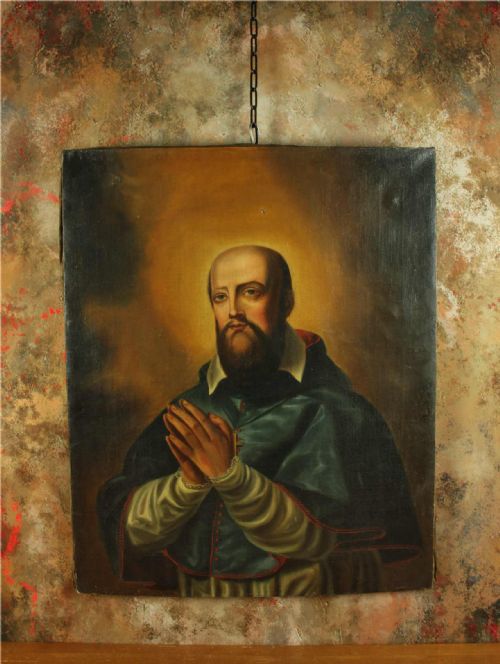
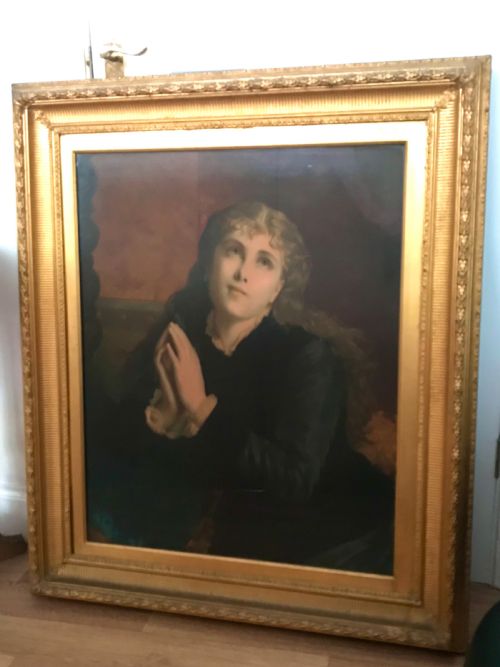
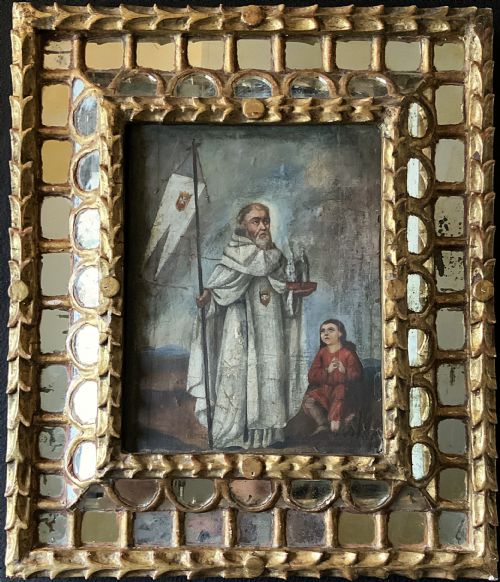
When you search for antique devotional art, you encounter objects made to aid private and public worship across centuries of European history. The selection spans 16th-century Italian Renaissance school panels to 19th-century folk statues and miniatures. Oil paintings on canvas, carved wooden sculptures, and gold leaf pendants represent the primary forms you meet.
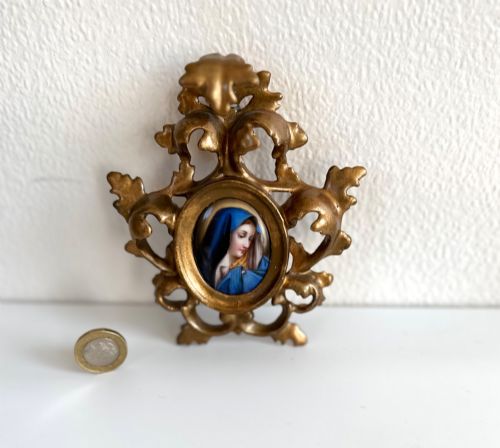
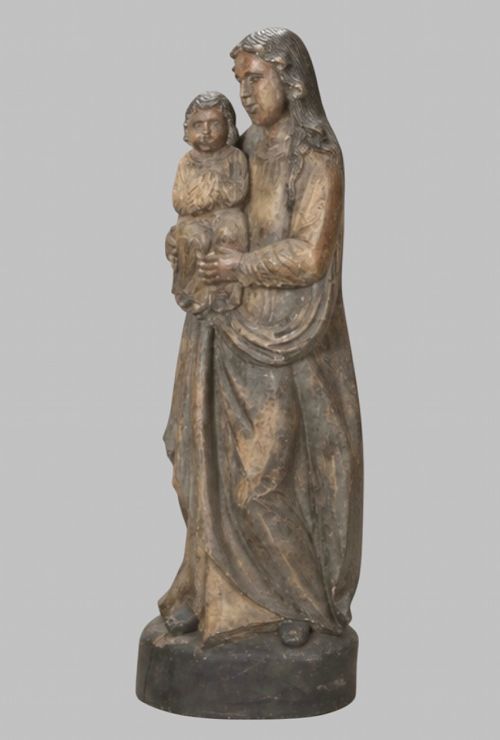
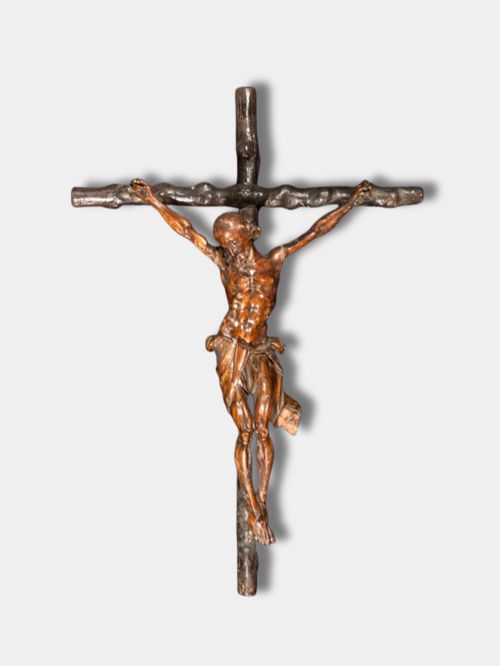
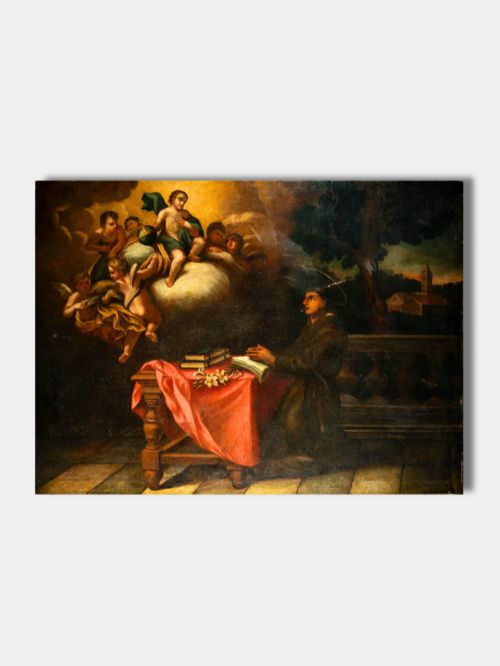
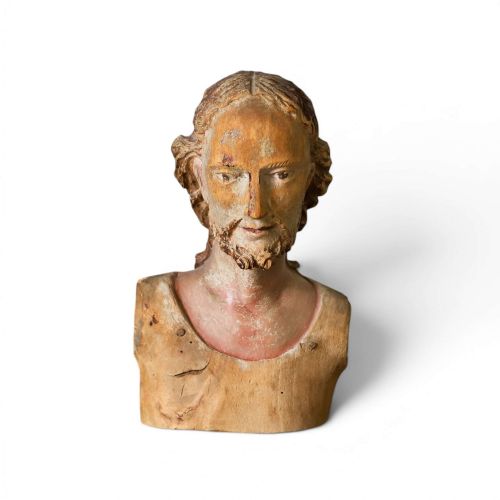
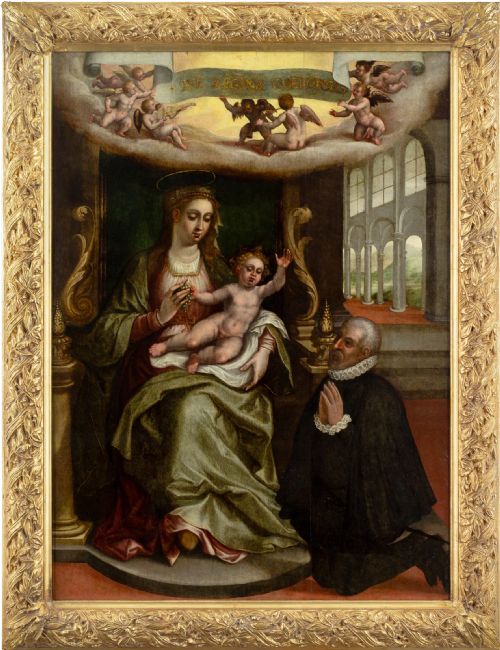
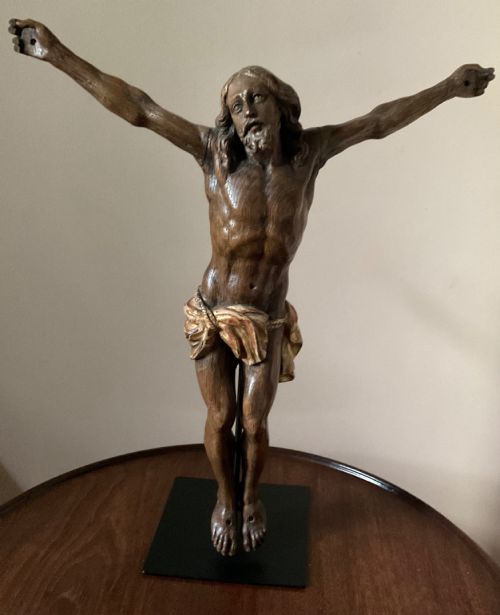
Oil paintings range from grand old master works depicting the Virgin and Child to naïve European school portraits of saints. Sculptural pieces include carved wood Corpus Christi figures and polychrome olive wood busts originating from Spain, Italy, and the Low Countries. Smaller portable items, such as 18K yellow gold medals and Limoges enamel plaques, offer intimate expressions of faith.
Materials and construction methods
Makers utilised traditional oil paints on primed canvas or wood panels, often applying gold leaf to highlight sacred figures and haloes. Sculptures were hand-carved from woods such as olive, then occasionally finished with polychrome paint and gesso to add lifelike colour.
Miniature works and personal adornments required specialised techniques, including reverse glass mezzotint, plique-à-jour enamel, and fine metalwork in 18K yellow gold. Shadow boxes incorporated delicate Nevers glass figures assembled within enclosed frames for domestic shrines.
Several pieces include hidden artist changes known as pentimenti, revealing where a saintly elbow was painted out centuries ago.
Elements of quality and execution
Quality rests upon the skill of the hand behind the brush or chisel, distinguishing workshop output from skilled followers or provincial folk artists. Mastery of anatomical proportion, facial expression, and drapery folds elevates a canvas or carved figure from a standard religious artefact to a refined piece of fine art.
Materials and preservation dictate the upper tiers of the range, where intact original gilding, untouched polychrome surfaces, and early frames remain well-preserved. Finer works display sophisticated glazing layers in oils or precise enamel work on gold pendants, showing superior craftsmanship.
Jozef Jansessens·Bernardino Luini·Miguel Barroso·Emile Monier·Emile Dropsy·Costantino Frixione·Juan Ruiz Soriano·Gaspar de Figueroa
The Antique Devotional Art Glossary
- Corpus Christi
- A sculptural representation of the body of Jesus Christ on the cross. These figures appear in carved wood across Spanish and Low Country traditions.
- Polychrome
- Painted in several colours. This term describes wooden sculptures and home altars decorated with applied pigments.
- Ex-voto
- A votive offering presented to a saint or a divinity in fulfilment of a vow. They appear as framed collections of small devotional objects.
- Pentimento
- A visible trace of earlier painting beneath a layer or layers of paint, showing a change of design by the artist. These alterations appear on older canvas works.
- Mezzotint
- A printmaking process of the printmaker scraping a metal plate to achieve tones and shades. Reverse glass examples place this imagery beneath protective glass.
Antique Devotional Art: Frequently Asked Questions
What is devotional art?
Devotional art comprises visual and sculptural representations created specifically to inspire religious contemplation and prayer. These items served both communal worship in churches and private devotion within domestic spaces.
The category includes oil paintings of holy figures, carved wooden crucifixes, pocket-sized medals, and home altars. Each piece functioned as a tangible focus for spiritual practice.
How were home altars used?
Home altars provided a dedicated focal point for daily family prayers and personal reflection within the household. Owners placed statues, crucifixes, and painted panels upon them to create miniature sacred spaces.
These portable or tabletop shrines allowed individuals to practice their faith privately without attending a church. They often housed relics, candles, and framed devotional prints.
How do I date an old painting?
Dating an oil painting involves examining the canvas weave, stretcher construction, primer types, and pigments used by the artist. Stylistic clues within the brushwork and framing also point toward specific historical periods.
Expert analysis looks for pentimenti and signature marks that link a work to known schools or followers of master painters. Comparative study of similar period pieces helps narrow down the decade of creation.
What is a shadow box?
A shadow box is a deep, glass-fronted framed case designed to protect delicate three-dimensional objects from dust and damage. In a religious context, they housed intricate glass figures and miniature scenes.
These enclosed displays allowed fragile multi-part arrangements to hang safely on walls as domestic shrines. The glass protected the fragile materials inside while keeping the sacred scene visible.