





Gothic Wooden Religious Carving
These pieces of gothic wooden religious carving offer centuries of devotional craftsmanship, capturing solemn figures and sacred narratives in solid timber.
Gothic Wooden Religious Carving
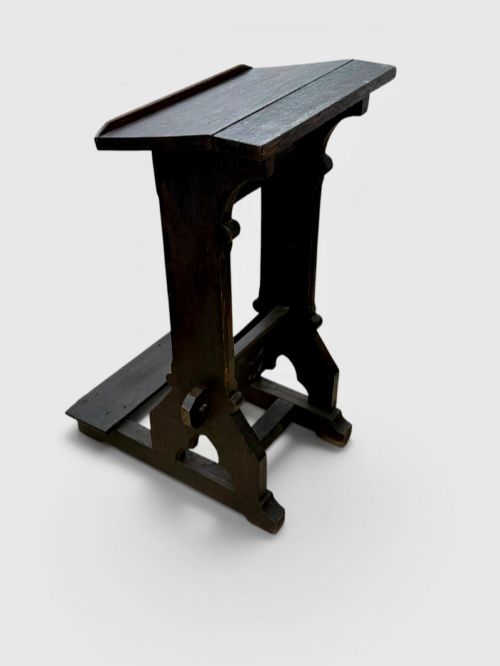
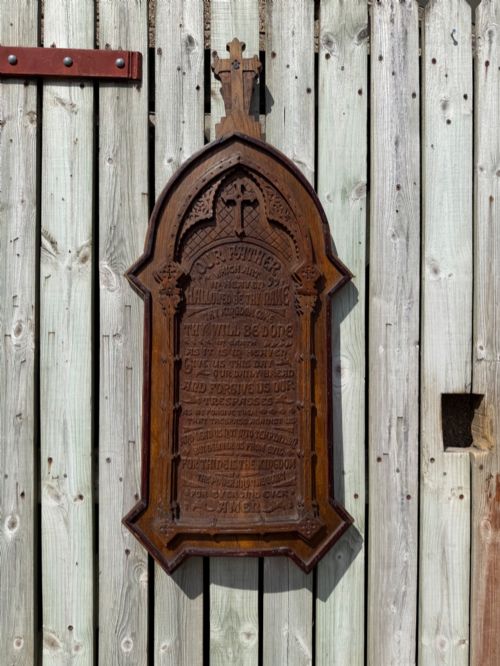
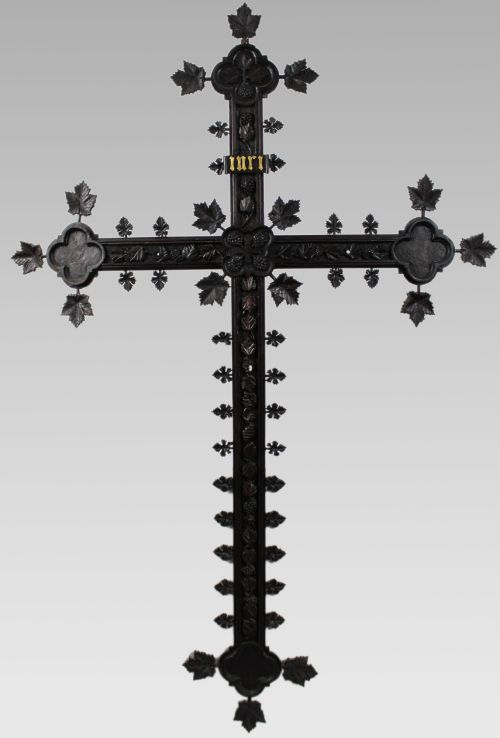
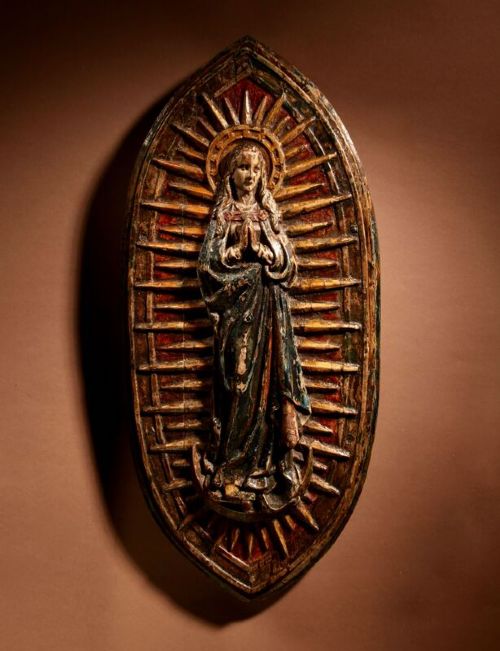
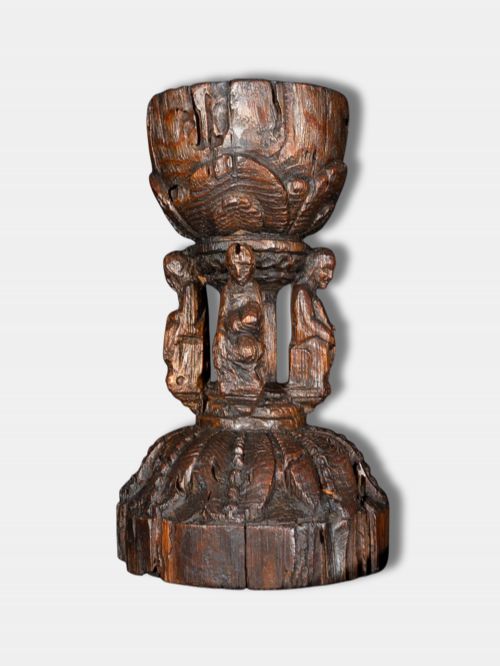
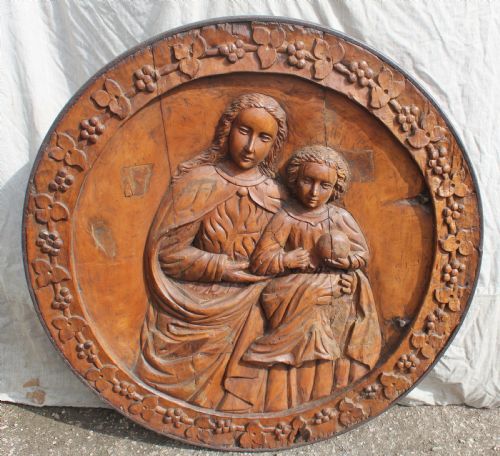
A gothic wooden religious carving is a devotional object shaped from timber to depict saints, biblical scenes, and figures of faith. Collectors find everything from altarpiece panels and freestanding saintly figures to prayer desks and wall plaques.
The pieces on this page span several centuries, reaching from pre-sixteenth-century medieval works through the sixteenth-century Renaissance to nineteenth-century Gothic Revival interpretations. Oak and walnut form the backbone of these early works, alongside limewood, pine, and applied polychrome paint or gold leaf.
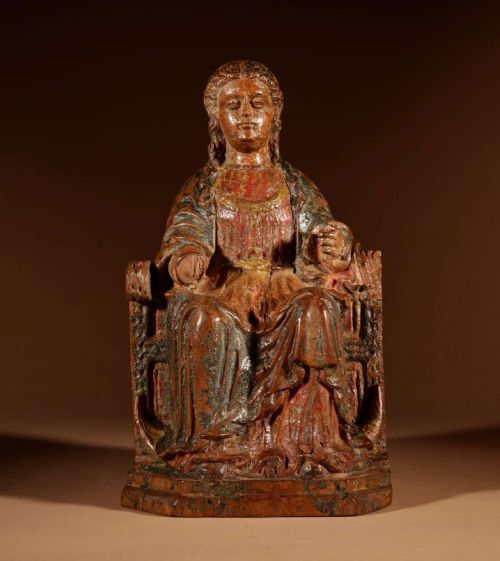
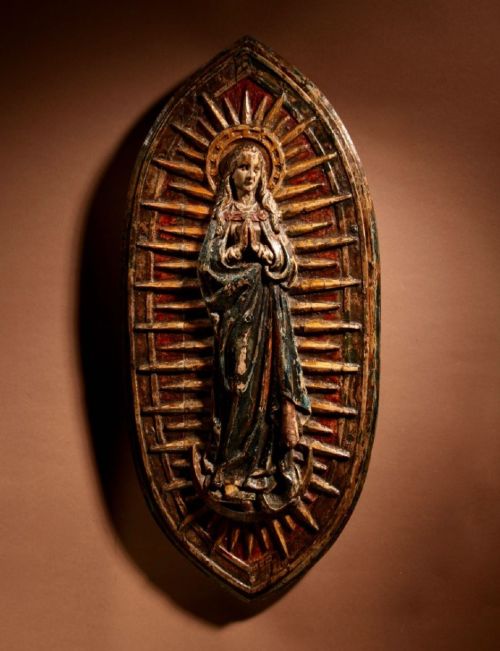
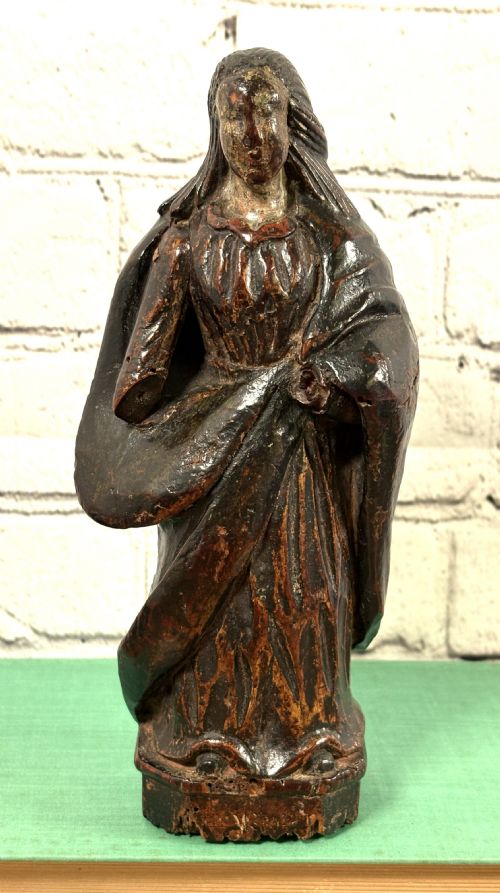
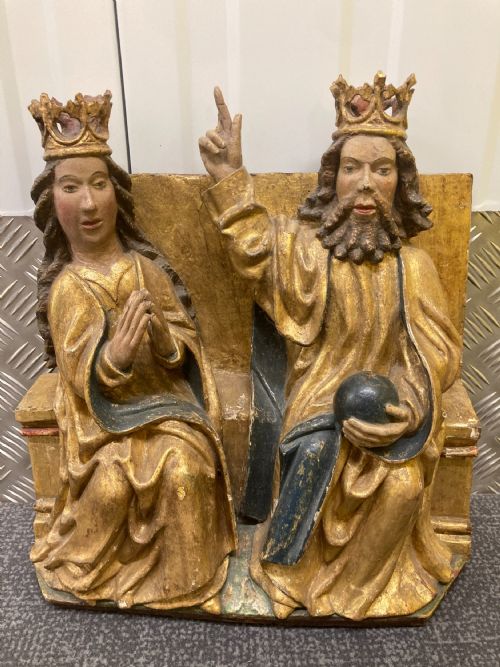
Most items encountered here are sculptural studies of figures such as the Virgin Mary, John the Baptist, and various saints. Buyers often select them to anchor a room with historic depth and traditional craftsmanship.
Materials and construction
Carvers shaped these works primarily from dense hardwoods like oak and walnut, alongside softer timbers such as limewood and pine. Oak provided the robust structural foundation for large church figures and architectural panels, while limewood and walnut permitted finer facial expressions and intricate drapery folds.
Many historical surfaces received a layer of gesso before painters applied polychrome paint or gold leaf to heighten visual impact. Over centuries, these layered finishes have settled into muted patinas that reveal the underlying wood grain.
Several panels preserve the quiet gaze of serpents and half-moons tucked beneath the feet of standing saints.
Judging the work
The preservation of original surface treatments, such as remnants of polychrome pigment or gold leaf, separates exceptional survivals from stripped timbers. Original back panels and mounting points also indicate whether a sculpture retains its structural integrity.
The Gothic Wooden Religious Carving Glossary
- Polychrome
- Decoration consisting of several colours applied to the surface of wood or gesso. This technique brought statues and altarpieces to life inside dimly lit medieval churches.
- Gesso
- A plaster mixture applied to wood as a smooth base for paint or gold leaf. It creates a bright foundation that enhances subsequent layers of decoration.
- Prie Dieu
- A small prayer desk or kneeling chair equipped with a sloping shelf for a devotional book. These items form part of domestic and ecclesiastical religious furniture.
- Altarpiece
- A structured artwork placed behind or upon an altar, often featuring central carved panels depicting biblical narratives. Surviving fragments frequently circulate as individual wall panels.
- Limewood
- A fine-grained, pale timber favoured by continental carvers for intricate detail. Its even texture allows deep undercut carving without splitting.
Gothic Wooden Religious Carving: Frequently Asked Questions
How do I date a wooden carving?
Dating relies on tool marks, timber choice, and stylistic conventions such as the cut of the drapery and facial proportions. Examining the back of the panel reveals how the wood was seasoned and worked.
Earlier medieval and sixteenth-century pieces display hand-adzed surfaces and dense heartwood, whereas nineteenth-century revival works often show machine sawing or different assembly methods.
Where were these carvings displayed?
Original locations included parish churches, domestic chapels, and monastic foundations where they served as focal points for prayer. Altarpieces, rood screens, and private devotional desks housed these figures.
Today, collectors place them as wall-mounted panels or freestanding sculptures within domestic interiors to highlight their sculptural form.
Should I clean a historic wood carving?
Cleaning should remain minimal to preserve the delicate patina and any remaining traces of original gesso or paint. Dusting with a soft, dry brush is generally sufficient for routine maintenance.
Avoid using water, oils, or modern polishes, as these substances can penetrate porous historic timber and degrade fragile surface finishes.
What is the difference between Gothic and Renaissance pieces?
Gothic carvings tend to feature elongated proportions and complex, angular drapery folds that emphasise spiritual elevation. Figures often display solemn, restrained expressions typical of medieval devotion.
Renaissance and later revival pieces introduce classical proportions, softer bodily contours, and more dynamic poses derived from natural observation.