


Antique Metal Icon
These antique metal icon pieces are sacred devotional figures and plaques spanning centuries of craftsmanship, offering buyers tangible links to deep religious traditions.
Antique Metal Icon
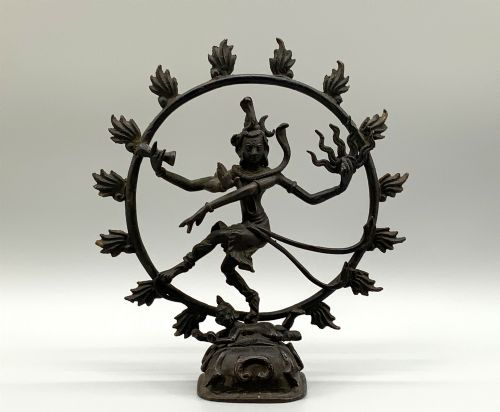
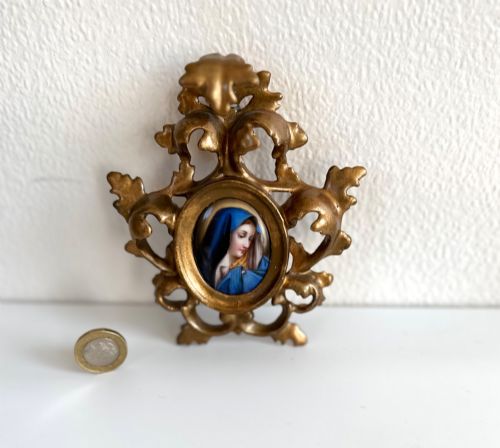
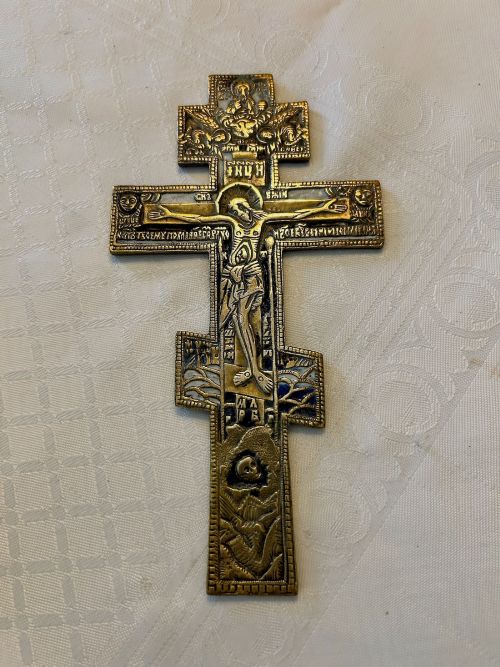
An antique metal icon encompasses a diverse range of sacred objects, from Russian Orthodox bronze folding triptychs and crosses to Southeast Asian temple bronzes of Buddha and Hindu deities such as Shiva and Vishnu. Buyers seeking an antique metal icon will encounter everything from small portable travel pieces to large statues, wall plaques, and shrines.
The material traditions vary by region and period, with cast bronze, brass, copper alloy, and silver appearing frequently alongside traditional tempera on wood panels fitted with metal oklad coverings. Pieces span from pre-sixteenth century Javanese works to nineteenth-century Russian, Indian, Burmese, and Thai creations.
Russian examples often incorporate vibrant enamel work on bronze crosses and triptychs, while Asian creations showcase cast patinated bronze and brass statuary of Buddhist and Hindu figures. The inventory balances portable domestic devotional objects with larger temple sculptures and silver reliefs.
Materials and construction methods
Metals form the core of these works, utilising bronze, brass, copper alloy, and silver, occasionally combined with wood panels, tempera paint, and delicate enamel inlay. Casting techniques dominate the metallic objects, producing solid figures, hollow temple statues, and intricate folding travel triptychs.
Surface treatments add depth and colour to the metalwork, including applied gilt, patinated brown finishes, and colourful enamel highlights. Inlay work also appears on brass shrines, incorporating copper and silver details into the cast body.
Pocket-sized travel triptychs allowed devout travellers to pack a portable heaven before setting off down bumpy trade routes.
Assessing quality in sacred metalwork
Quality rests primarily in the crispness of the casting and the preservation of fine details such as facial expressions, hand gestures, and decorative robes. Superior pieces retain their original surface patination, enamel work, and gilding without distracting modern interventions or smoothing from excessive cleaning.
Age and regional origin heavily influence desirability, with earlier pre-sixteenth century Southeast Asian bronzes and specialised Russian workshop pieces commanding particular attention. The integration of mixed media, such as finely preserved silver oklad over tempera on wood panels, elevates the standard of execution.
The Antique Metal Icon Glossary
- Oklad
- A metal revetment or cover placed over a painted icon, usually leaving only the face and hands visible. It protects the underlying tempera and is frequently executed in chased or repousse silver.
- Triptych
- A three-panelled folding piece of art, often used as a portable travel icon in the Russian Orthodox tradition. The wings fold inward to protect the central sacred image during transport.
- Tempera
- A permanent, fast-drying painting medium consisting of coloured pigment mixed with a water-binder such as egg yolk. It provides the foundational painted surface beneath metal oklad coverings on wood panels.
- Patinated
- A surface finish resulting from age and chemical treatment that alters the colour of bronze or brass. This natural or induced oxidation adds historical depth and protects the metal underneath.
- Relief
- A sculptural technique where the figures project from a flat background rather than standing freely. Silver and metal relief plaques are designed for wall mounting as devotional focal points.
Antique Metal Icon: Frequently Asked Questions
How were Russian metal icons used?
Russian metal icons, including portable folding triptychs and small crosses, were designed for personal prayer and travel. Believers carried them on journeys or kept them in domestic spaces for daily devotion.
Because they lacked the delicate wooden panels of traditional painted icons, these metal versions withstood frequent handling and transit.
How do I identify Asian bronze icons?
Asian bronze icons are identified through their distinct regional iconography, depicting figures such as Buddha, Shiva, or Tara in specific stylistic periods like Ayutthaya or the Javanese eras. The casting techniques, patination, and posture offer clues to their origin.
Many feature specialised attributes or mudras that link them directly to Buddhist or Hindu traditions across India, Thailand, Java, and Burma.
How do I care for a metal icon?
Caring for an antique metal icon involves keeping it in a stable environment away from excess moisture and direct sunlight. Gentle dusting with a soft, dry cloth preserves the original surface and patina.
Avoid using chemical polishes or abrasive cleaners, as these can strip away historic patination, gilding, and delicate enamel work.