


19th Century Cross
A 19th century cross brings together devotional objects, structural joinery, and decorative needlework from the Victorian and Georgian eras.
19th Century Cross
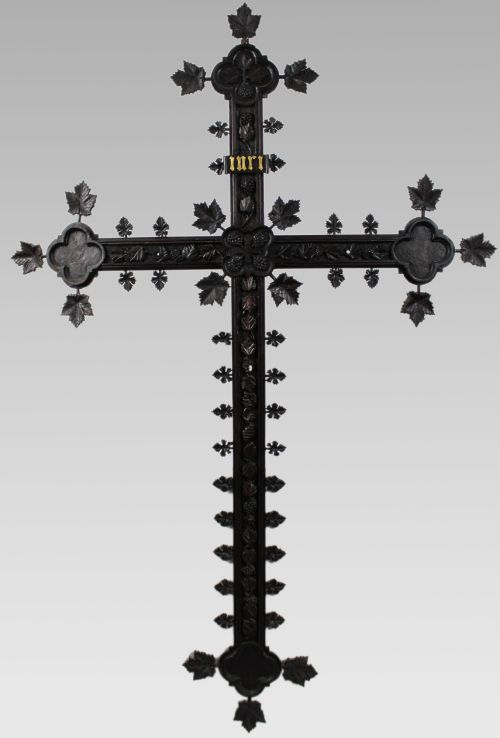
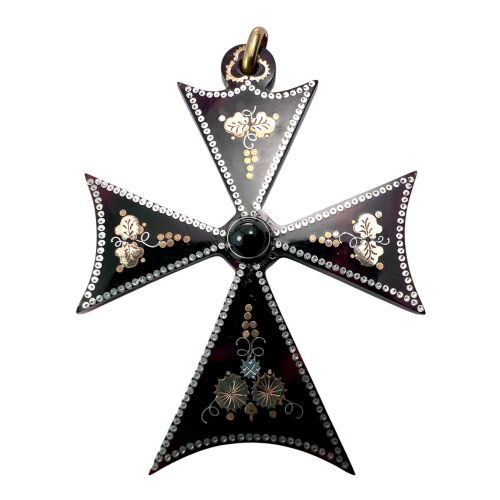
When searching for a 19th century cross, a buyer encounters a diverse group of objects spanning religious artefacts, structural furniture supports, and decorative motifs. These range from hand-carved wooden crucifixes and cast bronze devotional pieces to inlaid pendants and architectural panels.
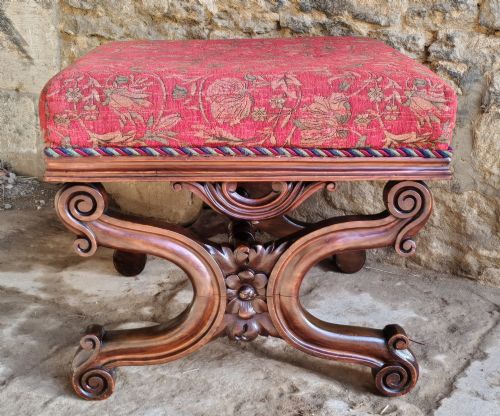
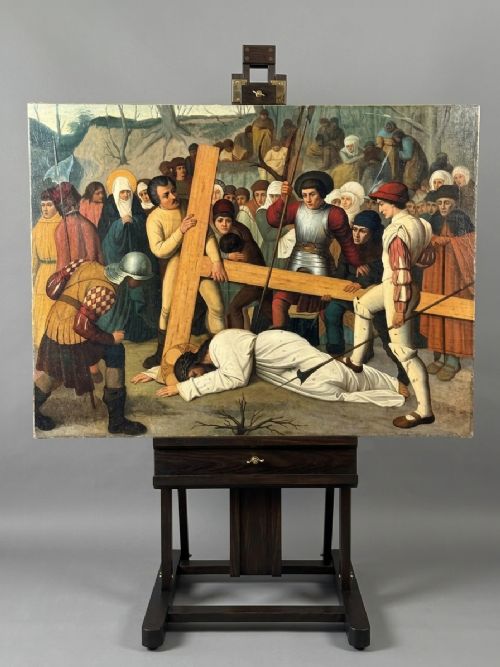
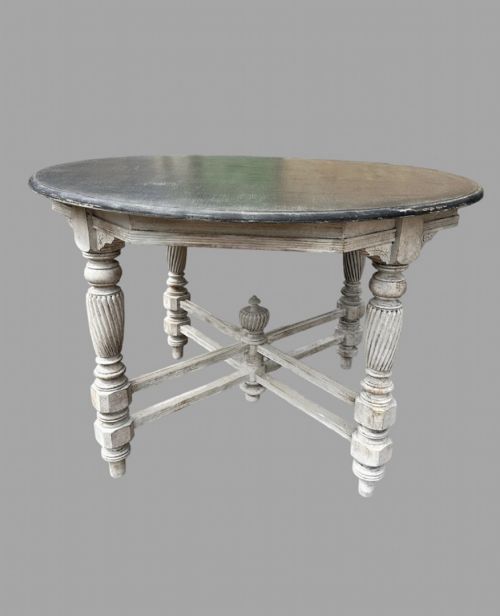
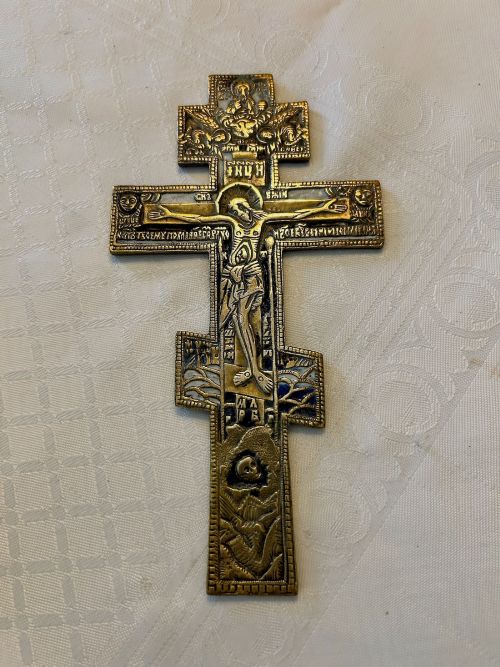
The inventory also reveals domestic furniture featuring cross-banding on tabletops and chests, alongside X-frame stools and tables utilising intersecting structural members. Devotional items include orthodox crosses, marble Celtic crosses, and carved panels depicting religious stations.
Originating predominantly from British, French, German, and Scandinavian workshops, these items reflect both the piety and the master cabinet-making techniques of the nineteenth century.
Materials and construction
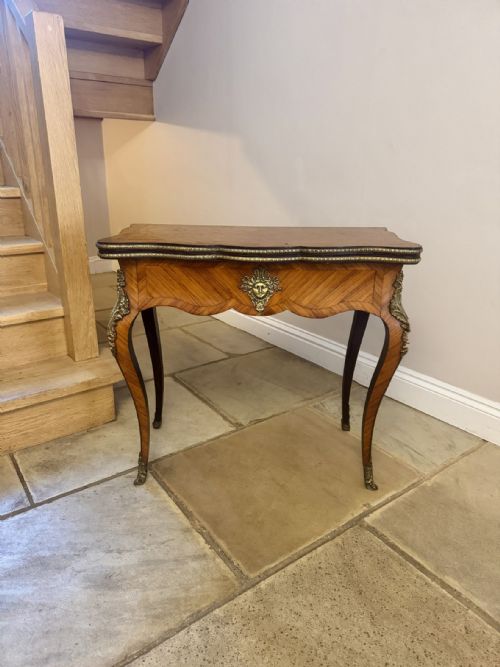
Makers utilised dense timbers such as mahogany, walnut, kingwood, and rosewood, often applying contrasting veneers in decorative borders known as cross-banding. Metalwork items combine cast bronze, brass, silver, and gold inlay with enamel work.
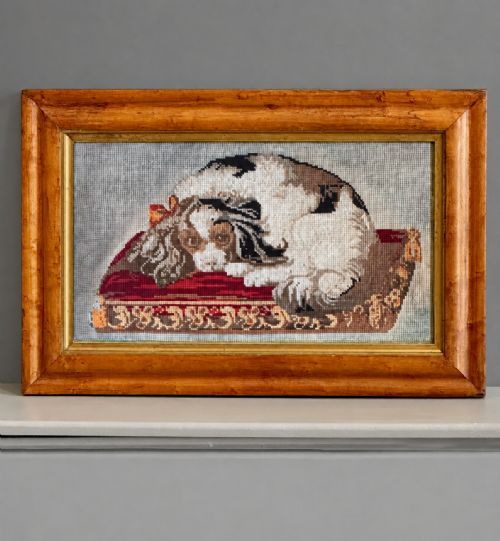
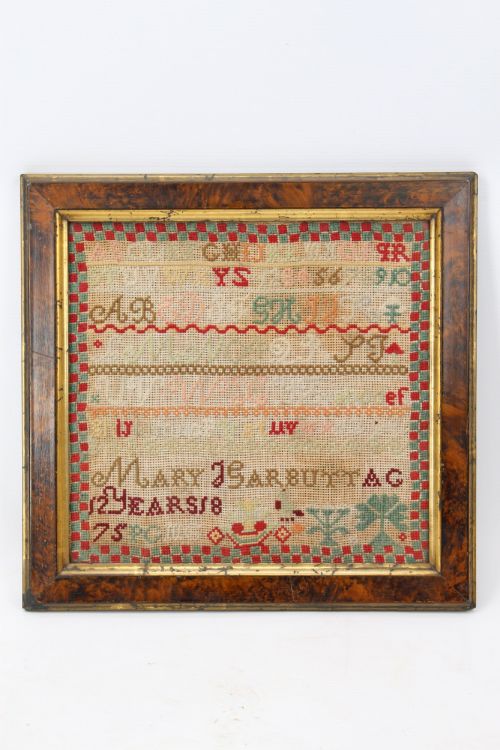
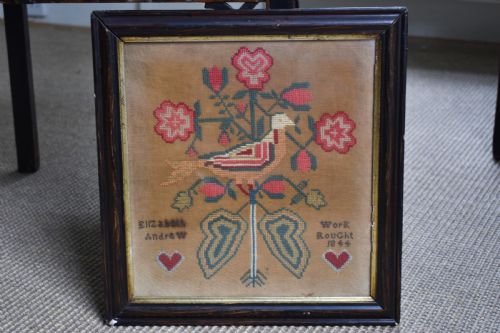
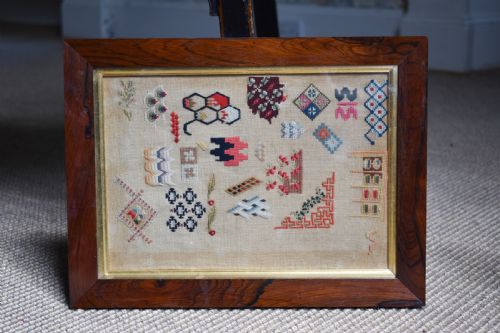
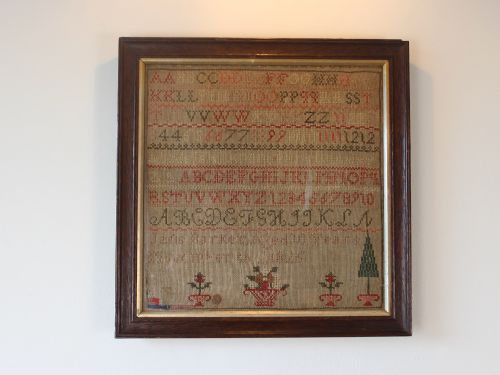
Carved wooden examples utilise oak, pine, and boxwood, employing traditional joinery alongside gesso and gilt finishes on mirrors and panels. Textile pieces incorporate wool, silk thread, and linen canvas executed in Berlin work and traditional samplers.
One young needleworker carefully recorded a stitch error for posterity.
Distinctions in craftsmanship
The standard of execution in carved items depends upon the crispness of the relief work and the depth of the chisel marks, particularly visible in Black Forest carvings and architectural panels. Superior furniture pieces show precise alignment in veneer grain and meticulous cross-banding along the perimeter edges.
Metalwork quality relies on the sharpness of the casting, the preservation of original gilding or patina, and the precision of any gold and silver inlay work. Textile and sampler pieces are judged by the regularity of the stitching and the complexity of the alphabets or pictorial scenes.
The 19th Century Cross Glossary
- Cross-banding
- A decorative border technique where veneer is laid perpendicular to the grain of the central panel. This method creates a contrasting frame around table tops and drawer fronts.
- X-frame
- A structural furniture design employing two intersecting diagonal members to support a seat or table top. This form appears frequently in nineteenth-century stools and desks.
- Berlin work
- A style of needlepoint embroidery popular during the Victorian era. It utilised brightly coloured wool threads stitched onto canvas using charted patterns.
- Pendant
- A small decorative ornament hung from a necklace or chain. In nineteenth-century examples, these often incorporate gold, silver, turquoise, and religious motifs.
- Sampler
- A piece of needlework produced by individuals to demonstrate proficiency in various stitches and alphabets. They frequently include dates and the maker's age.
19th Century Cross: Frequently Asked Questions
What materials are common in a 19th century cross?
Makers relied on durable hardwoods, cast metals, and carved stone or bone depending on the intended function of the piece. Wooden examples frequently utilise oak, mahogany, or pine.
Precious metal versions incorporate silver and gold, sometimes enhanced with enamel or gemstones. Textile representations appear on linen and wool canvas backgrounds.
How were X-frame tables used?
X-frame tables and stools served as functional household furniture or decorative side pieces in nineteenth-century interiors. Their distinctive intersecting supports provided structural stability.
These pieces appeared in various rooms as work tables, small dining surfaces, or prayer kneelers alongside matching chairs.
How do I care for wooden cross-banded furniture?
Maintain wooden surfaces by keeping them away from direct sunlight and fluctuating humidity levels to protect the delicate veneers. Regular dusting with a soft, dry cloth preserves the polished finish.
Avoid using silicone-based polishes or excessive moisture, which can damage old polish and lift the cross-banded edges.
Are needlework samplers dated?
Many samplers include embroidered dates, alphabets, and the name or age of the maker stitched directly into the fabric. These details help place the work within specific Victorian or Georgian decades.
Unsigned examples are often attributed by stylistic elements, thread types, and framing materials typical of the nineteenth century.