

Antique Red Cupboard
An antique red cupboard brings striking colour and practical storage into a room, spanning vibrant oriental lacquer and rich European painted pine.
Antique Red Cupboard
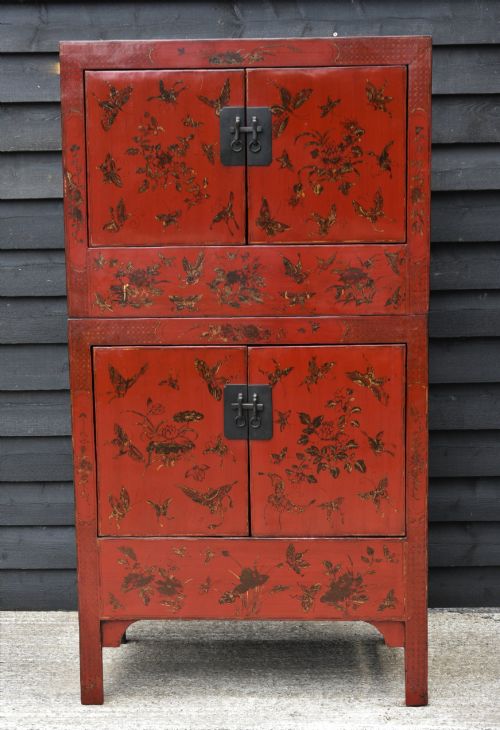
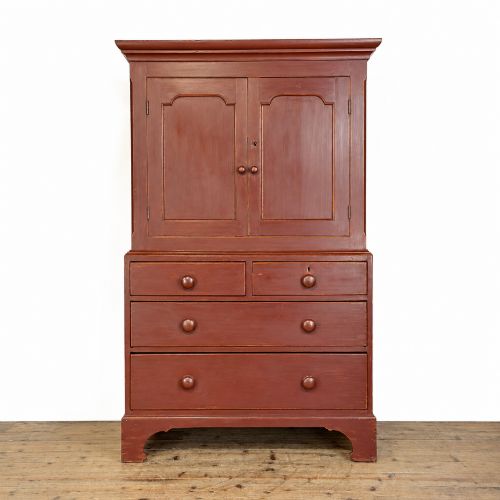
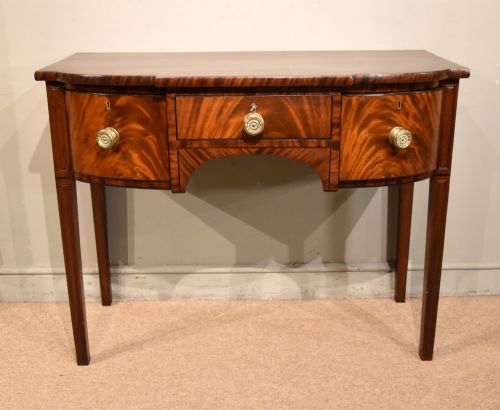
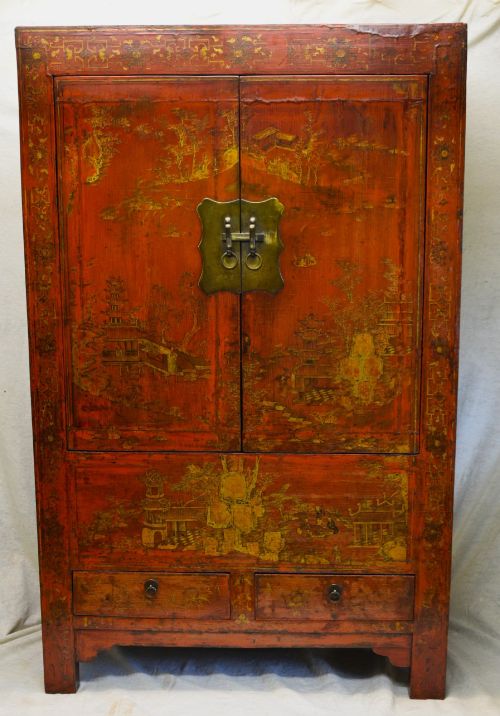
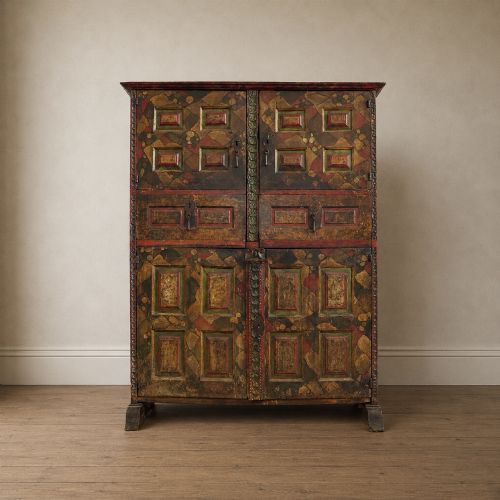
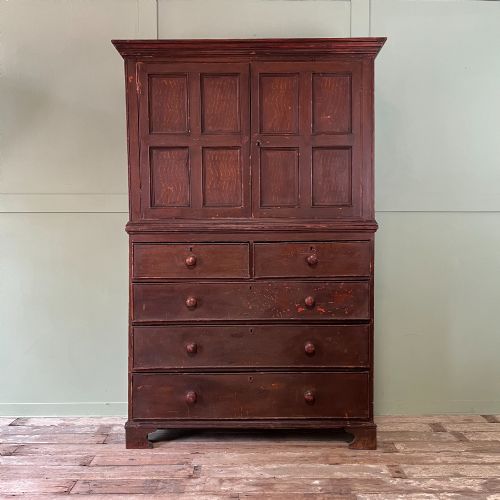
When buyers search for an antique red cupboard, they encounter a diverse selection ranging from bold Chinese wedding and marriage cabinets to European painted pine and walnut pieces. The items on this page unite colour and utility, serving as prominent focal points within a room while offering enclosed shelving or hanging space.
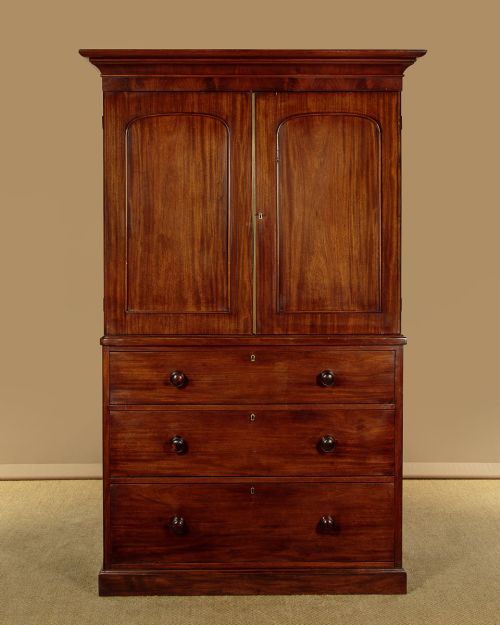
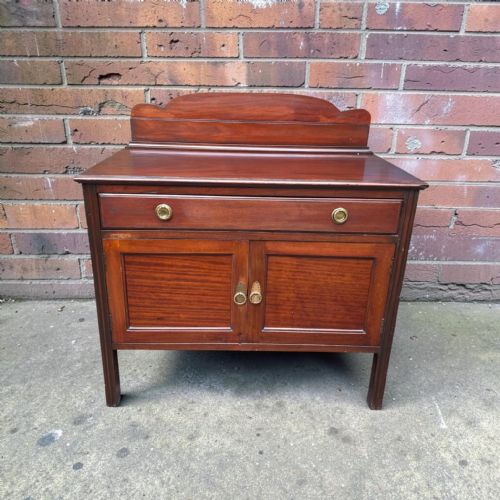
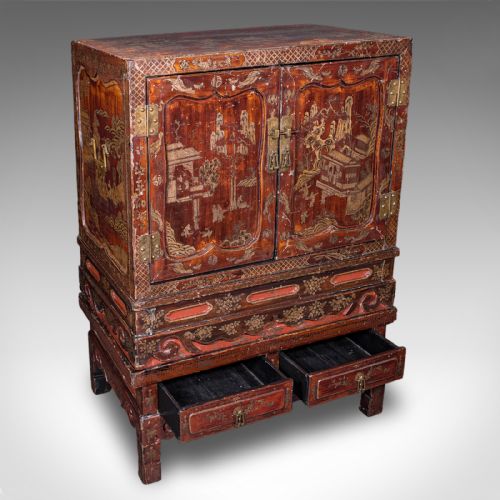
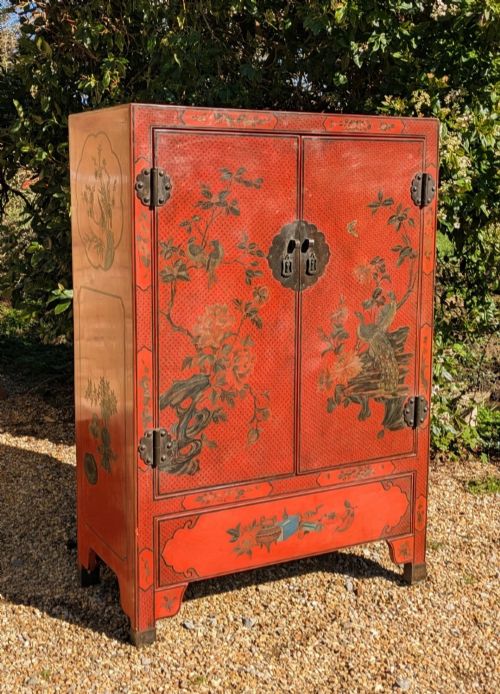
The most common variants include 19th-century Chinese lacquer storage pieces finished in deep crimson and black, alongside European corner cupboards, bedside chests, and larger housekeeper and larder designs. These pieces draw the eye immediately through their distinct pigment, making them ideal for breaking up neutral interior palettes.
How they were made
Makers constructed these storage pieces using durable timbers such as mahogany, pine, elm, oak, and walnut, often applying multiple layers of red lacquer or traditional oil-based paint to the exterior surfaces. Chinese lacquer work involved meticulous building of resin coats, while European cabinet makers utilised hand-mixed pigments directly onto wood or over gesso grounds.
Joinery techniques varied by region and period, combining traditional dovetail joints for drawers with mortise and tenon frames for heavy doors and standing carcases. Decorative metalwork in brass or iron frequently appeared as hinges, lock plates, and drop handles, securing the structure while adding metallic contrast to the red finish.
Antique Red Cupboard Retail Price Guide 2026
Typical asking prices for red cupboard among the pieces listed under this phrase on Sellingantiques today, from the lower quarter to the upper quarter. They describe what is for sale here now, not the wider market.
Some antique apothecary chests arrived with enough tiny drawers to lose your house keys in a different compartment every single day.
What varies in quality
The distinction between standard examples and superior pieces rests in the integrity of the original surface finish and the depth of the timber grain. Pieces retaining their uncompromised original paint or layered lacquer command greater interest than those heavily retouched or stripped down over time.
Construction heft and proportion also dictate standing within the range, where thick solid planks, stable corner joints, and well-balanced doors show superior workshop execution. Finer hardware, such as heavy hand-beaten brass mounts or original brass key escutcheons, further separates standard utility storage from high-status items.
Japy Frères·Shoolbred
The Antique Red Cupboard Glossary
- Chinoiserie
- European artistic imitation and adaptation of Chinese and East Asian artistic traditions, frequently seen in gold motifs painted over red lacquered cupboard surfaces.
- Marriage cabinet
- A traditional large storage chest given as a dowry in Chinese culture, typically featuring two doors, internal shelving, and vibrant red lacquer.
- Vitrine
- A glass-fronted display cabinet or cupboard designed for showcasing fine objects, porcelain, or books while protecting them from dust.
- Press cupboard
- A sturdy wooden storage unit featuring internal shelves or hanging space behind panelled doors, often constructed from painted pine or regional hardwoods.
- Polychrome
- Decorated or painted in several colours, seen on early European cupboards where pigments were applied directly to the timber carcase.
Antique Red Cupboard: Frequently Asked Questions
How do I clean an antique red lacquer cupboard?
Dust the surface regularly with a soft, dry microfibre cloth to prevent particulate accumulation. Avoid chemical sprays, water, and abrasive cleaners which can damage delicate historical lacquer.
For stubborn marks, consult a professional conservator rather than attempting aggressive household cleaning solutions. Keeping the piece away from direct sunlight and radiators preserves the stability of the wood and the pigment.
Were red cupboards used in European homes?
Bright red finishes were less common in traditional British formal furniture but appeared frequently in regional European folk art, Baltic pieces, and Spanish vernacular furniture. Painted pine and hardwood cupboards served practical storage roles in kitchens, pantries, and bedrooms.
During later decorative revivals, European workshops also adopted Asian lacquer techniques to produce striking crimson and gold cabinets for fashionable drawing rooms.
What is the difference between a marriage cabinet and a standard cupboard?
Chinese marriage cabinets were traditionally commissioned as part of a bride's dowry, built with generous proportions to store clothing, textiles, and valuables. They usually feature distinctive circular brass lock plates and removable wooden centre stiles.
Standard cupboards focus on general household utility or display, lacking the specific cultural symbolism and internal layout associated with traditional wedding furniture.
How can I tell if the red paint or lacquer is original?
Original finishes show natural craquelure, micro-abrasions, and fading consistent with age, wear, and environmental exposure. The paint or lacquer settles organically into the wood grain and around joints rather than sitting in a flat, uniform modern layer.
Under magnification, older surfaces reveal subtle variations in tone and hand-applied brushwork or layering that contemporary refinishing cannot replicate.